
Kitesurfing in Silver Sands
Bridgetown · Barbados
- Spot type Wave
- Rider level intermediate
- Water Crystal Clear
- Beach Sand
- Crowd Seasonal crowd
- Tide effect None
Kitesurfing in Silver Sands: Conditions, Wind & Season
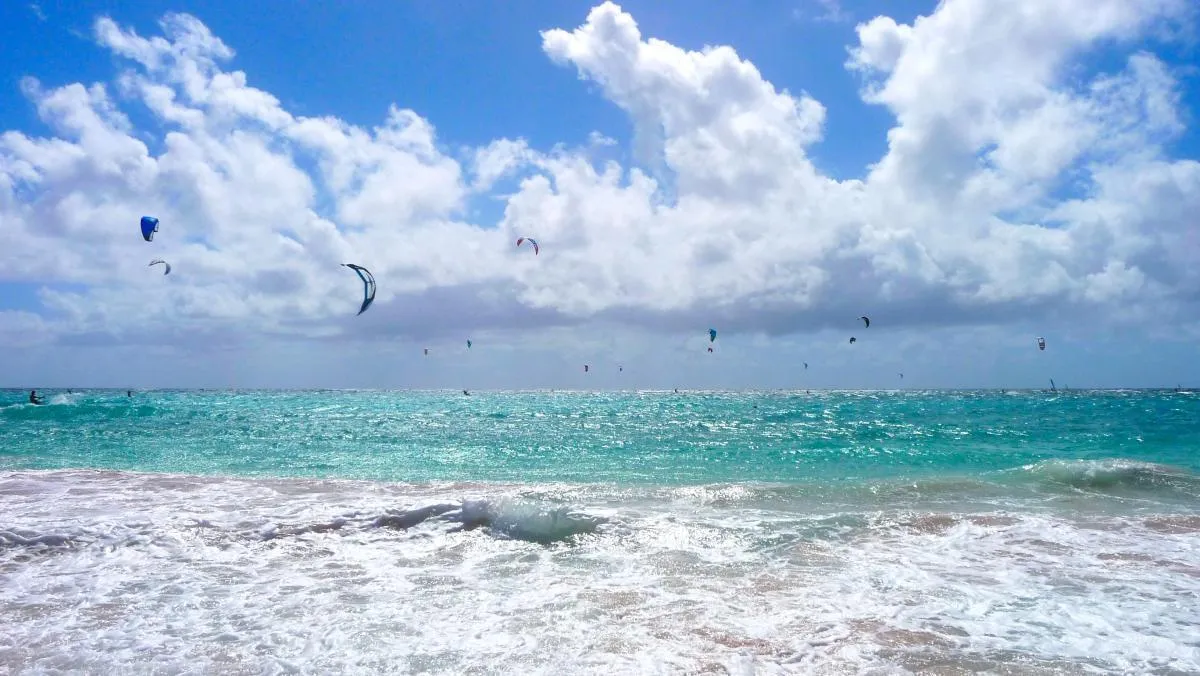
Silver Sands Beach is one of the most established kitesurfing and windsurfing locations in Barbados, situated on the island's southern coast in the parish of Christ Church, near Oistins and approximately 15 kilometres from Bridgetown. Known for its consistent trade winds, clear Caribbean water and excellent wave-riding opportunities, Silver Sands has played an important role in the development of wind-powered watersports on the island. Unlike sheltered flat-water lagoons, this is an exposed coastal spot where riders can enjoy open-water freeriding, rolling waves and dynamic conditions. Its long association with windsurfing, including the influence of local champion Brian Talma, has helped establish Silver Sands as a recognised destination for experienced windsurfers and kitesurfers visiting Barbados.
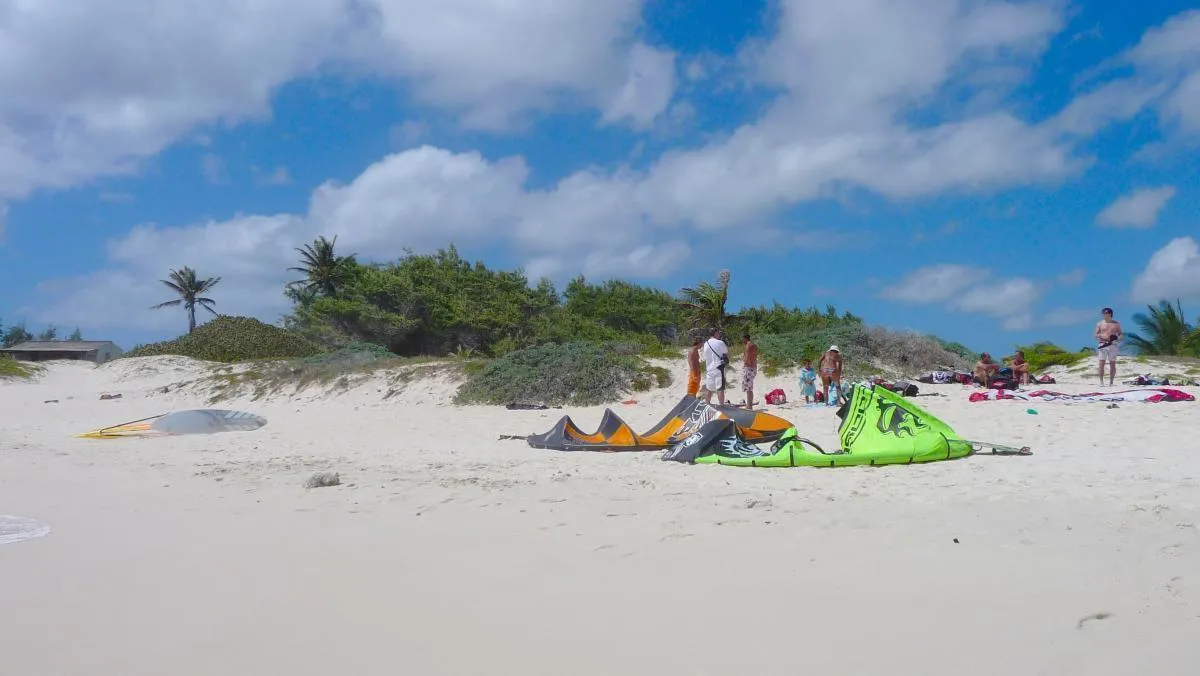
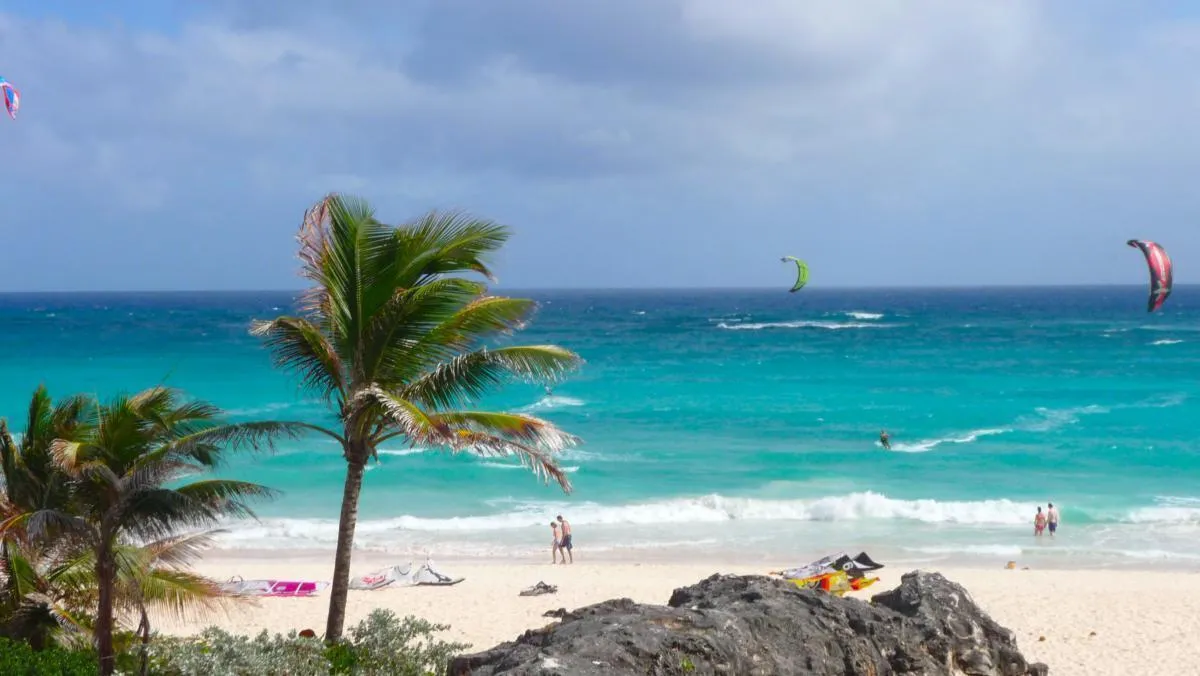
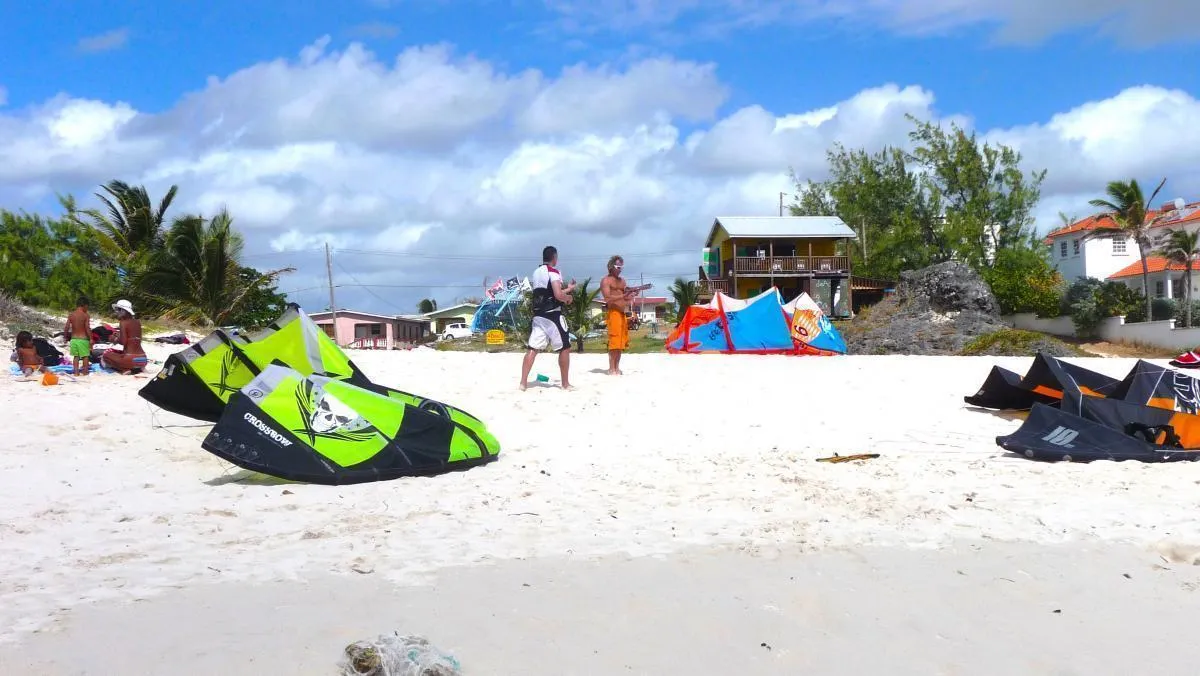
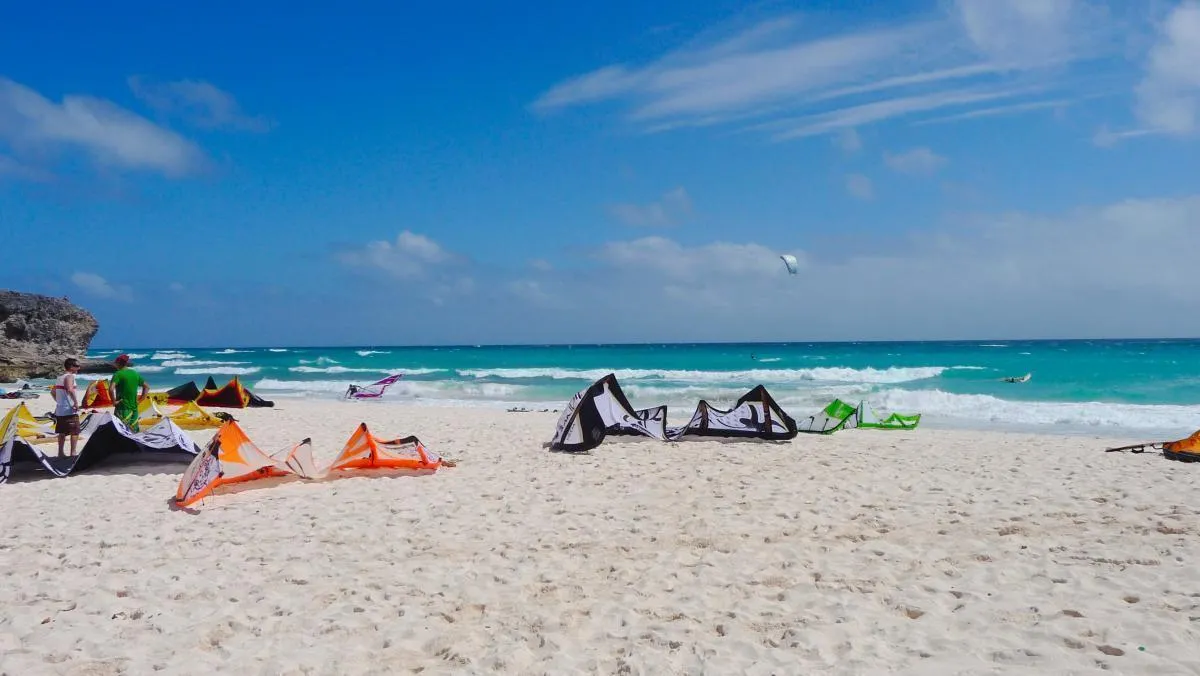
The beach features a broad stretch of pale coral sand, providing a relatively open shoreline for preparing equipment and accessing the water. The surrounding coastline is exposed to the Atlantic-influenced waters of southern Barbados, allowing trade-wind swell and wind-generated waves to reach the riding area. Although the sand can offer comfortable space for rigging, the usable launching area varies with the tide, sea conditions and the presence of other beach users. Riders should inspect the shoreline carefully before setting up, particularly where vegetation, rocks or coastal structures restrict the available space. Strong winds and breaking waves can make launching more demanding than the beach's inviting appearance might suggest.
The defining characteristic of Silver Sands is its exposure to the easterly and east-northeasterly trade winds that dominate Barbados for much of the year. These winds generally provide favourable conditions for windsurfing and kitesurfing along the island's southern coastline, often reaching the beach with a useful cross-shore or cross-onshore component depending on the exact direction. During established trade-wind periods, the airflow can be relatively consistent, allowing riders to enjoy long sessions without frequent interruptions. However, wind strength varies between weather systems, and occasional gusts or lighter periods can occur. The open coastal exposure generally provides cleaner wind than locations sheltered by buildings or inland terrain.
The most reliable kitesurfing season generally extends from November or December through June, with particularly favourable trade-wind conditions during the winter and spring months. January through May are often among the most promising periods for consistent sessions, although strong winds can occur outside this window. During July, August and September, the trade winds may become lighter or less predictable, reducing the number of reliable riding days. These months also fall within the Atlantic hurricane season, when regional weather systems can influence wind direction and sea conditions. Silver Sands remains potentially rideable throughout much of the year, but visitors planning a wind-focused trip should prioritise the stronger trade-wind months.
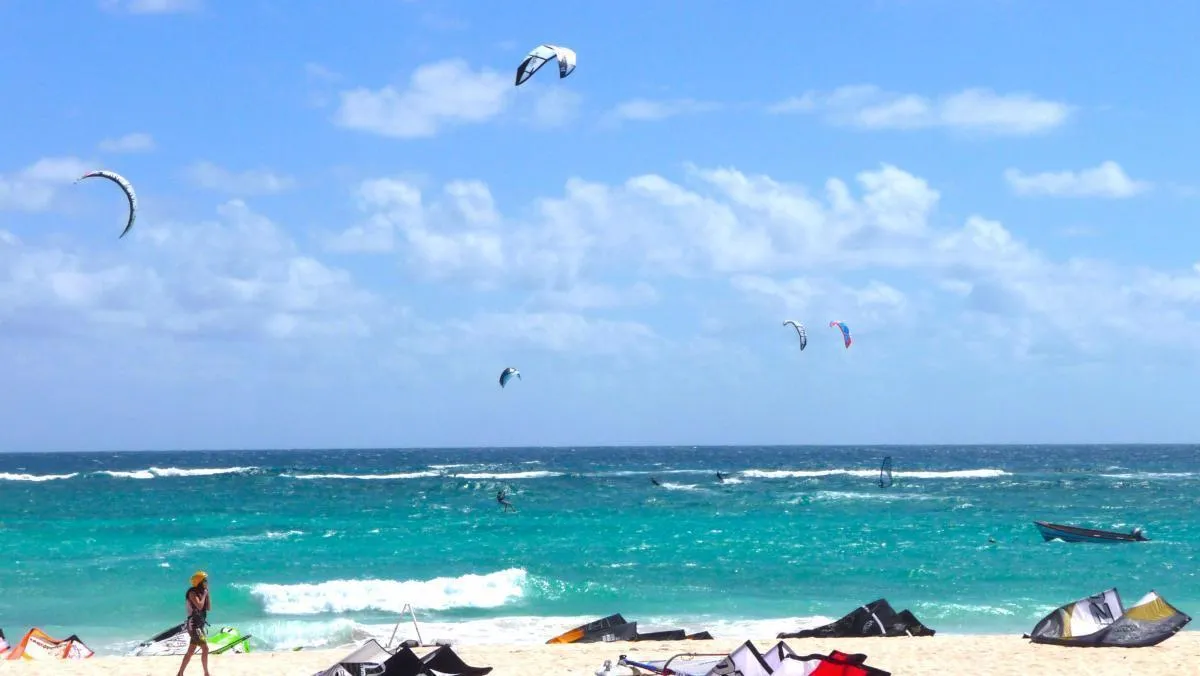
Water conditions at Silver Sands are primarily characterised by rolling waves, open-water chop and occasional shorebreak. Unlike Barbados' sheltered western coastline, the southern coast receives swell that can produce enjoyable wave-riding conditions when the wind direction aligns favourably. The waves are not always particularly large, but they can form long, well-defined sections suitable for carving turns and down-the-line riding. During smaller swell periods, the spot offers more manageable conditions for freeriding and practising wave technique. Stronger wind and swell combinations can create rougher water, with more powerful breaking waves and challenging entry or exit conditions. Riders should assess both wind strength and wave height before launching.
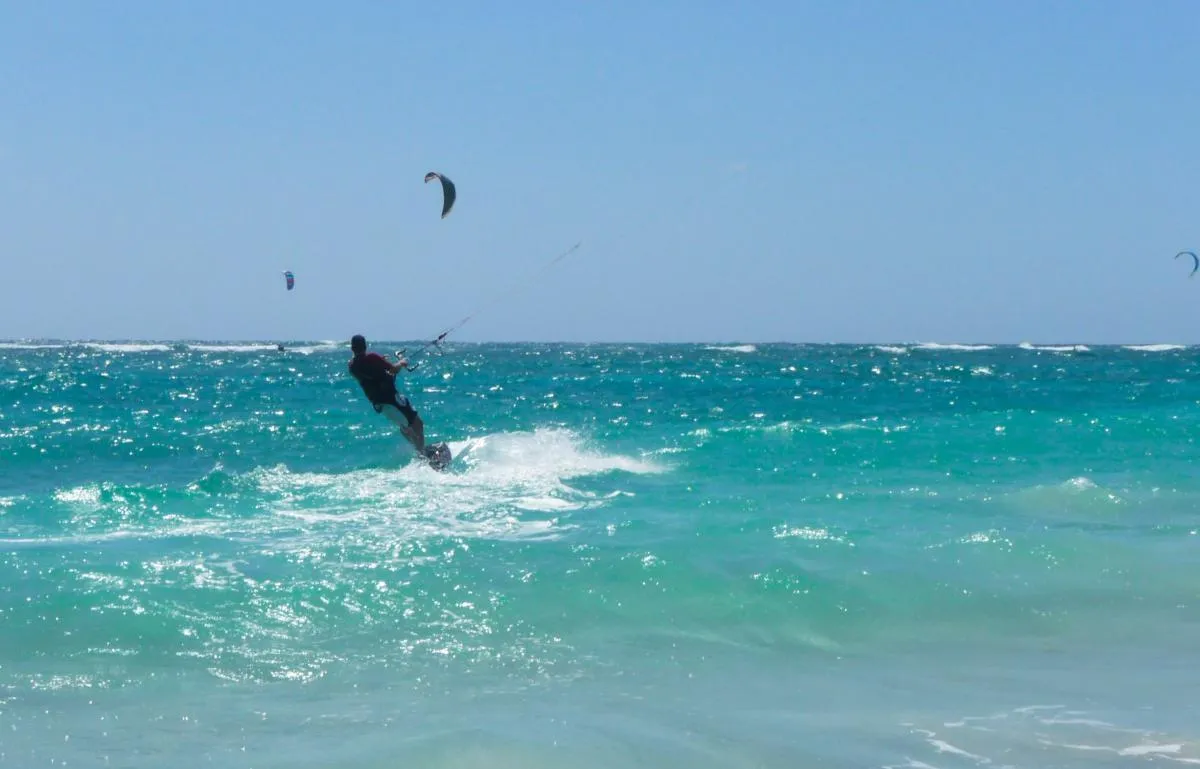
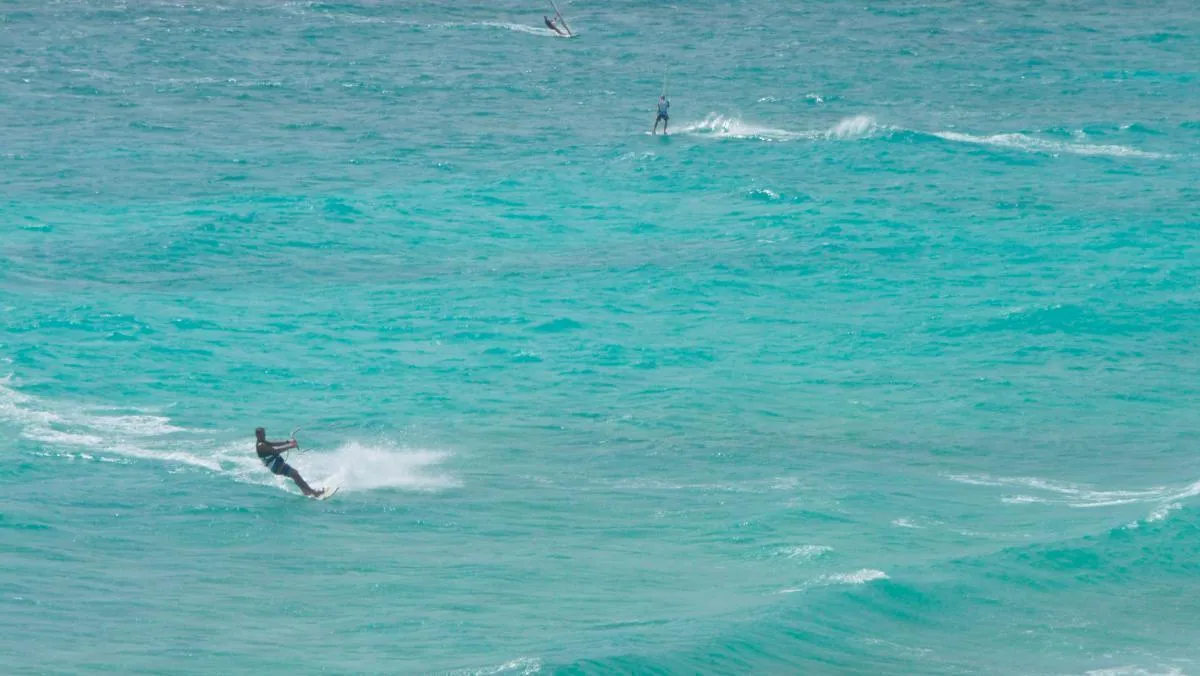
Wave riding is one of Silver Sands' principal attractions. Experienced kitesurfers using directional surfboards can take advantage of the rolling waves to practise bottom turns, cutbacks and controlled riding along the wave face. The relatively long wave sections can be particularly enjoyable when swell direction and wind strength combine to produce clean conditions. Twin-tip riders may also appreciate the waves as natural ramps for jumping, although the uneven water surface makes technical flat-water freestyle more demanding. Silver Sands is primarily a freeride and wave-oriented location rather than a dedicated wakestyle or flat-water freestyle spot. Riders seeking perfectly smooth water will generally find the open coastal conditions less suitable.
Intermediate kitesurfers with experience in chop and small waves may enjoy Silver Sands during moderate conditions, particularly when the shorebreak is manageable. The open-water environment provides opportunities to improve board control, practise riding through waves and develop confidence in changing sea states. Advanced riders can take advantage of stronger trade winds and larger swell for more technical wave riding and powered manoeuvres. However, the spot is not generally recommended for independent beginners, as breaking waves, currents and the possibility of submerged obstacles make learning more demanding than at a sheltered lagoon. Riders developing their first water starts should seek professional instruction at a location appropriate to their ability.
The seabed along Silver Sands includes sandy areas but may also contain coral fragments, reef sections and harder submerged surfaces. Although the beach itself is predominantly sandy, riders should not assume that the entire nearshore riding area is free from rocks or coral. Water depth changes across the coastal zone, and breaking waves can make shallow obstacles difficult to identify. Protective footwear may be useful when walking through unfamiliar sections, although it does not eliminate the risk of injury from submerged reef formations. Riders should avoid jumping in shallow water and remain alert to areas where waves break over relatively shallow sections of the seabed.
Launching and landing conditions require particular attention because of the combination of strong trade winds and exposed coastal water. The beach can provide useful space for preparing equipment, but riders must ensure that the selected launching area is clear of obstacles and other beach users. During stronger winds, assisted launching is advisable, especially when waves are breaking close to shore. Entering the water may require careful timing between wave sets, while returning to the beach can become difficult if shorebreak develops. Riders should identify a safe entry and exit point before launching and avoid areas where rocks or other hazards are present close to the shoreline.
Currents and wave movement are important safety considerations at Silver Sands. Longshore currents may develop during stronger swell, while breaking waves can push riders toward shallow sections or coastal obstacles. Losing a board in rough water can make recovery difficult, particularly when wind and current move in different directions. Riders should remain within a manageable distance from shore and avoid conditions that exceed their ability to self-rescue. The presence of an established windsurfing community does not guarantee dedicated kitesurfing rescue services, so independent riders should confirm whether local assistance is available before entering the water.
Silver Sands is also a shared watersports location, with windsurfers, kitesurfers and other beach users potentially occupying the same coastal area. Its long windsurfing tradition means that riders should pay particular attention to right-of-way rules and maintain adequate separation from other sails and kites. During favourable trade-wind conditions, the water can become busy, especially near the most accessible launching areas and popular wave sections. Kitesurfers should avoid jumping close to windsurfers or crossing directly through established wave-riding lines. Respecting local riding practices and communicating with experienced local riders can help prevent conflicts and improve safety.
Hydrofoil kitesurfing may be possible in deeper water beyond the nearshore wave zone, but the presence of breaking waves, shallow reef sections and potentially difficult launching conditions makes the spot less suitable for inexperienced foil riders. Wing-foiling may offer enjoyable opportunities for experienced riders who are comfortable with swell and open-water chop, particularly during moderate trade-wind conditions. However, both disciplines require careful assessment of water depth and a suitable route through the nearshore waves. Conventional twin-tip freeriding and directional wave riding remain the most characteristic forms of kitesurfing at Silver Sands.
Barbados enjoys warm tropical air and water temperatures throughout the year, with sea temperatures generally remaining comfortable for riding without a heavy wetsuit. Boardshorts, lightweight protective clothing and a rash guard are usually sufficient, although prolonged exposure to strong trade winds can create some wind chill. Sun protection and hydration are essential, particularly during extended sessions in the water. Weather conditions can occasionally change with passing tropical showers or regional disturbances, especially during the wetter months. Riders should monitor local forecasts and avoid entering the water when thunderstorms or unstable weather systems approach.
For riders searching for kitesurfing at Silver Sands Beach, wave-riding kite spots in Barbados or reliable trade-wind destinations in the eastern Caribbean, this established location offers an attractive combination of consistent seasonal winds, rolling waves and a strong watersports tradition. Its greatest strengths are the opportunities for directional wave riding, powered freeriding and enjoyable sessions during the winter and spring trade-wind season. However, breaking waves, currents and possible shallow reef sections make it better suited to intermediate and advanced riders than complete beginners. For kitesurfers comfortable with open-water conditions, Silver Sands remains one of Barbados' most distinctive and rewarding kite spots.
Something missing or out of date at this spot? Suggest a correction
Spot Gallery (10)

Silver Sands is best suited for
Spot profile
Travel spot
The typical kite travel destination, it is known for its great conditions, and kiters from around the world come here for their vacations.
Family spot
Located in an area that offers amenities for all the family and can provide good alternatives for everyone when the kiters are in the water.
Equipment
Shorty or Lycra depending on the month
Wind Conditions
Main wind directions at Silver Sands
Windy days per month in Silver Sands
Wind Speed Range
From 10 to 25 Knots
Suggested sizes
8 - 9 mt
10 - 11 mt
12 - 13 mt
14 mt and above
Forecast on Windy.com
Kitesurfing Safety & Local Rules at Silver Sands
The main hazards at Silver Sands Beach come from its exposed ocean conditions and breaking waves. Although the waves are not always large, they can create challenging conditions during water entry, kite relaunching and board recovery, particularly when the swell increases. Riders should be comfortable handling waves and shore-break, and assess the sea conditions carefully before launching.
Silver Sands is a popular spot for both kitesurfing and windsurfing, so the water can become crowded during favorable trade-wind conditions. Collisions are a particular concern when riders converge on the same waves or cross paths near the shoreline. Respect right-of-way rules, maintain safe distances and avoid dropping into waves already being ridden by others.
The easterly trade winds can become strong, making kite control more demanding, especially when combined with breaking waves. The available launching space may also become congested during busy sessions, despite the relatively wide sandy beach. Keep kite lines clear of other beach users, choose an appropriate kite size and avoid launching when there is insufficient space for safe maneuvering.
Location
Closest City
Bridgetown
How to get There
Fly to Barbados international airport. Silver sand is located 2 km south of it.
Access
Public
No-Wind Days: What to Do Around Silver Sands
Beyond kitesurfing, Silver Sands Beach offers an excellent base for exploring the beautiful southern coast of Barbados. Located in the parish of Christ Church, near Oistins and a short drive from Bridgetown, Silver Sands is surrounded by tropical coastal scenery, traditional fishing communities and some of the island's most attractive beaches. The area has a relaxed atmosphere compared with the busier resort districts farther west, making it particularly appealing to travellers who enjoy outdoor activities, local culture and authentic Caribbean experiences. For a kitesurfing trip with non-kiters or a family holiday in southern Barbados, there are plenty of enjoyable alternatives when the wind disappears.
Silver Sands Beach itself is a beautiful place for coastal walks, photography and relaxing in the tropical surroundings. Its white coral sand, turquoise water and natural shoreline create an attractive setting, particularly during the early morning and late afternoon. However, the beach is exposed to Atlantic swells and can experience strong currents and breaking waves, making swimming unsuitable at times. Visitors looking for calmer water should consider more sheltered beaches along the southern or western coast. The surrounding area retains a relatively peaceful atmosphere, with a mixture of holiday villas, guesthouses and residential properties.
Just a short distance away, Silver Rock Beach and the coastline around Inch Marlow provide additional opportunities for exploring the island's southeastern shore. These beaches are known for their natural scenery, broad stretches of sand and laid-back atmosphere. The nearby associated with Barbadian windsurfing personality Brian Talma has long been a local landmark, offering a colourful introduction to the area's watersports culture and relaxed Caribbean lifestyle. Visitors should check current opening arrangements before planning a meal or visit.
One of the most popular nearby attractions is Miami Beach, also known as Enterprise Beach, close to Oistins. This attractive sandy beach offers a more sheltered setting than Silver Sands, particularly in its protected swimming areas, making it a favourite among local families and visitors. Shady trees, picnic spots and beautiful turquoise water create an inviting environment for spending a relaxing afternoon. Swimming conditions still vary with weather and swell, but Miami Beach is generally a more suitable choice for recreational beachgoers than the exposed Atlantic-facing beaches farther east.
Oistins is another essential stop during a holiday in southern Barbados. This lively fishing town is famous for its traditional fish market and the Oistins Fish Fry, particularly popular on Friday evenings. Visitors can enjoy freshly grilled fish, local side dishes, music and a welcoming Caribbean atmosphere. Flying fish, mahi-mahi, tuna and other seafood specialities are commonly featured, depending on the day's catch. The experience provides an excellent introduction to Barbadian cuisine and culture, making it especially enjoyable for families, couples and groups of friends. Oistins is also convenient for shopping, groceries and everyday services when staying around Silver Sands.
For visitors interested in exploring more of the southern coastline, the St. Lawrence Gap area offers a lively combination of restaurants, bars, cafés and entertainment venues. Located west of Oistins, this popular district is particularly attractive in the evening, with numerous dining options and a vibrant atmosphere. Nearby Dover Beach provides another opportunity for relaxing by the sea, while Worthing Beach and other sections of the south coast offer additional swimming and snorkelling possibilities when conditions are suitable. The area is easily reached by car or taxi from Silver Sands and provides a convenient contrast to the quieter atmosphere around the kitesurfing beaches.
A particularly memorable excursion is visiting , one of Barbados's best-known natural attractions. This extensive limestone cave system features impressive stalactites, stalagmites and underground streams. Organised tours introduce visitors to the island's geological history and provide an enjoyable alternative to beach activities, particularly during rainy or windless days. The surrounding central highlands also offer beautiful tropical scenery and opportunities to explore the island's greener interior. Tour schedules and access arrangements should be checked in advance.
For nature lovers, offers a peaceful experience among tropical plants, flowering trees and lush vegetation. Created within a natural sinkhole, the gardens feature winding paths, colourful foliage and an intimate atmosphere that contrasts beautifully with the island's open coastline. Another rewarding destination is , overlooking the rugged eastern coast. These attractions are particularly appealing to non-kiting partners who enjoy photography, gardening and exploring Barbados's tropical landscapes.
Barbados's dramatic east coast is also worth discovering on a day trip. Bathsheba is famous for its rugged Atlantic scenery, unusual rock formations and the powerful waves breaking along the shoreline. The nearby Scotland District features rolling hills, scenic roads and striking geological landscapes that differ considerably from the island's flatter southern coast. Visitors can enjoy coastal photography, explore small villages and stop at viewpoints overlooking the Atlantic Ocean. Swimming around Bathsheba requires considerable caution because of strong surf and currents, but the scenery alone makes the journey worthwhile.
For cultural sightseeing, Bridgetown, the capital of Barbados, offers historic buildings, museums, markets and an interesting colonial heritage. Historic Bridgetown and its Garrison are recognised as a UNESCO World Heritage Site, reflecting the city's importance in the history of Atlantic trade and the British colonial Caribbean. Visitors can explore the historic centre, admire traditional architecture and discover landmarks connected with the island's past. The waterfront and surrounding shopping streets provide additional opportunities for dining and exploring local life. More information about the heritage site is available through the UNESCO World Heritage Centre.
Accommodation around Silver Sands and neighbouring Silver Rock includes holiday apartments, self-catering villas, guesthouses and smaller beachfront properties. These options are particularly convenient for visitors who prefer to stay close to the coast and enjoy a quieter residential atmosphere. A wider selection of hotels, restaurants and resort facilities can be found around Oistins, Maxwell, Dover Beach and St. Lawrence Gap. Travellers seeking luxury resorts and more sheltered beaches may prefer the island's western coast, although this involves a longer journey to Silver Sands. Renting a car can be useful for exploring the island independently, while taxis and local buses provide additional transport options along established routes.
For anyone planning a kitesurfing holiday at Silver Sands Beach and wondering what else there is to do, southern Barbados offers an appealing combination of beautiful beaches, Caribbean culture and natural attractions. A no-wind day can include relaxing at Miami Beach, enjoying the famous Oistins Fish Fry, exploring Harrison's Cave or discovering the tropical gardens and dramatic landscapes of the island's interior. Families and non-kiting partners can enjoy beach excursions, local markets and cultural sightseeing, while travellers seeking restaurants and nightlife will find plenty of options around St. Lawrence Gap. With its authentic atmosphere, convenient accommodation and access to many of Barbados's most interesting attractions, Silver Sands is an excellent base for a varied Caribbean holiday beyond kitesurfing.
Video about Kite Spot
As explained in the description, on this spot you can find 'De Action' house of Brian Talma. He is a monument in modern watersports panorama and in the Beach Culture. If you come to kite here you can't miss the chance to meet him in person. Here's a video about his story.