
Kitesurfing in Cabarete
Cabarete · Dominican Republic
- Spot type Wave
- Rider level beginner
- Water Crystal Clear
- Beach Sand
- Crowd Very crowded
- Tide effect None
Kitesurfing in Cabarete: Conditions, Wind & Season
Cabarete is one of the Caribbean's most established kitesurfing destinations, located on the northern coast of the Dominican Republic in Puerto Plata Province, approximately 20 kilometres east of Puerto Plata's international airport. Once a small fishing and farming village, Cabarete has developed into an internationally recognised centre for wind-powered watersports, attracting beginners, freestyle enthusiasts, wave riders and professional athletes. Its reputation comes from a combination of reliable seasonal trade winds, warm Atlantic waters and several riding areas offering different conditions along the same stretch of coastline. From the busy waters of Kite Beach to the more open riding areas around Bozo Beach and Punta Goleta, Cabarete provides a variety of kitesurfing opportunities within a relatively compact coastal area.
The defining characteristic of kitesurfing in Cabarete is the combination of easterly trade winds and local thermal effects. During favourable weather patterns, the prevailing east to east-northeast winds strengthen as the land heats up, often producing the best conditions during the afternoon. The wind commonly begins to build around midday or shortly after lunch, with the strongest sessions frequently occurring between approximately 2 PM and sunset. This predictable daily rhythm is one of the reasons Cabarete has become such a popular kitesurfing destination. However, wind strength varies throughout the season, and not every afternoon produces suitable conditions. Checking local forecasts and live wind readings remains important when planning a session.
Cabarete offers kitesurfing opportunities during much of the year, but the most reliable wind season generally extends from May through September, when the summer trade winds and thermal enhancement combine to produce frequent afternoon sessions. June, July and August are particularly popular among riders seeking consistent wind. A secondary windy period can occur during the winter months, approximately from December through March, although conditions are often more variable and influenced by passing weather systems. Spring and autumn can bring lighter winds and less predictable sessions. Riders planning a dedicated kitesurfing holiday should consider both the seasonal wind patterns and their preferred riding discipline, as wave conditions can differ considerably between summer and winter.
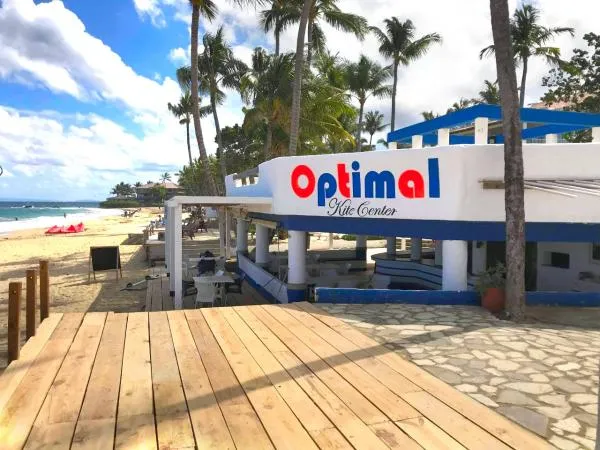
Kite Beach is the best-known and most accessible kitesurfing area in Cabarete, attracting a large proportion of the local and visiting kiteboarding community. Located west of the main Cabarete Bay, it offers a relatively compact riding area with a sandy shoreline and direct access to the Atlantic. The beach is popular with kite schools, freeriders and freestyle enthusiasts because the nearshore waves are often manageable compared with more exposed sections of the coastline. However, Kite Beach can become crowded during the main season, particularly when numerous schools and independent riders are operating simultaneously. The available launching space may also become restricted during higher tides, making careful kite handling and awareness of other riders essential.
Water conditions at Kite Beach typically consist of moderate chop, small breaking waves and relatively smoother sections between wave sets. The offshore reef system helps influence the wave pattern, reducing some of the larger ocean swell before it reaches the beach. During lighter conditions, the water can be manageable for freeriding and progression, while stronger afternoon winds create more pronounced chop and occasional ramps for jumping. The beach is not a flat-water lagoon, and riders should expect some wave action even on relatively calm days. Nevertheless, its comparatively accessible shorebreak and established kitesurfing infrastructure make it a practical starting point for many visitors exploring Cabarete's riding areas.
Bozo Beach, located along the western side of Cabarete Bay, offers a more open-water environment and is particularly attractive to riders looking for additional space and varied wave conditions. The riding area is influenced by the same afternoon trade winds as Kite Beach, but its coastline and exposure can produce different wind angles and water characteristics. Depending on the swell, riders may encounter rolling waves, moderate chop and sections suitable for directional wave riding. Bozo is also associated with freeriding and freestyle, although the open-water conditions can be more demanding than those found at the most sheltered parts of Kite Beach. Riders should assess the shorebreak and local conditions before launching, especially when larger Atlantic swell is present.
Punta Goleta is another recognised kitesurfing area along the Cabarete coastline, offering access to the same reliable trade-wind system but with its own shoreline orientation and water conditions. The spot can provide enjoyable freeriding opportunities during favourable wind directions, although wave exposure and launching conditions vary with the sea state. Compared with the busiest sections of Kite Beach, Punta Goleta may offer a different riding environment for experienced kitesurfers seeking space away from the main concentration of schools. However, local access arrangements and the suitability of the launching area should always be confirmed before setting up equipment. Riders should not assume that every section of the coastline is equally suitable for independent launching.
Freeriding is one of Cabarete's principal attractions, with the afternoon trade winds providing frequent opportunities for powered sessions during the main season. Intermediate riders can enjoy long reaches, practise transitions and improve their upwind technique, while advanced kitesurfers can take advantage of stronger winds for jumping and more technical manoeuvres. Freestyle is also an important part of Cabarete's kitesurfing culture, although the naturally choppy water requires more control than perfectly flat lagoon conditions. During suitable swell, directional riders can explore wave-oriented sessions, particularly in the more exposed sections of the coastline. The diversity of riding conditions makes Cabarete appealing to kitesurfers who enjoy combining several disciplines during the same trip.
Beginners can learn to kitesurf in Cabarete through the numerous established kite schools operating around the main riding areas. Professional instruction is particularly important because the coastline combines open-water conditions, breaking waves and potentially crowded launching zones. Students generally begin with kite control and body-dragging exercises before progressing to water starts and short rides under supervision. Although Kite Beach is often considered one of the more accessible locations, it is not automatically easy during strong winds or large swell. Beginners should choose a school that provides appropriate teaching areas, qualified instructors and suitable rescue arrangements rather than attempting independent practice in busy sections of the beach.
The seabed along Cabarete's kitesurfing coastline includes sandy sections, but reef formations and harder submerged surfaces may be present farther offshore or near particular wave breaks. Water depth generally increases away from the beach, although sandbars and reef areas can create localised shallow sections. Riders should avoid jumping in unfamiliar shallow water and remain cautious when approaching reef breaks. Shorebreak can also become stronger during larger swell, making entry and exit more demanding. Protective footwear may be useful in certain areas, but local knowledge remains the best way to identify submerged hazards and suitable riding zones. The combination of waves and changing depth requires particular attention from riders using directional boards or hydrofoil equipment.
Hydrofoil kitesurfing may be possible in deeper sections of Cabarete's coastal waters, but the shorebreak, reef formations and crowded riding areas can make launching and landing challenging. Experienced foil riders should identify safe entry points and maintain sufficient water depth before accelerating. Wing-foiling is also practised in suitable conditions, particularly when the afternoon wind provides enough power and the sea state remains manageable. However, the coastline's naturally choppy conditions make Cabarete more demanding for foil beginners than a sheltered flat-water lagoon. Conventional twin-tip freeriding, freestyle and directional wave riding remain the most characteristic kitesurfing disciplines in the area.
The main safety considerations in Cabarete are crowded launching areas, changing wind strength, breaking waves and the presence of reef sections. Afternoon thermal enhancement can cause the wind to increase noticeably over a relatively short period, making equipment selection important. Riders should avoid launching oversized kites when stronger conditions are forecast later in the day. During the main season, Kite Beach can become particularly busy, requiring careful adherence to right-of-way rules and generous separation from other kitesurfers. Offshore or unfavourable wind directions should be avoided without reliable rescue support, while larger winter swell can create demanding shorebreak even when the wind is moderate. Local guidance is especially valuable for first-time visitors.
Water temperatures around Cabarete generally remain warm throughout the year, commonly ranging from approximately 26–29°C. Boardshorts, rash guards and lightweight protective clothing are sufficient for most sessions, although some riders may prefer a shorty during cooler winter conditions or extended windy afternoons. Sun protection and hydration are essential, particularly during the main summer season when afternoon sessions can last several hours. Tropical showers and regional weather systems may occasionally affect wind conditions, while the Atlantic hurricane season from June through November requires additional attention to forecasts. Riders should remain flexible and avoid entering the water when thunderstorms or unstable weather approach.
For riders searching for kitesurfing in Cabarete, the best kite spots in the Dominican Republic or reliable trade-wind destinations in the Caribbean, this established watersports centre offers an exceptional combination of seasonal afternoon winds, varied wave conditions and accessible kitesurfing infrastructure. Kite Beach remains the most popular starting point, while Bozo Beach and Punta Goleta provide additional options for riders seeking different conditions along the coastline. Its greatest strengths are the dependable summer wind pattern, opportunities for freeride and freestyle progression, and the possibility of wave riding within the same destination. With appropriate equipment, awareness of local conditions and respect for crowded riding areas, Cabarete remains one of the Caribbean's most rewarding kitesurfing destinations.
Something missing or out of date at this spot? Suggest a correction
Spot Gallery (7)


Cabarete is best suited for
Spot profile
- Travel spotA proven kite destination with reliable conditions, worth a trip. Kiters fly in from all over the world for their kite holidays, and you will probably find schools, rentals and a lively kite scene nearby.
- Family spotEasy to visit with family and friends. Facilities are close by and non-kiters have plenty to do while you are on the water, so everyone enjoys the day, whether they kite or not.
Equipment
According to the season, lycra or a shorty
Wind Conditions
Main wind directions
Windy days per month
Share of the days with more than 10 knots.
Wind speed range
5 - 25 knots
Calculate your kite size
Estimate for a rider of your weight at Cabarete: kite size = weight / wind speed x 2.2, adjusted for the kite shape and aspect ratio. Board, skills and gusts change the ideal size.
Forecast on Windy.com
Kitesurfing Safety & Local Rules at Cabarete
The main hazards at Cabarete come from the offshore reef, breaking waves and crowded riding conditions. A reef lies approximately one kilometre from the shoreline, where incoming swell can produce powerful breaking waves. Riders venturing toward the reef should be experienced in wave riding and maintain sufficient distance from shallow coral formations, particularly when the swell increases. Hard falls over shallow reef sections can cause serious injuries or damage equipment.
During the main kitesurfing season, Cabarete can become extremely crowded, especially around Kite Beach, where numerous kite schools, beginners and experienced riders share the water. This increases the risk of collisions, tangled lines and accidents during launching and landing. Respect right-of-way rules, maintain generous safety distances and avoid jumping or performing tricks close to other riders or busy teaching areas.
The wind typically strengthens during the afternoon, sometimes creating more demanding conditions than those experienced earlier in the day. Shorebreak and waves can also make water entry, kite relaunching and board recovery challenging, particularly outside the more sheltered sections of Kite Beach. Choose an appropriate kite size, monitor changing conditions and avoid riding too far offshore without reliable self-rescue skills.
How to reach Cabarete
- Closest cityCabarete
- How to get thereThe closest airport is Puerto Plata, from there you can catch a cab for a 20 min drive down to Cabarete. Public transportation is also a very cheap option if you are not traveling with bulky luggage
- AccessDirect access to all the main kite spots in town through a large and sandy beach
No-Wind Days: What to Do Around Cabarete
Beyond kitesurfing, Cabarete offers an exciting combination of Caribbean beaches, tropical adventures, lively nightlife and outdoor activities. Located on the northern coast of the Dominican Republic, approximately 20 kilometres east of Puerto Plata's international airport and close to Sosúa, Cabarete has evolved from a small fishing village into one of the Caribbean's best-known watersports destinations. Despite its international popularity, the town retains a relaxed atmosphere, with beachfront restaurants, tropical gardens and a vibrant community of travellers and outdoor enthusiasts. For a kitesurfing trip with non-kiters or a family holiday on the Dominican Republic's north coast, Cabarete provides plenty of entertainment and activities during no-wind days.
Cabarete Beach itself is one of the town's main attractions, offering a long stretch of golden sand lined with restaurants, cafés and beach bars. During the morning, before the afternoon breeze develops, the beachfront is particularly pleasant for walking, relaxing and enjoying breakfast overlooking the Atlantic Ocean. The beach comes alive in the evening, when restaurants set up tables near the sand and visitors gather for sunset drinks, Caribbean music and dinner beneath the palm trees. The atmosphere is lively without necessarily requiring a visit to a nightclub, making it enjoyable for couples, groups of friends and families. Swimming conditions vary with the waves and currents, so visitors should seek local advice before entering the water.
One of the most popular activities in Cabarete is surfing, particularly at Encuentro Beach, located a short drive west of town. Encuentro is internationally recognised for its surf breaks and offers opportunities for surfers of different experience levels, depending on the conditions. Several surf schools provide lessons and equipment rentals, making it possible for beginners to discover the sport under professional supervision. Early mornings are often preferred for surfing before the afternoon wind increases. The beach also has a relaxed surf community and small cafés, creating an enjoyable atmosphere even for visitors who simply want to watch the waves and spend time by the ocean.
For travellers seeking adventure away from the beach, the surrounding countryside offers opportunities for hiking, horseback riding, mountain biking and exploring tropical landscapes. Guided excursions take visitors through rural communities, forested hills and scenic trails, providing a different perspective on the Dominican Republic beyond its coastal resorts. The region's lush vegetation, rivers and agricultural landscapes create attractive settings for outdoor activities. Horseback riding excursions are particularly popular, with routes that may include countryside trails and coastal scenery. Visitors should choose reputable operators and consider the tropical heat when planning longer activities.
One of the most memorable excursions from Cabarete is visiting the 27 Waterfalls of Damajagua, located inland near Puerto Plata. This natural attraction features a series of waterfalls, pools and rocky passages within a tropical landscape. Guided canyoning excursions allow visitors to explore selected sections by walking, swimming and descending natural rock formations, with the number of waterfalls visited depending on water levels, physical ability and operational conditions. The experience can be physically demanding, so participants should follow professional guidance and use the required safety equipment. For adventurous travellers, Damajagua offers an exciting alternative to spending the day at the beach.
Nearby Sosúa provides another attractive destination, particularly for visitors interested in snorkelling and swimming. Sosúa Beach is known for its sheltered bay, clear turquoise water and numerous restaurants and shops along the shoreline. Snorkelling excursions may reveal colourful tropical fish and reef formations when visibility and sea conditions are suitable. The town also offers a wider selection of restaurants, bars and tourist services, making it convenient for a relaxed afternoon excursion. Families and non-kiting partners often appreciate the opportunity to discover a different beach environment while remaining close to Cabarete.
Puerto Plata, one of the Dominican Republic's most historic northern cities, is another rewarding day trip. Visitors can explore its colourful streets, traditional architecture, museums and waterfront promenade, known as the Malecón. The historic Fortaleza San Felipe overlooks the harbour and provides an interesting introduction to the region's colonial history. Puerto Plata is also known for its amber heritage, with museums and shops displaying fossilised resin and jewellery. The city's restaurants, markets and cultural attractions make it an enjoyable destination for travellers interested in discovering Dominican life beyond the beach resorts.
For nature lovers, El Choco National Park, located near Cabarete, offers opportunities to explore tropical vegetation, limestone formations and underground caves. Guided excursions may include walking trails and visits to cave systems, where visitors can learn about the area's geology and natural environment. Some tours also introduce participants to local plants and wildlife. Access arrangements and permitted activities can change, so it is advisable to explore the park with knowledgeable local guides. The park provides an appealing contrast to Cabarete's open coastline and is particularly attractive for visitors interested in nature photography and outdoor exploration.
Cabarete also has a vibrant wellness and fitness community, with yoga studios, gyms, massage services and various organised activities available throughout the town. Visitors can join morning yoga classes, arrange wellness treatments or simply relax beside a hotel swimming pool. The town's international atmosphere has encouraged the development of cafés serving fresh juices, vegetarian dishes and healthy meals alongside traditional Dominican cuisine. These facilities make Cabarete particularly appealing for travellers who want to combine outdoor adventure with relaxation and an active lifestyle.
Food and nightlife are important parts of the Cabarete experience. Beachfront restaurants serve a mixture of Dominican, Caribbean and international cuisine, with fresh seafood, grilled fish, tropical fruit and traditional dishes such as mangú and sancocho among the local specialities. In the evening, the beach transforms into a lively social area with music, cocktail bars and restaurants overlooking the sea. Cabarete is known for its informal and welcoming nightlife, attracting an international crowd of travellers, surfers and watersports enthusiasts. Visitors looking for a quieter evening can choose smaller restaurants away from the busiest beachfront venues.
Accommodation in Cabarete is plentiful and varied, ranging from budget-friendly hostels and guesthouses to beachfront apartments, boutique hotels and luxury villas. Staying near Cabarete Beach provides convenient access to restaurants, shops and nightlife, while the Kite Beach area offers accommodation close to the main watersports facilities. Travellers seeking a quieter atmosphere may prefer properties around Encuentro or residential areas outside the town centre. Many apartments and villas offer kitchens and swimming pools, making them particularly practical for families or visitors planning extended stays. The wide range of accommodation options means that Cabarete can suit different budgets, from independent backpackers to travellers seeking more comfortable resort-style facilities.
For anyone planning a kitesurfing holiday in Cabarete and wondering what else there is to do, the Dominican Republic's northern coast offers an excellent combination of beaches, adventure and Caribbean culture. A no-wind day can include surfing at Encuentro, snorkelling in Sosúa, exploring the caves of El Choco National Park or joining an adventurous excursion to the Damajagua waterfalls. Families and non-kiting partners can enjoy beachfront restaurants, swimming pools, cultural excursions and wellness activities, while visitors seeking entertainment will find plenty of lively bars and music venues. With its welcoming international atmosphere, diverse attractions and extensive accommodation options, Cabarete is one of the Caribbean's most complete destinations for combining kitesurfing with an unforgettable tropical holiday.
Local Kitesurfing Schools
Following you can find links to the page of the kitesurfing schools which operate on this spot. From there you can contact them through our form or directly via email or phone (if it was provided by them on the page).
Other kitesurfing spots near Cabarete

All kitesurfing spots in Dominican Republic
Last updated: