
Kitesurfing in Blue Lagoon Marsa Alam
Marsa Alam · Egypt
- Spot type Chop
- Rider level beginner
- Water Crystal Clear
- Beach Sand
- Crowd Few people
- Tide effect None
Kitesurfing in Blue Lagoon Marsa Alam: Conditions, Wind & Season
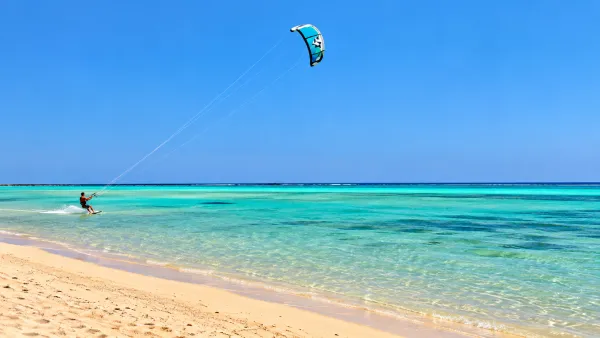
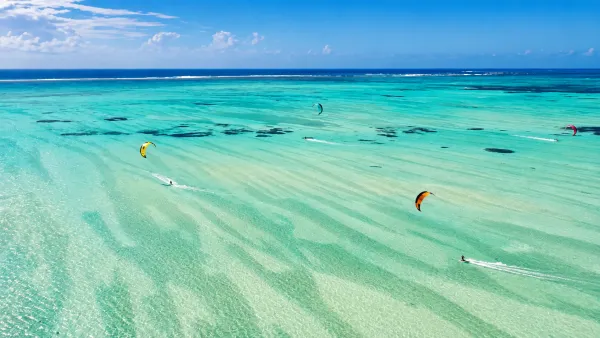
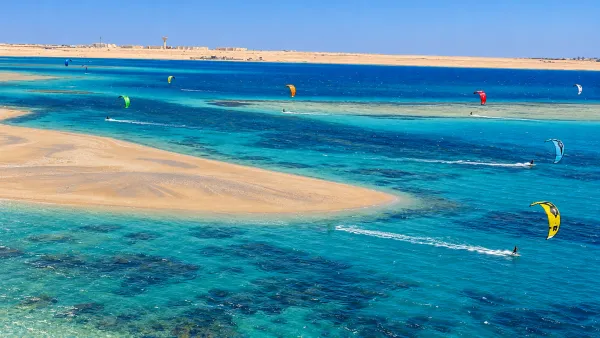
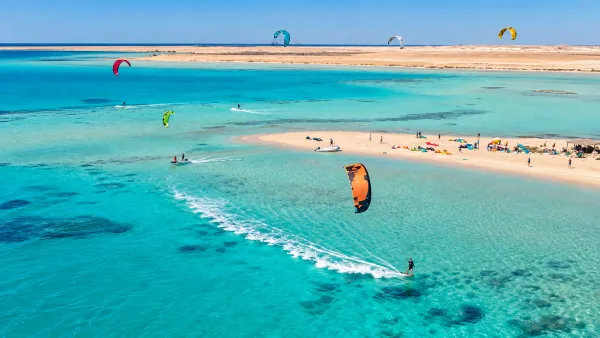
The Blue Lagoon near Marsa Alam is a spectacular kitesurfing location on Egypt's southern Red Sea coast, renowned for its turquoise waters, coral reefs and remarkable marine environment. Surrounded by desert landscapes and the rugged coastline of the Eastern Desert, this sheltered lagoon offers an attractive combination of clear water, beautiful scenery and opportunities for flat-water freeriding. Unlike the Blue Lagoon near Dahab in the Sinai Peninsula, the Marsa Alam area is characterised by extensive fringing reefs and coastal lagoons, where suitable riding conditions depend on the specific beach, reef configuration and authorised access points.
The region benefits from the predominantly northerly and northwesterly winds that affect much of Egypt's Red Sea coastline. These winds can provide enjoyable kitesurfing conditions during different periods of the year, with spring, summer and autumn generally offering attractive opportunities. Depending on the orientation of the lagoon and the surrounding reef, the wind may arrive side-shore or cross-shore, although local variations and occasional offshore components are possible. Wind strength can change throughout the day, and stronger episodes may produce demanding conditions even inside sheltered waters. Riders should check local forecasts and confirm the wind direction at the actual launching area before entering the water.
One of the main attractions of the Blue Lagoon is its protected water environment. The surrounding reef formations reduce the impact of larger Red Sea waves, creating areas of relatively smooth water that are particularly enjoyable for freeriding and practising manoeuvres. During lighter winds, the lagoon can offer flat or gently rippled surfaces, while stronger winds generate short chop across more exposed sections. The combination of clear water and sheltered conditions can be particularly appealing to intermediate riders looking to improve their technique. However, the presence of reefs and shallow coral formations means that the lagoon should not automatically be considered a beginner-friendly location.
Water depth varies significantly across the lagoon, with shallow sandy patches, deeper channels and coral formations creating a complex underwater environment. Tidal changes can expose reef sections or reduce the depth above submerged obstacles, making some areas unsuitable for riding at low tide. Even where the water appears deep enough, coral heads may lie just below the surface and present a serious hazard during falls, jumps or board recovery. Riders should avoid standing on coral, maintain a safe distance from reef formations and follow established navigation routes wherever they exist. Hydrofoiling requires particular caution because of the limited depth in some sections.
The marine environment is one of the defining features of kitesurfing near Marsa Alam. The Red Sea supports a remarkable diversity of tropical fish, rays and other marine species, and riders may occasionally observe wildlife in the clear waters beneath them. Reef sharks can also inhabit the wider region, although sightings should not be expected during every session. Wildlife encounters are generally an opportunity for observation rather than a specific attraction to pursue while riding. Kitesurfers should avoid disturbing marine animals, entering protected reef zones or dragging equipment across sensitive coral habitats. Respecting environmental restrictions is especially important along this ecologically valuable coastline.
Launching and landing conditions depend on the particular section of shoreline. Some areas offer sandy beaches suitable for preparing equipment, while others are bordered by rocks, coral rubble or shallow reef platforms that can make access difficult. The available space may be limited by natural obstacles, environmental protection rules or designated swimming areas. Riders should identify a safe launching location, assess the wind angle and confirm that kitesurfing is permitted before setting up. Dedicated rescue services and kite infrastructure should not be assumed to be available, particularly at remote coastal locations. Independent riders should have reliable upwind skills, self-rescue experience and an appropriate safety plan.
The Blue Lagoon near Marsa Alam is best approached by intermediate and experienced kitesurfers who are comfortable navigating shallow reef environments and changing wind conditions. When the wind and water depth are suitable, the sheltered lagoon can provide enjoyable opportunities for freeriding, practising transitions and exploring smooth-water sections. Beginners should only consider riding with qualified local supervision in a clearly identified, authorised and obstacle-free training area. Strong winds, submerged coral and restricted launching space can make certain sections unsuitable for inexperienced riders, regardless of how calm the water appears.
For riders searching for kitesurfing in Marsa Alam, Blue Lagoon kite spots in Egypt or sheltered Red Sea kitesurfing locations, this coastal environment offers a distinctive combination of clear turquoise water, seasonal northerly winds and protected lagoon conditions. Its greatest appeal lies in the contrast between smooth-water riding areas and the spectacular surrounding reef landscape. However, the exact location of authorised kite zones, environmental restrictions and local rescue arrangements should be confirmed with a knowledgeable operator before travelling. With suitable conditions and careful respect for the fragile marine ecosystem, the Blue Lagoon area can provide a memorable kitesurfing experience along Egypt's southern Red Sea coast.
Something missing or out of date at this spot? Suggest a correction
Spot Gallery (10)


Blue Lagoon Marsa Alam is best suited for
Spot profile
Travel spot
The typical kite travel destination, it is known for its great conditions, and kiters from around the world come here for their vacations.
Family spot
Located in an area that offers amenities for all the family and can provide good alternatives for everyone when the kiters are in the water.
Equipment
Wet suit all year round. In the summer season, shorty can be an option.
Protective shoes are a must to enter the water due to the presence of a sharp reef close to the shore.
Wind Conditions
Main wind directions at Blue Lagoon Marsa Alam
Windy days per month in Blue Lagoon Marsa Alam
Wind Speed Range
From 12 to 30 Knots
Suggested sizes
7 mt and below
8 - 9 mt
10 - 11 mt
12 - 13 mt
14 mt and above
Forecast on Windy.com
Kitesurfing Safety & Local Rules at Blue Lagoon Marsa Alam
The main hazard at the Blue Lagoon is the presence of sharp coral reefs near the water entrance and in several shallow sections of the lagoon. Contact with coral can cause serious cuts and injuries, particularly during falls or when walking through shallow water. Protective water shoes are strongly recommended.
Entering and exiting the water requires particular attention, as submerged reef formations may be difficult to identify from the surface. Use designated access channels where available and avoid dragging equipment across coral. Always check water depth before launching, especially when tidal changes expose additional shallow areas.
While riding, maintain a safe distance from reef patches and avoid jumping or performing powered manoeuvres above shallow coral. Falling onto the reef can cause injuries and damage kiteboarding equipment. Familiarise yourself with the lagoon's layout before heading out, and respect the fragile marine environment by avoiding contact with living coral.
Location
Closest City
Marsa Alam
How to get There
From Marsa Alam airport head south on coastal road 65 for 90 km and you can get to the spot close to Floriana touristic settlement. From Marsa Alam village it is only a 25 km drive.
Access
The access can be through small road siding the tuoristic settlements. If you stay in one of them you have direct access to the beach spot.
No-Wind Days: What to Do Around Blue Lagoon Marsa Alam
Beyond kitesurfing, the Blue Lagoon near Marsa Alam offers an exceptional opportunity to discover the natural beauty of Egypt's southern Red Sea coast. This region is famous for its crystal-clear waters, colourful coral reefs, desert mountains and relatively undeveloped coastline. Unlike the busier resorts of Hurghada or Sharm El Sheikh, tourism around Marsa Alam is concentrated mainly in beachfront resorts and small coastal settlements, creating a peaceful atmosphere ideal for relaxation and outdoor adventures. For a kitesurfing trip with non-kiters or a family holiday on Egypt's Red Sea coast, the area offers a wonderful combination of marine activities, desert excursions and comfortable resort facilities.
One of the greatest attractions around Marsa Alam is the extraordinary underwater environment of the Red Sea. The region is internationally recognised for its coral reefs, tropical fish, sea turtles and occasional encounters with larger marine species. Snorkelling and scuba diving are among the most popular activities, with numerous resorts and diving centres organising excursions to nearby reefs and offshore dive sites. Visitors can explore colourful coral gardens, observe reef fish and discover the remarkable biodiversity of the southern Red Sea. Beginners can join supervised introductory diving experiences, while certified divers have access to more demanding sites. To protect the fragile marine environment, visitors should avoid touching coral, standing on reefs or disturbing wildlife.
One of the most famous snorkelling destinations in the region is Abu Dabbab Bay, a beautiful sandy bay known for its extensive seagrass meadows and resident green sea turtles. Visitors can often observe turtles feeding in relatively shallow water, making it a memorable experience for snorkellers and underwater photographers. The bay is also associated with occasional sightings of dugongs, although encounters with these rare marine mammals are unpredictable and should never be expected. Its sandy beach and generally accessible swimming areas make Abu Dabbab particularly attractive for families and non-divers, provided sea conditions are suitable. Guided snorkelling excursions are available through local operators, and visitors should follow responsible wildlife-viewing practices.
Another spectacular destination is the Samadai Reef, commonly known as Dolphin House, located offshore from Marsa Alam. This horseshoe-shaped reef is famous for its association with spinner dolphins, which use parts of the area for resting and social activity. Organised boat excursions provide opportunities to snorkel around designated sections of the reef and observe the marine environment. Dolphin sightings are not guaranteed, and strict conservation rules regulate visitor activities to reduce disturbance to the animals. Choosing an operator that respects these regulations is essential. The excursion also offers beautiful views of the Red Sea coastline and opportunities to discover colourful coral formations and tropical fish.
For nature lovers, Wadi El Gemal National Park is one of the most remarkable attractions in southern Egypt. Located south of Marsa Alam, this extensive protected area includes desert mountains, coastal plains, mangrove habitats, offshore islands and coral reefs. Visitors can join guided excursions through the desert landscape, discover traditional settlements and observe the region's distinctive wildlife. The park is particularly interesting for its combination of marine and terrestrial ecosystems, offering opportunities for hiking, birdwatching, photography and learning about local cultural traditions. Some excursions include visits to coastal mangroves or desert valleys, while longer tours explore remote landscapes away from the main resort areas. More information about Egypt's protected natural heritage is available through the Egyptian Environmental Affairs Agency.
The desert surrounding Marsa Alam provides a fascinating contrast to the turquoise waters of the Red Sea. Organised excursions can include jeep safaris, guided quad-bike tours, camel rides and visits to traditional Bedouin-style camps. The Eastern Desert is characterised by rugged mountains, rocky valleys and vast open landscapes that become particularly beautiful during sunset. Evening excursions may include traditional meals, cultural presentations and opportunities for stargazing under the clear desert sky. Visitors should choose reputable operators that follow appropriate safety procedures and respect local communities and protected environments. During summer, excursions are best scheduled outside the hottest hours of the day.
For visitors interested in Egyptian history, the wider Eastern Desert contains fascinating archaeological sites connected to ancient trade routes and mineral extraction. One particularly interesting destination is the ancient emerald-mining region of Mons Smaragdus, associated with the Roman exploitation of precious stones in the Eastern Desert. Reaching remote archaeological areas requires specialised transport, experienced guides and, where applicable, official permissions. Another option for travellers with more time is an organised excursion to Luxor, where extraordinary monuments such as Karnak Temple, the Valley of the Kings and the Temple of Hatshepsut reveal the achievements of ancient Egyptian civilisation. Because Luxor is a substantial journey from Marsa Alam, an overnight excursion is generally more comfortable than a rushed day trip. Visitors can explore Egypt's historical attractions through the official Egyptian monuments website.
For visitors who prefer a relaxing holiday, the resorts around Marsa Alam offer a wide range of facilities and services. Many beachfront hotels feature swimming pools, private beaches, restaurants, spas, fitness centres and organised entertainment. Some resorts also provide children's clubs, playgrounds and family-friendly activities, making the destination suitable for visitors travelling with children. The relatively isolated location of many hotels means that most restaurants, shops and recreational facilities are concentrated within the resort complexes, so choosing accommodation with the desired services is particularly important. Port Ghalib, near Marsa Alam International Airport, offers an alternative setting with a marina, waterfront restaurants, cafés and shops, making it a pleasant place for an evening excursion.
Food and accommodation in the Marsa Alam region are largely centred around beachfront resorts, ranging from comfortable mid-range hotels to luxury all-inclusive properties. International cuisine is widely available, while many establishments also serve traditional Egyptian dishes such as grilled kofta, rice dishes, falafel, mezze and freshly prepared seafood. Visitors staying in resort areas can enjoy organised excursions, spa treatments and evening entertainment without travelling far. Independent travellers should plan transport carefully, as distances between resorts, beaches and attractions can be considerable. For additional travel inspiration and practical information, the official Egyptian tourism website provides an overview of destinations and experiences throughout the country.
For anyone planning a kite trip to the Blue Lagoon in Marsa Alam and wondering what else there is to do, Egypt's southern Red Sea coast offers an exceptional combination of marine wildlife, desert landscapes and relaxation. A no-wind day can include snorkelling with sea turtles at Abu Dabbab, joining a guided excursion to Samadai Reef, exploring Wadi El Gemal National Park, enjoying a desert sunset safari or relaxing at a beachfront resort. With its beautiful coral reefs, comfortable accommodation and numerous activities for a non-kiting partner or family, the Marsa Alam region is an outstanding destination for combining kitesurfing with underwater adventures and a peaceful Red Sea holiday.
Other kitesurfing spots near Blue Lagoon Marsa Alam
All kitesurfing spots in Egypt
Last updated: