
Kitesurfing in El Cujo
Cancun · Mexico
- Spot type Chop
- Rider level beginner
- Water Crystal Clear
- Beach Sand
- Crowd Few people
- Tide effect None
Kitesurfing in El Cujo: Conditions, Wind & Season
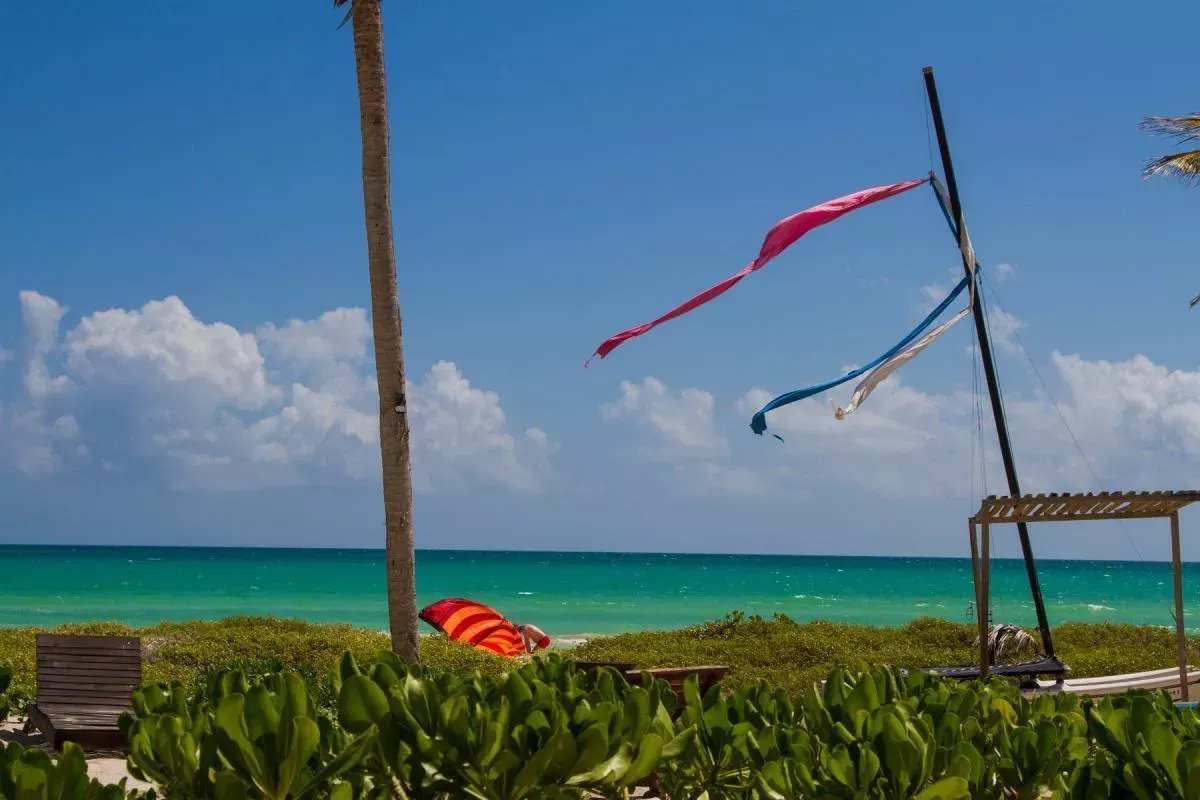
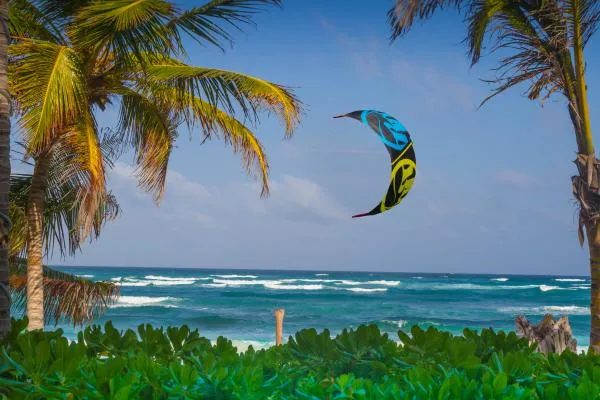
El Cuyo is an increasingly popular kitesurfing destination on the northern coast of the Yucatán Peninsula in Mexico, situated near the Ría Lagartos Biosphere Reserve, approximately two hours from Cancún and within reach of Tulum, Playa del Carmen and Mérida. This small fishing village offers a relaxed alternative to the busier kiteboarding destinations of the Mexican Caribbean, with long white-sand beaches, shallow turquoise water and a largely undeveloped coastline. Its combination of accessible launching areas, favourable seasonal winds and relatively uncrowded riding conditions makes El Cuyo particularly attractive for freeriding, freestyle progression and learning to kitesurf.
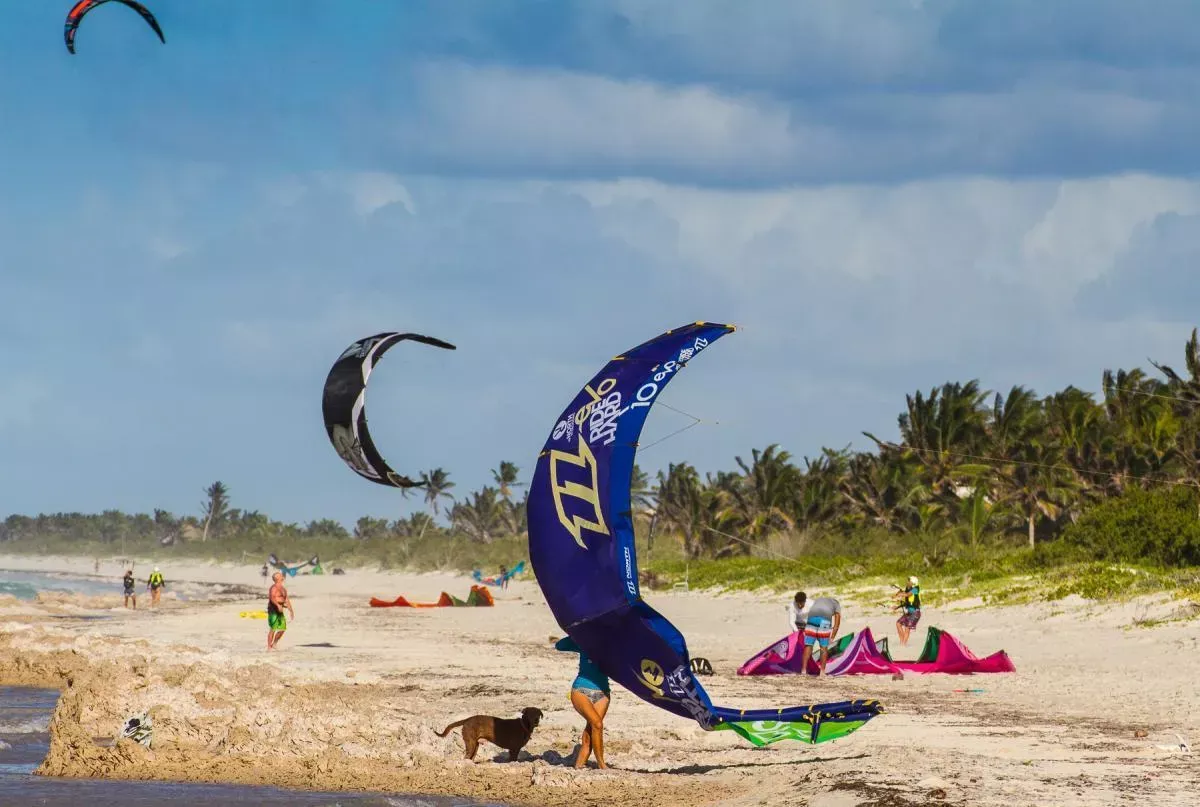
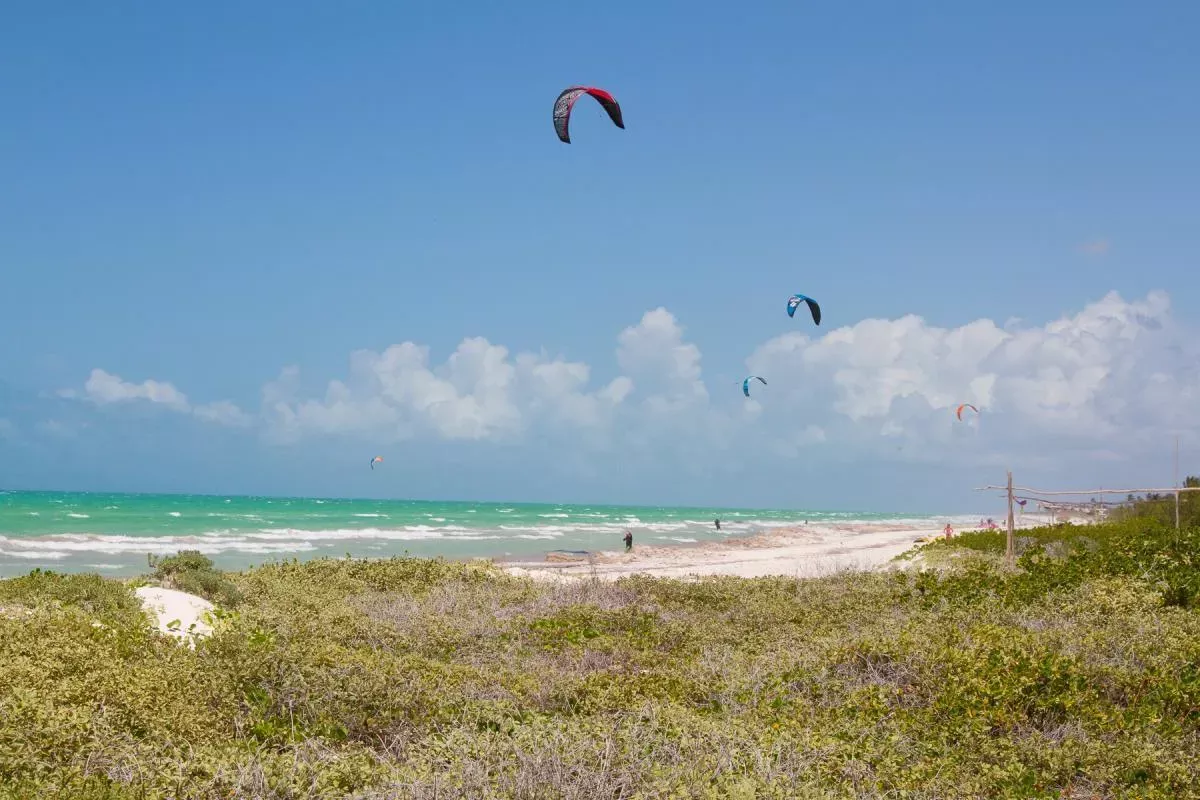
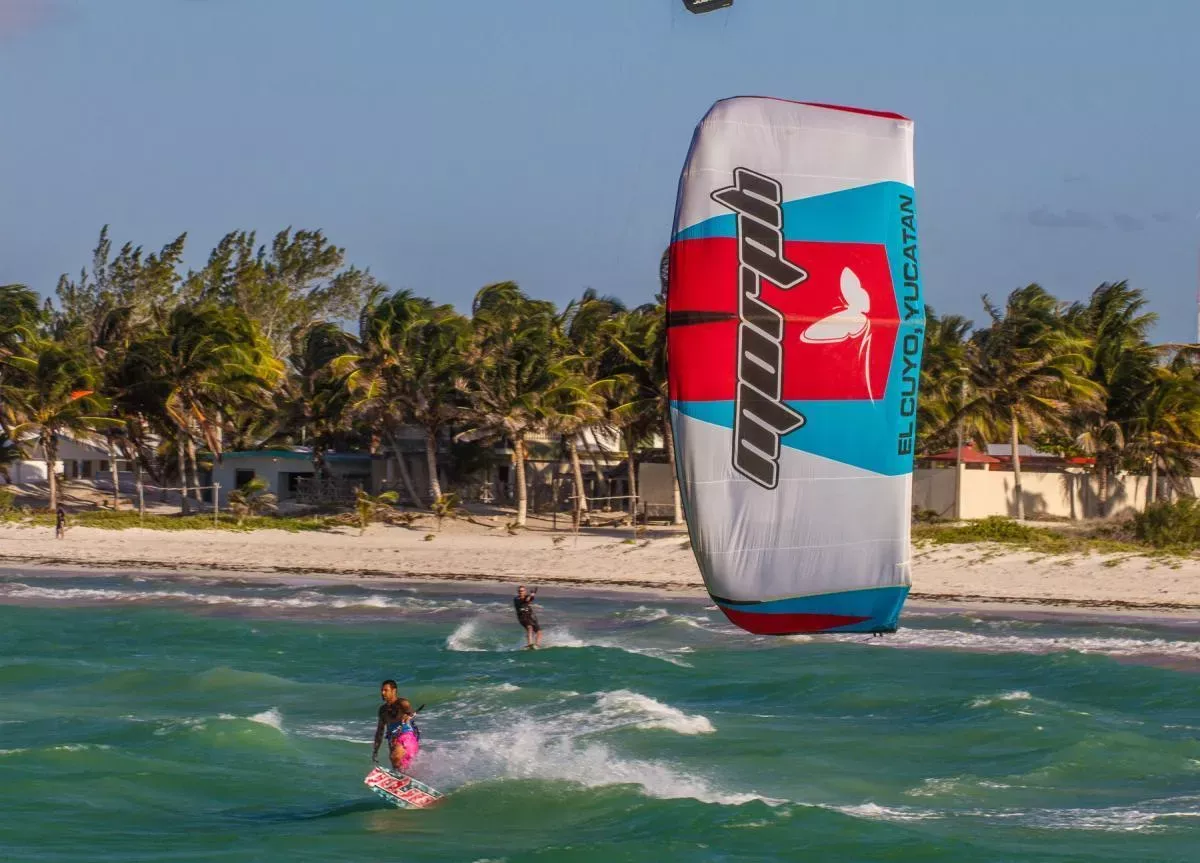
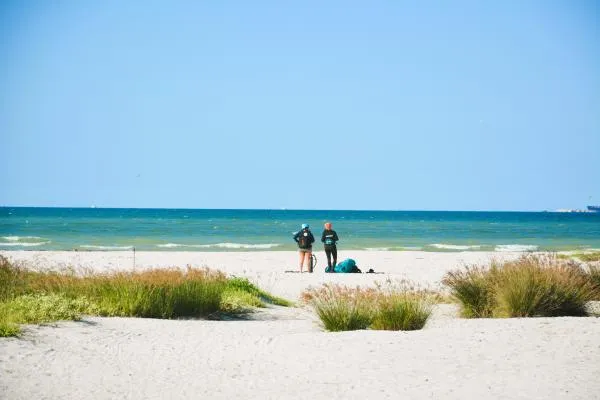
The main kitesurfing area extends along El Cuyo's broad sandy shoreline, where the shallow coastal waters provide a welcoming environment for riders of different abilities. The beach offers generous space for setting up equipment, launching and landing, although the available width varies with the tide and local conditions. Unlike enclosed flat-water lagoons, El Cuyo faces the open Gulf of Mexico, meaning that wind-generated chop and small waves can develop when the breeze strengthens. During lighter winds, the water close to shore can be relatively smooth, while stronger conditions create a more dynamic surface suitable for freeriding and practising basic jumps. The sandy bottom is generally forgiving, but riders should remain aware of changing depths and occasional submerged obstacles.
Wind is the main reason kitesurfers travel to El Cuyo. The most favourable season generally runs from November through May, with particularly good opportunities during the winter and spring months. During this period, regional easterly and northeasterly airflow combines with local sea-breeze effects to produce regular kiteboarding conditions. Spring is often especially appealing because daytime heating can reinforce the prevailing breeze, creating enjoyable afternoon sessions. Winter cold fronts, locally known as *nortes*, can also generate stronger winds, although these may arrive with gusts, changes in direction and rougher water. Summer is generally less reliable, with lighter breezes and a greater dependence on daily thermal development.
Typical rideable winds at El Cuyo are often reported in the approximate 10–25 knot range, although actual conditions vary considerably with the season and weather pattern. On favourable days, the breeze may begin building during the late morning and become more established through the afternoon, sometimes continuing until sunset. However, the wind is not exclusively thermal, and it should not be assumed that a weak forecast will always turn into a strong session. Regional pressure systems, sea-breeze circulation and passing fronts all contribute to the local wind regime. Riders should check current forecasts and observations before selecting their equipment, particularly when stronger northerly winds are expected.
Water conditions make El Cuyo versatile for several kitesurfing disciplines. The shallow sandy areas and relatively manageable chop are well suited to freeriding, transitions and improving board control. On smoother days, freestyle riders can practise jumps and technical manoeuvres, while stronger winds offer opportunities for more powered riding. Small wind-generated waves may also provide natural ramps for twin-tip riders, although El Cuyo is not primarily a dedicated wave-kitesurfing destination. Hydrofoil kitesurfing can be possible farther offshore where sufficient depth is available, but shallow sections near the beach require careful navigation to avoid striking the bottom with the foil mast.
El Cuyo is widely considered an appealing location for beginner and intermediate kitesurfers, particularly when the wind is moderate and the water conditions are manageable. The sandy shoreline provides practical space for lessons, and the absence of large, powerful ocean surf during typical conditions can make early progression less intimidating. However, beginners should always learn with qualified instructors rather than attempting independent sessions. The water is not uniformly shallow, and wind direction, currents and chop can change throughout the day. During strong nortes or gusty weather, conditions may become unsuitable for students and less experienced riders, even when the beach itself remains accessible.
Launching and landing are generally straightforward thanks to the long, open beach, but riders must still select a suitable area away from swimmers, beach visitors, fishing equipment and other obstacles. The coastline's orientation means that some wind directions can create offshore or cross-offshore conditions, which should be avoided without reliable rescue support. Although El Cuyo is less crowded than major international kite destinations, the number of riders can increase during the peak season, especially near established kite schools. Maintaining adequate spacing between kites and respecting designated teaching areas helps keep the beach safe and accessible for everyone.
Several local kitesurfing schools and operators provide lessons, equipment rental and assistance with selecting suitable riding areas, making El Cuyo more accessible than many remote spots along the Yucatán coast. Facilities remain relatively modest compared with larger kiteboarding centres, so visitors should confirm equipment availability, lesson schedules and rescue arrangements in advance. The beach is generally easy to reach from the village, allowing riders to prepare equipment close to the water without complicated transfers. The warm tropical climate means that boardshorts or a swimsuit are sufficient for much of the year, although a light wetsuit can be useful during cooler winter nortes or prolonged sessions in strong wind.
The main safety considerations at El Cuyo include changing wind direction, stronger gusts during cold fronts, shallow sandbanks and occasional currents along the coast. Riders should pay particular attention to offshore winds, which can make returning to the beach difficult, and avoid entering the water during thunderstorms or rapidly deteriorating weather. The nearby Ría Lagartos Biosphere Reserve is an environmentally sensitive area, so kitesurfers should respect local regulations and avoid disturbing protected wildlife or entering restricted habitats. Staying within established riding zones and following guidance from local kite schools is the most practical approach for visiting riders unfamiliar with the coastline.
For anyone searching for kitesurfing in El Cuyo, the best kiteboarding spots in Yucatán or an alternative to the busier beaches around Cancún and the Riviera Maya, this coastal village offers an attractive balance of seasonal wind reliability, spacious sandy beaches and varied riding conditions. Its strongest appeal is the opportunity to enjoy relaxed freeriding and steady progression in a relatively uncrowded environment, with suitable conditions for both beginners and experienced kiters. While the wind is not guaranteed every day and stronger weather systems can create more demanding sessions, El Cuyo has become one of Mexico's appealing emerging kitesurfing destinations for riders seeking warm water, open beaches and a laid-back kiteboarding atmosphere.
For further info you can read the related blogpost:
El Cuyo: the new Kite Mecca to go kiting in the Yucatan Peninsula
"An impressive thermal effect of the flat of Yucatan, grants this spot with incredibly steady winds."
Something missing or out of date at this spot? Suggest a correction
Spot Gallery (10)




El Cujo is best suited for
Spot profile
- Travel spotA proven kite destination with reliable conditions, worth a trip. Kiters fly in from all over the world for their kite holidays, and you will probably find schools, rentals and a lively kite scene nearby.
- Adventure spotFar from the tourist trail, this is a spot you have to earn. The journey is part of the adventure, and at the end you find empty water, wild scenery and the feeling of having discovered a secret few kiters know.
- Local spotNot worth a long trip, but a great option if you live nearby and the wind is on. Ideal for a quick session after work or a spare afternoon, without planning a whole trip.
Equipment
Lycra to protect from the sun. Occasionally a shorty in the winter season.
Wind Conditions
Main wind directions
Windy days per month
Share of the days with more than 10 knots.
Wind speed range
12 - 25 knots
Calculate your kite size
Estimate for a rider of your weight at El Cujo: kite size = weight / wind speed x 2.2, adjusted for the kite shape and aspect ratio. Board, skills and gusts change the ideal size.
Forecast on Windy.com
Kitesurfing Safety & Local Rules at El Cujo
El Cuyo is generally a safe and accessible kitesurfing spot, with relatively few significant hazards. However, beachgoers may occasionally wander into launching and landing areas without being aware of the risks posed by flying kites and tensioned lines. Always check that the beach is clear before launching, maintain a safe distance from pedestrians and avoid performing manoeuvres close to the shoreline.
The pier is an important obstacle, and kitesurfing close to it is prohibited. Riders should remain well away from the structure to avoid collisions with its supports or becoming entangled with fishing lines and other equipment. Pay attention to your position along the coast, particularly during longer sessions, and return toward the designated riding area before approaching the restricted section.
Local fishermen regularly use the coastal waters, so boats, fishing lines and nets may present additional hazards. Give fishing vessels plenty of room, avoid crossing areas where nets or lines are deployed and respect the activities of the local fishing community. Staying alert to other water users and following local access rules will help ensure safe sessions at El Cuyo.
How to reach El Cujo
- Closest cityCancun
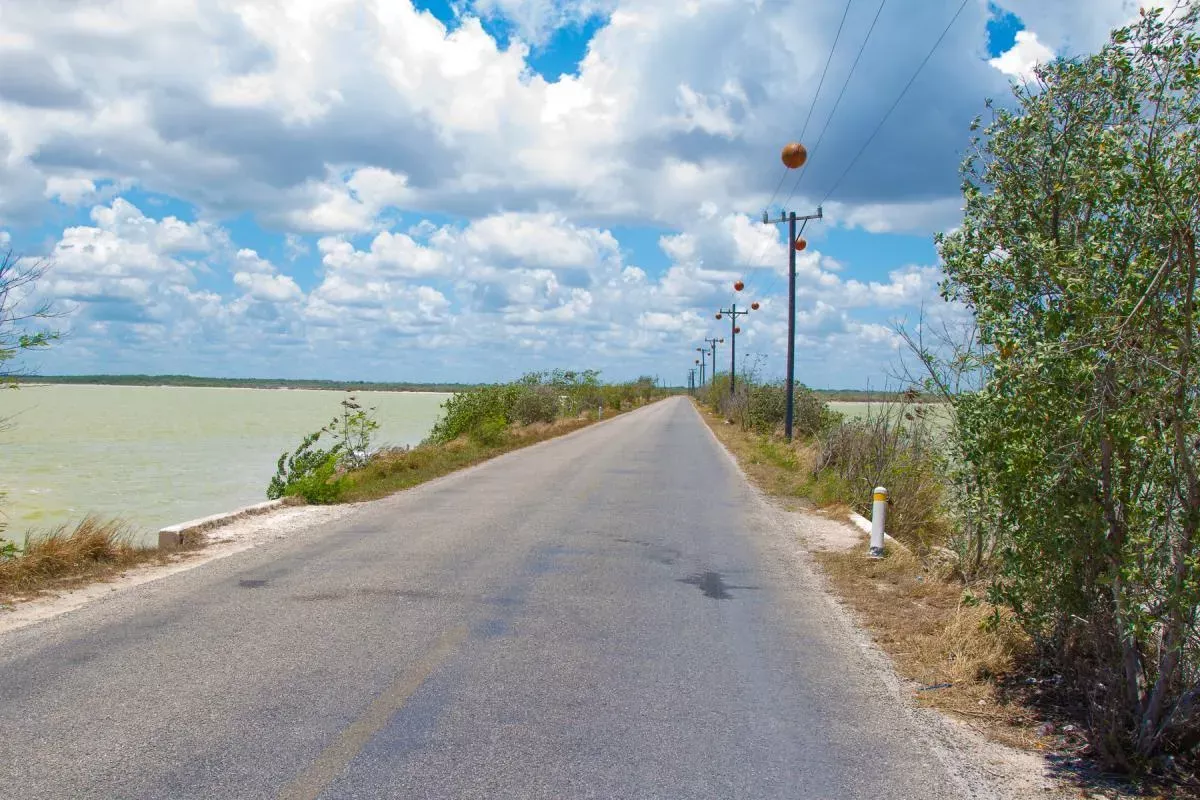
- How to get thereFrom Cancun: Cancun-Villadolid, exit 180D to Qroo 5 to Kantunilkin, then follow for Colonia Yucacatan. In colonia Yucatan follow for El Cujo From Playa del Carmen: take 305D and when reached the Cancun-Villadolid follow the same directions From Tulum: head for Coba on the 109 until Ignacio Zaragoza, then follow for Popolnah an then Colonia Yucatan to El Cujo
- AccessThe spot has many accesses along the long beach. El Cujo is truly a kitesurfing paradise, with shallow waters, steady side shore wind, wide and empty beaches, ideal for downwinders, and beginners.
No-Wind Days: What to Do Around El Cujo
Beyond kitesurfing, El Cuyo offers a peaceful escape on the northern coast of Mexico's Yucatán Peninsula. This small fishing village, situated between the Gulf of Mexico and the coastal wetlands of the Ría Lagartos Biosphere Reserve, is known for its quiet beaches, colourful houses and relaxed atmosphere. Unlike the busy resorts of Cancún and the Riviera Maya, El Cuyo has retained much of its traditional character, making it an attractive destination for travellers seeking nature, tranquillity and authentic Mexican coastal life.
El Cuyo's long sandy beach is perfect for walking, sunbathing and enjoying spectacular sunrises. The coastline remains relatively undeveloped, with only a scattering of small hotels, beach houses and restaurants. Swimming can be enjoyable when conditions are calm, although visitors should remain aware of currents and changing sea conditions. The village itself is pleasant to explore on foot or by bicycle, with colourful streets, small shops and a distinctive lighthouse built on a historic Maya mound.
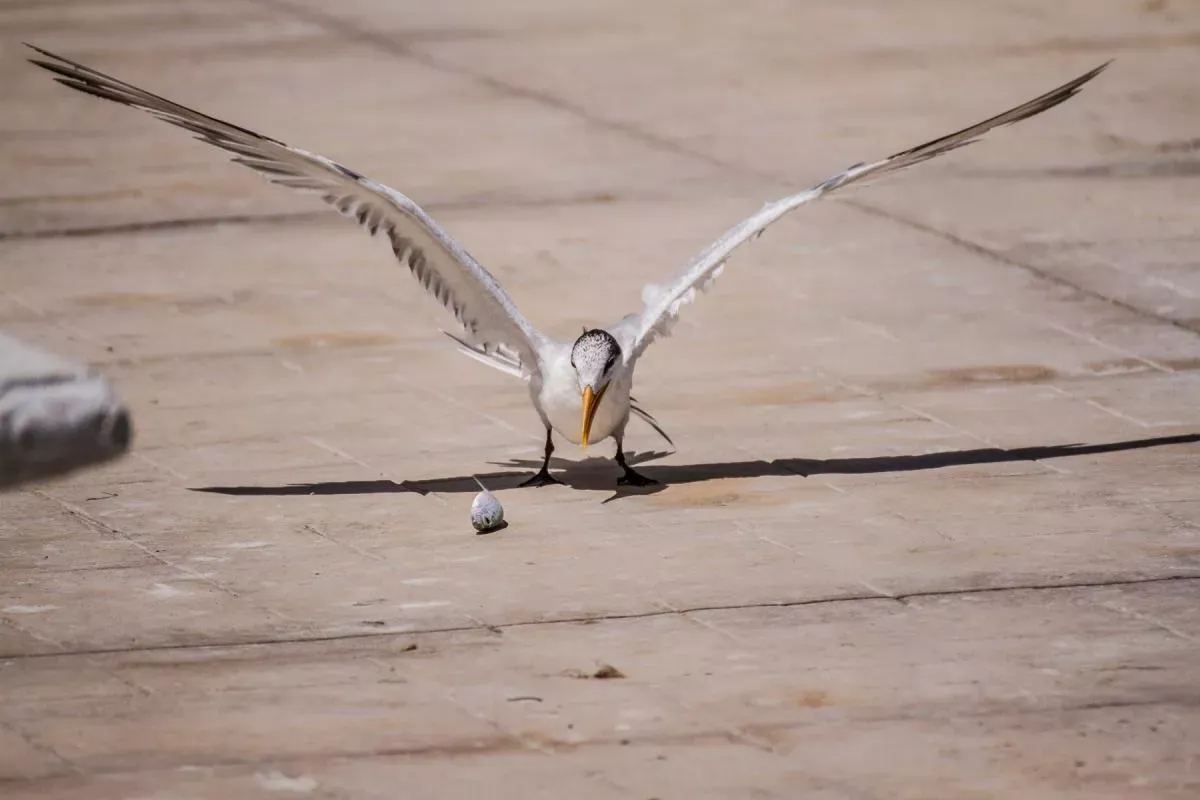
One of the area's greatest attractions is the Ría Lagartos Biosphere Reserve, an extensive protected wetland ecosystem famous for its birdlife, mangroves and coastal lagoons. Guided boat excursions from Río Lagartos offer opportunities to observe flamingos, herons, pelicans and other wildlife in their natural habitat. Flamingo sightings depend on seasonal movements and local conditions. The reserve also provides important nesting habitat for sea turtles, although visitors should only participate in wildlife activities organised by responsible local operators.
Another interesting excursion is Las Coloradas, known for its striking pink salt-production ponds. The unusual colours result from microorganisms and high salt concentrations, creating a distinctive landscape popular with photographers. Access to the salt-production areas is regulated, and visitors should use authorised tours and viewpoints rather than entering restricted zones. A trip to Las Coloradas can be combined with exploring Río Lagartos and its surrounding wetlands.
El Cuyo has a small but growing selection of restaurants and cafés serving fresh seafood, traditional Yucatecan dishes and international cuisine. Local specialities include ceviche, grilled fish, cochinita pibil and regional dishes prepared with traditional spices. The village has a friendly, informal atmosphere, with quiet evenings centred around restaurants and small gathering places rather than large clubs or nightlife venues. Yoga, cycling and simply relaxing in a hammock are popular ways to enjoy a no-wind day.
Accommodation in El Cuyo consists mainly of boutique guesthouses, small beachfront hotels, holiday apartments and private villas. Although the selection has expanded in recent years, large resorts remain uncommon, helping preserve the village's peaceful character. Most properties are within walking or cycling distance of the beach and local restaurants. Facilities such as ATMs, supermarkets and medical services are limited compared with larger tourist destinations, so bringing cash and essential supplies is advisable. Renting a car is useful for visiting nearby attractions, although the village itself is easy to explore without one.
For a kitesurfing trip with non-kiters or a relaxing family holiday in Yucatán, El Cuyo offers a rewarding combination of unspoiled beaches, wildlife excursions and traditional Mexican culture. A no-wind day can include exploring the Ría Lagartos wetlands, photographing the pink salt ponds of Las Coloradas, cycling through the village or enjoying fresh seafood by the beach. Its natural surroundings and unhurried pace make El Cuyo particularly appealing to travellers who value tranquillity over resort-style entertainment.
Local Kitesurfing Schools
Following you can find links to the page of the kitesurfing schools which operate on this spot. From there you can contact them through our form or directly via email or phone (if it was provided by them on the page).


Other kitesurfing spots near El Cujo

All kitesurfing spots in Mexico
Last updated: