
Costa de Caparica
Lisbon - Portugal
Spot Type
Wave
Water
Dark - Clear
Beach
Sand
Rider Lever
beginner
Spot characteristics
Spot Type
Wave
Rider Skill
beginner
Crowd
Seasonal Crowd
Beach Type
Sand
Water Quality
Dark - Clear
Tide Influence
All tide levels with different conditions (chop - flat - wave)
Description of Costa de Caparica (Portugal)
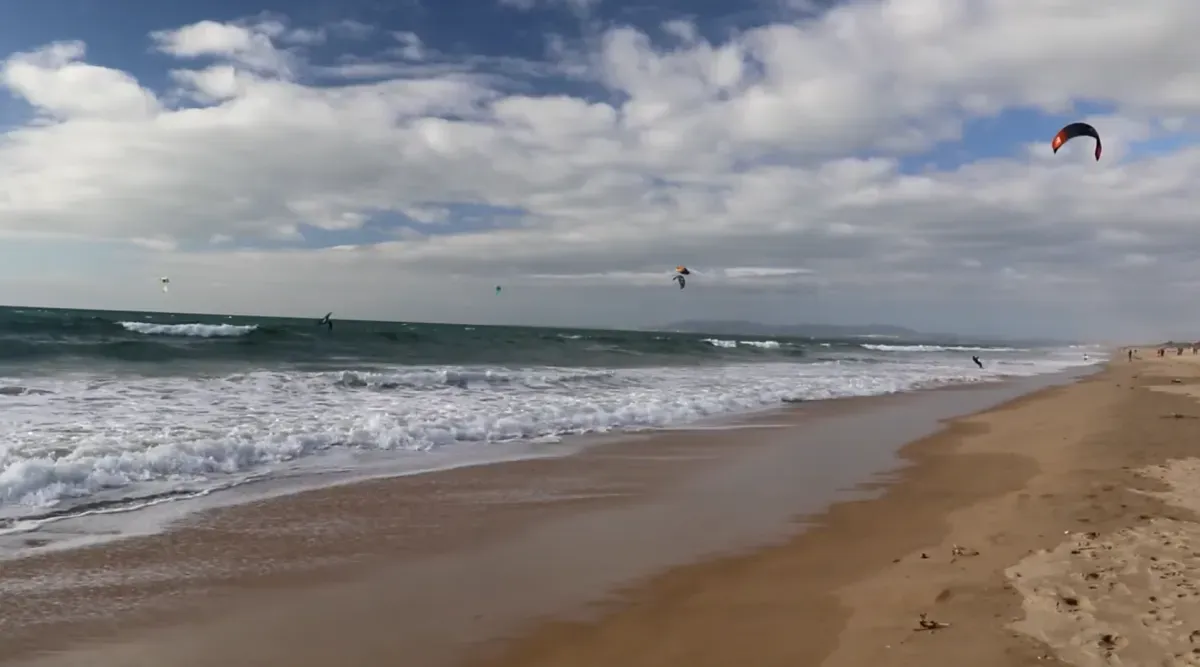
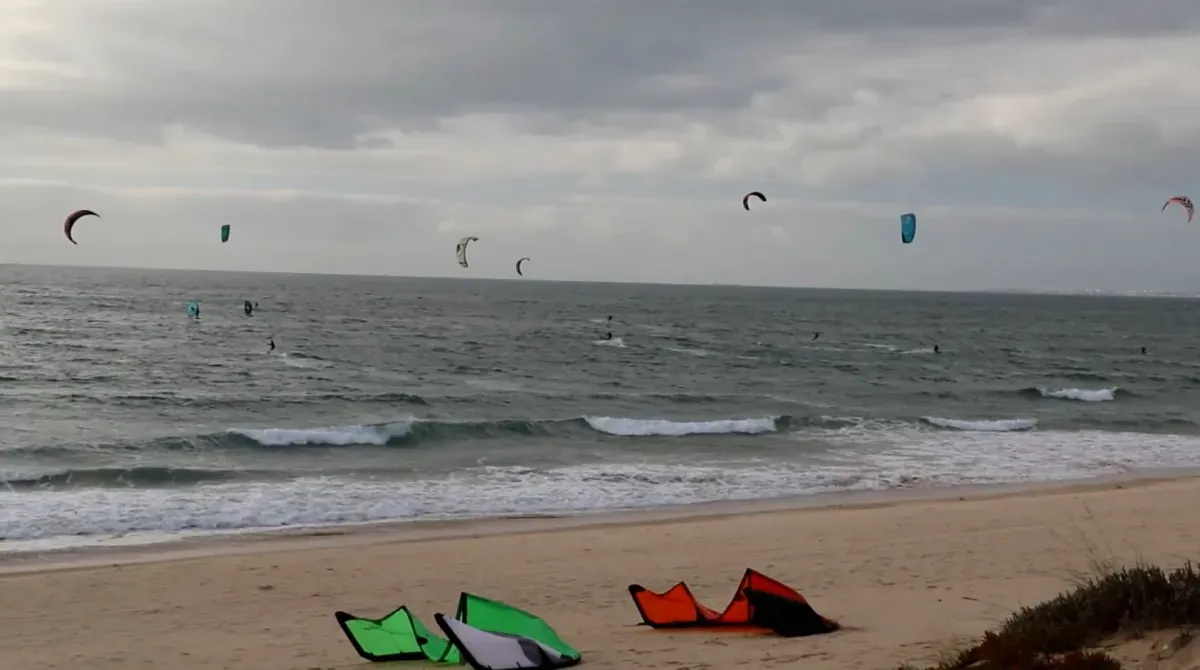
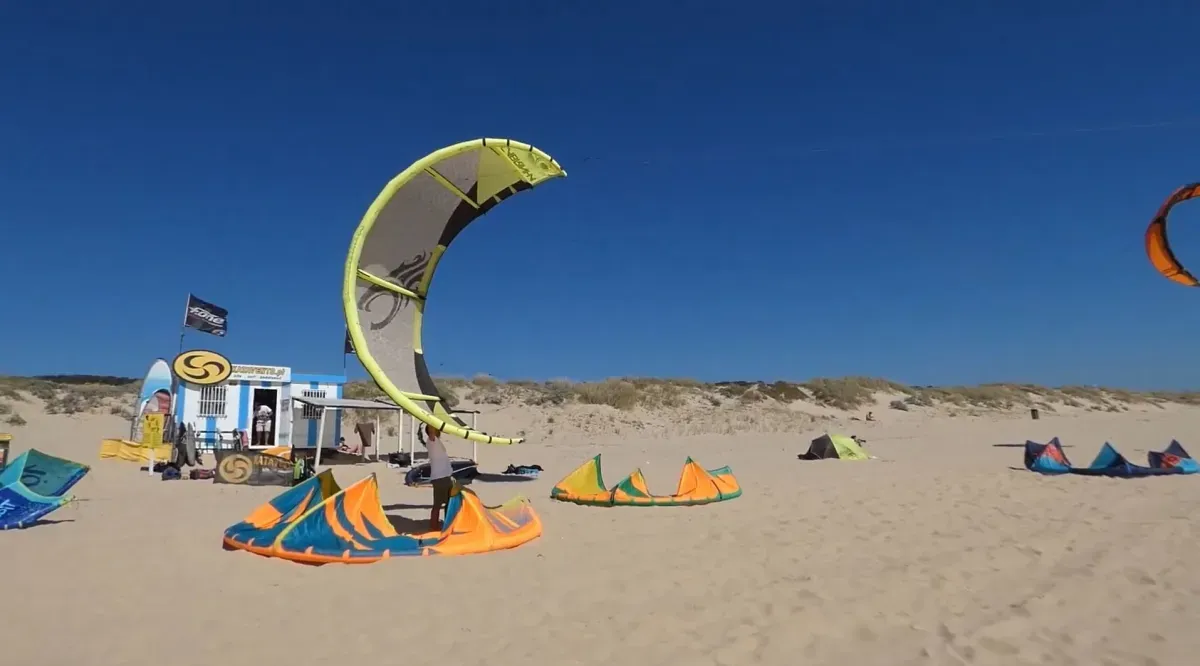
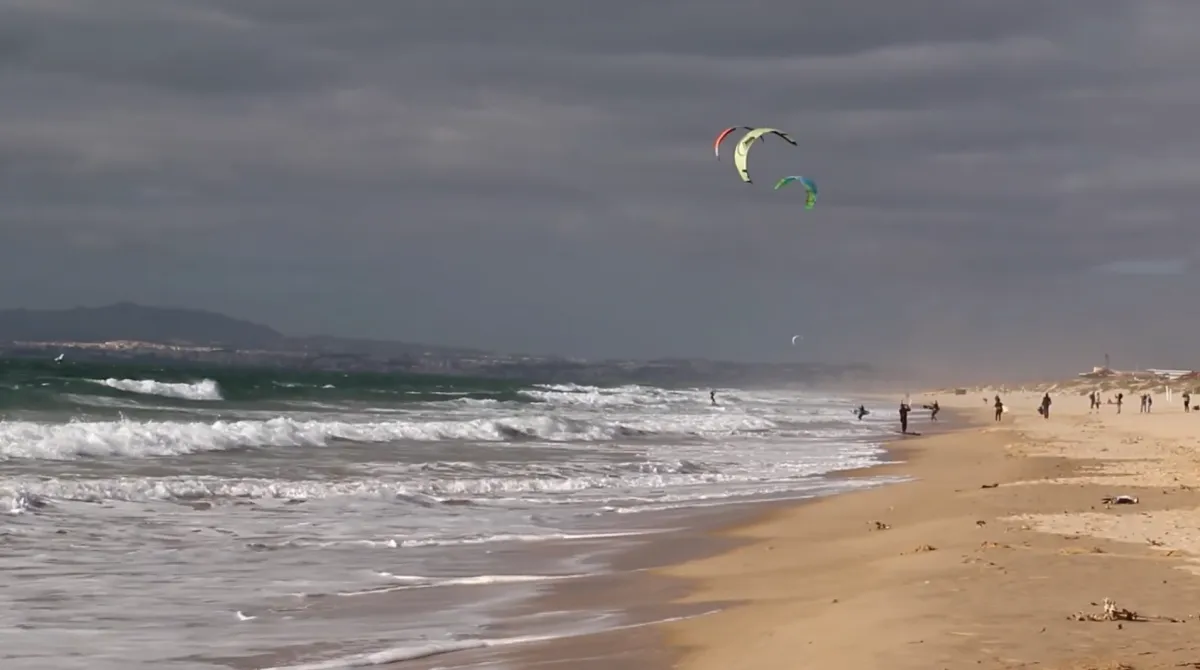
Costa de Caparica sits just south of Lisbon and offers one of the most accessible wave kitesurfing experiences on the Portuguese Atlantic coast. The proximity to the capital means that most riders base themselves in the city and make the 20 minute drive down for sessions, which gives the spot an unusual dual character as both a legitimate kiting destination and a practical local training ground for the Lisbon-based riding community. The wide and long sandy beach provides so much room to launch and land that even on busy summer weekends the space never feels genuinely tight, and the sand bottom removes the underfoot hazards that make other Atlantic spots less forgiving for riders who are still building their confidence.
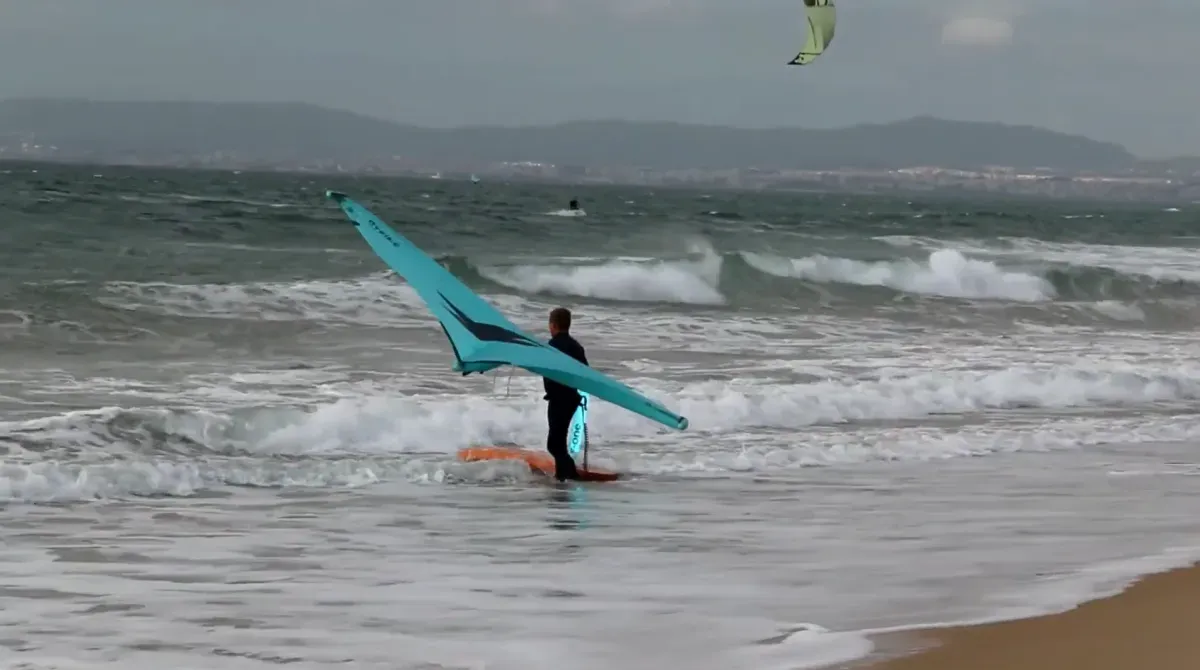
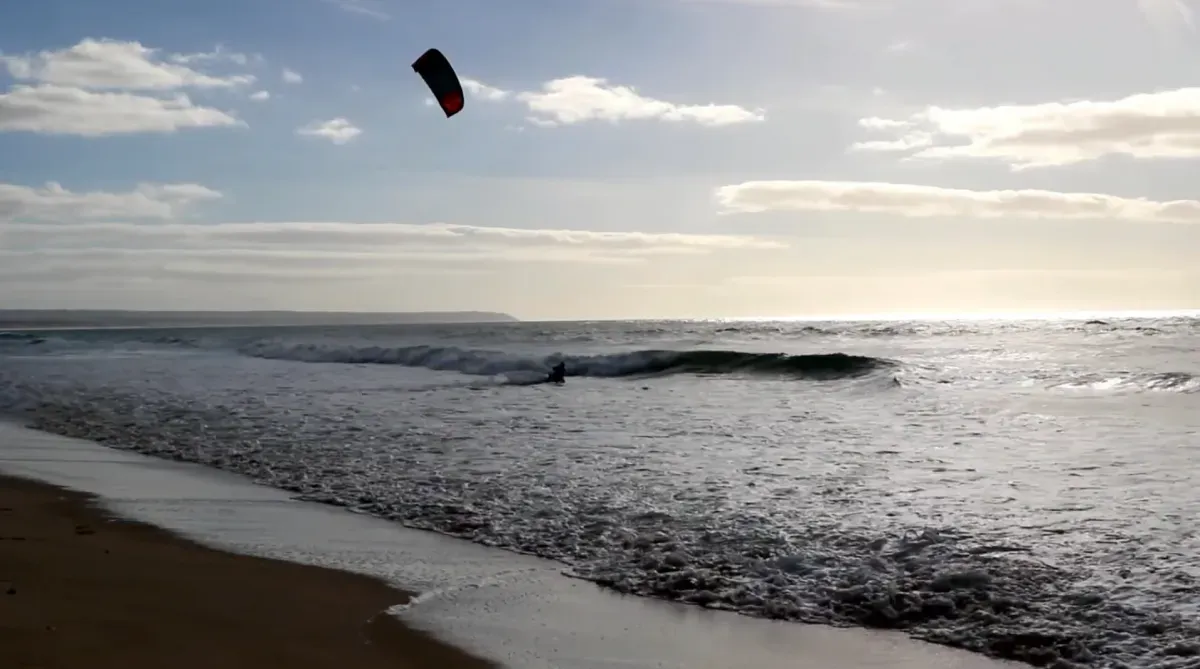
The prime season runs from June through September when the thermal Nortada wind delivers reliable side-onshore conditions from the north and northwest, averaging between 15 and 25 knots depending on the day. Mornings tend to be softer in the 12 knot range, which creates a natural window for beginners working on transitions or riders who prefer building into a session gradually before the wind fills in properly by mid-afternoon. The afternoon punch gives more experienced riders the power they need to boost, and the sections between the jetties where the waves get shaped up consistently attract local freestylers looking for ramps and carving opportunities. The waves break smooth and manageable throughout most of the season, providing enough to work with for practicing pop, edging, and even strapless riding without the intimidation factor of a heavier beach break.
The shoulder months of April, May, and October extend the usable season for riders with flexibility in their timing. Water temperatures climb above 18°C by May, making a shorty or 3/2 wetsuit sufficient through the core summer months, with a full suit becoming more relevant in the deeper shoulder season. The conditions during October and March are less consistent but still produce good sessions when the forecast aligns, and the lower crowds during these periods make the already generous beach feel even more spacious.
A solid community of Lisbon-based riders operates along the strip alongside several established schools offering lessons, rentals, and the kind of local knowledge about daily conditions that is worth tapping into before rigging up for the first time. The atmosphere among riders is relaxed but the standard courtesies apply, particularly around the school take-off zones where spatial awareness and patience keep the lineup functioning smoothly for everyone sharing the water.
Costa de Caparica has a surf town character that has grown around the beach over decades without losing the local flavor that makes it genuinely pleasant to spend time in beyond the sessions. Grilled sardines and fresh octopus are available steps from the sand, and finishing a session at a beachfront cafe with an espresso or a cold Sagres during sunset has become something of a ritual for the regular visitors who have built Caparica into their weekly routine. For non-kiting companions, the beach is family friendly with lifeguards stationed through the summer, bike paths and walking trails through the dunes provide easy outdoor alternatives on lighter wind days, and the Capuchin Monastery on the nearby cliffs is worth the short detour for anyone with an interest in the history of this stretch of coastline. Kayak options are available for days when the wind does not show up, ensuring that a trip to Caparica rarely ends up feeling wasted regardless of what the forecast delivers.
Spot Gallery (6)
Spot best suited for
Spot profile
Travel spot
The typical kite travel destination, it is known for its great conditions, and kiters from around the world come here for their vacations.
Family spot
Located in an area that offers amenities for all the family and can provide good alternatives for everyone when the kiters are in the water.
Local spot
Maybe not be worth a real journey to reach this spot, but great if you live close by and it is a windy day. In the end, being out on the water feels great anywhere
Equipment
During the main season from April to October, water temps sit in the comfortable range, so a 3/2 wetsuit or even a shorty works fine. You won’t need full winter gear at all unless you're hitting it outside the usual wind months. In terms of kites, I’d bring 9m and 12m if you’re an average-weight rider—9m gets you powered in the thermals by July while the 12m is handy for mornings or lighter spring
Wind Conditions
Main wind directions
% of Windy days per month
Wind Speed Range
From 12 to 25 Knots
Suggested sizes
8 - 9 mt
10 - 11 mt
12 - 13 mt
14 mt and above
Forecast on Windy.com
Dangers
While Costa de Caparica is generally a mellow and beginner-friendly spot, there are a few things you’ve gotta watch out for. First off, jetties. The beach has a series of stone jetties running perpendicular to shore—some are obvious, others sneak up when you’re focused on the water. There can be rocks around their bases, especially at low tide, so avoid getting too close. Locals know which jetties are sketchy—if you’re unsure, ask around before heading out.
Then there’s the shared water factor. On small wave days, the spot becomes kiter territory, but when the swell picks up, surfers claim the lineup. Respect the lineup and keep well outside surf zones—especially around the surf schools. Most beef happens when kiters snake waves or crash too close, so give space and everyone stays happy. Launching can get tight near the surf schools, too. Stick to the designated kite zones and avoid flying kites near sunbathers.
Wind can gust unexpectedly, especially during thermal build-up or when cloud systems roll in. It’s mostly a clean breeze, but late afternoons in peak summer can produce strong gusts. If the wind suddenly spikes, depower early and check your trim. Caparica doesn’t get intense offshore currents or rips like some ocean spots, but you still want to keep an eye on your drift, particularly when the tide drops and currents stir around those jetties.
Lastly, beachgoers can fill up the launch area fast in July and August. Get there before midday to avoid squeezing between towels. There are rescue services and lifeguards all summer, but don’t rely on them. Ride with a buddy when you can, and always pack a safety knife and your usual self-rescue plan. Oh—and don’t park overnight by the beach unless you want a fine. Campervans have to move inland after sundown.
Location
Closest City
Lisbon
How to get There
Costa de Caparica is just about 20 minutes from Lisbon city center by car. Best option is to rent a car, especially if you’ve got your own gear, as parking is available close to the beach. There are also buses from Lisbon (TST lines), and in summer a train service plus a seasonal beach tram runs along the coast. Fly into Lisbon Airport and you’re practically already there.
Access
Totally open beach access with no fees for kiters. There are parking lots a short walk from most popular launch spots, and in busy season you’ll want to show up early. Public transport runs regularly from Lisbon, especially during the day, but nothing beats having your own car. Overnighting in campers on the beachfront isn’t allowed, but plenty of inland campgrounds and hostels cater to kiters.
What to do besides kitesurfing
Life off the water at Caparica flows naturally from the sessions themselves. The beachfront promenade stretches along the full length of the beach with dozens of cafe-style spots serving grilled fish, espresso, and pastel de nata at prices that make stopping in after every session an easy habit to develop. End-of-day sessions roll almost automatically into cold beers at one of the beach bars as the sun drops behind the Atlantic, and that transition from the water to a chair on the sand with a drink in hand is one of the more reliably satisfying parts of a day at Caparica.
The town has a practical side that makes staying there for an extended period genuinely comfortable. Surf shops near the beachfront double as kite rental and repair points and are staffed by people who ride and know the local conditions well enough to give useful advice on kite sizing and daily forecasts. Accommodation ranges from budget guesthouses up in the hills to ocean view hotels directly on the front, and using Lisbon as a base and commuting down is a realistic and popular option for those who prefer the broader range of city accommodation and want to treat Caparica as the day destination it effectively is for much of the local riding community. Supermarkets, ATMs, and cafes with solid Wi-Fi connections are all within easy reach of the beachfront, making the practical logistics of a longer stay straightforward without requiring much planning.
For non-kiting companions, the area covers enough ground to keep most people genuinely occupied. Cruiser bike rentals and dune trails provide easy outdoor exploration, beach yoga and surf schools cater to those who want to stay active in the water, and the views from the cliffs near the Capuchin Monastery to the north are worth the effort on a clear day. Kayak rentals fill the no-wind days for riders who want to stay on the water in a different way, and the overall mix of options makes Caparica a practical choice for mixed groups where not everyone is there specifically for the kiting.
Weekends bring a livelier energy to the strip, with DJs appearing at some of the seaside bars and Lisbon locals making the short drive down to combine beach time with the social scene that develops naturally along the promenade. The atmosphere picks up without ever tipping into something that feels out of character with the relaxed beach town identity that defines Caparica through the week. The crowd is a genuine mix of kite tourists, after-work Lisbon riders, and traveling van-lifers who settle in for a week of sessions and slow mornings in a combination that gives the place a social texture that more remote spots cannot replicate.
A couple of practical details worth keeping in mind: natural shade on the beach is limited, so packing water and sun protection for all-day sessions during the peak summer heat is not optional. Checking the tide chart before heading out is equally worth the two minutes it takes, as the jetty sections that produce the best ramp waves and cleanest conditions perform noticeably better at mid to high tide, and timing sessions around that window can make a meaningful difference to the quality of the riding on any given day.