
Kitesurfing in Kalpitiya Main Lagoon
Kalpitiya · Sri Lanka
- Spot type Flat
- Rider level beginner
- Water Dark - Muddy
- Beach Sand
- Crowd Seasonal crowd
- Tide effect None
Kitesurfing in Kalpitiya Main Lagoon: Conditions, Wind & Season
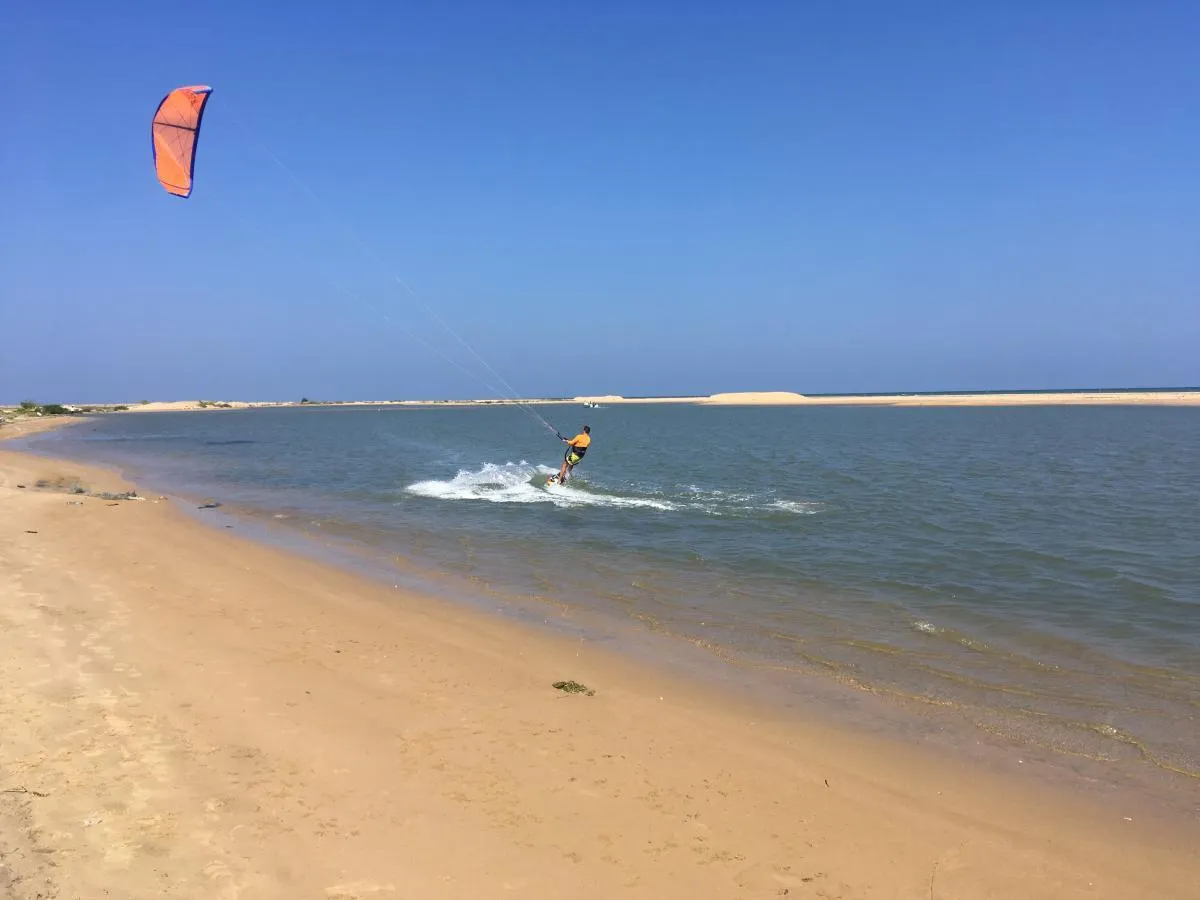
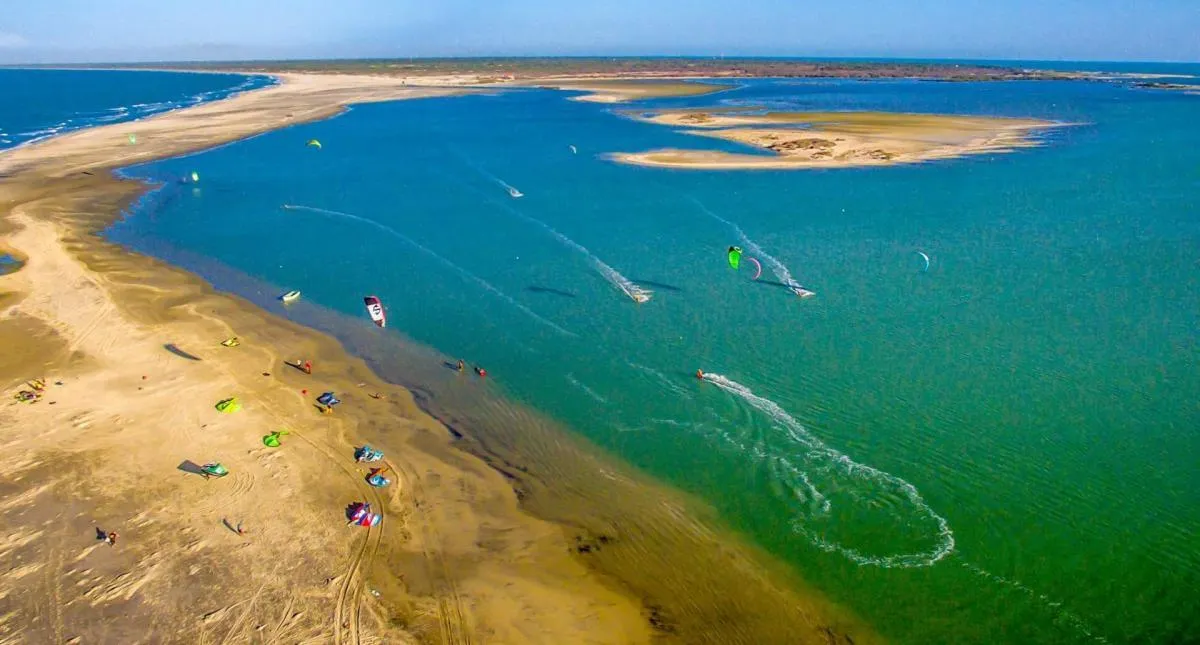
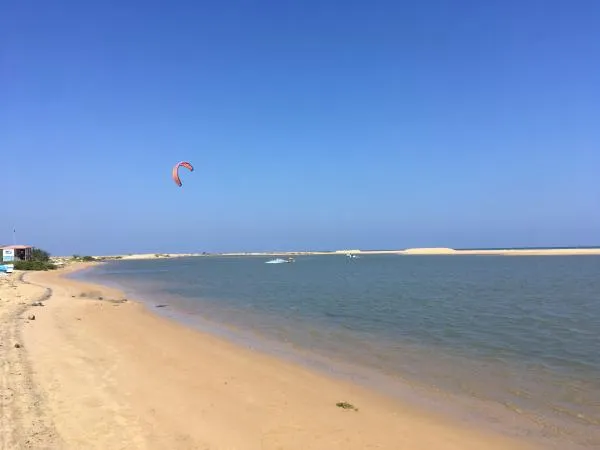
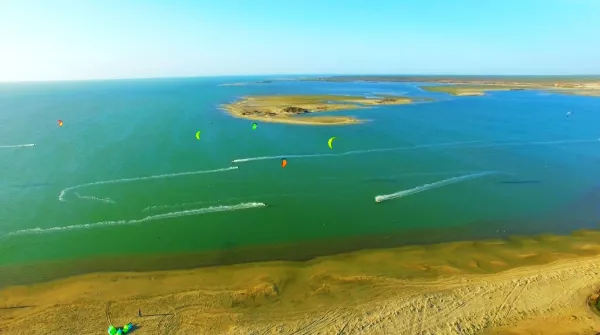
Kalpitiya Main Lagoon is one of Sri Lanka's best-known kitesurfing spots, located on the Kalpitiya Peninsula in Puttalam District, along the country's northwestern coast. Situated near Kalpitiya town and separated from the Indian Ocean by a narrow strip of land, the lagoon offers an extensive area of shallow, predominantly flat water surrounded by sandy shores and low coastal vegetation. It is one of the central locations in Kalpitiya's established kitesurfing scene, attracting beginners, freeriders and freestyle enthusiasts looking for warm water and seasonal monsoon winds. Although the lagoon is accessible during both of the region's principal kite seasons, its orientation and surrounding landforms make wind direction particularly important, with winter often providing cleaner airflow in sections affected by the stronger summer monsoon.
The main attraction of Kalpitiya Main Lagoon is its protected flat-water environment. Unlike the exposed Indian Ocean coastline immediately to the west, the lagoon is sheltered from significant ocean swell, creating conditions that range from nearly smooth water to moderate wind-driven chop. The surface can be particularly flat near sheltered banks, while more exposed sections become choppier as wind strength increases. Its relatively shallow water and broad riding area make it popular for learning, improving board control and practising freestyle manoeuvres. However, the lagoon is not uniformly shallow or perfectly flat, and riders should remain aware of deeper channels, changing water levels and localised wind turbulence.
Kalpitiya has two distinct kitesurfing seasons, driven by Sri Lanka's seasonal monsoon patterns. The summer season generally runs from May through September, when the southwest monsoon produces the region's strongest and most persistent winds. The winter season typically extends from December through February, bringing lighter to moderate northeasterly winds. Both seasons can provide opportunities for riding in the main lagoon, but the wind behaves differently depending on its direction and the surrounding terrain. During summer, the prevailing southwesterly airflow may cross sections of land, vegetation and coastal development before reaching parts of the lagoon, creating gusts and wind shadows. Winter winds can reach certain sections more cleanly, making them particularly attractive for riders seeking smoother, more predictable conditions.
During the winter season, northeasterly winds can provide enjoyable freeriding conditions across the main lagoon. Wind strength is generally more moderate than during the peak summer monsoon, making the season appealing for relaxed cruising, beginner instruction and controlled freestyle progression. The lagoon's shallow water and relatively smooth surface allow riders to concentrate on technique without dealing with ocean waves. Some days may require larger kites or light-wind equipment, while stronger winter wind events can provide more powered sessions. Wind reliability varies, however, and riders should not expect identical conditions every day. Choosing a launching area with clean exposure to the prevailing wind is essential for making the most of the winter season.
The summer season brings stronger winds to Kalpitiya, often creating excellent kitesurfing conditions across the wider peninsula. However, the main lagoon's surrounding landforms can affect the quality of the southwesterly airflow, particularly in sections where the wind crosses the narrow coastal strip before reaching the water. Trees, buildings and uneven terrain may introduce turbulence, producing gusty conditions close to shore or in the lee of obstacles. Some areas can remain rideable during summer, especially farther from the immediate wind shadow, but others may experience inconsistent power or difficult launching conditions. Riders should seek current advice from local kite schools about the best launching points and riding zones for the prevailing wind rather than assuming that the entire lagoon offers equally clean conditions.
Freeriding is one of the main disciplines practised at Kalpitiya Main Lagoon. The broad sheltered water provides opportunities for long reaches, practising transitions, improving upwind performance and developing controlled jumps. Intermediate riders can benefit from the relatively flat surface when progressing toward more technical manoeuvres, while experienced riders may find suitable areas for freestyle practice when wind strength and water depth align. The lagoon's shallow sections can create particularly smooth water, but they also increase the consequences of hard landings. Riders attempting powered freestyle or big-air manoeuvres should select areas with sufficient depth and generous clearance from other kitesurfers. The spot is better suited to flat-water progression than to wave riding, which is available on the ocean side of the peninsula.
Tides influence the depth and accessibility of the main lagoon, although their effects vary across different sections. At higher tidal stages, more shallow areas become submerged, potentially providing additional room for riding and greater clearance for board fins. At lower tide, sandbanks and very shallow sections may become exposed, reducing the usable area and creating hazards for jumps or equipment recovery. The lagoon also contains deeper channels where water movement can be more noticeable, particularly near its connections with the surrounding coastal waterways. Riders should check local tide tables and familiarise themselves with the seabed before launching. The most suitable tidal window depends on the chosen riding area, equipment and experience level.
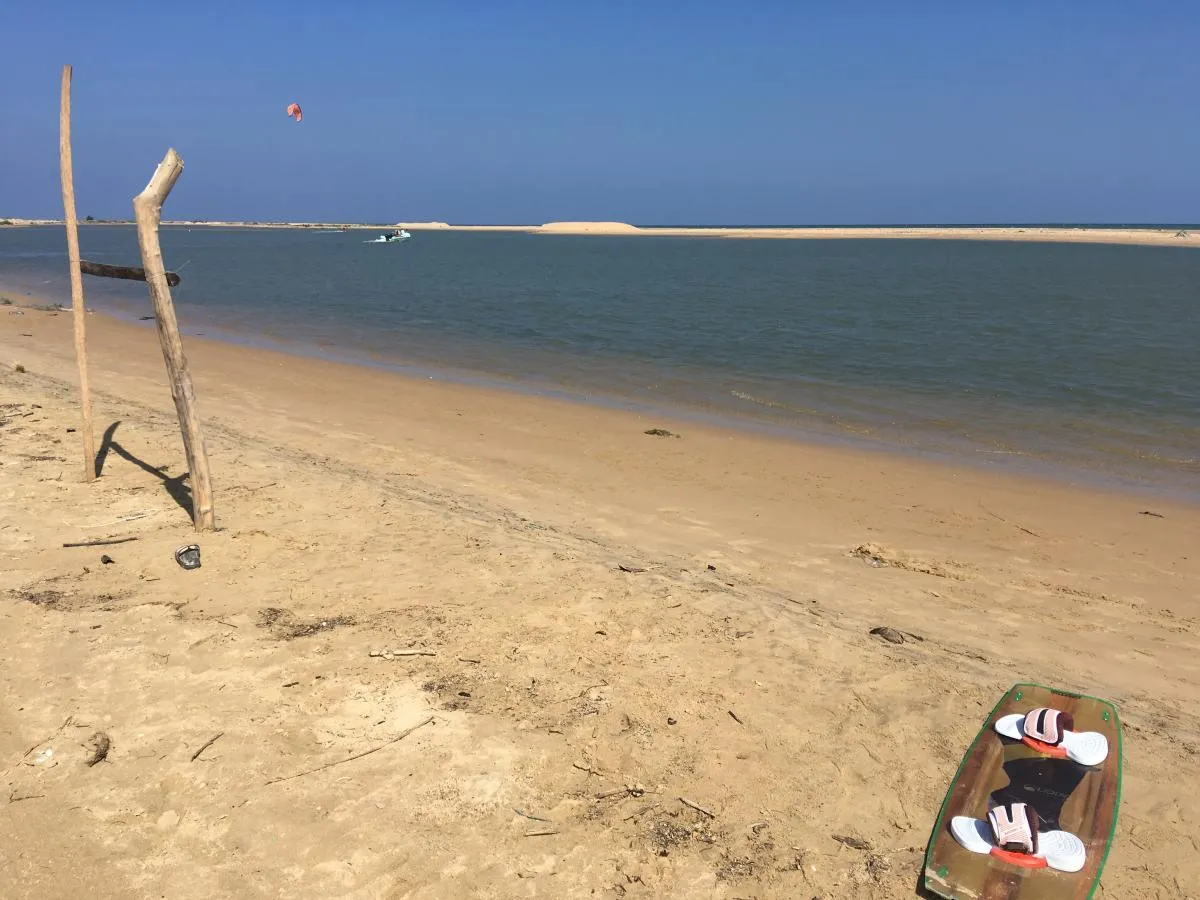
The seabed is predominantly composed of sand and fine lagoon sediment, with shallow flats, occasional shell deposits and localised deeper channels. This generally provides a more forgiving environment than rocky or reef-based kitesurfing locations, but the bottom should not be assumed to be completely free from hazards. Submerged branches, fishing equipment, shells or other obstacles may occur in certain areas, while water clarity can vary with wind and sediment movement. Protective footwear may be useful when walking through unfamiliar sections of the lagoon. Riders should avoid jumping over very shallow water and remain alert to changes in depth, particularly when the tide is falling or when exploring areas away from established kite-school zones.
Kalpitiya Main Lagoon is widely used for kitesurfing instruction, with several established schools and kite centres operating in the surrounding area. During suitable conditions, beginners can practise kite control, body dragging and water starts in relatively shallow water without the additional challenge of breaking ocean waves. The sheltered environment can make learning more approachable, particularly during moderate winter winds. However, the lagoon's popularity means that teaching areas may become busy, and beginners should remain within designated zones under qualified supervision. Gusty wind, shallow water and other kitesurfers can still create hazards, so the presence of flat water should not be mistaken for an absence of risk.
Launching and landing conditions vary around the lagoon, with some areas offering sandy beaches and others bordered by vegetation, buildings or uneven ground. During the summer monsoon, wind turbulence near the shoreline can make launching particularly demanding, especially where the southwesterly airflow passes over obstacles before reaching the water. Riders should select an unobstructed launching area with sufficient clearance and avoid preparing equipment directly downwind of trees or structures. Local kite schools can provide valuable assistance with launching procedures and advice about the safest access points for each season. The main lagoon can become crowded during peak kitesurfing periods, making communication, right-of-way awareness and adequate separation between kites essential.
Hydrofoil kitesurfing is possible in selected deeper sections of the main lagoon, but extensive shallow flats can restrict suitable routes. Foil riders must identify sufficient water depth before launching and remain cautious near sandbanks or channels where the seabed rises abruptly. At lower tide, some areas may become completely unsuitable for hydrofoiling. Wing-foiling may also be feasible when the wind is strong enough and the water provides adequate depth, although the same shallow-water limitations apply. Riders using foil equipment may find more suitable conditions in deeper parts of the wider Kalpitiya lagoon system or on the ocean side, depending on wind direction and sea state. Local knowledge is particularly valuable for selecting safe foil routes.
The lagoon is shared with local fishing activity, and riders may encounter boats, nets, lines or traditional fishing structures in certain sections. These obstacles can be difficult to identify from a distance, especially when the water is choppy or visibility is reduced. Kitesurfers should maintain generous separation from fishing equipment and avoid interfering with local livelihoods. The presence of multiple kite schools and visiting riders also means that the water can become busy during the main seasons, particularly near popular launching areas. Respecting right-of-way rules, maintaining adequate distances and avoiding crowded teaching zones are important for safe and enjoyable sessions. Riders exploring unfamiliar sections should seek local guidance before entering the water.
Sri Lanka's tropical climate provides warm air and water temperatures throughout the year, allowing most riders to kitesurf without heavy thermal protection. Boardshorts, lightweight protective clothing and a rash guard are generally sufficient, although stronger summer winds can create noticeable wind chill during extended sessions. Sun protection and hydration are important, particularly during long days on the water. Seasonal weather changes can also influence riding conditions, with occasional thunderstorms or sudden wind shifts during transitional periods. Riders should monitor the forecast and avoid launching when threatening weather approaches, especially in the more exposed sections of the lagoon where returning to shore may take time.
For riders searching for kitesurfing at Kalpitiya Main Lagoon, flat-water kite spots in Sri Lanka or beginner-friendly kitesurfing destinations on the Kalpitiya Peninsula, this established location offers an attractive combination of shallow water, extensive riding space and two distinct monsoon seasons. Its greatest strengths are the protected lagoon environment, opportunities for learning and freestyle progression, and the availability of local kite schools and supporting services. However, the quality of the wind depends strongly on seasonal direction, with summer southwesterlies becoming gusty in sections sheltered by land and winter northeasterlies often providing cleaner conditions. For riders who choose the appropriate launching area, understand the tidal depths and follow local guidance, Kalpitiya Main Lagoon remains one of Sri Lanka's most rewarding flat-water kitesurfing locations.
For further info you can read the related blogpost:
Go Kiting in Kalpitiya, Sri Lanka: Top Exotic Kitesurfing Destination
"Land of multicultural and multiethnic population, Sri Lanka unveils its beauties and its great Kitesurfing conditions"
Something missing or out of date at this spot? Suggest a correction
Spot Gallery (4)
Kalpitiya Main Lagoon is best suited for
Spot profile
Travel spot
The typical kite travel destination, it is known for its great conditions, and kiters from around the world come here for their vacations.
Adventure spot
That dream place out of the normal touristic routes. Once you reach it, you feel in paradise, it can be anything extraordinary, a hidden gem, remote and fascinating.
Equipment
Lycra
Wind Conditions
Main wind directions at Kalpitiya Main Lagoon
Windy days per month in Kalpitiya Main Lagoon
Wind Speed Range
From 13 to 27 Knots
Suggested sizes
7 mt and below
8 - 9 mt
10 - 11 mt
12 - 13 mt
Forecast on Windy.com
Kitesurfing Safety & Local Rules at Kalpitiya Main Lagoon
Kalpitiya Main Lagoon is generally a safe and beginner-friendly kitesurfing spot, offering extensive flat, shallow water without major natural hazards. However, the shallow depth requires caution during jumps and hard landings, as riders may strike the bottom. Always check water depth before attempting advanced manoeuvres, particularly when using hydrofoil equipment.
Wind conditions at Kalpitiya Main Lagoon vary significantly between seasons. During the summer monsoon, from May to September, strong southerly winds can be partially blocked by surrounding land, creating gusts, turbulence and wind shadows that make kite control more challenging. The winter season, from December to February, generally brings gentler winds and more suitable conditions for riding in this particular lagoon.
Kalpitiya Main Lagoon can become crowded with kitesurfers and kite schools, especially during the main riding seasons. Although the sheltered water provides relatively forgiving conditions, collisions and tangled kite lines remain possible. Maintain safe distances from other riders, respect right-of-way rules and avoid practising jumps or tricks near busy teaching areas. Beginners should remain particularly attentive to kite traffic and changing wind conditions.
Location
Closest City
Kalpitiya
How to get There
Drive north from Colombo. In Palaviya turn for Kalpitya peninsula. Before reaching Kalpitia you have to turn towards Kandakuli to reach the beach area.
Access
There is public access and if you have no transportation you can get a tuc tuc taxi
No-Wind Days: What to Do Around Kalpitiya Main Lagoon
Beyond kitesurfing, Kalpitiya offers a fascinating combination of tropical coastal scenery, marine wildlife and traditional Sri Lankan village life. Located on the Kalpitiya Peninsula in northwestern Sri Lanka, approximately 150 kilometres north of Colombo, this relatively quiet destination is surrounded by the Indian Ocean, sheltered lagoons, mangrove habitats and fishing communities. Unlike the country's more developed southern beach resorts, Kalpitiya retains a peaceful atmosphere, making it particularly appealing to nature lovers and travellers seeking a less commercialised coastal experience. For a kitesurfing trip with non-kiters or a family holiday in Sri Lanka's North Western Province, the region offers several memorable activities, although organised entertainment and dining options remain relatively limited.
One of Kalpitiya's most famous attractions is dolphin watching in the waters offshore from the peninsula. The surrounding Indian Ocean is known for sightings of spinner dolphins, which sometimes travel in large groups and can be observed from organised boat excursions. Dolphin-watching trips generally depart early in the morning, when sea conditions are more favourable, although sightings depend on weather, season and the animals' natural movements. Responsible operators maintain appropriate distances and avoid chasing or surrounding dolphins, helping to minimise disturbance to marine wildlife. For visitors interested in nature photography and marine biology, a well-managed dolphin-watching excursion can be one of the highlights of a stay in Kalpitiya.
Whale watching is another possible marine excursion, with several species recorded in the deeper waters off Sri Lanka's northwestern coast. However, sightings are less predictable than dolphin encounters, and excursions depend heavily on seasonal sea conditions. Visitors should choose experienced operators who follow responsible wildlife-watching practices and provide suitable safety equipment. Boat trips may be cancelled when the sea is rough, particularly during the stronger southwest monsoon period. Travellers should avoid treating whale sightings as guaranteed and consider the experience primarily as an opportunity to explore the offshore marine environment. The combination of open-ocean scenery and potential wildlife encounters makes these excursions particularly appealing to adventurous visitors.
For nature enthusiasts, the Bar Reef Marine Sanctuary is one of the most important natural attractions near Kalpitiya. This protected marine area contains coral reef habitats supporting a variety of tropical fish and other marine organisms. Snorkelling excursions may be available during suitable weather and sea conditions, allowing visitors to discover the underwater environment with local guides. Reef health and visibility can vary, and not every section offers suitable conditions for recreational snorkelling. Visitors should avoid touching coral, collecting marine organisms or standing on the reef. Choosing responsible operators helps protect this environmentally sensitive ecosystem. The sanctuary is particularly interesting for travellers who want to learn more about Sri Lanka's marine biodiversity.
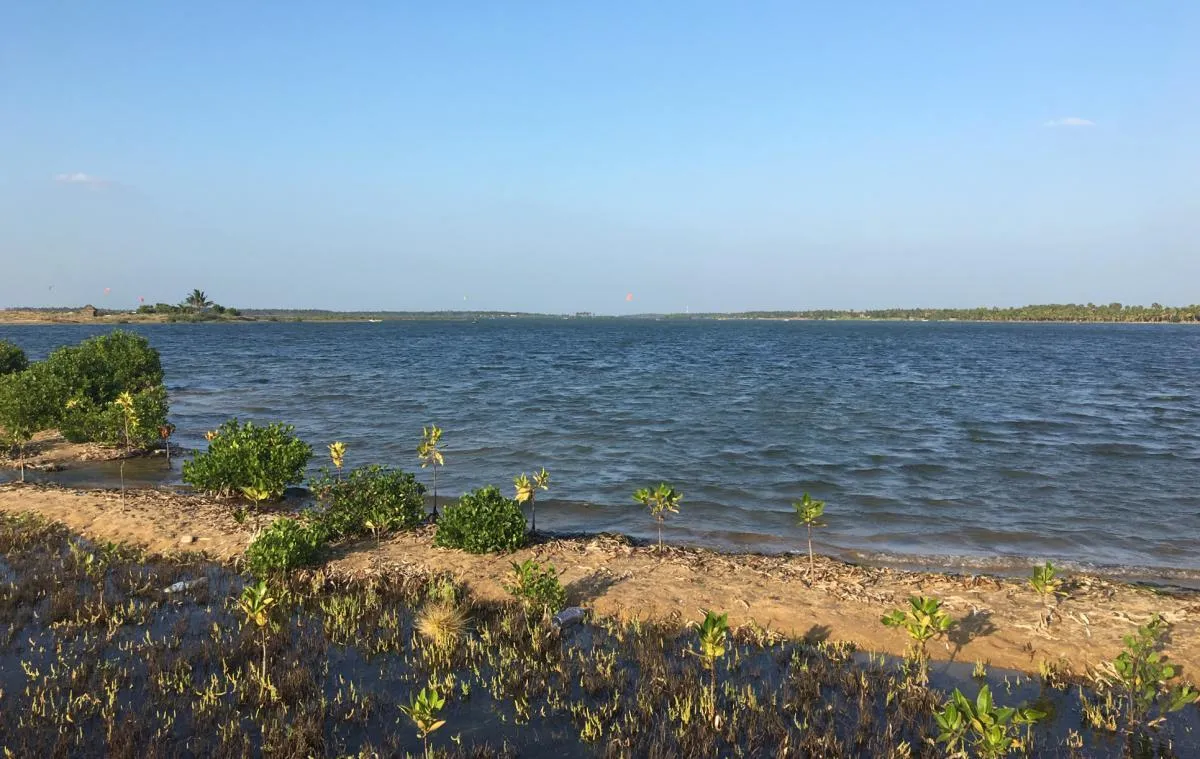
Kalpitiya's lagoons and mangrove-lined waterways provide excellent opportunities for peaceful nature exploration. Guided boat excursions can take visitors through sheltered channels and coastal wetlands, where mangroves create important habitats for fish, crabs and numerous bird species. The calm surroundings offer attractive opportunities for photography and observing the region's natural environment. Depending on water levels and local arrangements, kayaking may also be possible in suitable sections of the lagoon. The changing light during early mornings and late afternoons makes these excursions particularly enjoyable. Visitors should remain respectful of sensitive habitats and avoid disturbing wildlife or entering restricted conservation areas.
Birdwatching is another rewarding activity in the Kalpitiya region, particularly around the lagoons, salt flats and coastal wetlands. These environments attract herons, egrets, terns, waders and other resident or migratory birds throughout the year. Seasonal migration can bring additional species to the area, making certain periods particularly interesting for bird enthusiasts. The combination of open water, shallow mudflats and mangrove vegetation creates a variety of habitats within a relatively compact region. Visitors can explore suitable observation areas with binoculars or arrange guided excursions with local nature specialists. Bird sightings vary according to season, tide and weather, but the peaceful surroundings make the experience enjoyable even without encountering rare species.
Kalpitiya town provides an opportunity to discover the everyday culture of a traditional Sri Lankan coastal community. Visitors can explore small markets, local shops and fishing areas, gaining insight into the livelihoods that have shaped the peninsula for generations. Fishing remains an important part of the local economy, and traditional boats, nets and seafood markets are familiar sights around the region. The town offers a modest selection of restaurants and cafés serving Sri Lankan dishes, including rice and curry, seafood and local snacks. Dining options are generally simpler and less varied than in major tourist destinations, while many kite resorts provide meals for their guests. Exploring Kalpitiya town is particularly appealing to travellers interested in authentic local experiences rather than conventional resort entertainment.
One of the area's most interesting historical landmarks is Kalpitiya Fort, a Dutch colonial-era fortification dating from the seventeenth century. The structure reflects the strategic importance of the peninsula during the period when European trading powers competed for control of Sri Lanka's coastal routes. Its surviving walls and architectural features provide a reminder of the region's maritime and colonial history. The fort has been associated with naval use, and public access may be restricted, so visitors should confirm current arrangements before planning a visit. Nearby, the historic St. Peter's Church is another reminder of Kalpitiya's colonial past and its long-standing cultural connections with European maritime trade.
For travellers seeking a relaxing beach experience, Kalpitiya's ocean-facing coastline offers long stretches of sand, tropical scenery and relatively few large-scale developments. Visitors can enjoy beach walks, photography, watching fishing boats or simply relaxing beneath the palm trees. Some beaches are remote and have limited facilities, making them particularly attractive to travellers seeking peace and quiet. However, swimming in the open Indian Ocean requires caution because currents, waves and seasonal sea conditions can be challenging. Beaches should not be assumed to have lifeguards, and visitors should seek local advice before entering the water. Sunset walks along the western coastline can be especially beautiful, with warm evening light reflecting across the ocean.
For those interested in wildlife beyond the coast, Wilpattu National Park is one of Sri Lanka's most important safari destinations and can be reached on a longer excursion from Kalpitiya. The park is famous for its natural lakes, known as villus, and its diverse wildlife, including elephants, spotted deer, crocodiles, numerous bird species and the elusive Sri Lankan leopard. Guided jeep safaris provide opportunities to explore the park's forest and grassland habitats, although animal sightings are never guaranteed. Travel times depend on the chosen entrance and road conditions, so an early departure or overnight excursion may be preferable. Visitors should book with authorised operators and respect park regulations. Information about Sri Lanka's protected areas is available through the Department of Wildlife Conservation.
Kalpitiya is also an appealing destination for travellers who enjoy cycling and exploring rural landscapes. The peninsula's relatively flat terrain makes it possible to discover fishing villages, coconut plantations, small temples and traditional settlements at a leisurely pace. Guided bicycle tours or short independent rides can provide opportunities to experience everyday life beyond the main tourist accommodation areas. Early mornings are generally the most comfortable time for cycling because temperatures and humidity increase during the day. Visitors should remain cautious on roads shared with motorcycles, buses and other vehicles. The surrounding countryside offers a peaceful contrast to Sri Lanka's busier cities and established tourist resorts.
Accommodation around Kalpitiya ranges from simple guesthouses and eco-oriented lodges to specialised kitesurfing resorts with restaurants, swimming pools and relaxation areas. Many properties are located near the lagoons or beaches, offering beautiful views and a tranquil environment. Depending on the resort, visitors may find yoga sessions, massage treatments, boat excursions or other leisure activities suitable for non-kiting partners. Facilities vary considerably, and some properties are relatively isolated from Kalpitiya town, making advance planning useful for meals and transportation. Travellers seeking a wider selection of restaurants, shopping and nightlife should be aware that Kalpitiya remains a quiet destination where nature and outdoor activities are the main attractions.
For anyone planning a kitesurfing holiday in Kalpitiya and wondering what else there is to do, the peninsula offers an enjoyable combination of marine wildlife, natural landscapes and authentic Sri Lankan coastal culture. A no-wind day can include dolphin watching, exploring mangrove-lined lagoons, visiting Kalpitiya's historic landmarks or relaxing on a quiet tropical beach. Families and non-kiting partners can enjoy birdwatching, local village excursions and resort facilities, while adventurous travellers can organise snorkelling trips to Bar Reef or a safari in Wilpattu National Park. Although restaurants and conventional tourist attractions are limited compared with Sri Lanka's larger holiday destinations, Kalpitiya's peaceful atmosphere, distinctive wildlife and beautiful coastal environment make it an appealing place to combine kitesurfing with a memorable nature-focused holiday.
Local Kitesurfing Schools
Following you can find links to the page of the kitesurfing schools which operate on this spot. From there you can contact them through our form or directly via email or phone (if it was provided by them on the page).
Other kitesurfing spots near Kalpitiya Main Lagoon
All kitesurfing spots in Sri Lanka
Last updated: