
Kitesurfing in Kalpitiya Small Lagoon
- Spot type Flat
- Rider level beginner
- Water Dark - Muddy
- Beach Sand
- Crowd Seasonal crowd
- Tide effect None
Kitesurfing in Kalpitiya Small Lagoon: Conditions, Wind & Season
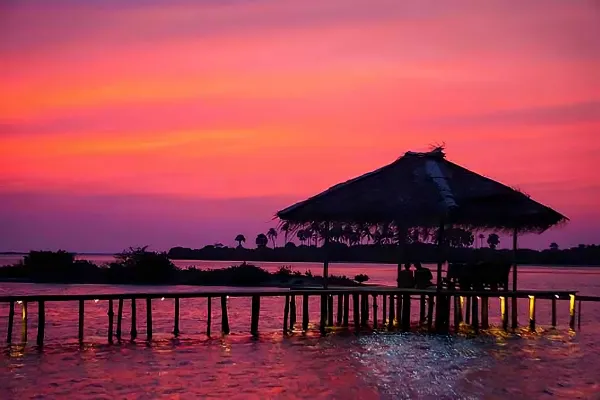
Kalpitiya Small Lagoon is a sheltered flat-water kitesurfing spot on Sri Lanka's northwestern coast, near Kalpitiya town in Puttalam District. Part of the wider Kalpitiya lagoon system, this smaller riding area offers a quieter alternative to the region's popular Main Lagoon, with shallow water, limited chop and a relatively relaxed atmosphere. Its protected setting makes it particularly appealing to beginners and intermediate riders looking to develop their skills without the distraction of ocean waves or heavy kitesurfing traffic. Although smaller than the main riding area, the lagoon can provide excellent conditions for learning, freeriding and practising controlled freestyle manoeuvres when the wind direction and water depth are suitable.
The lagoon's main attraction is its smooth, shallow water. Protected from the Indian Ocean swell by the surrounding coastline and sandbanks, the riding surface generally remains flat or develops only small wind-driven ripples. These conditions allow riders to concentrate on kite control, board starts, transitions and edging technique without having to negotiate breaking waves. During stronger winds, some chop may develop across the more exposed sections, but the water is generally calmer than on the ocean side of the Kalpitiya Peninsula. The relatively compact riding area encourages controlled manoeuvres rather than long-distance cruising, making it especially suitable for technical progression and shorter practice sessions.
Kalpitiya has two principal kitesurfing seasons, each associated with a different monsoon pattern. The summer season generally extends from May through September, when the southwest monsoon produces the region's strongest and most persistent winds. The winter season typically runs from December through February, bringing lighter to moderate northeasterly winds. Both periods can offer riding opportunities at Small Lagoon, although the winter season is generally the more favourable choice for this particular location. The orientation of the lagoon and its surrounding landforms can influence wind quality, so the most suitable conditions depend on how cleanly the prevailing airflow reaches the water.
During winter, northeasterly winds can provide relatively clean and manageable conditions across the lagoon. Wind strength is generally more moderate than during the peak summer monsoon, making this period particularly attractive for beginner lessons, relaxed freeriding and controlled freestyle practice. The smooth water allows learners to focus on fundamental skills, while intermediate riders can work on transitions, upwind performance and basic jumps. Some winter days may require larger kites or light-wind boards, as wind strength can vary considerably. However, when the northeast monsoon aligns favourably with the lagoon, the combination of steady airflow and flat water can create excellent conditions for progression.
The summer season can also provide enjoyable kitesurfing opportunities, although conditions are more variable. Strong southwesterly monsoon winds affect the wider Kalpitiya Peninsula, but the surrounding land and vegetation may partially obstruct the airflow reaching Small Lagoon. Depending on the exact wind direction, some sections can experience gusts or wind shadows, while others remain sufficiently exposed for riding. On suitable days, the stronger summer winds can provide powered freeriding conditions, but riders should assess the wind carefully before launching. The lagoon's compact size makes sudden changes in wind strength more significant, particularly for beginners or those practising close to shore.
Small Lagoon is particularly well suited to beginner kitesurfing instruction when conditions are appropriate. The shallow water can allow learners to stand in selected areas, making it easier to practise kite control, body dragging and initial water starts. The absence of significant waves reduces the complexity of learning, while the generally quieter atmosphere can provide more space for supervised practice. However, shallow water is not automatically safe, and beginners should remain under qualified supervision in designated teaching areas. Wind shadows, submerged obstacles and changing water depth can still create hazards. The lagoon's suitability for lessons depends on the actual wind direction, tide and available launching space rather than its sheltered appearance alone.
Intermediate riders can enjoy Small Lagoon as a convenient location for improving technique and developing confidence in flat-water conditions. The relatively smooth surface is useful for practising transitions, carving turns, controlled jumps and basic freestyle manoeuvres. Riders can concentrate on consistent board control without the additional challenge of ocean swell. Experienced freestyle kitesurfers may also appreciate the flat water during suitable wind conditions, although the lagoon's limited size and shallow sections restrict the space available for powered tricks. Aggressive big-air manoeuvres are not appropriate over shallow water, and riders should always confirm sufficient depth before attempting jumps or hard landings.
Tides influence the water depth and available riding area, particularly in the shallowest sections of the lagoon. At higher tidal stages, more of the sandy flats become submerged, potentially providing additional room for freeriding and safer clearance for board fins. As the tide falls, shallow sections may become exposed or too shallow for comfortable riding, reducing the usable area. The exact effect depends on the lagoon's connection to the surrounding waterways and the local seabed profile. Riders should check tide tables and inspect the water depth before launching, especially when unfamiliar with the location. A section that appears suitable during high tide may become difficult to navigate as the water level drops.
The seabed is generally composed of sand and fine lagoon sediment, creating a relatively forgiving environment compared with rocky or reef-based kitesurfing spots. Nevertheless, shells, stones, submerged branches or other natural obstacles may occur in certain areas, and the bottom should not be assumed to be completely hazard-free. Water clarity can vary with wind and sediment movement, sometimes making shallow obstacles difficult to identify. Protective footwear may be useful when walking through unfamiliar sections of the lagoon. Riders should avoid jumping in very shallow water and remain alert to changes in depth, particularly near sandbanks or narrow channels where the seabed may rise abruptly.
Launching and landing conditions depend on the specific access point and the amount of unobstructed shoreline available. Some sections may provide comfortable sandy areas for preparing equipment, while others are bordered by vegetation, uneven ground or shallow water extending close to shore. Wind direction is especially important because nearby landforms can create turbulence near the launching area, particularly during the summer monsoon. Riders should select an unobstructed position with sufficient clearance from trees, buildings and other obstacles. Local kite schools and experienced riders can provide valuable advice about the safest launching areas and the most suitable seasonal wind directions.
One of Small Lagoon's advantages is that it is generally less crowded than Kalpitiya Main Lagoon. This can create a more relaxed environment for beginners and intermediate riders who prefer to practise without navigating heavy kite traffic. However, the smaller size of the lagoon means that even a limited number of riders can occupy a significant proportion of the available space. Maintaining adequate separation between kites, respecting right-of-way rules and avoiding crowded teaching areas remain important. Riders should also be aware of local fishing activity, including boats, nets and lines that may be present in parts of the lagoon system. These obstacles can be difficult to identify from a distance, particularly when the water is choppy or visibility is reduced.
Hydrofoil kitesurfing is generally limited by the lagoon's shallow water, although selected deeper sections may be usable during higher tidal stages. Foil riders must identify sufficient depth before launching and remain cautious near sandbanks or areas where the seabed rises abruptly. At lower tide, much of the lagoon may become unsuitable for hydrofoiling. Wing-foiling may also be possible where adequate water depth and wind exposure are available, but the same shallow-water limitations apply. Riders using foil equipment may find more suitable conditions in deeper parts of the wider Kalpitiya lagoon system or on the ocean side of the peninsula, depending on wind direction and sea state.
Sri Lanka's tropical climate provides warm air and water temperatures throughout the year, allowing most riders to kitesurf without heavy thermal protection. Boardshorts, lightweight protective clothing and a rash guard are generally sufficient, although stronger summer winds can create noticeable wind chill during extended sessions. Sun protection and hydration are important, particularly during long days on the water. Seasonal weather changes can also influence riding conditions, with occasional thunderstorms or sudden wind shifts during transitional periods. Riders should monitor the forecast and avoid launching when threatening weather approaches, especially when the wind direction could make returning to shore difficult.
For riders searching for kitesurfing at Kalpitiya Small Lagoon, beginner-friendly flat-water kite spots in Sri Lanka or quieter alternatives to Kalpitiya Main Lagoon, this sheltered location offers an appealing combination of shallow water, smooth riding conditions and a relatively relaxed atmosphere. Its greatest strengths are the opportunities for learning, controlled freestyle progression and enjoyable freeriding during the winter northeast monsoon. Summer sessions are also possible when the southwest wind reaches the lagoon cleanly, although gusts and wind shadows can make conditions less predictable. For beginners receiving appropriate instruction and intermediate riders who select suitable wind and tidal conditions, Kalpitiya Small Lagoon can provide rewarding kitesurfing sessions along Sri Lanka's northwestern coast.
For further info you can read the related blogpost:
Go Kiting in Kalpitiya, Sri Lanka: Top Exotic Kitesurfing Destination
"Land of multicultural and multiethnic population, Sri Lanka unveils its beauties and its great Kitesurfing conditions"
Something missing or out of date at this spot? Suggest a correction
Spot Gallery (6)


Kalpitiya Small Lagoon is best suited for
Spot profile
Travel spot
The typical kite travel destination, it is known for its great conditions, and kiters from around the world come here for their vacations.
Adventure spot
That dream place out of the normal touristic routes. Once you reach it, you feel in paradise, it can be anything extraordinary, a hidden gem, remote and fascinating.
Equipment
Lycra
Wind Conditions
Main wind directions at Kalpitiya Small Lagoon
Windy days per month in Kalpitiya Small Lagoon
Wind Speed Range
From 12 to 27 Knots
Suggested sizes
8 - 9 mt
10 - 11 mt
12 - 13 mt
14 mt and above
Forecast on Windy.com
Kitesurfing Safety & Local Rules at Kalpitiya Small Lagoon
Kalpitiya Small Lagoon is generally a safe and beginner-friendly kitesurfing spot, with sheltered flat water and fewer riders than the Main Lagoon. However, sharp shells may be present on the lagoon bottom and along the shoreline, creating a risk of cuts when walking or falling in shallow water. Wearing protective water shoes is recommended, particularly for beginners who spend more time standing or walking through the lagoon.
Wind conditions vary between seasons, with gentler and generally more suitable winds during winter, from December to February. The lagoon can also be rideable during the stronger summer monsoon, from May to September, although gusts and changing wind strength may make conditions more challenging. Beginners should assess the wind carefully and avoid riding when conditions exceed their abilities.
Local fishermen regularly use Kalpitiya Small Lagoon to travel between the village and their fishing grounds, so riders must remain alert to passing boats and fishing activity. Maintain a safe distance from vessels, avoid crossing their routes at close range and watch for fishing equipment in the water. Although the lagoon is usually less crowded than the Main Lagoon, respecting other water users and keeping launching areas clear remain essential for safe sessions.
Location
How to get There
Drive north from Colombo. In Palaviya turn for Kalpitya peninsula. Before reaching Kalpitia you have to turn towards Kandakuli to reach the beach area.
Access
Access to the spot can be found along the beach
No-Wind Days: What to Do Around Kalpitiya Small Lagoon
Beyond kitesurfing, Kalpitiya Small Lagoon offers a peaceful base for exploring the natural attractions of Sri Lanka's northwestern coast. Located on the Kalpitiya Peninsula, this quieter alternative to the main lagoon is surrounded by traditional fishing communities, tropical vegetation and the coastal landscapes of the Puttalam district. The area is particularly appealing to visitors who prefer a relaxed atmosphere away from busy tourist resorts. Although there are few organised attractions immediately beside the lagoon, the wider Kalpitiya region offers opportunities for wildlife watching, boat excursions, cultural sightseeing and peaceful beach walks. For a kitesurfing trip with non-kiters or a family holiday in Kalpitiya, these activities provide enjoyable alternatives when the wind is absent.
One of the most rewarding experiences in the region is exploring Kalpitiya's lagoons and mangrove habitats by boat. Guided excursions offer opportunities to discover sheltered waterways, small islands and traditional fishing areas while observing the surrounding coastal ecosystem. Mangrove forests provide important habitats for fish, crabs and numerous bird species, creating an interesting environment for nature lovers and photographers. Early mornings and late afternoons are particularly attractive times to explore, when temperatures are more comfortable and the changing light creates beautiful reflections across the water. Visitors should choose responsible local operators and avoid disturbing sensitive wildlife habitats.
Kalpitiya is also well known for dolphin-watching excursions in the Indian Ocean. During suitable seasons and sea conditions, organised boat trips provide opportunities to observe spinner dolphins and other marine wildlife offshore from the peninsula. Dolphins sometimes travel in large groups, creating memorable encounters for visitors interested in marine nature. Sightings are never guaranteed, and trips depend on weather and ocean conditions, particularly during periods of stronger monsoon winds. Choosing an operator that maintains respectful distances from wildlife is important for protecting the animals and their natural behaviour. Dolphin watching can be a particularly enjoyable activity for families and non-kiting partners.
Another important natural attraction is the Bar Reef Marine Sanctuary, a protected marine environment offshore from Kalpitiya. The area supports coral reef habitats and a variety of tropical marine life. Snorkelling excursions may be available when sea conditions, visibility and local conservation arrangements permit. Visitors can discover colourful reef fish and learn about the importance of protecting Sri Lanka's coastal ecosystems. Reef conditions vary, and some areas may be unsuitable for recreational snorkelling, so local guidance is essential. Responsible visitors should avoid touching coral, standing on reef formations or disturbing marine animals.
For those who prefer activities on land, Kalpitiya town offers an opportunity to experience traditional Sri Lankan coastal life. The town has small markets, local shops, fishing communities and modest restaurants serving regional cuisine. Visitors can sample rice and curry, fresh seafood and traditional Sri Lankan snacks while discovering the area's everyday atmosphere. Kalpitiya is not a major shopping or nightlife destination, but its simplicity is part of its appeal. Many accommodation providers around the lagoons offer meals and relaxation facilities, making them convenient bases for visitors who prefer a quieter holiday. Transport may be necessary to reach restaurants and shops from more isolated lagoon-side properties.
History enthusiasts can explore Kalpitiya's colonial heritage, including the seventeenth-century Dutch Fort and nearby historic St. Peter's Church. These landmarks reflect the peninsula's former importance along Indian Ocean trading routes and its connections with European colonial powers. The fort has been associated with military use, so public access may be restricted and should be checked in advance. Even a short visit to the surrounding town provides an interesting contrast to the region's beaches and lagoons, introducing visitors to the cultural history of this lesser-known part of Sri Lanka.
The ocean-facing beaches of the Kalpitiya Peninsula offer beautiful opportunities for walking, photography and relaxation. Long sandy stretches, coconut palms and traditional fishing boats create a distinctly tropical atmosphere, particularly during the early morning and around sunset. Some sections remain relatively undeveloped, providing a peaceful setting away from busy tourist areas. Swimming requires caution because the open Indian Ocean can experience strong currents, waves and changing seasonal conditions. Visitors should seek local advice before entering the sea, particularly where lifeguard services are unavailable.
For travellers seeking a more adventurous day trip, Wilpattu National Park offers the possibility of discovering Sri Lanka's remarkable terrestrial wildlife. Guided jeep safaris explore forests, grasslands and natural lakes, with opportunities to observe elephants, deer, crocodiles, birds and, occasionally, leopards. Wildlife encounters are unpredictable, and the journey from Kalpitiya requires advance planning, but the experience can be a memorable addition to a coastal holiday. Information about national park access and conservation regulations is available through the Sri Lanka Department of Wildlife Conservation.
For anyone planning a kitesurfing holiday at Kalpitiya Small Lagoon and wondering what else there is to do, the destination is best appreciated for its peaceful natural environment rather than extensive tourist entertainment. A no-wind day can include exploring mangrove waterways, joining a dolphin-watching excursion, visiting Kalpitiya town or relaxing on the peninsula's quiet beaches. Families and non-kiting partners can enjoy wildlife excursions and resort facilities, while adventurous travellers can arrange snorkelling trips or a safari in Wilpattu National Park. With its uncrowded atmosphere, coastal wildlife and access to the wider attractions of the Kalpitiya Peninsula, the Small Lagoon provides an enjoyable base for a relaxed, nature-focused holiday in northwestern Sri Lanka.
Local Kitesurfing Schools
Following you can find links to the page of the kitesurfing schools which operate on this spot. From there you can contact them through our form or directly via email or phone (if it was provided by them on the page).
Other kitesurfing spots near Kalpitiya Small Lagoon


All kitesurfing spots in Sri Lanka
Last updated: