
Kitesurfing in 3rd Ave
Foster City · United States Of America
- Spot type Chop
- Rider level intermediate
- Water Dark - Muddy
- Beach Rocky
- Crowd Seasonal crowd
- Tide effect Conditions vary
Kitesurfing in 3rd Ave: Conditions, Wind & Season
3rd Avenue is one of the established kitesurfing spots on San Francisco Bay, located along the Foster City waterfront in California. Popular with local riders, the spot combines reliable seasonal winds, tidal water conditions and a relatively accessible launch area. Its position on the western shore of the bay makes it particularly attractive for freeriding, jumping and freestyle, with conditions changing considerably throughout the tidal cycle. Unlike the Pacific-facing beaches around San Francisco, 3rd Avenue offers an inland bay environment where wind strength, water depth and tide timing are the main factors determining the quality of a session.
The main kitesurfing season runs from April through October, when the thermal wind system around San Francisco Bay provides frequent afternoon sessions. Average riding winds are commonly around 18–25 knots, with stronger days possible during the peak season. The prevailing northwesterly winds are influenced by the temperature difference between the cool Pacific Ocean and the warmer inland areas, producing the characteristic summer wind pattern of the Bay Area. Conditions often strengthen during the afternoon, making 3rd Avenue a popular after-work kitesurfing destination. Wind can occasionally be gusty, so riders should check local forecasts and real-time measurements before selecting their kite size.
Tides have a major influence on the riding conditions at 3rd Avenue. Around lower tides, shallow areas and exposed mudflats can create particularly smooth, flat-water sections, making the spot attractive for freestyle, speed runs and practising technical manoeuvres. However, very low water levels can also expose hazards and make launching or reaching deeper water difficult. At higher tides, the water becomes deeper and more open, allowing wind-driven chop and rolling swells to develop across the bay. Strong afternoon winds combined with high water can create lively conditions that appeal to experienced freeriders and riders looking for powered jumps.
The launch area at 3rd Avenue is more technical than a conventional sandy beach. Riders generally use the established shoreline access points, where rocks, uneven ground and limited space can complicate kite preparation and launching. The available area changes with the tide, and careful attention is needed when carrying equipment to the water. Assisted launching and landing are strongly recommended, particularly during crowded sessions or strong winds. First-time visitors should observe local riders, identify the appropriate entry and exit routes and avoid setting up in areas where obstacles or other beach users create unnecessary risks.
3rd Avenue is best suited to intermediate and advanced kitesurfers who can confidently ride upwind, control their kite in gusty conditions and manage tidal changes. The combination of strong wind, challenging shoreline access and variable water depth makes it unsuitable for independent beginners. Experienced twin-tip riders can enjoy powered freeriding, big-air sessions and freestyle, particularly when the tide creates favourable water conditions. Hydrofoil riders may also find opportunities in deeper sections, but shallow areas and underwater obstacles require careful route selection. Wave riding is not the main attraction, as the swells are generated primarily by wind across the bay rather than ocean surf.
The most important hazards include submerged rocks, shallow mudflats, changing water levels and the possibility of being carried downwind into less accessible shoreline areas. Strong winds can generate steep chop, while tidal currents may complicate self-rescue and returning to the launch. Riders should avoid jumping in shallow water and remain aware of other kitesurfers, windsurfers and recreational water users. San Francisco Bay's water is considerably cooler than tropical kite destinations, so an appropriate wetsuit is generally recommended even during summer. Understanding the tide schedule and having a clear self-rescue plan are essential parts of preparing for a session.
For riders searching for kitesurfing at 3rd Avenue, kiteboarding in Foster City or the best kitesurfing spots in San Francisco Bay, 3rd Avenue offers a rewarding combination of strong seasonal winds and tide-dependent riding conditions. Its defining feature is the contrast between smoother water at suitable lower tides and energetic chop and swells when the bay fills. Although the technical launch and shallow-water hazards demand experience, 3rd Avenue remains a popular Bay Area destination for confident riders seeking reliable afternoon wind, powered freeriding and freestyle opportunities from spring through autumn.
Something missing or out of date at this spot? Suggest a correction
Spot Gallery (8)


3rd Ave is best suited for
Spot profile
- Family spotEasy to visit with family and friends. Facilities are close by and non-kiters have plenty to do while you are on the water, so everyone enjoys the day, whether they kite or not.
- Local spotNot worth a long trip, but a great option if you live nearby and the wind is on. Ideal for a quick session after work or a spare afternoon, without planning a whole trip.
Equipment
4/3 wetsuit Booties
Wind Conditions
Main wind directions
Windy days per month
Share of the days with more than 10 knots.
Wind speed range
18 - 25 knots
Calculate your kite size
Estimate for a rider of your weight at 3rd Ave: kite size = weight / wind speed x 2.2, adjusted for the kite shape and aspect ratio. Board, skills and gusts change the ideal size.
Forecast on Windy.com
Kitesurfing Safety & Local Rules at 3rd Ave
The main hazards at 3rd Avenue in Foster City, California, are the rocky shoreline and limited entry and exit points. Unlike a conventional sandy beach, the launch area has uneven ground, rocks and restricted space for handling kites safely. Changing tides can make access more difficult, particularly when exposed rocks and mudflats separate the launching area from deeper water. Assisted launching and landing are strongly recommended, and first-time visitors should identify safe access routes before setting up their equipment.
Tidal changes create additional risks, with shallow mudflats and submerged obstacles becoming hazardous during low water levels. Hard landings or jumps over shallow sections can result in serious injuries, while hydrofoil riders must be especially careful to avoid striking the bottom. Tidal currents can also complicate board recovery and self-rescue, particularly when combined with strong winds. Check the tide schedule carefully and avoid riding in areas where insufficient depth or difficult shoreline access could prevent a safe return.
The strong afternoon winds, commonly reaching 18–25 knots or more, can produce powerful gusts and steep wind-driven chop across San Francisco Bay. Riders who lose their upwind position risk drifting toward rocky or less accessible sections of the shoreline, where landing may be difficult. Maintain generous safety distances from other riders, wear appropriate thermal protection for the bay's cool water and ensure you have reliable self-rescue skills. The combination of strong wind, tidal currents and technical access makes 3rd Avenue better suited to intermediate and advanced kitesurfers.
How to reach 3rd Ave
- Closest cityFoster City
- How to get there10 min South of San Francisco International Airport
- AccessPublic
No-Wind Days: What to Do Around 3rd Ave
Beyond kitesurfing, 3rd Avenue offers a convenient starting point for exploring Foster City, San Mateo and the wider San Francisco Bay Area in California. Although the spot itself is primarily a watersports location rather than a traditional beach destination, its position on the San Francisco Peninsula provides easy access to waterfront parks, cycling trails, nature reserves, restaurants and cultural attractions. For a kitesurfing trip with non-kiters, the surrounding region offers plenty of activities during no-wind days, from relaxed walks along the bay to full-day excursions into San Francisco.
One of the easiest activities near 3rd Avenue is exploring Foster City's waterfront and extensive network of lagoons. The city features landscaped parks, pedestrian paths and recreational areas overlooking the water, making it an enjoyable place for walking, jogging and cycling. The nearby San Francisco Bay Trail provides opportunities to discover the shoreline, with views across the bay and occasional sightings of shorebirds and other wildlife. The flat terrain makes many sections particularly suitable for casual cycling and family outings, although exposed waterfront paths can be windy.
A short drive north brings visitors to Coyote Point Recreation Area in San Mateo, one of the peninsula's most attractive waterfront parks. The park offers picnic areas, shoreline trails, a marina and panoramic views across San Francisco Bay. Visitors can walk along the promenade, explore the coastal environment or enjoy birdwatching around the saltwater marshes. Families can also visit CuriOdyssey, a science and wildlife centre with interactive exhibits and opportunities to learn about native California animals. Some playground facilities may be temporarily closed for renovation, so checking park updates before visiting is advisable.
Nature enthusiasts can explore additional outdoor destinations across the peninsula. The Crystal Springs Regional Trail offers scenic walking and cycling routes near wooded hills and reservoir landscapes, while Edgewood Park and Natural Preserve near Redwood City is known for its grasslands, woodland trails and seasonal wildflowers. These locations provide a welcome contrast to the exposed shoreline around 3rd Avenue and are particularly enjoyable for visitors interested in hiking, photography and California's natural environment. Trail conditions and access restrictions should be checked before setting out.
San Francisco is close enough for an enjoyable day trip, offering some of California's most recognisable attractions. Visitors can explore the Golden Gate Bridge, Fisherman's Wharf, the Ferry Building and the historic waterfront, or take a ferry excursion to Alcatraz Island. The city's diverse neighbourhoods offer museums, shopping, restaurants and architectural landmarks. San Francisco's official visitor guide provides information about major attractions, sightseeing opportunities and cultural experiences, making it useful for planning activities when the wind is unsuitable for kitesurfing.
Another highlight is Golden Gate Park, one of San Francisco's largest and most popular green spaces. The park features botanical gardens, lakes, landscaped walking paths and several major cultural institutions. Visitors can explore the California Academy of Sciences, the de Young Museum or the Japanese Tea Garden, while families can enjoy open spaces and nature-focused activities. With so many attractions concentrated in one area, Golden Gate Park is an excellent option for spending an entire no-wind day away from the waterfront.
The towns surrounding 3rd Avenue also provide plenty of dining and entertainment options. Downtown San Mateo offers a lively selection of restaurants, cafés, bars and shops, with cuisines reflecting the Bay Area's multicultural population. Burlingame and Redwood City provide additional restaurants, shopping districts and evening entertainment. For visitors seeking a more extensive nightlife scene, San Francisco offers everything from neighbourhood pubs and live music venues to cocktail bars and clubs. The peninsula itself is generally quieter, making it particularly suitable for travellers who prefer a relaxed atmosphere after a day outdoors.
Accommodation around 3rd Avenue is primarily concentrated in Foster City, San Mateo, Burlingame and nearby communities. Options include business hotels, extended-stay properties, serviced apartments and holiday rentals, with a broad range of comfort levels and prices. Foster City and San Mateo are convenient bases for riders who want relatively quick access to the launch area, while Burlingame offers proximity to San Francisco International Airport. Staying in San Francisco provides more sightseeing and nightlife opportunities but involves a longer journey to the spot, particularly during rush-hour traffic. Accommodation prices in the Bay Area can be high, so comparing locations and booking ahead is recommended.
Getting to 3rd Avenue is relatively straightforward by car, with San Francisco International Airport serving as the closest major international gateway. A rental car is particularly useful for transporting kitesurfing equipment and exploring the peninsula, although traffic can be heavy on Highway 101 and surrounding roads. Caltrain connects several nearby cities with San Francisco and other peninsula destinations, providing a useful alternative for sightseeing trips. Visitors should also remember that the Bay Area's climate can change significantly between the sheltered peninsula and the Pacific-facing coastline, so bringing layers is advisable even during summer.
For anyone planning a kitesurfing holiday at 3rd Avenue and wondering what else there is to do, the San Francisco Bay Area offers an excellent balance of outdoor recreation, cultural attractions and urban entertainment. A no-wind day can include cycling along the bay, exploring nature trails, visiting museums or discovering San Francisco's famous landmarks. With convenient accommodation, diverse restaurants and easy access to both natural landscapes and major city attractions, 3rd Avenue is particularly appealing for riders travelling with partners, families or friends who want more than just kitesurfing from their California trip.
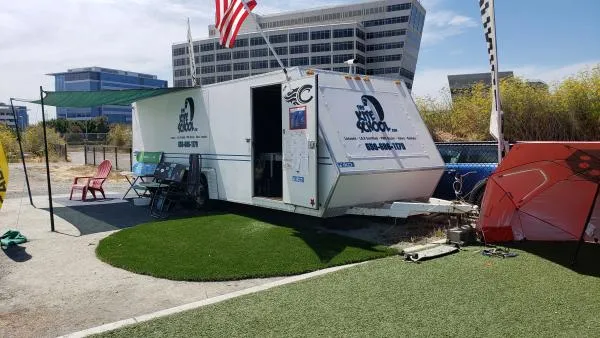
Local Kitesurfing Schools
Following you can find links to the page of the kitesurfing schools which operate on this spot. From there you can contact them through our form or directly via email or phone (if it was provided by them on the page).
Other kitesurfing spots near 3rd Ave


All kitesurfing spots in United States Of America
Last updated: