
Kitesurfing in Neretva
Split · Croatia
- Spot type Flat
- Rider level beginner
- Water Crystal Clear
- Beach Sand
- Crowd Seasonal crowd
- Tide effect None
Kitesurfing in Neretva: Conditions, Wind & Season
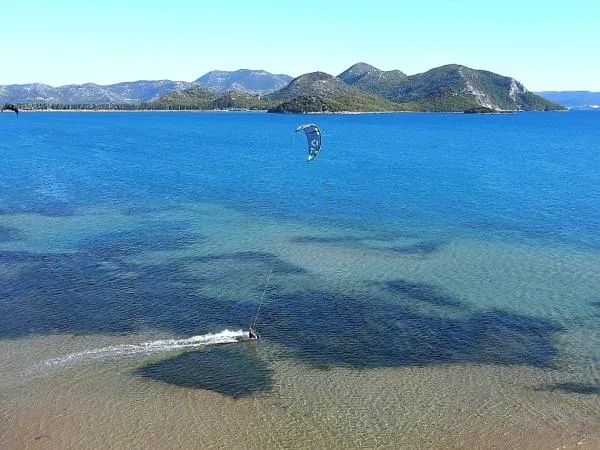
Neretva is one of Croatia's most distinctive kitesurfing destinations, located at the mouth of the Neretva River on the southern Dalmatian coast, near the towns of Ploče and Opuzen. Here, the river delta meets the Adriatic Sea, creating an unusual combination of sandy beaches, shallow lagoons and open-water riding areas. The main kite spot is situated around the broad sandy shoreline of the river mouth, where natural sandbanks and the shape of the coastline provide extensive areas of relatively flat water. Unlike many Croatian kitesurfing locations characterised by rocky beaches and deep water, Neretva offers a predominantly sandy environment that is particularly attractive for beginners, freeriders and freestyle enthusiasts.
The main wind at Neretva is the Maestral, a northwesterly thermal sea breeze that develops during the warmer months. As the land and the Neretva valley heat up, the resulting temperature differences help generate and reinforce the afternoon wind. The surrounding mountains and the orientation of the valley can further channel the airflow, producing favourable kitesurfing conditions along the delta. On suitable summer days, the Maestral typically begins to develop around midday and strengthens through the afternoon, often reaching approximately 15 to 25 knots. Wind strength varies with regional weather patterns, and some days remain considerably lighter, but the combination of thermal effects and local geography makes Neretva one of southern Croatia's established summer kite destinations.
The main kitesurfing season generally extends from May through September, with June, July and August offering the most consistent thermal wind opportunities. During these months, warm air temperatures and comfortable Adriatic water conditions make long sessions particularly enjoyable. Spring and early autumn can also provide excellent riding, although the wind becomes less predictable and may be influenced by stronger regional weather systems. Outside the main thermal season, northeasterly Bura winds and southerly Jugo winds can create very different conditions, including strong gusts, changing wind directions and rougher water. These situations require careful assessment and are generally better suited to experienced riders.
One of Neretva's greatest advantages is the extensive shallow-water area around the river mouth. The sandy seabed and natural protection provided by the surrounding sandbanks create relatively smooth conditions, particularly when the wind is moderate. In sheltered sections, the water can become exceptionally flat, making it ideal for practising water starts, improving upwind technique, learning transitions and developing freestyle manoeuvres. Water depth varies across the delta, with shallow sections close to the sandbanks and deeper channels where the river flows toward the sea. The mixture of freshwater and saltwater is another distinctive characteristic of the spot, and changing river discharge can influence water clarity, currents and local riding conditions.
Farther from the sheltered river mouth, the Adriatic offers a more exposed riding environment with deeper water, moderate chop and occasional small waves. These conditions provide additional variety for intermediate and advanced kitesurfers who prefer open-water freeriding or want more space for longer runs. Stronger Maestral winds can generate increasingly pronounced chop, while changing weather systems may produce larger waves and more challenging conditions. The transition between shallow lagoon-like areas and deeper open water requires attention, particularly near river channels where currents can be stronger. Riders should also be aware that sandbanks can shift over time, altering water depth and creating unexpected shallow sections.
Launching and landing generally take place from designated sandy areas near the river mouth, where several established kitesurfing schools and centres provide lessons, equipment rental, storage and beach assistance. The relatively flat water and shallow sandy bottom make Neretva particularly appealing for professional instruction and beginner progression. However, the available launching space is more limited than the size of the surrounding riding area might suggest. During peak summer, the beach can become crowded with kite schools, independent riders and other visitors, making careful kite handling essential. Riders should use authorised launching corridors, respect designated watersports zones and maintain safe distances from students and other beach users.
Although Neretva is suitable for a wide range of skill levels, the river delta presents specific hazards that should not be underestimated. Tidal variations, changing river discharge and shifting sandbanks can influence currents and water depth, particularly near the main river channels. Stronger currents may develop after heavy rainfall or periods of increased river flow, while submerged branches, debris and other obstacles can occasionally be carried downstream. The shallow water is helpful for learning but can become dangerous when attempting high jumps or powered freestyle tricks without sufficient depth. Riders should also respect the environmental protections affecting parts of the Neretva Delta, an important wetland habitat, and avoid entering restricted natural areas.
For riders searching for kitesurfing in Neretva, flat-water kite spots in Croatia or summer Maestral kitesurfing destinations along the Dalmatian coast, the Neretva River mouth offers an exceptional combination of thermal winds, shallow sandy water and varied riding conditions. Its greatest strengths are the reliable summer afternoon breezes, smooth-water freestyle opportunities and established kite schools, making it particularly attractive for learning and progression. Although crowded launching areas, river currents and changing water depths require attention, Neretva remains one of Croatia's most appealing kitesurfing destinations, offering a distinctive riding experience where the Adriatic Sea meets the river delta.
Something missing or out of date at this spot? Suggest a correction
Spot Gallery (10)


Neretva is best suited for
Spot profile
Travel spot
The typical kite travel destination, it is known for its great conditions, and kiters from around the world come here for their vacations.
Adventure spot
That dream place out of the normal touristic routes. Once you reach it, you feel in paradise, it can be anything extraordinary, a hidden gem, remote and fascinating.
Equipment
Shorty/Lycra in summer and normal wetsuit for spring and autumn
Wind Conditions
Main wind directions at Neretva
Windy days per month in Neretva
Wind Speed Range
From 5 to 23 Knots
Suggested sizes
8 - 9 mt
10 - 11 mt
12 - 13 mt
14 mt and above
Forecast on Windy.com
Kitesurfing Safety & Local Rules at Neretva
The main hazards at Neretva come from the relatively small launching area and the large number of kitesurfers during peak summer months. The beach can become crowded, making launching and landing particularly challenging. Maintain sufficient distance from other riders, respect designated kite zones and follow instructions from local kite schools.
Wind direction is another important concern, as offshore or strongly cross-offshore conditions can make returning to the beach difficult after equipment failure or loss of board control. Riders should carefully assess the wind before entering the water and avoid venturing too far offshore without reliable rescue support.
Less experienced riders are strongly advised to use the assistance offered by local kite schools, particularly during strong winds or crowded periods. Professional launching, landing and rescue services can significantly reduce risks. Always check local conditions, respect right-of-way rules and ensure you have the necessary self-rescue skills before riding independently.
Location
Closest City
Split
How to get There
The closest city is Split where you can arrive by plane or ferry from Italy. The spot is 1.5 hour's drive south of Split and the best way is to rent a car for the trip there.
Access
The access and parking are free.
No-Wind Days: What to Do Around Neretva
Beyond kitesurfing, the Neretva Delta is one of the most fascinating natural destinations on Croatia's southern Adriatic coast. Located between the towns of Ploče and Opuzen, not far from the historic city of Dubrovnik, this remarkable river landscape combines sandy beaches, freshwater channels, wetlands, fertile agricultural fields and traditional Dalmatian villages. Unlike the rocky coastline found across much of Croatia, the Neretva Delta is characterised by wide sandy areas, lush vegetation and an extensive network of waterways. The region offers a peaceful atmosphere, making it particularly attractive for nature lovers, photographers and visitors seeking an authentic Croatian experience away from the busiest coastal resorts. For a kitesurfing trip with non-kiters or a family holiday in southern Dalmatia, the delta provides an excellent combination of outdoor recreation, local culture and beautiful natural scenery.
One of the most enjoyable activities is exploring the waterways of the Neretva Delta by traditional boat. Local operators organise guided excursions through the narrow river channels, wetlands and agricultural landscapes, often using traditional wooden boats known as *lađa*. These trips provide an opportunity to discover the region's distinctive ecosystem, observe waterbirds and learn about the traditional way of life that developed around the river. The landscape is particularly beautiful during spring and early summer, when the vegetation is lush and the surrounding fields are green. Some excursions include visits to local farms or traditional meals featuring regional specialities. For additional travel inspiration, visitors can consult the Neretva Valley travel guide.
The Neretva Delta is also an important destination for birdwatching and nature photography. Its wetlands, reed beds, shallow lagoons and river channels provide habitats for numerous resident and migratory bird species. The wider delta is particularly important during seasonal migrations, when birds use the wetlands as feeding and resting areas. Visitors can explore accessible nature trails, join guided wildlife excursions or enjoy the scenery from designated observation points. The nearby Baćina Lakes, situated close to Ploče, offer another beautiful natural setting. This group of interconnected freshwater lakes is surrounded by hills and Mediterranean vegetation, creating excellent opportunities for kayaking, paddleboarding, swimming in suitable areas and peaceful lakeside walks. Organised boat excursions are also available, allowing visitors to discover the lakes and their surrounding landscapes.
The nearby towns of Opuzen, Rogotin and Blace provide opportunities to experience the quieter side of southern Dalmatia. Opuzen is a charming small town situated along the Neretva River, known for its traditional architecture, colourful streets and local agricultural culture. Visitors can explore its historic centre, enjoy a coffee in one of the local cafés or discover the surrounding mandarin orchards and fertile fields. Rogotin offers a peaceful riverside atmosphere, while Blace is a small coastal settlement close to the river mouth, with simple restaurants and beautiful views over the delta. These villages are ideal for relaxed excursions and provide an authentic alternative to the larger tourist destinations along the Adriatic coast.
One of the most interesting cultural attractions in the region is the Narona Archaeological Museum in Vid, near the town of Metković. Built around the remains of an ancient Roman temple, the museum displays an extraordinary collection of Roman statues and archaeological artefacts discovered at the site of the former city of Narona. Visitors can explore the exhibitions and learn about the region's importance during Roman times. The surrounding village of Vid is also known for its traditional restaurants serving local freshwater fish and other regional specialities. Additional information about the museum and its collections is available through the Narona Archaeological Museum website. A visit to Vid makes an excellent half-day cultural excursion from the kite beach.
For visitors interested in exploring the inland landscapes, the surrounding Neretva Valley offers beautiful countryside, traditional villages and scenic driving routes. The region is particularly famous for its mandarin production, with extensive orchards covering the fertile delta. During autumn, the harvest transforms the landscape with bright orange fruit, and some local farms offer seasonal experiences connected to mandarin picking and traditional agriculture. The nearby town of Metković provides additional restaurants, shops and cultural attractions, while the surrounding hills offer panoramic viewpoints over the river and wetlands. Nature lovers can also explore the wider landscape towards the Croatian-Bosnian border, where the terrain gradually changes from fertile lowlands to rugged limestone mountains.
Another memorable excursion is the historic town of Ston, situated on the Pelješac Peninsula north of Dubrovnik. Ston is famous for its impressive medieval defensive walls, traditional salt pans and excellent seafood restaurants. Visitors can explore the historic centre, walk along accessible sections of the fortifications and learn about the centuries-old tradition of salt production. The nearby village of Mali Ston is particularly renowned for its oysters and mussels, cultivated in the sheltered waters of the bay. The Pelješac Peninsula also offers beautiful coastal scenery, vineyards and traditional wineries, making it an attractive destination for a full-day excursion combining history, gastronomy and sightseeing.
For travellers with more time, Dubrovnik is one of the most spectacular cultural destinations within reach of the Neretva Delta. Famous for its magnificent medieval walls, historic harbour and UNESCO-listed Old Town, Dubrovnik offers an extraordinary combination of architecture, history and Mediterranean scenery. Visitors can walk through the narrow streets of the historic centre, explore its impressive fortifications or enjoy panoramic views over the Adriatic Sea. The city also offers museums, restaurants, shops and boat excursions to nearby islands. Because Dubrovnik attracts large numbers of visitors during summer, an early departure is recommended to avoid the busiest hours. More information about its historical significance is available through the UNESCO World Heritage listing for Dubrovnik.
Food is an essential part of the Neretva Delta experience. The region is famous for its distinctive cuisine, influenced by both freshwater and Adriatic traditions. One of the most characteristic local dishes is *brudet*, a rich fish stew traditionally prepared with eel and other local fish, often served with polenta. Frog dishes are another regional speciality, reflecting the delta's wetland environment. Coastal restaurants serve fresh seafood, grilled fish and traditional Dalmatian dishes, while inland establishments offer locally grown vegetables, seasonal fruit and regional wines. Accommodation around the delta includes guesthouses, holiday apartments, small hotels and rural properties, particularly in Blace, Opuzen, Metković and the surrounding villages. Visitors seeking a wider selection of hotels and entertainment can also consider staying in Ploče or along the nearby Adriatic coast.
For anyone planning a kite trip to Neretva and wondering what else there is to do, the surrounding southern Dalmatian region offers an excellent combination of natural landscapes, historical attractions and traditional Croatian culture. A no-wind day can include exploring the delta by boat, kayaking on the Baćina Lakes, visiting the Roman archaeological museum in Vid, discovering the mandarin orchards around Opuzen or enjoying a seafood lunch in a traditional riverside restaurant. Longer excursions can take visitors to the medieval town of Ston, the vineyards of Pelješac or the historic city of Dubrovnik. With its distinctive landscape, peaceful atmosphere and numerous activities for a non-kiting partner or family, the Neretva Delta is an outstanding destination for combining kitesurfing with nature, gastronomy and sightseeing on Croatia's southern Adriatic coast.
Video about Kite Spot
See this astonishing video from the drone by Ivan Misak in 4k
Local Kitesurfing Schools
Following you can find links to the page of the kitesurfing schools which operate on this spot. From there you can contact them through our form or directly via email or phone (if it was provided by them on the page).
Other kitesurfing spots near Neretva

All kitesurfing spots in Croatia
Last updated: