
Kitesurfing in The Pond - Safety Bay
Perth · Australia
- Spot type Flat
- Rider level beginner
- Water Crystal Clear
- Beach Sand
- Crowd Very crowded
- Tide effect None
Kitesurfing in The Pond - Safety Bay: Conditions, Wind & Season
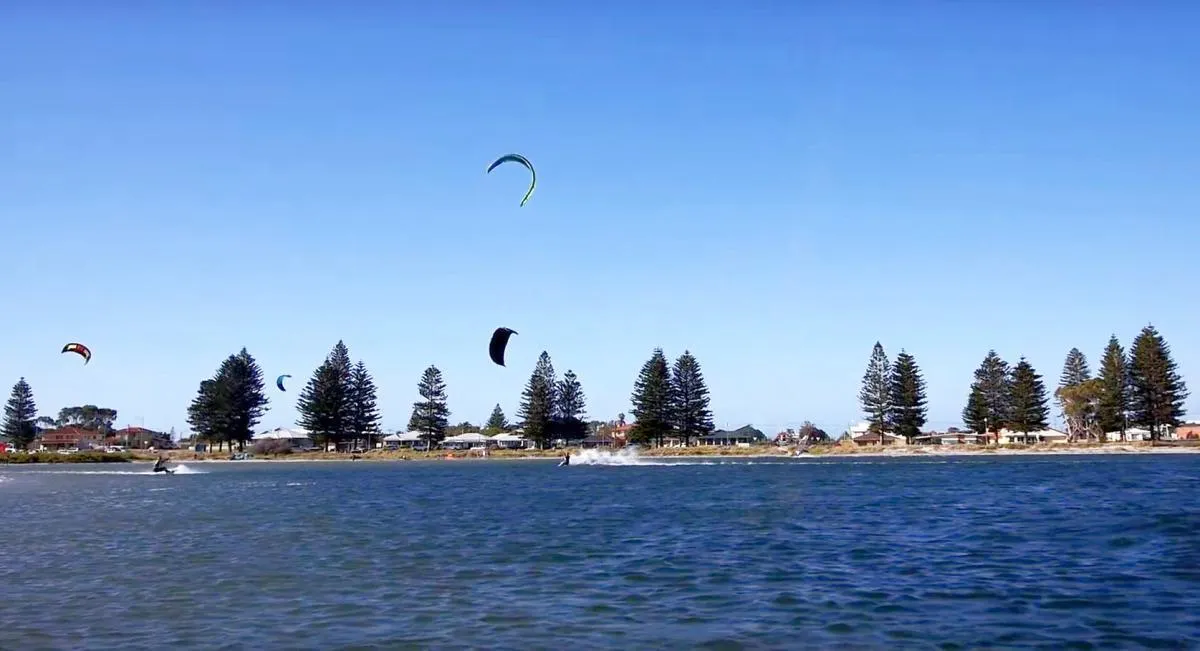
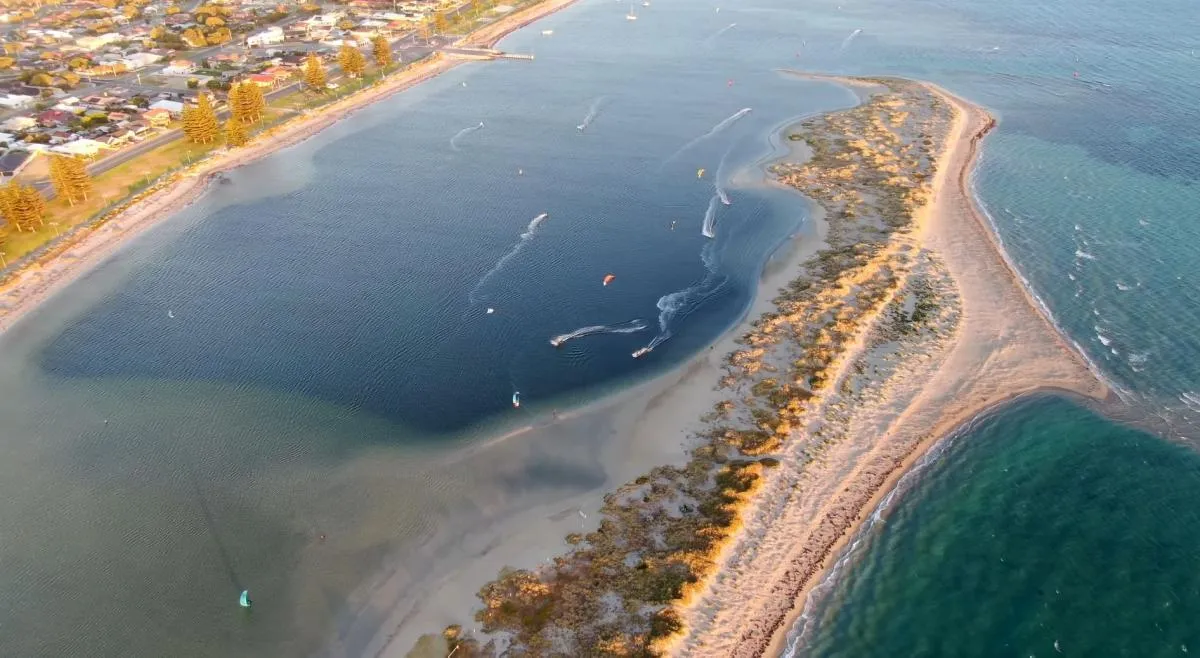
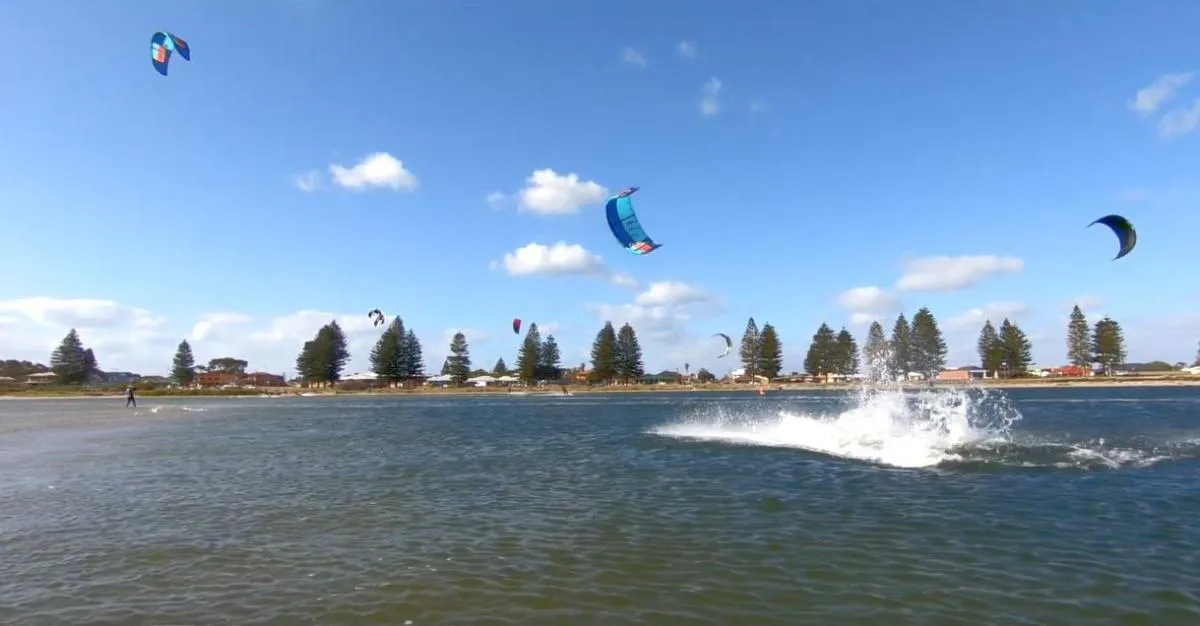
Safety Bay is one of Western Australia's best-known kitesurfing destinations, located near Rockingham, approximately 45 kilometres south of Perth. Famous for its sheltered flat water and reliable summer sea breezes, the spot attracts beginners, freestyle enthusiasts and experienced freeriders. Its defining feature is the contrast between the shallow lagoon known as The Pond and the more open waters of Safety Bay. This combination allows riders to choose between exceptionally smooth water for technical manoeuvres and slightly choppier conditions for longer freeriding sessions, making Safety Bay one of the Perth region's most versatile kiteboarding locations.
The main kitesurfing season runs from November through March, when the famous Fremantle Doctor sea breeze regularly develops along the Western Australian coastline. Predominantly southwesterly, these winds typically strengthen during the afternoon as the land heats up, often reaching 15–22 knots on favourable days. Stronger sessions are possible, particularly during the height of summer. The relatively consistent sea breeze provides excellent conditions for freestyle progression, freeriding and jumping. However, wind direction and strength can vary, and riders should check the forecast before launching, especially when conditions differ from the usual summer pattern.
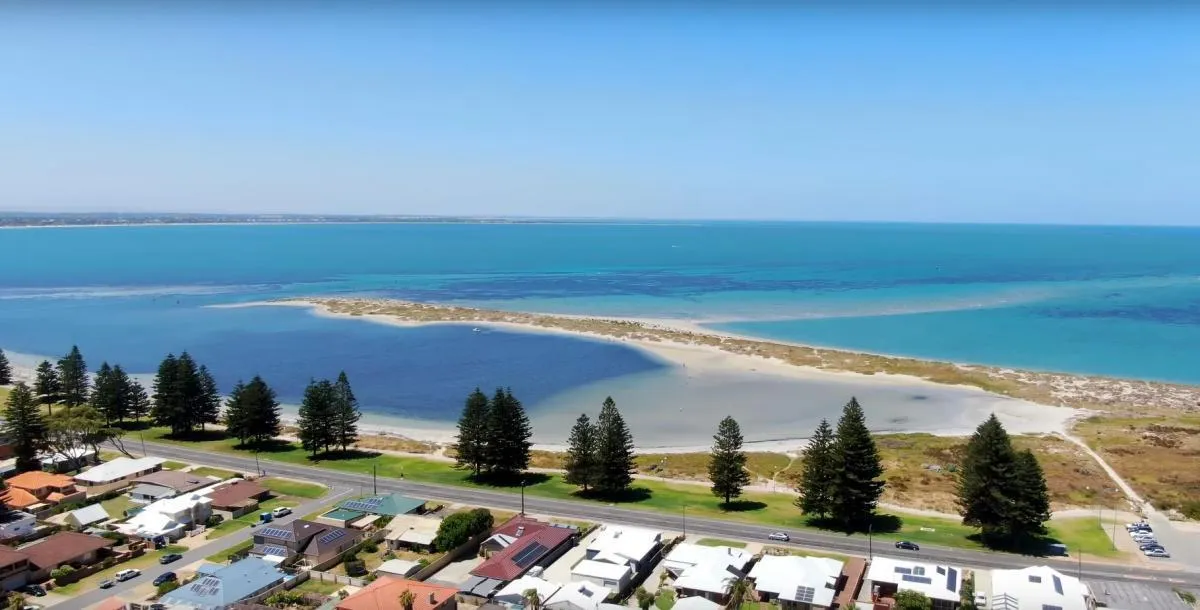
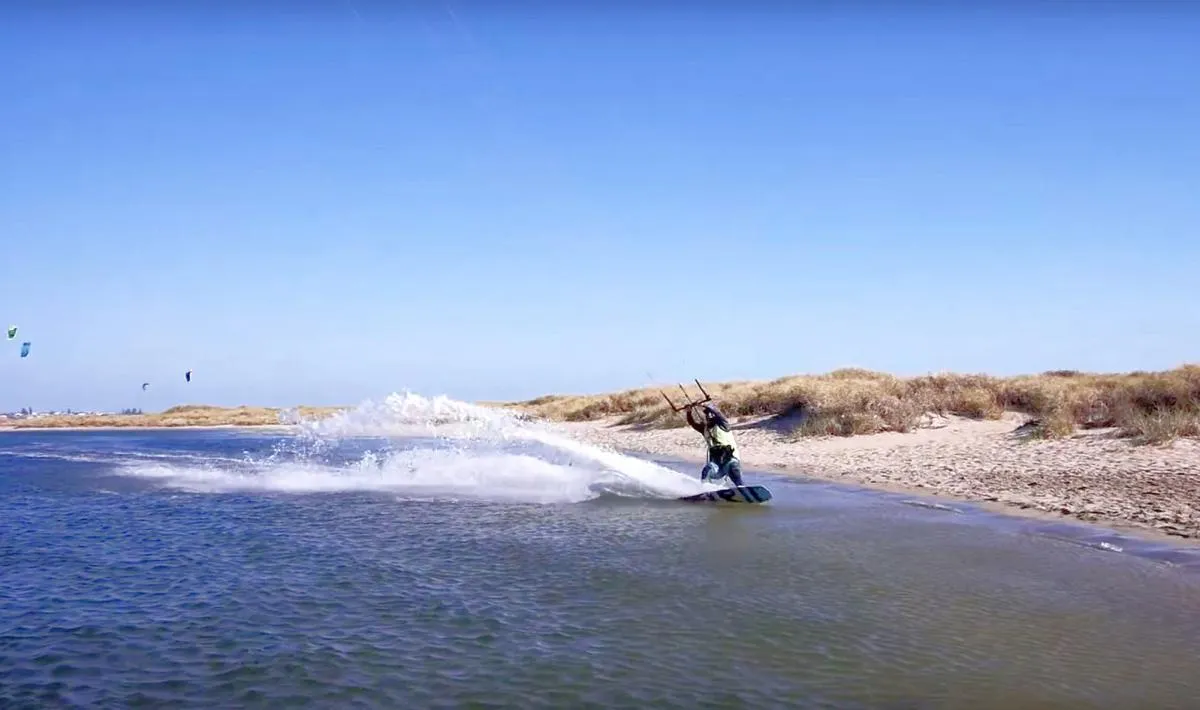
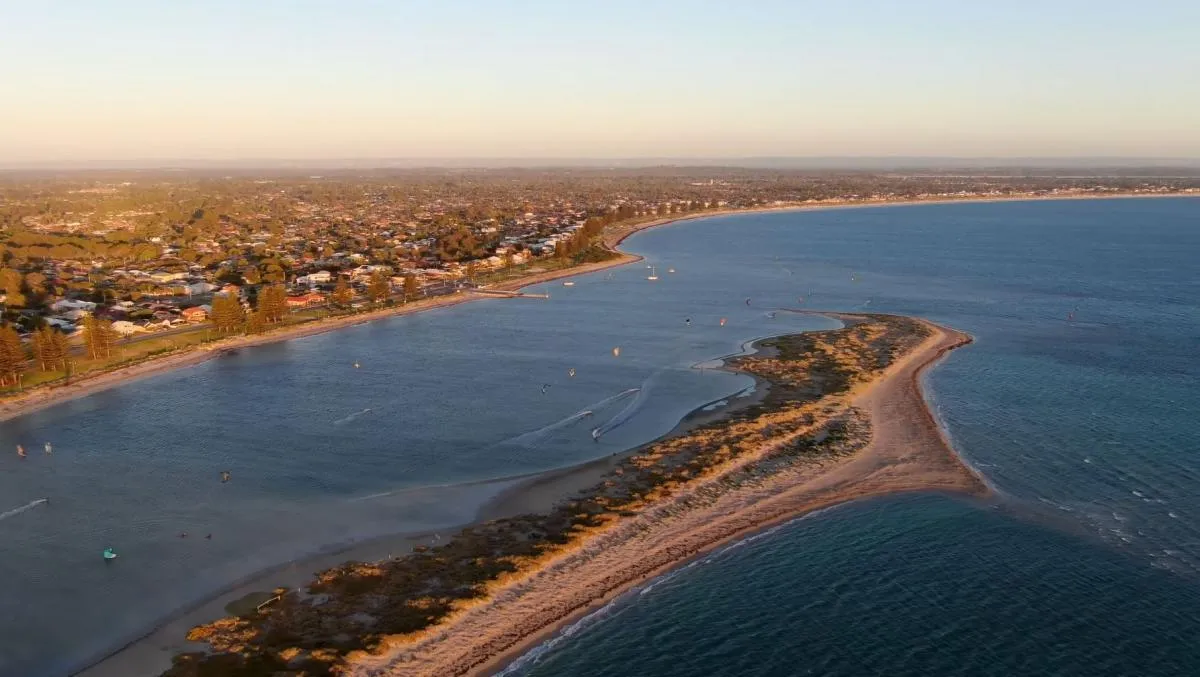
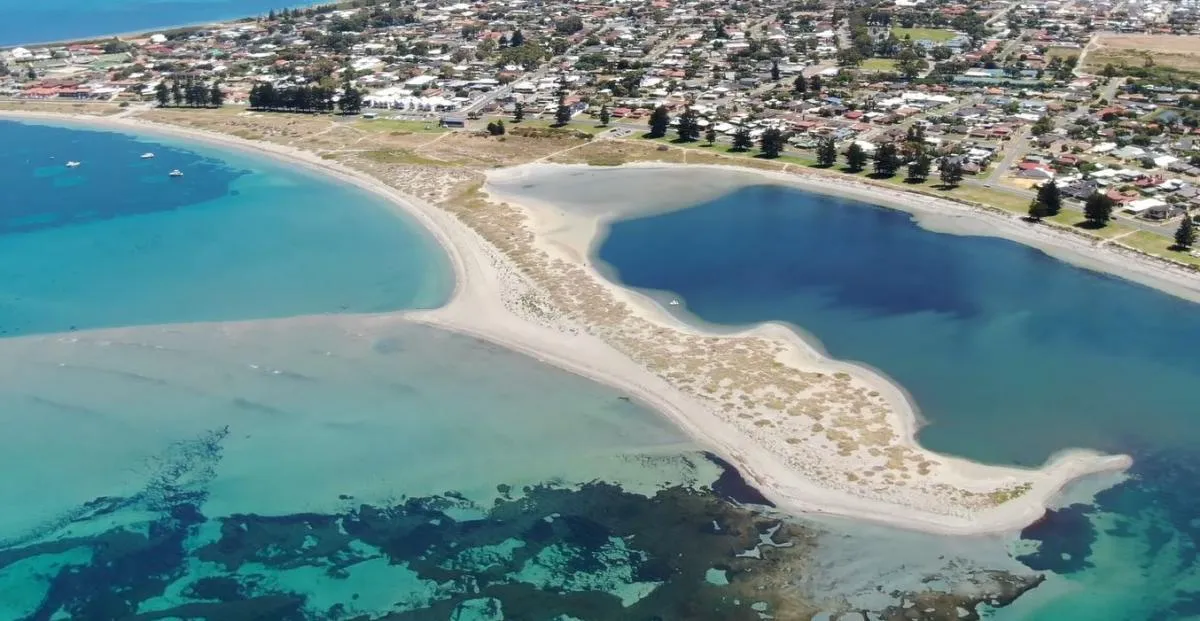
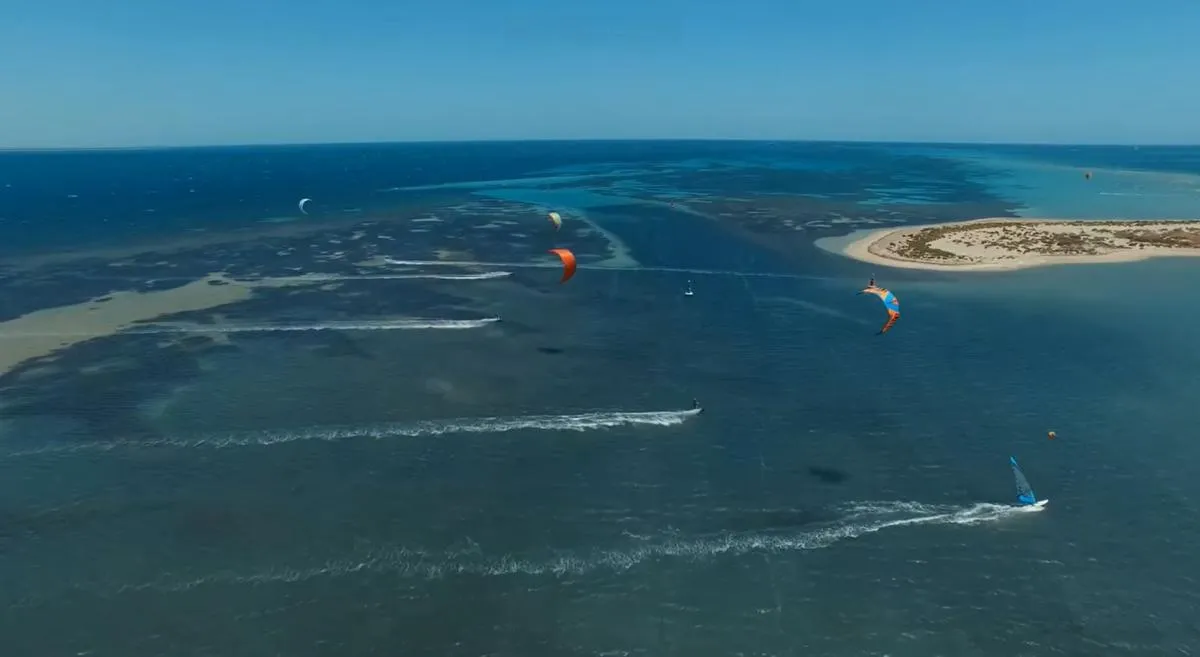
The Pond is the main attraction for flat-water enthusiasts. Protected by a natural sandbar and dune system, this shallow lagoon offers remarkably smooth water, making it particularly popular for freestyle, wakestyle and practising technical transitions. Its sandy bottom and relatively shallow sections can also provide suitable conditions for supervised beginner lessons. Experienced riders appreciate the opportunity to perform powered tricks without constantly negotiating chop. However, the lagoon's popularity means that space can become limited during peak afternoon winds, especially when kite schools and independent riders are sharing the water. Maintaining adequate separation is essential, particularly when jumping or practising unhooked manoeuvres.
Beyond The Pond, the more open waters of Safety Bay provide additional room for freeriding and longer tacks. Although still relatively sheltered compared with exposed ocean beaches, this area develops moderate wind chop as the afternoon breeze strengthens. Intermediate riders can enjoy practising upwind technique, transitions and controlled jumps, while experienced kitesurfers can explore more powered freeriding sessions. Deeper sections may also appeal to hydrofoil riders, provided sufficient clearance is maintained from shallow sandbanks. The contrast between the lagoon and the outer bay makes it possible to adapt a session to changing wind conditions, riding preferences and available space.
Launching and landing generally take place from sandy areas near the established kiteboarding access points, including sections around the yacht club and nearby parking areas. The main launching zones are not particularly wide, so careful equipment preparation and awareness of other riders are important. Access paths through the dunes connect the shoreline with nearby parking, but kites should only be launched in permitted areas with adequate clearance. During busy summer afternoons, the combination of lessons, freestyle sessions and arriving riders can create congestion on both the beach and water. Following local launching arrangements and keeping rigging areas clear helps reduce unnecessary risks.
Safety Bay accommodates different skill levels, but choosing the appropriate riding area is essential. Beginners should use designated teaching zones under professional supervision, while intermediate riders may prefer the more spacious outer bay. Advanced freestylers will find The Pond particularly rewarding when conditions are suitable and sufficient room is available. Water depth varies from knee-deep sandy flats to deeper channels, and tides can alter the available launching space and expose shallow sections. The principal hazards include overcrowding, collisions, shallow-water jumping and obstacles around the shoreline. Riders should respect local zoning, avoid performing tricks near beginners and check current access regulations before entering the water.
For anyone searching for kitesurfing in Safety Bay, flat-water kiteboarding at The Pond or reliable summer wind spots near Perth, this location offers an excellent combination of smooth lagoon water, open-bay freeriding and consistent afternoon sea breezes. Its greatest attraction is the ability to switch between technical freestyle sessions and longer freeriding runs without travelling to another beach. With sandy access, established kiteboarding activity and favourable conditions from November through March, Safety Bay remains one of Western Australia's most popular destinations for flat-water kitesurfing.
Something missing or out of date at this spot? Suggest a correction
Spot Gallery (9)
The Pond - Safety Bay is best suited for
Spot profile
Travel spot
The typical kite travel destination, it is known for its great conditions, and kiters from around the world come here for their vacations.
Local spot
Maybe not be worth a real journey to reach this spot, but great if you live close by and it is a windy day. In the end, being out on the water feels great anywhere
Equipment
Shorty in summer
Wind Conditions
Main wind directions at The Pond - Safety Bay
Windy days per month in The Pond - Safety Bay
Wind Speed Range
From 10 to 25 Knots
Suggested sizes
8 - 9 mt
10 - 11 mt
12 - 13 mt
14 mt and above
Forecast on Windy.com
Kitesurfing Safety & Local Rules at The Pond - Safety Bay
The main hazard at Safety Bay, near Perth in Western Australia, is overcrowding, particularly within The Pond during the busy summer season. Beginners, kite schools and freestyle riders often share a relatively confined flat-water area, increasing the risk of collisions, tangled kite lines and accidents during launching or landing. Maintain generous distances from other riders, respect right-of-way rules and avoid performing jumps or powered tricks near congested sections of the lagoon.
The Pond's shallow sandy bottom and shifting sandbanks present additional risks, especially during low tide. Sudden changes in water depth can cause injuries during hard landings or high-speed falls, while exposed sandbanks may damage boards and hydrofoil equipment. Check the depth before attempting manoeuvres and remain aware of changing conditions. In the outer bay, stronger afternoon sea breezes can generate chop, making board control and recovery more demanding.
The prevailing south to southwest winds are generally side-onshore or onshore, reducing the risk of being blown far offshore but increasing the possibility of drifting toward the beach or crowded launching areas. Maintain sufficient upwind clearance and avoid riding too close to shore, particularly when the wind strengthens. Although major rocks, reefs and dangerous currents are not significant concerns at the primary launch, riders should respect local school zones, established launching practices and any designated riding areas.
Location
Closest City
Perth
How to get There
The spot is easily reachable being in Perth Urban area,
Access
The spot is publicly accessible, with parking available along the street and near the yacht club, and access to the water via paths through the sand dunes. No special entry fee is required and the area is frequented by local schools as well as independent riders.
No-Wind Days: What to Do Around The Pond - Safety Bay
Located in the Rockingham region, approximately 45 kilometres south of Perth, Safety Bay combines beautiful coastal scenery with the convenience of a well-developed seaside community. Its sheltered waters, sandy beaches and relaxed atmosphere make it particularly appealing for families, couples and non-kiting partners. Unlike remote coastal destinations, Safety Bay offers easy access to cafés, restaurants, supermarkets, parks and everyday services. During no-wind days, visitors can explore nearby marine parks, discover local wildlife, enjoy coastal walks or take a day trip to Perth.
The beaches surrounding Safety Bay and Rockingham provide excellent opportunities for swimming, sunbathing, walking and relaxing beside the Indian Ocean. The sheltered sections of coastline are particularly attractive for families, although swimming conditions vary with tides, wind and local currents. Rockingham's foreshore features landscaped parks, playgrounds, picnic areas and waterfront cafés, creating a welcoming atmosphere for spending an entire day outdoors. Walking and cycling paths connect several coastal areas, offering beautiful ocean views and opportunities to explore the region at a leisurely pace.
One of the area's most popular natural attractions is Penguin Island, located just offshore from Shoalwater. This small island is part of the Shoalwater Islands Marine Park and is known for its seabird colonies, coastal scenery and population of little penguins. Seasonal ferry services provide access when the island is open, while guided wildlife cruises offer opportunities to observe the surrounding marine environment. Penguin sightings in the wild are not guaranteed, and the island is subject to seasonal closures to protect nesting wildlife. Visitors can check current access arrangements and conservation information through Western Australia's Department of Biodiversity, Conservation and Attractions.
The Shoalwater Islands Marine Park is another highlight, offering opportunities for kayaking, stand-up paddleboarding, snorkelling and marine wildlife observation when conditions are suitable. The protected waters contain limestone reefs, seagrass meadows and small islands that provide habitats for fish, seabirds and other marine species. Dolphins are sometimes observed in the surrounding waters, while sea lions may be encountered on responsible guided wildlife cruises. Visitors should respect wildlife exclusion zones and maintain appropriate distances from animals. Guided tours are particularly useful for exploring the marine park safely and learning about its ecology.
For travellers interested in exploring farther along the coast, Point Peron, also known as Cape Peron, offers spectacular views across the Indian Ocean and Cockburn Sound. Its rocky headlands, sandy coves and coastal walking trails make it an excellent destination for photography, hiking and nature observation. The area is particularly beautiful during sunset, when the limestone formations and surrounding water take on warm colours. Visitors can explore established trails and viewpoints, although caution is necessary around exposed rocks and cliff edges. Nearby beaches provide additional opportunities for swimming and relaxing in suitable conditions.
Rockingham's town centre and waterfront offer a good selection of restaurants, cafés, pubs and casual dining options. Visitors can enjoy fresh seafood, contemporary Australian cuisine, international dishes and relaxed beachfront meals. The foreshore is particularly pleasant for coffee, ice cream or sunset dining after a day outdoors. Shopping centres, supermarkets and local services make longer stays convenient, while occasional markets and community events contribute to the area's welcoming atmosphere. Nightlife is generally relaxed compared with central Perth, with local pubs and restaurants providing most evening entertainment.
Perth is close enough for an enjoyable day trip, offering a wide range of cultural attractions, shopping and entertainment. Visitors can explore Kings Park and Botanic Garden, discover the city's museums and galleries or enjoy restaurants and cafés along the Swan River. Fremantle is another attractive excursion, known for its historic architecture, markets, maritime heritage and lively dining scene. The region's official tourism website, Destination Perth, provides information about attractions, events and experiences throughout Perth and its surrounding coastal areas.
Accommodation around Safety Bay and Rockingham ranges from affordable motels and self-catering apartments to holiday houses, beachfront rentals and comfortable hotels. Staying near Rockingham's foreshore provides convenient access to restaurants, shops and recreational facilities, while Safety Bay and Shoalwater offer quieter residential surroundings close to the beaches. Families and groups may particularly appreciate self-catering accommodation with kitchens and additional space. Perth and Fremantle provide further options for visitors who prefer a more urban base. Booking ahead is advisable during school holidays and popular summer weekends.
Safety Bay is easily reached by road from Perth, with the journey generally taking around 40–55 minutes depending on traffic. Perth Airport is the nearest major international gateway. Public transport connects Rockingham with metropolitan Perth through the rail network and local bus services, although a rental car provides greater flexibility for exploring beaches and attractions. Cycling and walking are convenient around the foreshore, while local shops and restaurants are generally within a short drive of the main beach areas.
With its sheltered coastline, excellent facilities and proximity to some of Western Australia's most attractive marine environments, Safety Bay offers plenty to enjoy beyond kitesurfing. Whether exploring Penguin Island, kayaking through Shoalwater Islands Marine Park, walking around Point Peron or discovering Perth and Fremantle, visitors will find a rewarding combination of nature, relaxation and urban convenience. Its family-friendly atmosphere and varied accommodation make Safety Bay particularly suitable for groups and non-kiting partners looking for a comfortable coastal holiday.
Other kitesurfing spots near The Pond - Safety Bay
All kitesurfing spots in Australia
Last updated: