
Kitesurfing in San Pedro
San Pedro · Belize
- Spot type Flat
- Rider level beginner
- Water Crystal Clear
- Beach Sand
- Crowd Few people
- Tide effect None
Kitesurfing in San Pedro: Conditions, Wind & Season
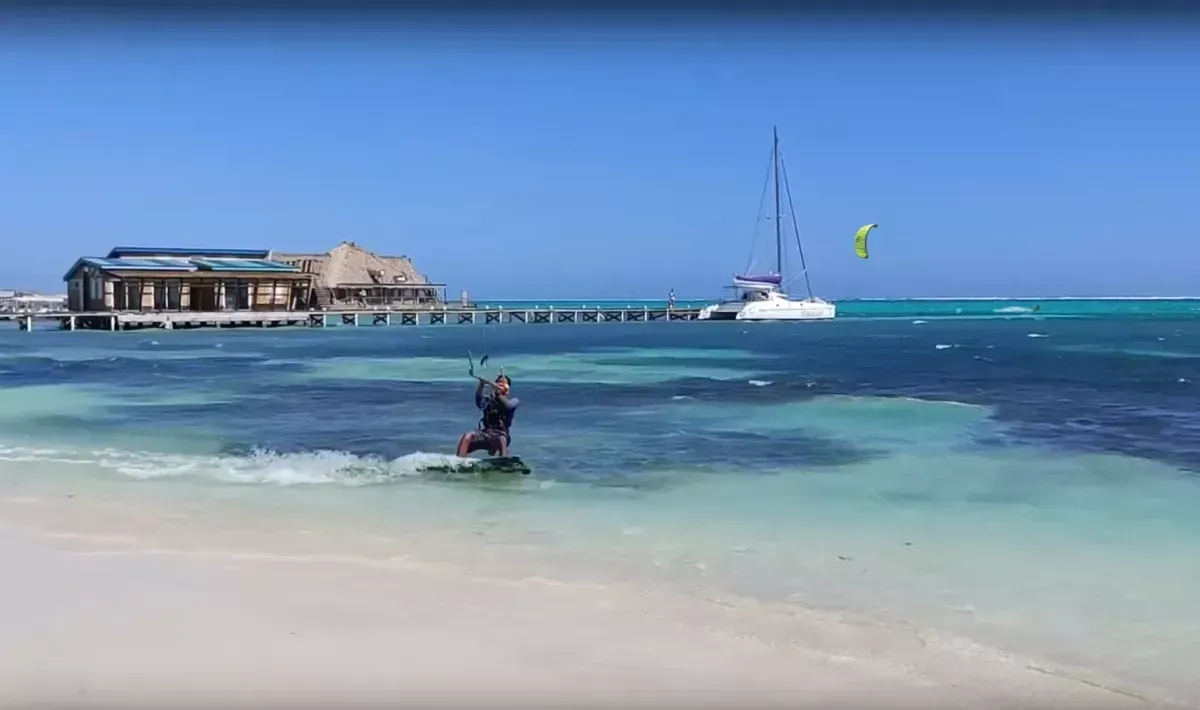
San Pedro is one of Belize's most attractive kitesurfing destinations, located on Ambergris Caye, a long Caribbean island off the country's northeastern coast, approximately 55 kilometres northeast of Belize City. The spot combines warm tropical waters, seasonal easterly trade winds and the protection of the Belize Barrier Reef, creating an appealing environment for freeriding, freestyle and learning to kitesurf. Unlike exposed ocean beaches, much of the riding takes place inside the reef, where the shallow lagoon offers relatively flat water and limited swell. The combination of accessible riding areas, clear turquoise water and established local kite schools makes San Pedro an interesting destination for riders looking for Caribbean kitesurfing conditions with a mixture of sheltered water and more demanding offshore opportunities.
The main kitesurfing season in San Pedro generally extends from November through May, when easterly and east-southeasterly trade winds provide the most reliable conditions. During favourable periods, wind speeds can reach approximately 15–25 knots, although lighter days and stronger weather systems are also possible. The most consistent conditions are often associated with the winter and spring months, when regional pressure patterns support the Caribbean trade winds. Afternoon sessions can be particularly enjoyable when the breeze strengthens, but the exact timing varies from day to day. Riders should check local forecasts and wind readings rather than assuming that strong winds will develop every afternoon.
Outside the principal trade-wind season, particularly during the summer and early autumn, conditions tend to become less predictable. Rideable winds can still occur, but extended light-wind periods are more common, making it harder to plan a trip exclusively around kitesurfing. Tropical weather systems may also influence the area during the Atlantic hurricane season, which runs from June through November. Although Ambergris Caye can offer occasional sessions throughout the year, visitors seeking the best chance of consistent wind should generally concentrate on the winter and spring months. Flexibility remains important because even during the main season, several lighter days may occur between stronger wind periods.
The defining geographical feature of San Pedro is the Belize Barrier Reef, which runs parallel to the eastern side of Ambergris Caye. This extensive reef system acts as a natural barrier against much of the open Caribbean swell, creating a protected lagoon between the island and the reef. Inside the lagoon, riders can often enjoy flat to lightly choppy water, particularly when wind strength is moderate. These conditions are attractive for freeriding, practising transitions and developing freestyle techniques. However, the lagoon is not uniformly deep or obstacle-free, and its shallow coral areas, seagrass beds and boat channels require careful navigation.
Water conditions change significantly outside the reef, where the open Caribbean Sea is exposed to larger swell and more pronounced wind-driven chop. Experienced riders may find opportunities for challenging freeriding and wave-oriented sessions when the wind and sea state are favourable. However, reaching the outer reef area requires careful planning because shallow coral formations, reef passages and changing currents can make navigation hazardous. Crossing the reef should never be attempted without reliable local knowledge and an appropriate route through a recognised channel. For most visiting kitesurfers, the sheltered lagoon provides the more practical and accessible riding environment.
Launching and landing are among the most important considerations when kitesurfing in San Pedro. Much of the island's eastern shoreline is relatively narrow, with piers, buildings, vegetation and other obstacles restricting the available space. Unlike destinations with long, uninterrupted sandy beaches, suitable kite launching areas are limited and should be selected carefully. The Boca del Rio area, toward the northern side of San Pedro town, has been associated with local kitesurfing activity, although current access arrangements and permitted launching locations should always be confirmed with local operators. Assisted launching is advisable where space is restricted, and riders should avoid setting up near piers or crowded sections of shoreline.
The protected lagoon can provide suitable conditions for beginner lessons when the wind is moderate, the water depth is appropriate and an unobstructed teaching area is available. Relatively smooth water helps students practise kite control, body dragging and their first water starts without having to manage significant breaking waves. However, the presence of shallow coral and other submerged obstacles means that not every section of the lagoon is suitable for learning. Beginners should use established kite schools with qualified instructors who understand the local conditions and can identify safe teaching zones. Independent beginners should not assume that shallow water automatically makes the spot safe.
Intermediate riders can enjoy San Pedro for relaxed freeriding, improving upwind performance and practising transitions in the sheltered water behind the reef. During stronger trade-wind days, the relatively flat surface can also be attractive for freestyle manoeuvres and controlled jumps, provided sufficient water depth is available. Experienced riders may appreciate the possibility of exploring longer reaches within the lagoon, although navigation requires attention to coral patches, boat traffic and restricted areas. Hydrofoil kitesurfing may be possible in deeper sections, but the shallow seabed and scattered obstacles make local knowledge particularly important. Foil riders should identify suitable channels and avoid areas where the mast could strike coral or other submerged formations.
Coral is the principal natural hazard around San Pedro. The Belize Barrier Reef and associated shallow formations contain sharp, fragile structures that can cause serious injuries or damage equipment if struck. Some coral patches lie close to the surface, particularly in shallower sections of the lagoon, and may be difficult to identify when the water is choppy or visibility is reduced. Riders should avoid jumping over shallow coral, dragging boards across reef areas or walking on living coral. Protective footwear may help in some sandy or rocky access areas, but it does not make crossing coral safe. Respecting the reef is essential both for personal safety and for protecting the marine environment.
Boat traffic is another important consideration, particularly near San Pedro town and the island's numerous piers. Water taxis, fishing boats and recreational vessels may use channels through the lagoon, creating potential conflicts with kitesurfers. Riders should maintain a safe distance from navigation routes, avoid crossing directly in front of moving boats and remain alert to vessels approaching from either direction. Wind direction also deserves attention, as easterly winds generally blow toward the island along much of the eastern shoreline, while changes in direction can alter the safety of particular launching areas. Riders should identify an appropriate downwind landing option and avoid offshore conditions without reliable rescue support.
Secret Beach, on the western side of Ambergris Caye, is sometimes mentioned as an alternative location for flat-water riding. Its sheltered waters can appear attractive, particularly during lighter wind conditions, but the leeward position relative to the prevailing easterly trades means that wind exposure may be less reliable and more turbulent. Shallow water, boat activity and limited launching space can also restrict its suitability for kitesurfing. Riders considering Secret Beach should verify current permissions and conditions locally rather than assuming it offers the same established riding opportunities as the eastern side of the island. The reef-side lagoon generally remains the more relevant area for planning regular kitesurfing sessions.
Local kitesurfing schools and operators provide an important source of information about suitable launching locations, equipment requirements and current water conditions. Depending on the operator and season, lessons, equipment rental and assisted sessions may be available, while rescue arrangements should be confirmed before launching rather than assumed. Most riders visiting during the trade-wind season will benefit from bringing a selection of small and medium-sized kites, with larger equipment useful for lighter days. Actual kite size depends on rider weight, board choice and wind strength. Water temperatures generally remain around 26–29°C throughout the year, making boardshorts, rash guards and lightweight sun protection sufficient for most sessions.
For riders searching for kitesurfing in San Pedro, flat-water kite spots on Ambergris Caye or Caribbean kitesurfing destinations in Belize, this reef-protected location offers an appealing combination of seasonal trade winds, warm water and varied riding conditions. Its greatest strengths are the relatively smooth lagoon water, opportunities for freeride and freestyle progression, and the availability of local kitesurfing instruction. However, restricted launching space, shallow coral formations and boat traffic require careful preparation and respect for local guidance. With the right wind conditions and a suitable launching area, San Pedro can provide rewarding kitesurfing sessions in one of the Caribbean's most distinctive reef environments.
Something missing or out of date at this spot? Suggest a correction
Spot Gallery (4)
San Pedro is best suited for
Spot profile
- Travel spotA proven kite destination with reliable conditions, worth a trip. Kiters fly in from all over the world for their kite holidays, and you will probably find schools, rentals and a lively kite scene nearby.
- Family spotEasy to visit with family and friends. Facilities are close by and non-kiters have plenty to do while you are on the water, so everyone enjoys the day, whether they kite or not.
Equipment
Given the warm water temperature, a regular swimsuit or boardshorts is typically sufficient, although some may prefer a shorty wetsuit for added comfort
Wind Conditions
Main wind directions
Windy days per month
Share of the days with more than 10 knots.
Wind speed range
15 - 25 knots
Calculate your kite size
Estimate for a rider of your weight at San Pedro: kite size = weight / wind speed x 2.2, adjusted for the kite shape and aspect ratio. Board, skills and gusts change the ideal size.
Forecast on Windy.com
Kitesurfing Safety & Local Rules at San Pedro
The main hazards at San Pedro, on Ambergris Caye in Belize, come from shallow coral formations and occasional rocky sections near the shoreline. Contact with coral can cause injuries and damage kiteboards or hydrofoil equipment, particularly during low tide or uncontrolled falls. Riders should check water depth carefully, avoid jumping over shallow reef areas and use established access routes where available.
Piers and docks extending from the shoreline present additional obstacles, especially when launching, landing or riding close to the coast. Although the lagoon provides a wide riding area with plenty of room to remain clear of these structures, riders should maintain generous safety distances and avoid approaching piers in gusty or underpowered conditions.
Boat traffic is another important consideration, particularly around San Pedro's busy waterfront and popular recreational areas. Fishing boats, tour vessels and other watercraft may cross the riding area, so constant awareness and respect for navigation routes are essential. Currents are generally manageable, but wind and tidal conditions can still affect a rider's ability to return safely. Maintain a safe distance from boats, swimmers and other water users.
How to reach San Pedro
- Closest citySan Pedro
- How to get thereSan Pedro can be reached by flying into Philip S. W. Goldson International Airport in Belize City, followed by a short domestic flight or a water taxi to the island. For those already in Belize, a drive to Belize City and then a boat or flight transfer to San Pedro is a common route
- AccessPublic and occasionally through beach clubs or restaurants
No-Wind Days: What to Do Around San Pedro
Beyond kitesurfing, San Pedro offers an exceptional variety of activities on Ambergris Caye, Belize's largest and most popular island destination. Located in the Caribbean Sea, northeast of Belize City, San Pedro combines turquoise waters, tropical beaches, colourful streets and a relaxed island atmosphere. The town is an excellent base for discovering the Belize Barrier Reef, exploring nearby marine reserves and enjoying traditional Caribbean cuisine. For a kitesurfing trip with non-kiters or a family holiday in Belize, there are plenty of activities to enjoy during no-wind days, from snorkelling and diving to boat excursions, fishing and cultural sightseeing.
One of the main attractions is the Belize Barrier Reef, part of the UNESCO-listed Belize Barrier Reef Reserve System and one of the most remarkable marine ecosystems in the Caribbean. The reef runs along the eastern side of Ambergris Caye and supports an extraordinary diversity of coral formations, tropical fish, rays, turtles and other marine species. Organised snorkelling and diving excursions provide opportunities to discover this underwater environment with experienced local guides. The reef's protected areas are subject to conservation regulations, and visitors should avoid touching coral or disturbing marine wildlife. More information about its international significance is available through the UNESCO World Heritage Centre.
Hol Chan Marine Reserve is one of the most popular excursions from San Pedro. Located a short boat ride south of town, this protected marine area is famous for its clear water, coral formations and abundant tropical marine life. Guided snorkelling trips explore designated areas where visitors may encounter colourful reef fish, sea turtles, rays and other species. Nearby Shark Ray Alley is particularly well known for its nurse sharks and southern stingrays, although wildlife encounters are never guaranteed. Visitors should choose responsible operators who follow marine reserve regulations and avoid unnecessary contact with animals. These excursions are especially enjoyable for families and non-kiting partners interested in discovering Belize's underwater environment.
For experienced divers, the Great Blue Hole is one of Belize's most famous natural attractions. Located within Lighthouse Reef Atoll, this enormous underwater sinkhole is recognised worldwide for its remarkable geological formation and deep blue water. Diving excursions from Ambergris Caye are available through selected operators, although the journey is long and the dive itself requires appropriate qualifications and experience. Snorkelling opportunities may be included at other reef sites during some excursions, but the Blue Hole's principal attraction is its dramatic underwater structure. Visitors who prefer a less demanding experience can explore the numerous shallower dive sites closer to San Pedro, where coral gardens and tropical marine life provide rewarding underwater scenery.
Another popular destination is Secret Beach, located on the western side of Ambergris Caye. Despite its name, this beach has become a well-known attraction, with waterfront restaurants, beach bars and shallow turquoise water. Its sheltered setting can be particularly appealing for swimming, relaxing and enjoying a leisurely lunch, although water conditions and facilities vary. Visitors can reach Secret Beach by golf cart or organised transport, travelling along roads that pass through less-developed parts of the island. The area is especially attractive for spending a relaxed afternoon away from the busier streets of San Pedro, with opportunities to enjoy Caribbean food, refreshments and beautiful views across the lagoon.
San Pedro town itself is full of character, with colourful buildings, sandy streets, small shops and a lively waterfront atmosphere. Visitors can explore local markets, browse souvenir shops and discover the island's mixture of Belizean, Caribbean and Central American cultural influences. Golf carts are the most common form of local transport, making it easy to explore different parts of Ambergris Caye at a relaxed pace. The town offers numerous cafés, beach bars and restaurants, many within walking distance of the waterfront. Evening strolls are particularly enjoyable, when the atmosphere becomes lively and visitors gather for dinner, music and drinks overlooking the Caribbean Sea.
Food is an important part of the San Pedro experience, with restaurants serving a mixture of traditional Belizean dishes, Caribbean seafood and international cuisine. Popular local specialities include rice and beans with stewed chicken, fresh grilled fish, ceviche, fry jacks and dishes influenced by Maya and Mestizo culinary traditions. Seafood is particularly prominent, although lobster and conch are subject to regulated fishing seasons and conservation restrictions. Visitors can enjoy casual meals at beachfront restaurants, sample street food or choose from more sophisticated dining options at the island's resorts. San Pedro's relaxed atmosphere makes it easy to combine excellent food with beautiful coastal surroundings.
For travellers who enjoy outdoor activities, Ambergris Caye offers numerous opportunities for kayaking, paddleboarding, sailing and recreational fishing. Guided boat excursions explore the island's coastal waters, mangrove areas and nearby reef environments, while fishing trips may target different species depending on the season and local regulations. Catch-and-release fly fishing is particularly associated with Belize's shallow coastal flats, where bonefish, permit and tarpon attract anglers from around the world. Sunset cruises provide another enjoyable way to experience the island, with beautiful views across the Caribbean Sea and surrounding waters. Excursions depend on weather and sea conditions, so advance planning is recommended.
Nature enthusiasts can explore the northern part of Ambergris Caye, where the landscape becomes quieter and less developed. Coastal lagoons, mangrove forests and shallow wetlands provide important habitats for birds, fish and other wildlife. Guided nature excursions can offer opportunities to observe herons, egrets and other coastal bird species while learning about the island's delicate ecosystems. Bacalar Chico National Park and Marine Reserve, at the northern end of Ambergris Caye, protects important coastal and marine habitats and forms part of the Belize Barrier Reef Reserve System. Access generally requires an organised excursion, and visitors should check current arrangements with local operators before travelling.
For those interested in Belize's ancient Maya heritage, San Pedro can serve as a starting point for excursions to archaeological sites on the mainland. Lamanai, one of the country's most impressive Maya sites, is particularly famous for its monumental temples and jungle surroundings. Visiting typically involves a combination of boat transfers and overland transport, making it a full-day excursion that requires careful organisation. Other mainland attractions include wildlife sanctuaries, tropical forests and traditional communities, although travel times from Ambergris Caye can be substantial. Visitors planning cultural excursions should consider spending additional time on the mainland to explore Belize beyond its islands.
Accommodation in San Pedro ranges from budget-friendly guesthouses and small hotels to boutique beachfront properties, self-catering apartments and luxury resorts. Staying close to the town centre provides convenient access to restaurants, shops, tour operators and nightlife, while properties farther north or south often offer a quieter atmosphere and more spacious surroundings. Many resorts provide swimming pools, beachfront facilities, restaurants and assistance with arranging excursions. Families and non-kiting partners may appreciate accommodation with direct access to recreational activities, while independent travellers can find smaller properties within walking distance of San Pedro's main attractions. Golf cart rentals and water taxis make exploring the island relatively convenient, although travel times depend on road conditions and the location of the accommodation.
For anyone planning a kitesurfing holiday in San Pedro and wondering what else there is to do, Ambergris Caye offers an outstanding combination of marine adventures, Caribbean culture and tropical relaxation. A no-wind day can include snorkelling at Hol Chan Marine Reserve, swimming at Secret Beach, exploring San Pedro's colourful streets or joining a sailing or fishing excursion. Families and non-kiting partners can enjoy beautiful beaches, resort facilities and guided wildlife experiences, while adventurous travellers can discover remote marine reserves or organise excursions to Belize's ancient Maya sites. With its spectacular barrier reef, welcoming island atmosphere, excellent restaurants and wide choice of accommodation, San Pedro is an exceptional destination for combining kitesurfing with a memorable Caribbean holiday in Belize.