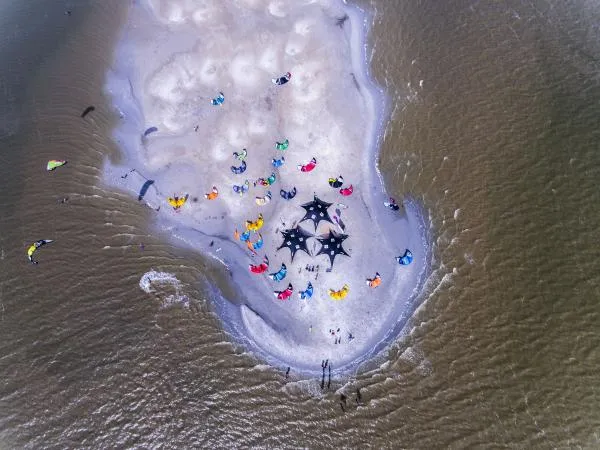
Kitesurfing in Kampot Bay Beach
Kampot · Cambodia
- Spot type Flat
- Rider level beginner
- Water Dark - Clear
- Beach Sand
- Crowd Some bystanders
- Tide effect None
Kitesurfing in Kampot Bay Beach: Conditions, Wind & Season
Kampot Bay Beach is an emerging kitesurfing location on Cambodia's southern coast, approximately 7 kilometres from the town of Kampot, overlooking the coastal waters of the Gulf of Thailand. Set against the distinctive landscape of the Bokor Mountains, with Phu Quoc Island visible across the water, the area offers a quieter alternative to Southeast Asia's more established kitesurfing destinations. Its main attractions are the relatively sheltered bay, shallow coastal water and warm tropical climate, which can provide enjoyable conditions for learning, freeriding and improving basic kite control. Unlike exposed ocean beaches with powerful surf, Kampot Bay is characterised by generally small waves and wind-driven chop, although actual riding conditions depend strongly on the monsoon season, wind direction and tidal stage.
The bay's broad coastal setting provides an appealing environment for kitesurfing, with open water extending toward the Gulf of Thailand and the surrounding shoreline offering several potential access points. The relatively protected geography reduces exposure to large ocean swell, creating water conditions that can range from smooth to moderately choppy depending on wind strength. During lighter winds, the surface may remain comparatively flat, while stronger breezes generate short, closely spaced chop across the more exposed sections. These conditions are particularly attractive for freeriding and learning fundamental manoeuvres, although the suitability of any specific launching area must be assessed individually. Not every section of the coastline offers the same water depth, seabed conditions or unobstructed access.
Wind conditions around Kampot are influenced by Cambodia's tropical monsoon climate. The northeast monsoon, generally active from November through March or April, is associated with the drier season and can provide favourable kitesurfing opportunities when the wind reaches the coast with a suitable direction and sufficient strength. The southwest monsoon, which typically dominates from approximately May through October, brings wetter weather and different wind patterns, sometimes accompanied by stronger gusts and thunderstorms. Local geography, including the nearby Bokor Mountains, can influence airflow and create variations in wind strength and direction around the bay. Riders should therefore check forecasts for the specific beach rather than assuming that regional monsoon winds will always produce consistent kitesurfing conditions.
The most promising period for planning a kitesurfing visit is generally the dry season, particularly between November and March, when northeast monsoon winds are more likely to provide suitable riding opportunities. December, January and February are often considered favourable months for wind-dependent activities along Cambodia's southern coast, although the frequency of rideable days can vary considerably. Kampot should not be regarded as a destination with guaranteed strong daily winds, and some periods may require larger kites or light-wind equipment. During the wet season, suitable sessions may still occur, but changing weather conditions, heavy rainfall and the possibility of thunderstorms make careful forecasting especially important. Flexibility is valuable when planning a trip around this developing kitesurfing area.
The shallow coastal waters are one of Kampot Bay's main attractions for beginner kitesurfers. During suitable tidal stages, some sections may provide enough standing depth for practising kite control, body dragging and initial water starts without the additional challenge of breaking ocean waves. The relatively smooth surface can make it easier to develop balance and board control, while warm water temperatures allow comfortable practice without the need for heavy thermal protection. However, shallow water is not automatically safer, particularly when the seabed is hard, uneven or contains shells and other obstacles. Beginners should learn under qualified supervision and use designated teaching areas where wind direction, depth and launching space are appropriate.
Intermediate riders can enjoy freeriding across the more open sections of the bay when the wind is sufficiently strong and steady. The sheltered water provides opportunities to practise transitions, improve upwind performance and develop controlled carving manoeuvres. During stronger wind periods, small chop may offer natural ramps for modest jumps, although shallow water makes powered landings and aggressive freestyle tricks potentially hazardous. The spot is generally better suited to relaxed freeriding and technical progression than to extreme big-air kitesurfing. Experienced riders seeking high-powered conditions should assess the actual wind strength carefully, as the tropical monsoon does not necessarily produce the same consistent strong winds found at more established destinations such as Mui Ne in Vietnam.
Tides influence the available riding area and water depth along Kampot's coastline. At higher tidal stages, more shallow sections become submerged, potentially providing additional room for freeriding and easier access to deeper water. As the tide falls, exposed sand or mud flats may reduce the usable area, while some sections become too shallow for safe board riding. Tidal currents can also develop near channels, river mouths and coastal inlets, particularly where water flows between the bay and the surrounding estuarine system. Riders should check local tide tables and familiarise themselves with the depth profile before launching. A section that appears suitable at high tide may become difficult or unsafe to navigate a few hours later.
The seabed around Kampot Bay can vary between sand, mud and mixed coastal sediment, with shells, rocks or submerged debris possible in certain areas. The nearby river and estuarine environment can also influence water clarity, particularly following heavy rainfall or during strong tidal movement. As a result, the water may appear greenish or brown rather than transparent, making it difficult to identify shallow obstacles from the surface. Protective footwear can be useful when walking through unfamiliar nearshore sections. Riders should avoid jumping over shallow water and remain alert to fishing equipment, mooring lines or other obstacles associated with local coastal activity. Checking the seabed and access route before entering the water is particularly important for visitors unfamiliar with the location.
Launching and landing conditions depend on the specific beach access point and the amount of unobstructed shoreline available. Although parts of the bay offer open coastal space, vegetation, buildings, fishing equipment and other obstacles may restrict safe kite handling in some areas. Wind direction must be considered carefully, as offshore winds can make returning to shore difficult, while directly onshore winds may leave insufficient room to move safely away from the beach. Riders should choose launching areas with generous clearance, avoid flying powered kites over people and maintain adequate separation from boats and other water users. Local schools or experienced riders can provide valuable information about the most suitable access points and any current restrictions.
Kampot Bay's relatively sheltered conditions may appeal to beginner and intermediate kitesurfers, but the location still requires careful attention to safety. Shallow water, changing tides and variable monsoon winds can create challenges that are not immediately obvious from the beach. Beginners should receive professional instruction and avoid independent sessions until they have developed reliable kite control and self-rescue skills. Intermediate riders may find enjoyable conditions for freeriding and improving technique, while advanced riders can explore the bay during stronger wind periods. However, the spot is not primarily known for powerful waves or consistently strong winds, making it less suitable for dedicated wave specialists or riders seeking guaranteed high-wind freestyle sessions.
Hydrofoil kitesurfing may be possible in deeper sections of the bay, particularly during lighter wind periods when conventional twin-tip riding becomes difficult. However, shallow coastal flats, submerged obstacles and changing tidal levels can restrict suitable foil routes. Riders must identify sufficient water depth before launching and remain cautious near fishing areas or river channels. Wing-foiling may also offer opportunities when the wind is moderate and the water is deep enough, although the same access and navigation considerations apply. The relatively sheltered bay can provide attractive conditions for controlled foil cruising, but local knowledge is important for avoiding shallow sections and understanding how tides affect the available water area.
The tropical climate is another advantage of kitesurfing in Kampot. Water temperatures remain warm throughout the year, and most riders can enjoy sessions without a conventional wetsuit. A lightweight rash guard or protective top is often sufficient for thermal comfort while providing protection from the strong tropical sun. During the dry season, daytime conditions are generally warm, with lower rainfall and more comfortable humidity than during the wettest months. However, prolonged sun exposure, dehydration and sudden weather changes remain important considerations. During the southwest monsoon, thunderstorms and rapidly developing squalls can produce dangerous gusts, making it essential to leave the water well before threatening weather approaches.
Kampot's kitesurfing infrastructure is smaller and less established than that of major international destinations. Local instruction and equipment services may be available, but their operation, seasonal availability and rescue arrangements should be confirmed before travelling. Independent riders should not assume that dedicated rescue boats or immediate technical assistance will be present. The relatively quiet riding environment can be appealing to those seeking less crowded water, but it also means that sessions may take place with few other kitesurfers nearby. Reliable self-rescue skills, appropriate equipment and a clear understanding of the wind direction are essential. Visitors should also respect local fishing activity and avoid interfering with nets, boats or working coastal areas.
For riders searching for kitesurfing in Kampot, beginner-friendly kite spots in Cambodia or alternative kitesurfing destinations along the Gulf of Thailand, Kampot Bay Beach offers an appealing combination of warm tropical water, relatively sheltered conditions and seasonal monsoon winds. Its greatest strengths are the potential for shallow-water learning, relaxed freeriding and a quieter atmosphere than many established Southeast Asian kite centres. However, variable wind reliability, changing tidal depths, local fishing activity and limited dedicated infrastructure require realistic expectations and careful preparation. For beginners receiving appropriate instruction and intermediate riders willing to plan around the weather, Kampot Bay can provide an enjoyable introduction to kitesurfing along Cambodia's southern coastline.
Something missing or out of date at this spot? Suggest a correction
Spot Gallery (8)


Kampot Bay Beach is best suited for
Spot profile
Travel spot
The typical kite travel destination, it is known for its great conditions, and kiters from around the world come here for their vacations.
Adventure spot
That dream place out of the normal touristic routes. Once you reach it, you feel in paradise, it can be anything extraordinary, a hidden gem, remote and fascinating.
Equipment
When you are a beginner maybe some shoes are nice when entering or exiting the beach. Just bring you Lycra to protect you from the sun.
Wind Conditions
Main wind directions at Kampot Bay Beach
Windy days per month in Kampot Bay Beach
Wind Speed Range
From 11 to 35 Knots
Suggested sizes
7 mt and below
8 - 9 mt
10 - 11 mt
12 - 13 mt
14 mt and above
Forecast on Windy.com
Kitesurfing Safety & Local Rules at Kampot Bay Beach
The main hazard at Kampot Bay Beach is offshore wind, which can carry riders away from the shoreline and into deeper water. Although the bay is generally shallow and beginner-friendly, the ability to stand on the bottom should never be taken for granted. Riders drifting too far offshore may suddenly find themselves unable to touch the seabed, making board recovery, kite relaunching and returning to shore considerably more difficult.
Offshore winds are particularly dangerous for beginners or riders who struggle to maintain their position upwind. Even in flat water, equipment failure, fatigue or a dropped kite can quickly become a serious problem when the wind pushes away from land. **Always arrange reliable boat support when riding in offshore conditions**, and avoid entering the water if rescue assistance is unavailable.
Shallow sections of the bay also require care, particularly when attempting jumps or riding hydrofoil equipment. Water depth can vary across the riding area, so avoid assuming that every section is equally safe. Check wind direction and local conditions before launching, stay within the area covered by rescue support and maintain sufficient distance from other riders and water users.
Location
Closest City
Kampot
How to get There
2.5 hour taxi drive from Phnom Penh International airport
Access
Departure from Villa Vedici hotel 20mins speedboat drive to the island.
No-Wind Days: What to Do Around Kampot Bay Beach
Beyond kitesurfing, Kampot Bay Beach offers an excellent opportunity to discover one of Cambodia's most charming and relaxed regions. Located approximately seven kilometres from Kampot town, near the Gulf of Thailand, the beach is surrounded by beautiful coastal scenery, with views towards Bokor Mountain and the distant island of Phu Quoc. Unlike Cambodia's busier tourist destinations, Kampot is known for its peaceful riverside atmosphere, colonial-era architecture, pepper plantations and spectacular natural landscapes. The region offers a wide variety of activities for travellers who want to combine a kitesurfing holiday with sightseeing, outdoor adventures and cultural experiences. For a kitesurfing trip with non-kiters or a family holiday in southern Cambodia, Kampot provides plenty of opportunities to explore, relax and enjoy the local lifestyle.
One of the most enjoyable experiences is exploring Kampot town itself, located along the banks of the Praek Tuek Chhu River. The town is famous for its colourful colonial-era buildings, relaxed cafés, riverside restaurants and lively local markets. Visitors can wander through the historic streets, discover small boutiques and enjoy traditional Cambodian cuisine alongside a growing selection of international restaurants. The riverside promenade is particularly attractive during the late afternoon, when locals and travellers gather to enjoy the cooler temperatures and beautiful sunset views. Kampot's compact centre is easy to explore on foot or by bicycle, making it particularly appealing for visitors seeking a slower pace of travel. The combination of traditional Cambodian life and relaxed traveller culture gives Kampot a distinctive atmosphere.
One of the region's most spectacular attractions is Bokor National Park, located in the mountains west of Kampot. The winding road climbing towards Bokor Mountain offers beautiful views across the coastal plains, the Gulf of Thailand and, on clear days, the distant island of Phu Quoc. Visitors can explore forested landscapes, scenic viewpoints and historic buildings associated with the former Bokor Hill Station, developed during the French colonial period. The atmospheric remains of the old hill station, including its historic church and other structures, create an unusual setting surrounded by mountain scenery. Weather conditions can change rapidly at higher elevations, with mist and cooler temperatures common even when the coast is sunny. The park is an excellent destination for photography, sightseeing and discovering a different side of southern Cambodia.
The Kampot region is internationally famous for its pepper, considered one of Cambodia's most distinctive agricultural products. Visiting a traditional Kampot pepper plantation is one of the most rewarding cultural experiences in the area. Guided tours explain how pepper vines are cultivated, harvested and processed, while tastings introduce visitors to the different varieties, including black, red and white pepper. The plantations are often surrounded by beautiful rural landscapes, with limestone hills, rice fields and traditional villages providing a picturesque backdrop. Some farms also offer restaurants or opportunities to purchase locally produced pepper directly from growers. Kampot pepper is protected by a geographical indication, reflecting its close connection to the region's agricultural heritage. Further information about this designation is available through the Organization for an International Geographical Indications Network.
For travellers interested in nature and adventure, the limestone caves around Kampot provide fascinating opportunities for exploration. Phnom Chhngok Cave Temple is one of the area's best-known attractions, featuring a small ancient brick sanctuary within a limestone cave. Reaching the site involves travelling through rural countryside and climbing steps into the cave system, where visitors can admire unusual rock formations and learn about the area's historical and religious significance. Other limestone hills around Kampot contain caves and scenic viewpoints, although accessibility and safety conditions vary. Visitors should wear suitable footwear, carry a flashlight where necessary and consider hiring a local guide for unfamiliar cave systems. The combination of natural geology, rural scenery and ancient heritage makes these excursions particularly memorable.
Another enjoyable activity is exploring the Kampot River by kayak or stand-up paddleboard. The river and its surrounding waterways offer beautiful scenery, with mangroves, riverside vegetation and traditional fishing communities creating a peaceful environment. Guided kayaking excursions allow visitors to discover quieter channels and observe local wildlife while enjoying the region's tropical landscape. Some sections of the river are particularly attractive during the early morning or late afternoon, when temperatures are cooler and the light creates beautiful reflections across the water. Visitors should choose suitable routes and remain aware of boat traffic, currents and changing weather conditions. Kayaking is particularly appealing for non-kiting partners who want to enjoy water-based activities at a slower pace.
Sunset river cruises are among Kampot's most popular evening experiences. Small boats depart from the town's waterfront and travel along the river, offering views of the surrounding mountains, riverside villages and tropical vegetation. As the sun sets, the landscape takes on warm colours, creating excellent opportunities for photography. Some excursions continue after dark in areas where fireflies may be visible among the riverside trees, although sightings depend on season, weather and environmental conditions. Cruises vary from simple sightseeing trips to more social experiences with refreshments or music. Choosing an operator that respects wildlife and avoids disturbing sensitive habitats helps preserve the natural environment. A river cruise is an enjoyable way to spend a relaxing evening after exploring the region.
For visitors seeking waterfalls and freshwater scenery, the area around the Tuek Chhu River offers several popular recreational destinations. The Tuek Chhu rapids area, located outside Kampot town, is known for its rocky river sections, surrounding greenery and local picnic atmosphere. Cambodian families often visit during weekends and holidays to relax beside the water and enjoy food from nearby vendors. Water levels and currents change considerably between the dry and rainy seasons, so swimming should only be considered where conditions are clearly suitable. The surrounding countryside also provides opportunities for scenic drives, photography and discovering rural villages. These excursions offer a refreshing alternative to the coast, particularly during hot weather.
The nearby coastal town of Kep is another excellent destination for a day trip from Kampot Bay Beach. Located east of Kampot, Kep is famous for its seafood, relaxed seaside atmosphere and scenic coastal setting. The Kep Crab Market is one of the area's best-known attractions, where visitors can enjoy freshly prepared crab and other seafood dishes, often seasoned with locally grown Kampot pepper. The town also features a small beach, waterfront promenades and attractive views towards nearby islands. Kep National Park offers walking trails through forested hills, with viewpoints overlooking the Gulf of Thailand and the surrounding countryside. The combination of coastal scenery, seafood and nature makes Kep particularly appealing for couples and families looking for a relaxed excursion.
For a more adventurous coastal experience, visitors can explore Rabbit Island, also known as Koh Tonsay, located offshore from Kep. This small tropical island is accessible by boat and offers sandy beaches, simple beachfront restaurants and a peaceful atmosphere away from the mainland. Visitors can spend the day swimming in suitable conditions, relaxing beneath palm trees or walking along accessible sections of the shoreline. Facilities are basic compared with larger tourist islands, which contributes to its relaxed character. Boat services depend on weather and sea conditions, so visitors should confirm departure arrangements and return times in advance. Rabbit Island is particularly attractive for travellers seeking a quiet beach day surrounded by tropical scenery.
Kampot's surrounding countryside is also ideal for exploring by bicycle, scooter or organised guided tour. Quiet rural roads pass through rice fields, traditional villages, pepper plantations and limestone hills, providing an interesting glimpse of everyday Cambodian life. Visitors can stop at local markets, photograph the countryside or discover small temples and agricultural communities. Quad-bike excursions and other organised outdoor activities may also be available through local operators, although routes and safety standards should be checked before booking. The landscape is particularly beautiful during the greener months, when the rice fields and surrounding vegetation become lush and vibrant. Travellers should remain aware of road conditions, traffic and seasonal flooding, especially when exploring independently.
For those who prefer a more relaxed holiday, Kampot offers a welcoming selection of riverside guesthouses, boutique hotels, cafés and wellness-oriented accommodation. Many properties feature gardens, swimming pools or terraces overlooking the river, providing peaceful places to unwind between excursions. The town's restaurant scene combines traditional Khmer dishes with international influences, while local bars and cafés offer live music and social evenings in a relaxed setting. Visitors can sample Cambodian specialities, fresh seafood and dishes featuring the region's famous pepper. Kampot's relatively compact size makes it easy to combine sightseeing with leisurely meals, shopping and quiet afternoons by the river. The town is particularly appealing for travellers who enjoy a balance between outdoor activities and comfortable downtime.
For anyone planning a kite trip to Kampot Bay Beach and wondering what else there is to do, southern Cambodia offers an impressive variety of cultural attractions, natural landscapes and outdoor adventures. A no-wind day can include exploring Kampot's historic streets, visiting a pepper plantation, discovering the caves of Phnom Chhngok or enjoying panoramic views from Bokor Mountain. Families and non-kiting partners can take a sunset river cruise, explore the countryside or enjoy fresh seafood in Kep, while more adventurous travellers can visit Rabbit Island or discover the region's forests and waterfalls. With its relaxed atmosphere, beautiful scenery and convenient access to some of Cambodia's most distinctive attractions, Kampot Bay Beach is an excellent destination for combining kitesurfing with a varied and memorable holiday along the Gulf of Thailand.
Local Kitesurfing Schools
Following you can find links to the page of the kitesurfing schools which operate on this spot. From there you can contact them through our form or directly via email or phone (if it was provided by them on the page).