
Kitesurfing in Las Terrenas Kite Beach
Las Terrenas · Dominican Republic
- Spot type Flat
- Rider level beginner
- Water Crystal Clear
- Beach Sand
- Crowd Seasonal crowd
- Tide effect None
Kitesurfing in Las Terrenas Kite Beach: Conditions, Wind & Season
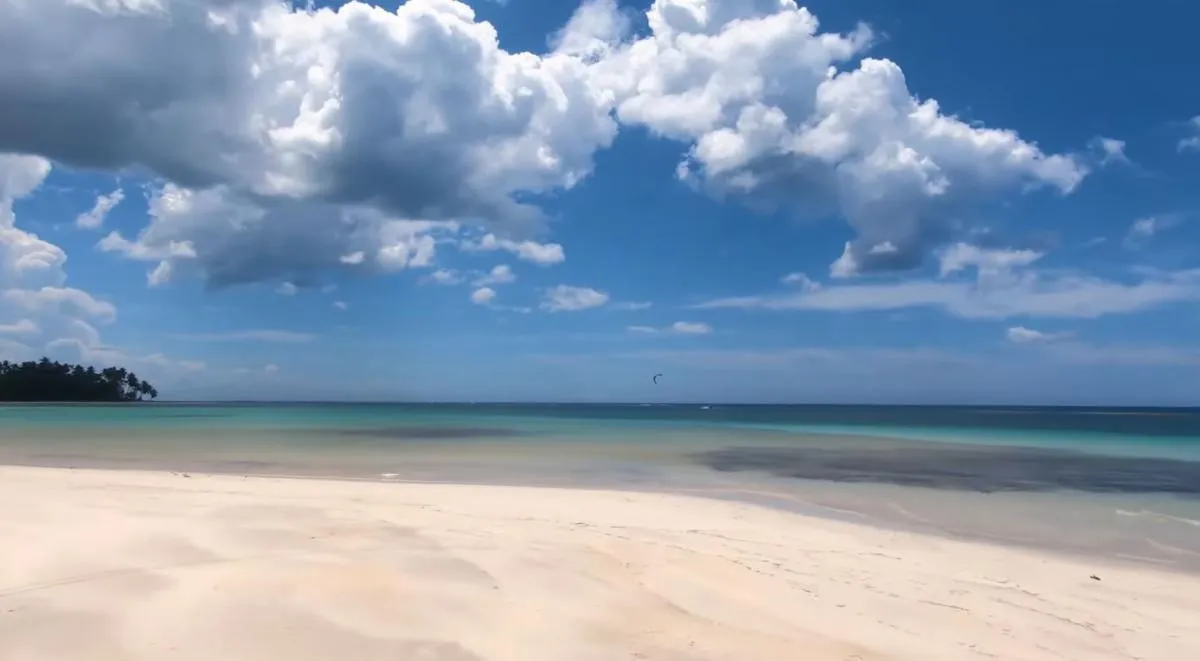
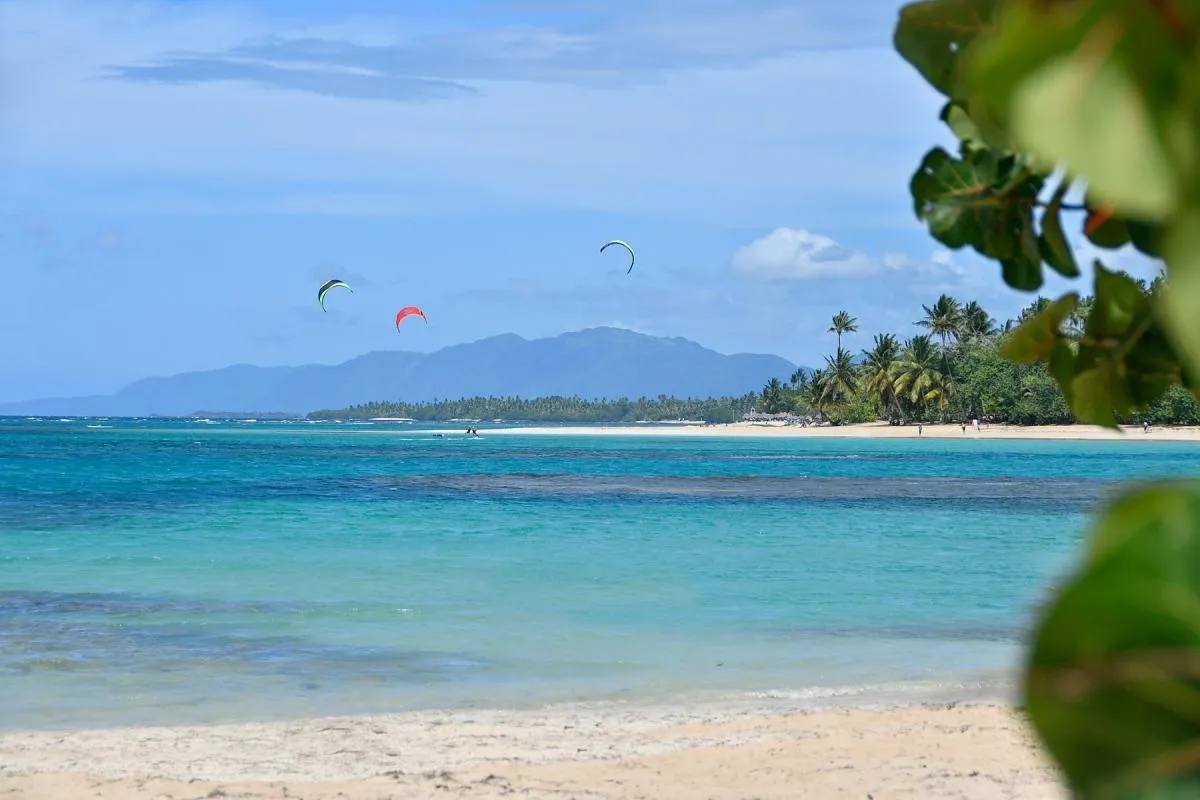
Las Terrenas Kite Beach, commonly associated with the El Portillo kitesurfing area, is one of the Dominican Republic's attractive alternatives to the internationally renowned Cabarete. Located near Las Terrenas on the northern coast of the Samaná Peninsula, in Samaná Province, this Caribbean kitesurfing destination combines seasonal trade winds, afternoon thermal breezes and reef-protected water. Its relatively open coastline and sheltered sections provide opportunities for freeriding, freestyle and beginner progression when conditions are suitable. Compared with some of the busier riding areas around Cabarete, El Portillo can offer a more relaxed kitesurfing environment, although wind strength, water depth and launching conditions still require careful assessment.
The main kitesurfing area is situated around El Portillo, east of Las Terrenas, where the coastline provides favourable exposure to the prevailing easterly and east-northeasterly trade winds. These winds frequently reach the beach with a side-shore or slightly side-onshore component, depending on the exact direction and launching position. The combination of regional trade winds and local thermal effects can produce enjoyable afternoon sessions, particularly during the warmer months. However, wind quality varies with the weather, and sections of the coastline may experience different angles or localised turbulence. Riders should assess conditions at the actual launching area rather than relying exclusively on forecasts for Las Terrenas town.
Kitesurfing opportunities around Las Terrenas can extend from December through September, although wind reliability is not uniform throughout this period. The most promising conditions are generally associated with established trade-wind patterns and periods when afternoon thermal enhancement strengthens the breeze. Winter and spring can provide regular riding opportunities, while summer may also deliver enjoyable afternoon sessions. During autumn, particularly October and November, winds are often lighter or less predictable. The northern Dominican Republic is also influenced by Atlantic weather systems, so wind and sea conditions can change considerably between seasons. Visitors planning a dedicated kitesurfing trip should check recent local wind patterns rather than assuming consistent conditions throughout the entire year.
A typical windy day at El Portillo often begins with relatively light morning conditions before the breeze strengthens around midday or early afternoon. During favourable weather, the wind may become suitable for kitesurfing from approximately 1 PM, with the most enjoyable sessions frequently occurring through the middle and later afternoon. The breeze can remain active until around 6 PM, although its duration depends on cloud cover, regional pressure patterns and local heating. Wind speeds of approximately 15–20 knots are commonly associated with suitable riding conditions, while stronger or lighter days are also possible. This afternoon wind pattern makes equipment flexibility useful, particularly for riders who want to make the most of changing conditions.
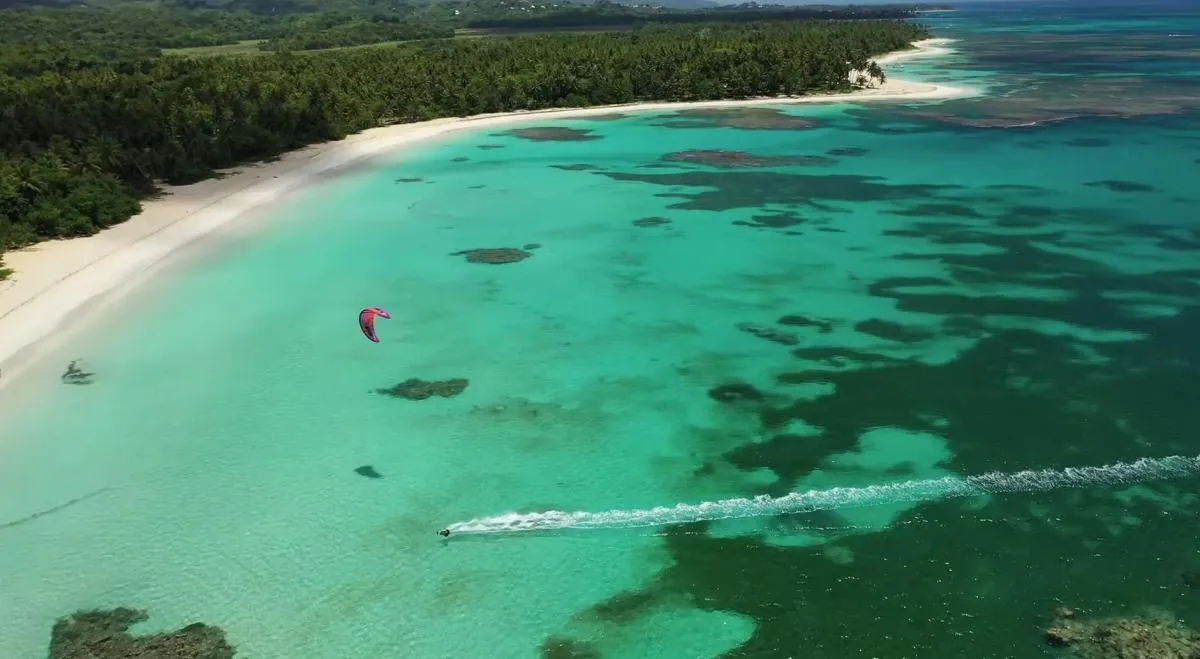
One of the principal attractions of Las Terrenas Kite Beach is the relatively protected water created by the surrounding coastal geography and offshore reef formations. These natural barriers reduce some of the open Atlantic swell, producing sections of flat to lightly choppy water during moderate winds. The smoother areas are particularly attractive for freeriding, practising transitions and developing freestyle manoeuvres. However, the water is not uniformly flat, and exposed sections can experience more pronounced chop or breaking waves depending on wind strength and swell direction. Riders should identify the most suitable area for their discipline and avoid assuming that the entire bay offers the same level of protection.
The reef system plays an important role in shaping the riding conditions at El Portillo. By reducing the energy of incoming swell, it creates calmer water closer to shore while allowing larger waves to break farther offshore. During smaller swell periods, the protected sections can provide enjoyable conditions for beginner progression and technical freestyle practice. When stronger Atlantic swell arrives, waves may become more noticeable near reef passages and exposed parts of the coastline. These changing conditions can appeal to experienced riders who enjoy combining freeriding with occasional wave-oriented sessions. However, approaching reef breaks requires caution because shallow coral and uneven seabed formations may lie beneath the breaking waves.
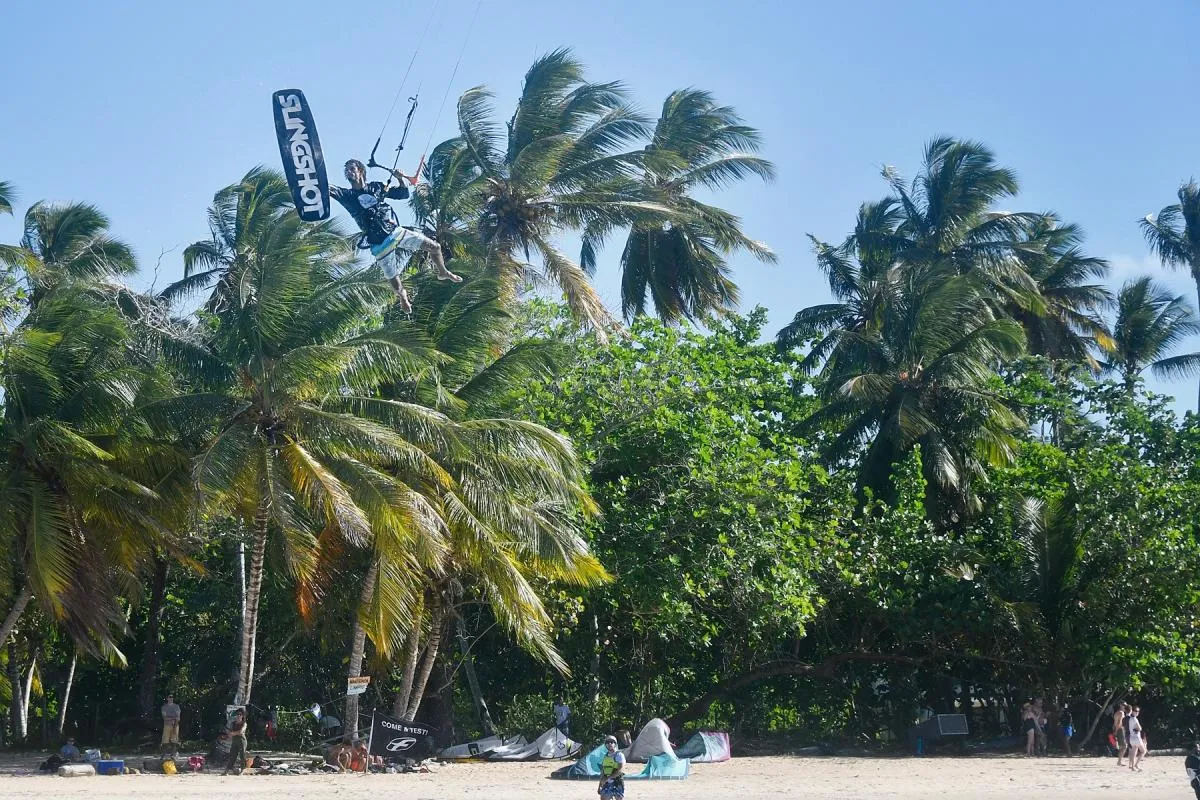
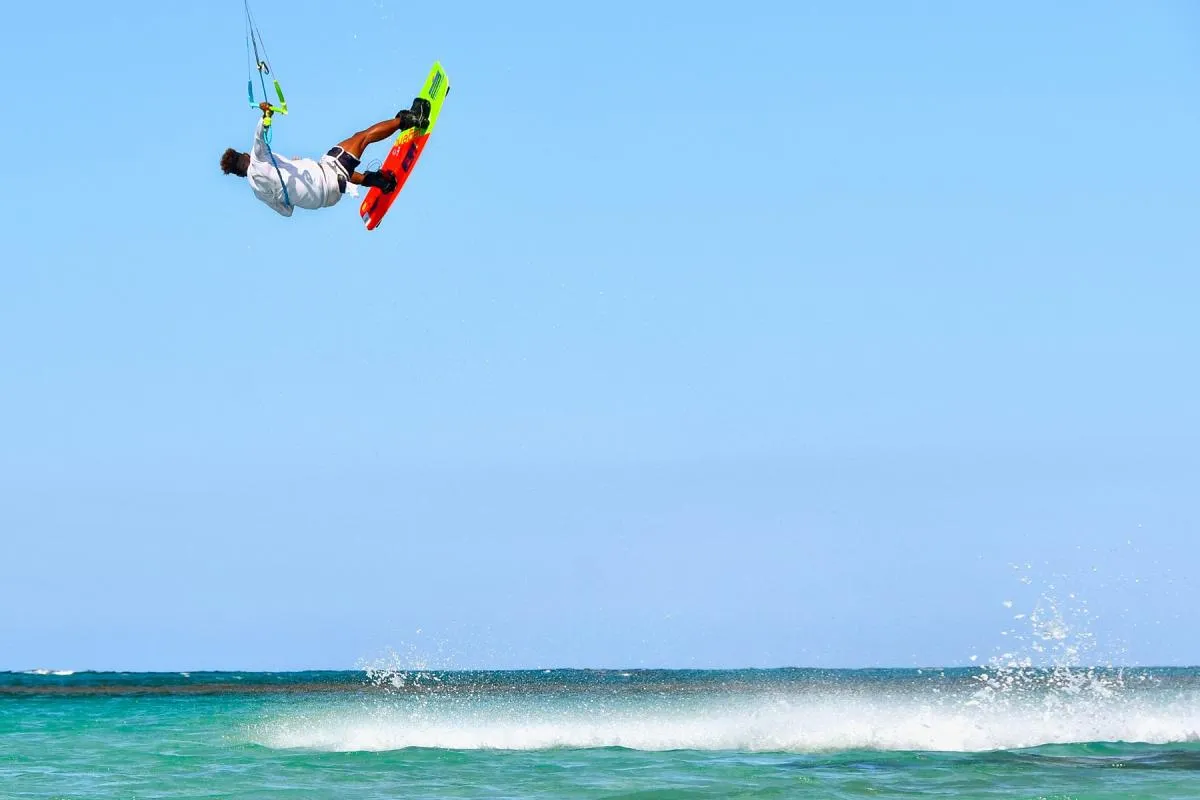
Freeriding is one of the main disciplines suited to Las Terrenas Kite Beach. Intermediate riders can enjoy relatively long reaches along the coast, practise transitions and improve their upwind technique in manageable water conditions. The afternoon wind can provide enough power for controlled jumps and more dynamic riding when it strengthens. Freestyle enthusiasts may appreciate the smoother sections behind the reef, particularly when the water remains flat enough for technical manoeuvres. Wakestyle riding may also be possible in suitable areas, although the presence of shallow reef formations means that powered tricks and hard landings should only be attempted where sufficient water depth is confirmed. The spot is best approached as a varied freeride and freestyle location rather than a permanently flat-water lagoon.
Beginners can benefit from the relatively sheltered sections of El Portillo when the wind is moderate, the sea state is manageable and suitable teaching space is available. Reduced wave exposure can make it easier to practise kite control, body dragging and first water starts without having to manage significant shorebreak. However, the presence of reef formations, changing water depth and potentially side-shore winds means that instruction should take place in carefully selected areas. New riders should learn with qualified local instructors who understand the coastline and can provide appropriate supervision. The availability of lessons, rental equipment and rescue assistance should be confirmed with local operators before arriving, as services may vary with the season.
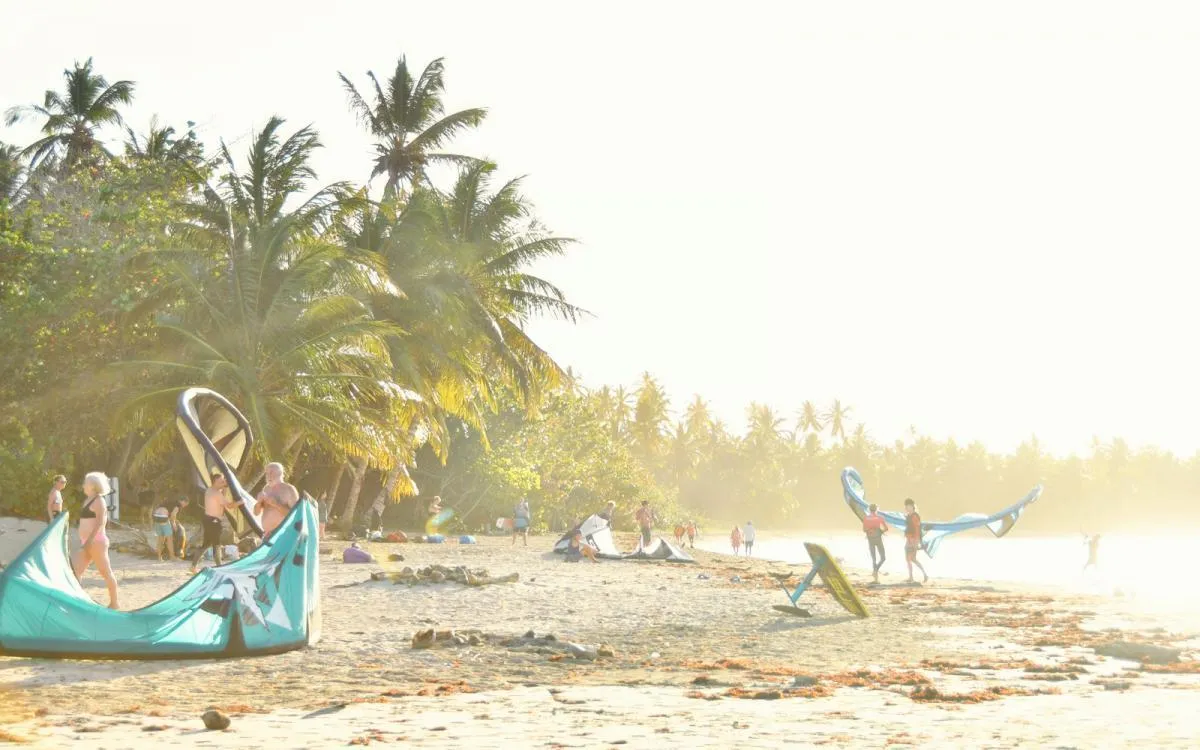
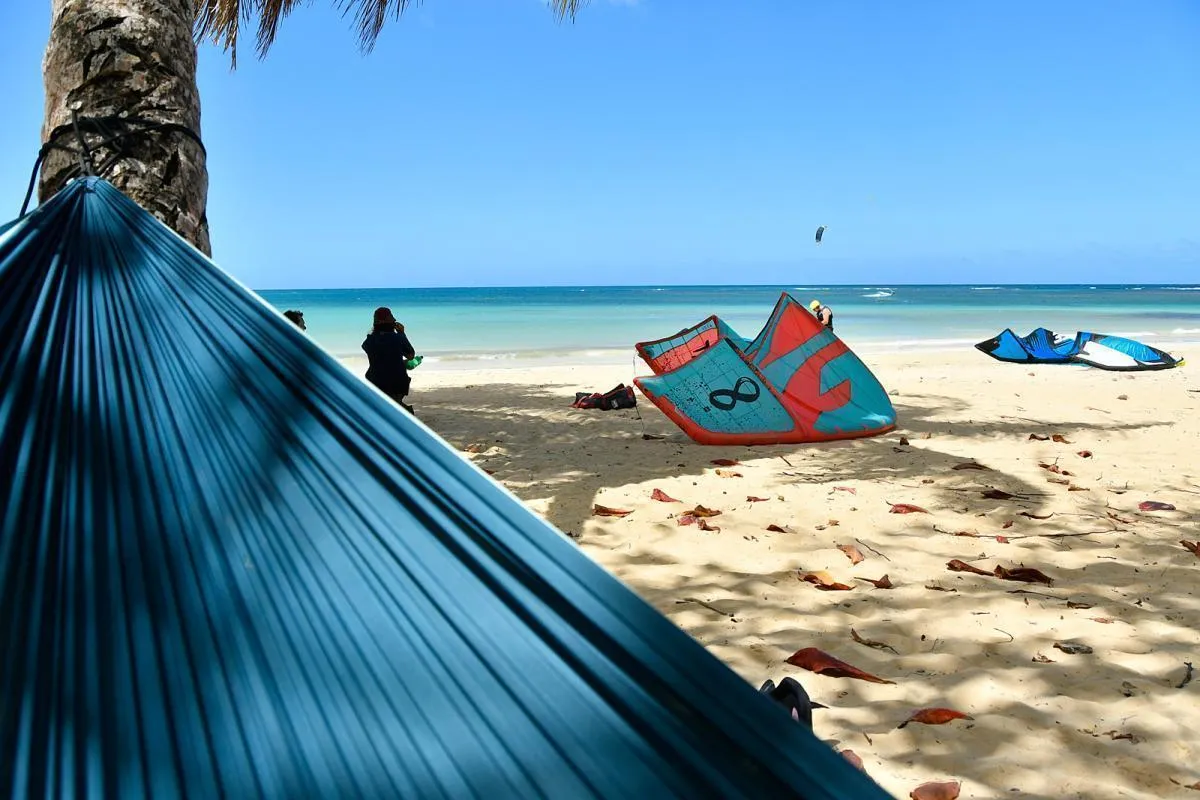
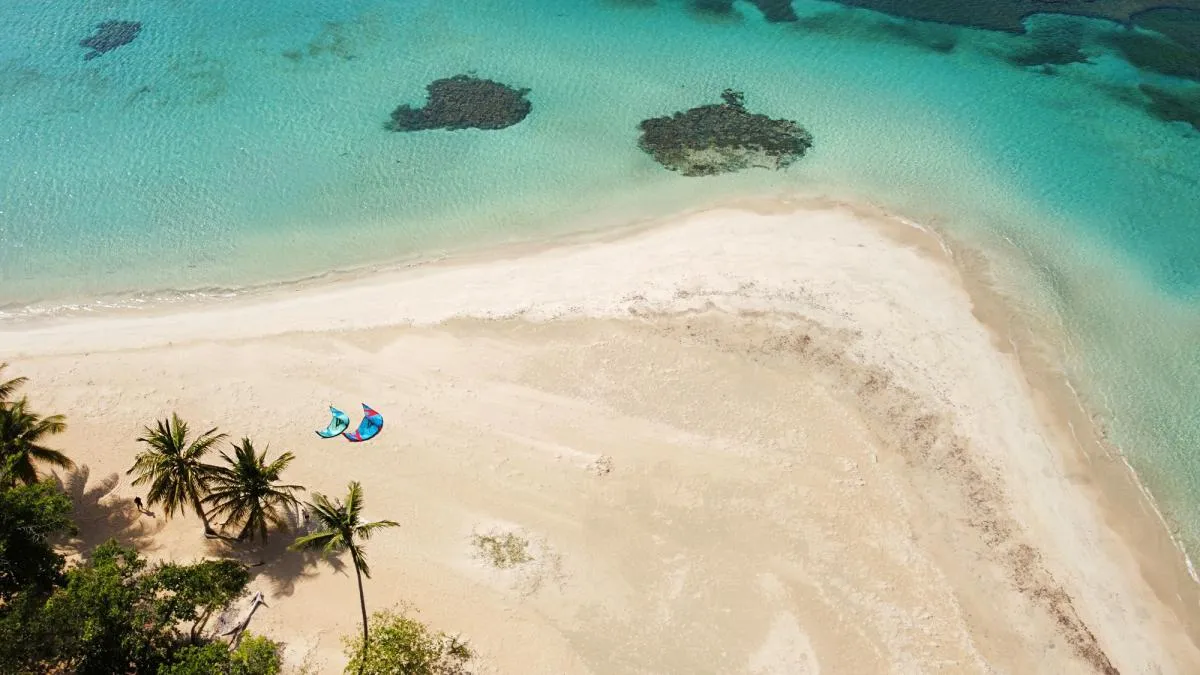
Launching and landing conditions depend on the specific section of beach used at El Portillo. Sandy areas can provide convenient access to the water, but the available space may be restricted by vegetation, coastal development, beach users or changes in the shoreline. Riders should identify an unobstructed launching zone and avoid setting up equipment close to trees, buildings or other obstacles. During stronger afternoon winds, assisted launching is advisable, particularly where the beach is narrow. The side-shore wind direction can be favourable for riding along the coast, but it also requires reliable upwind ability to avoid drifting away from the intended landing area. Beginners should remain within supervised teaching zones and avoid launching independently in unfamiliar conditions.
The seabed around Las Terrenas Kite Beach includes sandy sections, but reef formations, coral fragments and other submerged obstacles may be present. Water depth can change considerably between the protected inner riding areas and the reef zone farther offshore. Riders should inspect the water carefully before attempting jumps, particularly where the surface appears unusually smooth because of shallow reef protection. Protective footwear may be useful when walking through unfamiliar areas, although it does not eliminate the risk of injury from sharp coral. Hydrofoil riders must be especially cautious, as shallow reef sections and sudden changes in depth can make certain routes unsuitable. Local knowledge is important for identifying safe passages and areas with sufficient clearance.
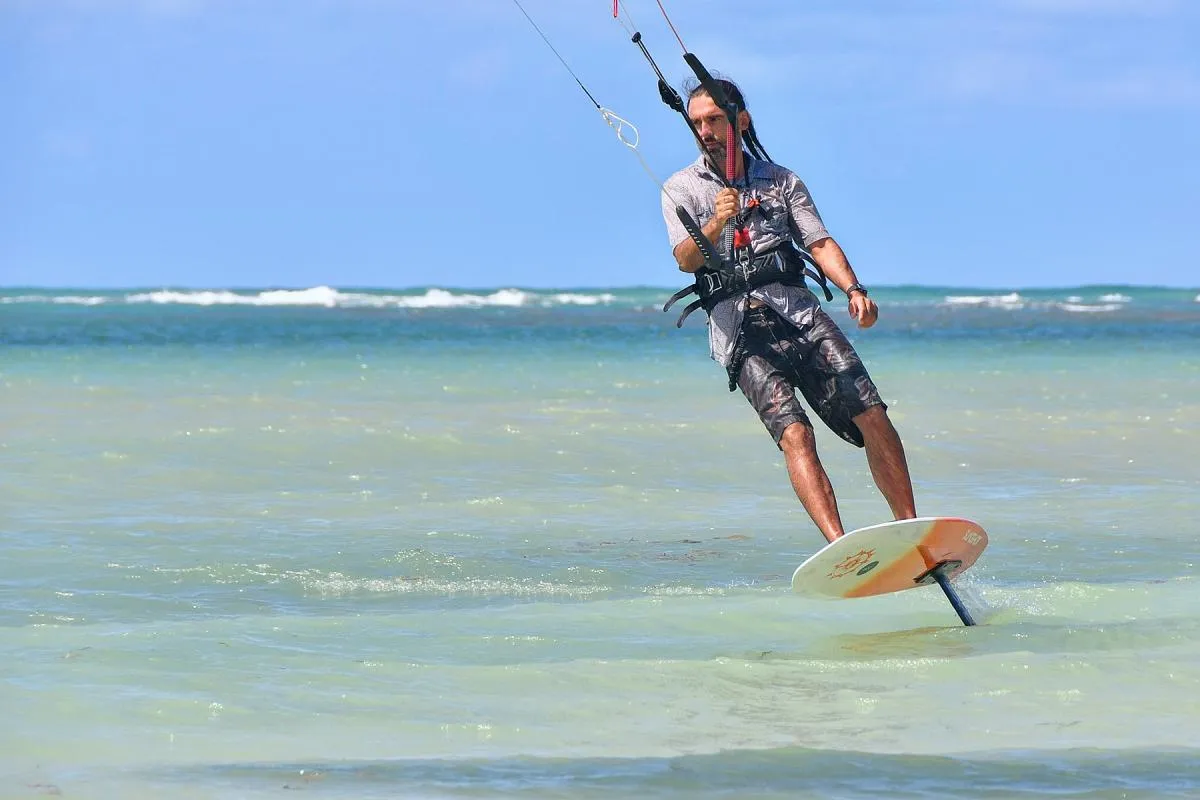
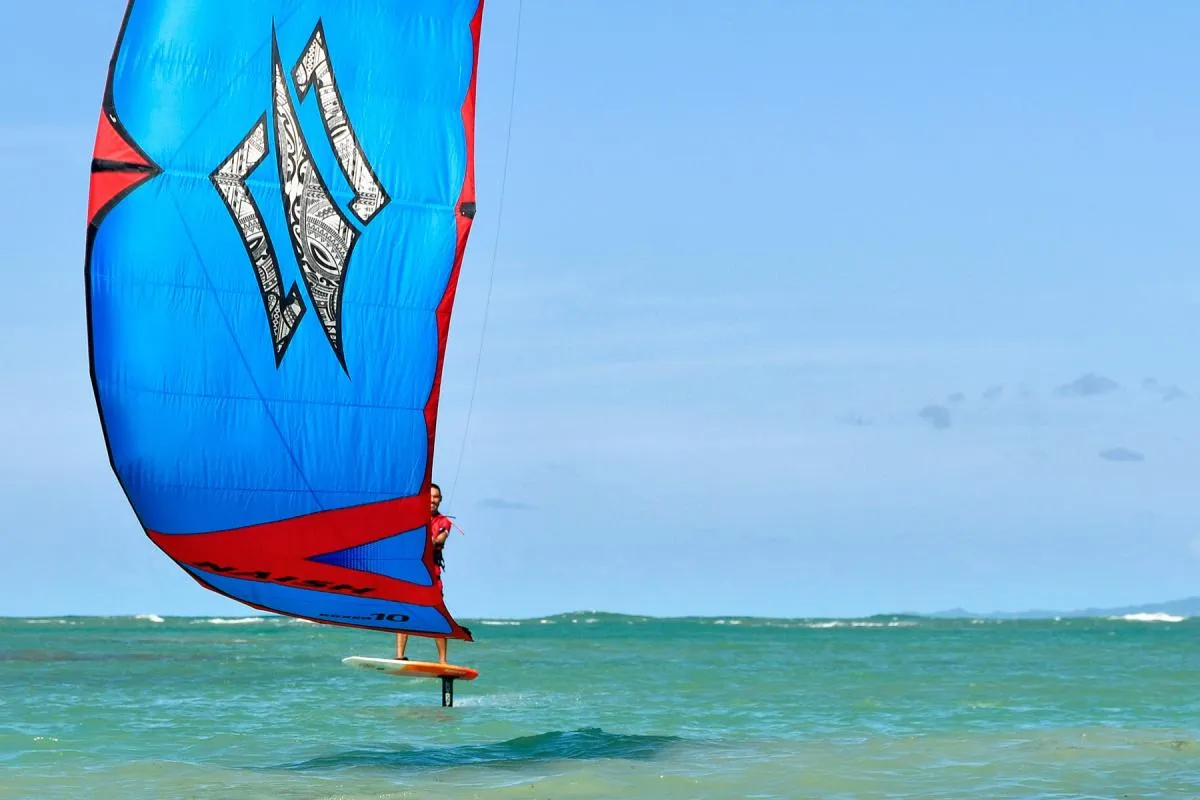
Hydrofoil kitesurfing may be possible in deeper sections of the bay, particularly during lighter afternoon winds when conventional twin-tip riding becomes less efficient. However, foil riders must identify suitable launching routes that avoid shallow reef formations and submerged obstacles. Wing-foiling may also be feasible during favourable conditions, especially when the breeze strengthens enough for reliable starts and the water remains manageable. Both disciplines require adequate water depth and careful attention to other riders. The protected sections of El Portillo can be appealing for experienced foil enthusiasts, but the spot should not be considered uniformly suitable for hydrofoil beginners because of the variable seabed and reef environment.
The main safety considerations at Las Terrenas Kite Beach are shallow reef areas, changing afternoon wind strength, side-shore drift and occasional Atlantic swell. Riders should monitor the wind as it builds during the afternoon and select equipment appropriate for the expected conditions. Stronger gusts may develop during changing weather, while lighter periods can make returning upwind more difficult. Offshore or unfavourable wind directions should be avoided without reliable rescue support. When larger swell reaches the reef, breaking waves and currents can create more demanding conditions than those found in the sheltered sections. Riders should maintain sufficient distance from coral formations and avoid jumping or performing powered tricks over shallow water.
The tropical climate of the Samaná Peninsula provides warm air and water temperatures throughout the year, with sea temperatures generally remaining around 26–29°C. Heavy wetsuits are rarely necessary, and most riders use boardshorts, rash guards or lightweight protective clothing. Sun protection and hydration are important during extended afternoon sessions, particularly when the wind strengthens under clear skies. Passing showers and regional weather systems can occasionally interrupt the trade-wind pattern, while the Atlantic hurricane season from June through November requires additional attention to forecasts. Riders should remain flexible and avoid entering the water when thunderstorms or unstable weather conditions approach.
For riders searching for kitesurfing in Las Terrenas, flat-water kite spots on the Samaná Peninsula or alternative kitesurfing destinations to Cabarete in the Dominican Republic, El Portillo offers an appealing combination of afternoon trade winds, reef-protected water and varied riding conditions. Its greatest strengths are the relatively smooth sections suitable for freeriding and freestyle, the potential for beginner progression under supervision and the enjoyable afternoon wind pattern during favourable seasons. However, reef hazards, changing water depth and variable wind reliability require careful preparation. With suitable conditions and local guidance, Las Terrenas Kite Beach provides a rewarding Caribbean kitesurfing experience on the Dominican Republic's northern coast.
Something missing or out of date at this spot? Suggest a correction
Spot Gallery (10)
Las Terrenas Kite Beach is best suited for
Spot profile
Travel spot
The typical kite travel destination, it is known for its great conditions, and kiters from around the world come here for their vacations.
Family spot
Located in an area that offers amenities for all the family and can provide good alternatives for everyone when the kiters are in the water.
Equipment
Lycra or shorty in winter months
Wind Conditions
Main wind directions at Las Terrenas Kite Beach
Windy days per month in Las Terrenas Kite Beach
Wind Speed Range
From 15 to 22 Knots
Suggested sizes
10 - 11 mt
12 - 13 mt
14 mt and above
Forecast on Windy.com
Kitesurfing Safety & Local Rules at Las Terrenas Kite Beach
The main hazards at Las Terrenas Kite Beach, particularly around El Portillo, come from the coral reef surrounding the lagoon and occasional rocky sections near the shoreline. Although the beach is predominantly sandy and the sheltered water is generally forgiving, shallow reef formations can cause injuries or damage kiteboards and hydrofoil equipment. Riders should familiarise themselves with the reef boundaries and avoid jumping or attempting tricks over shallow areas.
The surrounding reef protects much of the lagoon from ocean swell, but waves can become more powerful near the reef edge and in exposed sections. Water depth may also vary with the tide, making some areas unsuitable for riding at lower water levels. Check the depth before attempting powered manoeuvres and maintain a safe distance from rocks, coral and breaking waves.
The prevailing side-shore winds generally provide favourable riding conditions, although the afternoon thermal effect can strengthen the breeze to around 15–20 knots or more on windier days. Riders should monitor wind changes and avoid drifting toward the reef or rocky shoreline. Maintain safe distances from other kitesurfers, particularly around launching areas and popular flat-water sections, and ensure reliable self-rescue skills before venturing farther offshore.
Location
Closest City
Las Terrenas
How to get There
El Portillo Lagoon is located in the eastern part of the city. To get there, first, take Calle 27 de Febrero. This road runs past the beach, and the views are amazing. You will feel the Caribbean atmosphere immediately! The parking space is a wild spot under palms 10m from the lagoon. The entrance is opposite to the new construction project: BLU (google it). The spot is on the right side – go 250m upwind. If you don’t have a car or motorbike, you can get here by taxi or moto taxi.
Access
Public
No-Wind Days: What to Do Around Las Terrenas Kite Beach
Beyond kitesurfing, Las Terrenas offers an exceptional combination of tropical beaches, lush forests, waterfalls and Caribbean culture on the Samaná Peninsula in the northeastern Dominican Republic. Located near El Portillo, the area's main kitesurfing location, Las Terrenas is a lively coastal town surrounded by coconut plantations, green hills and some of the country's most beautiful beaches. The region has a relaxed international atmosphere, with beachfront restaurants, cafés and a mixture of Dominican and European influences. For a kitesurfing trip with non-kiters or a family holiday in Samaná, there are plenty of activities to enjoy during no-wind days, from snorkelling and boat excursions to rainforest adventures and whale watching.
One of the greatest attractions of Las Terrenas is its spectacular coastline. Playa Punta Popy, close to the town centre, offers a beautiful stretch of sand lined with palm trees, restaurants and beach bars. Farther west, Playa Las Ballenas is popular for its relaxed atmosphere, beachfront accommodation and attractive sunsets. Playa Bonita and Playa Cosón are also worth exploring, with long sandy shores, tropical vegetation and scenic surroundings. These beaches provide excellent opportunities for walking, sunbathing and relaxing beside the Caribbean Sea, although swimming conditions vary with waves, currents and local weather. Exploring the different beaches is one of the easiest and most enjoyable ways to spend a windless day.
For visitors interested in snorkelling and marine life, the Samaná Peninsula offers numerous coastal excursions. Guided boat trips explore sheltered bays, offshore reefs and beaches where underwater visibility may be suitable for observing tropical fish and coral formations. The waters around Las Terrenas and nearby coastal destinations offer different snorkelling opportunities depending on sea conditions and seasonal visibility. Visitors should choose responsible operators who respect marine habitats and avoid disturbing coral or wildlife. Boat excursions can also provide access to secluded beaches that are difficult to reach by road, making them particularly attractive for families and non-kiting partners.
One of the most memorable natural attractions near Las Terrenas is El Limón Waterfall, located inland among the tropical hills of the Samaná Peninsula. This impressive waterfall drops into a natural pool surrounded by lush vegetation, creating a beautiful setting for photography and relaxation. Reaching the waterfall involves travelling along countryside trails, either on foot or through locally organised excursions. The route passes through tropical forest, agricultural landscapes and small rural communities, providing an interesting glimpse of the peninsula's interior. Trails can become muddy and slippery after rainfall, so suitable footwear and local guidance are recommended. Swimming near the waterfall depends on water levels and safety conditions.
The Samaná Peninsula is internationally recognised for its seasonal humpback whale migrations. Between approximately January and March, humpback whales gather in the waters of Samaná Bay for breeding and calving, creating one of the Caribbean's most remarkable wildlife spectacles. Organised whale-watching excursions generally depart from Samaná town and provide opportunities to observe these magnificent animals in their natural environment. Sightings are never guaranteed, and trips depend on sea conditions and wildlife protection regulations. Choosing licensed operators who maintain appropriate distances from whales is essential. For visitors travelling during the whale-watching season, this experience can be one of the highlights of a holiday in the Dominican Republic.
Another outstanding excursion is Los Haitises National Park, a protected natural area known for its dramatic limestone formations, mangrove forests, tropical vegetation and coastal waterways. Guided boat trips explore parts of the park's extraordinary landscape, including caves containing ancient Indigenous rock art. The region is also home to numerous bird species, making it particularly attractive for wildlife enthusiasts and photographers. Excursions are commonly organised from Samaná Bay and other nearby departure points, requiring advance planning from Las Terrenas.
For travellers seeking a quieter beach excursion, Playa Rincón is one of the most beautiful destinations on the Samaná Peninsula. Located near Las Galeras, this spectacular beach is surrounded by coconut palms, green hills and clear turquoise water. Its relatively undeveloped setting makes it particularly appealing for visitors who appreciate natural coastal scenery. The journey from Las Terrenas requires a longer drive, but the experience can be combined with exploring the eastern part of the peninsula. Nearby coastal areas offer additional opportunities for boat excursions and discovering secluded beaches. Swimming conditions should be checked locally, particularly where currents or waves are present.
Las Terrenas town itself is an enjoyable place to explore, with a lively mixture of local Dominican culture and international influences. Its streets feature small shops, cafés, bakeries, restaurants and boutiques, while the beachfront offers numerous places to relax with a drink overlooking the sea. The town's culinary scene is particularly varied, ranging from traditional Dominican dishes and fresh seafood to French, Italian and other international cuisines. Visitors can sample local specialities such as fried fish, plantains, rice and beans, alongside tropical fruit and freshly prepared juices. In the evening, beachfront restaurants and bars create a welcoming atmosphere with music and Caribbean nightlife.
For more adventurous visitors, the hills and countryside surrounding Las Terrenas offer opportunities for hiking, horseback riding, mountain biking and guided off-road excursions. Trails lead through coconut plantations, tropical forests and traditional villages, often revealing beautiful views of the coastline. Horseback riding excursions are particularly popular, with routes through rural landscapes and occasionally towards beaches or waterfalls. Guided quad-bike excursions are also available in parts of the peninsula, although visitors should choose responsible operators who respect local communities and natural habitats. These activities provide an enjoyable alternative for travellers seeking adventure beyond the beach.
Accommodation in Las Terrenas is varied, although the choice depends considerably on the area. Around Punta Popy and the town centre, visitors will find boutique hotels, guesthouses, beachfront apartments, holiday rentals and restaurants within easy reach. Playa Las Ballenas and Playa Bonita offer additional accommodation options, including attractive villas and small resorts. Closer to El Portillo, accommodation is more scattered, with private villas, condominium developments and selected upscale properties rather than a dense concentration of hotels and restaurants. Travellers staying near El Portillo may benefit from renting a car or arranging transport to reach Las Terrenas town and its facilities. Families and visitors planning longer stays often appreciate self-catering apartments or villas with swimming pools.
For anyone planning a kitesurfing holiday at Las Terrenas Kite Beach and wondering what else there is to do, the Samaná Peninsula offers an outstanding variety of tropical adventures and relaxing experiences. A no-wind day can include exploring Playa Bonita, hiking to El Limón Waterfall, snorkelling along the coast or joining a boat excursion through Los Haitises National Park. During the winter months, whale watching in Samaná Bay provides an unforgettable wildlife experience, while families and non-kiting partners can enjoy beautiful beaches, restaurants and comfortable accommodation. With its lush natural scenery, vibrant coastal atmosphere and access to some of the Dominican Republic's most remarkable attractions, Las Terrenas is an excellent destination for combining kitesurfing with a memorable Caribbean holiday.
Local Kitesurfing Schools
Following you can find links to the page of the kitesurfing schools which operate on this spot. From there you can contact them through our form or directly via email or phone (if it was provided by them on the page).
Other kitesurfing spots near Las Terrenas Kite Beach
All kitesurfing spots in Dominican Republic
Last updated: