
Kitesurfing in Saint Aygulf
Draguignan · France
- Spot type Chop
- Rider level beginner
- Water Crystal Clear
- Beach Sand
- Crowd Few people
- Tide effect None
Kitesurfing in Saint Aygulf: Conditions, Wind & Season
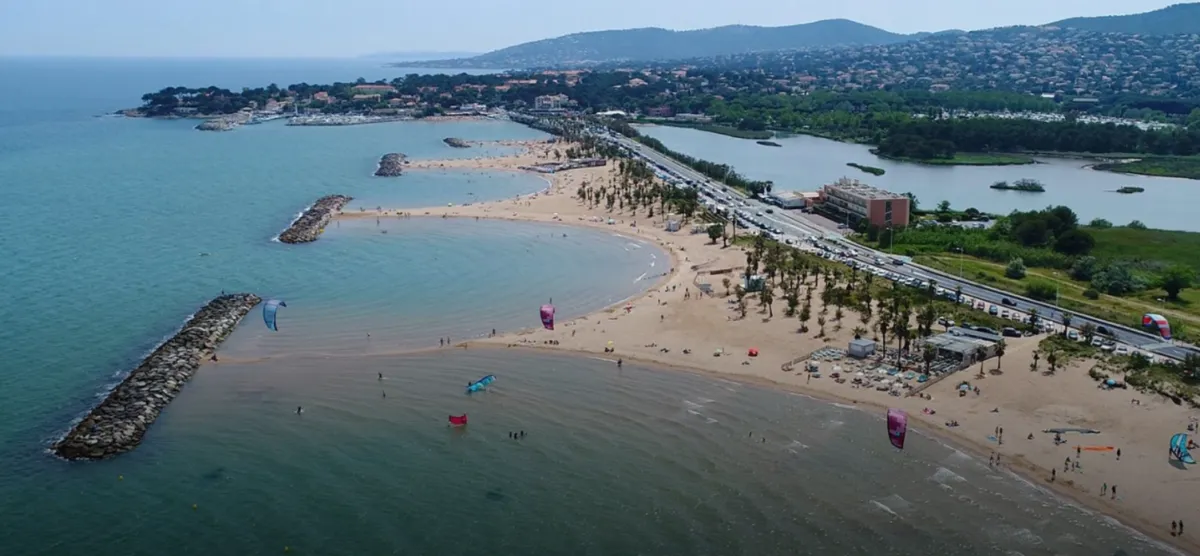
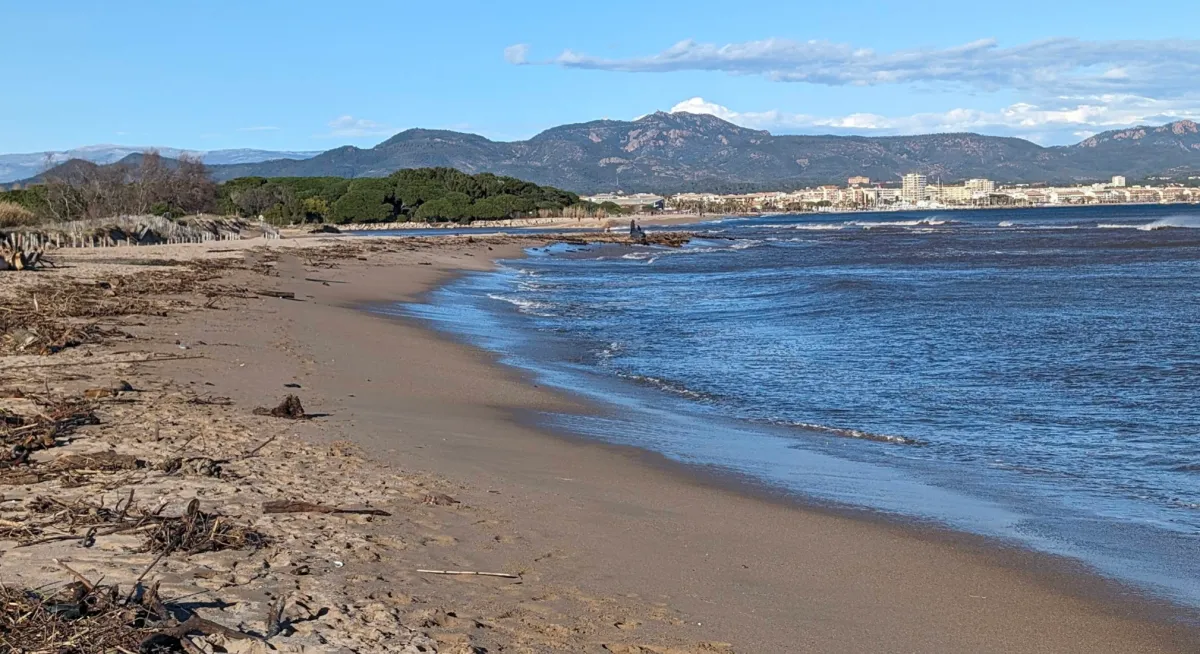
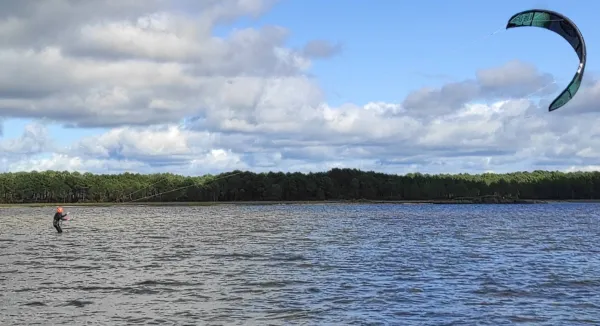
Saint-Aygulf, located between Fréjus and Sainte-Maxime on the Côte d’Azur in southern France, is a relaxed Mediterranean spot and a great option for kitesurfing on the French Riviera. Just a few kilometres from Fréjus and Saint-Raphaël, it combines a long sandy beach with warm water and summer thermal winds. Compared with some of the stronger and more technical kite spots in the South of France, Saint-Aygulf has a mellow character that works particularly well for freeriding, progressing riders and beginners taking lessons with one of the local kite schools.
The main season for kitesurfing in Saint-Aygulf runs through the warmer months, when sunny weather and high temperatures generate a thermal sea breeze. The wind generally starts building around midday and becomes more useful during the afternoon, producing light to moderate conditions that favour larger kites and light-wind equipment. As the breeze strengthens, the Mediterranean develops moderate chop that is ideal for cruising, practising transitions and relaxed freeride sessions. The sandy bottom and relatively accessible conditions add to the appeal, while the warm Mediterranean water makes summer sessions particularly comfortable.
During July and August, this part of the Côte d’Azur becomes considerably busier with swimmers, families and other beach users. Kitesurfing therefore takes place within designated areas, and riders should respect the marked launch corridors, swimming zones and local regulations. The sandy beach provides good space for setting up, but careful launching and landing are essential when the beach is crowded. Beginners looking for kitesurfing near Fréjus will find Saint-Aygulf approachable in normal thermal conditions, although local instruction or supervision is recommended until they are confidently independent.
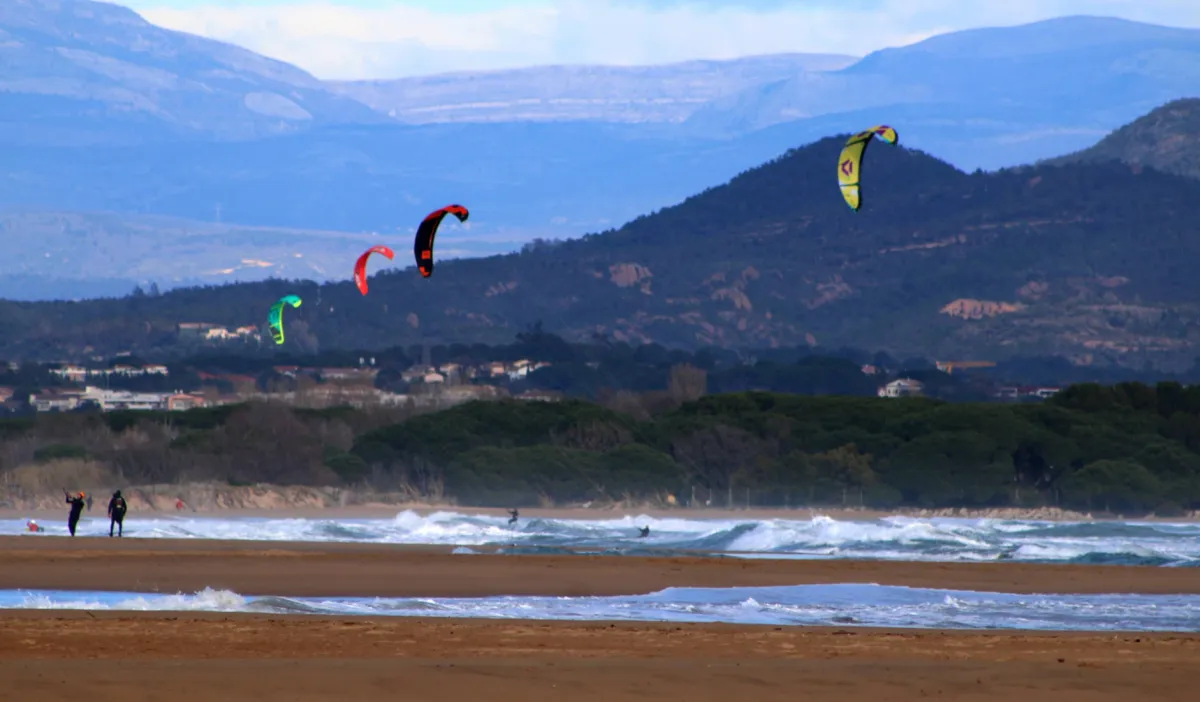
Outside the summer thermal season, easterly and southeasterly weather systems can completely change the character of the spot. Stronger winds can bring waves, shorebreak and rougher Mediterranean conditions, creating much more demanding sessions suited to experienced riders. The orientation of this section of the French Riviera also means that not every regional wind direction works equally well, so checking the forecast and exact wind direction is important before travelling to the beach.
Saint-Aygulf is also well positioned for exploring the Côte d’Azur when there is no wind. The nearby Étangs de Villepey nature reserve offers walking trails and birdwatching, while the coastline towards Les Issambres and Sainte-Maxime has beaches, small coves and classic Mediterranean scenery. Fréjus and Saint-Raphaël are close by for restaurants, shopping and nightlife, making the spot easy to combine with a wider holiday in the South of France. With its summer thermals, warm water and laid-back atmosphere, Saint-Aygulf is an attractive choice for anyone looking for accessible kitesurfing on the Côte d’Azur.
Something missing or out of date at this spot? Suggest a correction
Spot Gallery (3)
Saint Aygulf is best suited for
Spot profile
Travel spot
The typical kite travel destination, it is known for its great conditions, and kiters from around the world come here for their vacations.
Family spot
Located in an area that offers amenities for all the family and can provide good alternatives for everyone when the kiters are in the water.
Local spot
Maybe not be worth a real journey to reach this spot, but great if you live close by and it is a windy day. In the end, being out on the water feels great anywhere
Equipment
In summer, most ride 12–15m kites for thermal south/southwest winds; lighter riders might use a 10m. A twin tip or directional board works well. It’s usually warm—ride in a shorty or none at all, though a 3/2mm spring suit is a safe bet. In spring or fall, pack a 4/3mm. Booties aren’t needed on the clean sand, but some use them for grip. A wind meter is handy—thermals can build fast.
Wind Conditions
Main wind directions at Saint Aygulf
Windy days per month in Saint Aygulf
Wind Speed Range
From 5 to 18 Knots
Suggested sizes
10 - 11 mt
12 - 13 mt
14 mt and above
Forecast on Windy.com
Kitesurfing Safety & Local Rules at Saint Aygulf
During the summer season, the main safety consideration at Saint-Aygulf is the number of people sharing the beach and water. Kitesurfing is restricted to designated areas, with marked launch corridors and buoyed zones separating riders from swimmers. Respect the local regulations and launch only from authorised areas, as restrictions are actively enforced during the busy season. July and August can become particularly crowded, so extra care is required when launching and landing.
The summer thermal wind generally builds through the day and can strengthen relatively quickly during the afternoon. Keep an eye on the water and changing wind conditions rather than assuming the breeze will remain at the same strength throughout the session. Light wind close to shore can also make launching or returning to the beach more difficult, particularly when the beach is crowded.
Outside the summer thermal season, easterly and southeasterly weather systems can produce much more demanding conditions. Stronger and gustier winds may be accompanied by squalls, waves and shorebreak, transforming the normally relaxed spot into one better suited to experienced riders. Check the forecast carefully and return to shore if approaching weather causes sudden changes in wind strength or direction.
There are no major underwater hazards around the main sandy riding area, but riders should not rely on permanent rescue or lifeguard coverage outside the main summer period. Be comfortable with self-rescue, avoid riding alone in marginal or unstable conditions and always keep enough distance from swimmers, buoys and other beach users.
Location
Closest City
Draguignan
How to get There
Saint Aygulf is easiest to get to by car. From Nice Côte d'Azur Airport, it's about a one-hour and fifteen-minute drive. Follow the A8 motorway west, then take the exit toward Fréjus/Saint Aygulf. From there, it’s a quick coastal drive with plenty of signage. There is also a train to Fréjus and a short bus or taxi connection, but car rental is the best option if you’re hauling gear.
Access
Publicly accessible, though respecting local rules regarding the buoyed kite zone is necessary.
No-Wind Days: What to Do Around Saint Aygulf
Saint-Aygulf is a particularly good choice for a kitesurfing trip with non-kiters or a family kitesurfing holiday on the Côte d’Azur. Sitting between Fréjus and Sainte-Maxime on the Mediterranean coast of southern France, the spot combines easy access to the beach with nature, coastal walks and traditional Provençal towns nearby. When the summer thermal refuses to appear, there is enough to do around Saint-Aygulf that a no-wind day can easily become part of the holiday rather than a day spent watching the forecast.
One of the best places to start is the Étangs de Villepey, the protected wetlands immediately behind Saint-Aygulf. This landscape of lagoons, marshes and reed beds provides an important habitat for Mediterranean and migratory birds and is ideal for walking, photography and birdwatching. Flamingos can sometimes be seen feeding in the shallow water alongside herons and other wetland species. The area is particularly beautiful early in the morning or towards sunset and makes an easy activity for a non-kiting partner while others are waiting to see whether the afternoon thermal develops.
For something more active, head inland and explore the Argens River by canoe or kayak. The river winds through a surprisingly green landscape beneath the Rocher de Roquebrune, providing a completely different experience from the Mediterranean beaches. Calm stretches make for a relaxed paddle, with plenty of opportunities to observe wildlife along the banks. It is an excellent alternative when there is sunshine but not enough wind for kitesurfing.
The coastline towards Les Issambres is another good option on a calm day. The walking and hiking routes around Roquebrune-sur-Argens and Les Issambres take you through Mediterranean vegetation and along sections of rocky coastline dotted with small beaches and coves. When the sea is calm, you can combine a coastal walk with swimming or snorkelling, while sea kayaking at Les Issambres provides another way to discover this part of the Côte d’Azur from the water.
For a change from the coast, visit Roquebrune-sur-Argens, a historic Provençal village dominated by the enormous red Rocher de Roquebrune. Its narrow streets, fountains, small squares and traditional houses are pleasant to explore on foot, while the surrounding countryside offers hiking and cycling opportunities. Around the foot of the rock, the Argens and Lac de l'Aréna provide additional options for kayaking, paddleboarding and other freshwater activities.
Saint-Aygulf with family is equally easy on a windless day. The long sandy beaches have designated swimming areas during the summer season, while calm Mediterranean conditions are ideal for swimming, snorkelling or SUP. Fréjus is only a short distance away for restaurants, shopping and sightseeing, while heading east brings you towards Les Issambres and Sainte-Maxime, where waterfront restaurants and terraces make an easy destination for an afternoon or evening away from the kite beach.
For anyone planning a kite trip to the French Riviera and wondering what else there is to do, Saint-Aygulf offers a particularly good balance. You can spend the morning kayaking on the Argens, walk through the Villepey wetlands, explore the Provençal countryside or follow the Mediterranean coast and still be close enough to return if the thermal arrives later in the day. That combination makes kitesurfing in Saint-Aygulf especially attractive for couples, families and groups where not everyone wants to spend the entire holiday chasing wind.
Other kitesurfing spots near Saint Aygulf
All kitesurfing spots in France
Last updated: