
Kitesurfing in Lago de Atitlán
Panajachel · Guatemala
- Spot type Flat
- Rider level intermediate
- Water Crystal Clear
- Beach Rocky
- Crowd Some bystanders
- Tide effect None
Kitesurfing in Lago de Atitlán: Conditions, Wind & Season
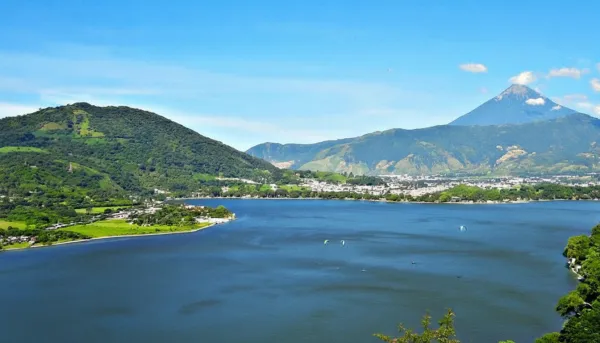
Lago de Atitlán is one of Guatemala's most spectacular inland kitesurfing locations, situated in the department of Sololá at an elevation of approximately 1,556 metres above sea level. Surrounded by steep volcanic slopes and the imposing peaks of San Pedro, Tolimán and Atitlán, this deep freshwater lake offers a dramatically different riding environment from the country's coastal kite spots. Its principal attractions are the mountain scenery, seasonal thermal winds and open-water freeriding opportunities. However, Lago de Atitlán is not a conventional kitesurfing destination with spacious sandy beaches and straightforward launching conditions. The steep shoreline, variable mountain winds and deep water make it a specialised location primarily suited to experienced riders with appropriate local support.
The kitesurfing area is commonly associated with the waters around Isla de los Gatos, with access potentially organised from lakeside locations such as Panajachel or Santiago Atitlán. Unlike a typical beach-based kite spot, much of the lake's shoreline consists of steep slopes, rocky edges, retaining walls or narrow access points. Suitable places for laying out lines and launching a kite are limited, and the available shoreline can change with fluctuations in lake level. For this reason, sessions may require boat transfers or assistance from experienced local operators who understand the safest access points. Riders should confirm the exact launching location and current access arrangements before travelling, as established public kite-launching facilities should not be assumed.
The defining wind phenomenon at Lago de Atitlán is the Xocomil, a locally recognised wind associated with the interaction between regional airflow, daytime heating and the surrounding mountain terrain. This wind frequently develops during the afternoon, when changing temperature and pressure patterns influence airflow across the lake. Southerly and south-southwesterly winds are reported in some riding areas, although the actual direction can vary significantly between bays and exposed sections. The steep volcanic landscape can channel and accelerate the wind, producing strong local differences over relatively short distances. Riders should therefore assess conditions at the intended riding area rather than relying exclusively on a general forecast for Panajachel or the wider Sololá region.
Kitesurfing may be possible throughout the year when suitable winds develop, but the period from approximately October through December is sometimes identified as favourable for particular riding locations. Seasonal reliability is difficult to generalise because the Xocomil is influenced by local topography, atmospheric conditions and daily heating patterns. During the rainy season, cloud cover and thunderstorms can affect the development of afternoon winds, while clearer periods may produce stronger thermal circulation. Even during promising months, some days may remain too light or unpredictable for safe kitesurfing. Visitors should treat Lago de Atitlán as a forecast-dependent destination rather than expecting the regular daily wind pattern found at established tropical trade-wind spots.
Typical rideable conditions are often described in the light-to-moderate range, approximately 8–17 knots, although stronger gusts can occur when the wind accelerates through the surrounding mountain valleys. Mornings are frequently calmer, with the breeze building as the day progresses and becoming more noticeable during the afternoon. However, the wind can arrive unevenly, producing sudden increases in strength, localised lulls and changes in direction. These variations make kite selection and session planning particularly important. Riders should avoid using equipment that is excessively large for the strongest expected gusts and remain prepared for the possibility that the wind may weaken before they can return to their intended landing point.
Water conditions at Lago de Atitlán are generally free from ocean swell, shorebreak and tidal influences, but the surface is not necessarily flat. During calmer periods, the lake can become relatively smooth, offering attractive conditions for relaxed freeriding. As the afternoon wind strengthens, short, closely spaced chop can develop rapidly across the open water. The height and direction of these waves depend on the wind's strength and the distance it travels across the lake. Because the surrounding mountains create irregular airflow, riders may encounter noticeably different surface conditions during a single reach. The lake is best regarded as an open-water freeride location rather than a consistently glassy freestyle lagoon.
Launching and landing are among the greatest challenges at Lago de Atitlán. The absence of broad sandy beaches means that conventional shore launching may be impractical or unsafe in many locations. Rocky terrain, vegetation, buildings and steep slopes can restrict the space needed to position a kite safely. In some circumstances, experienced riders may rely on boat-assisted launching arrangements, but these require specialised procedures, suitable equipment and knowledgeable support. Launching directly from a boat should never be improvised by inexperienced riders. Before any session, kiters should establish a clear plan for entering the water, recovering equipment and returning safely if the wind changes or a technical problem occurs.
Lago de Atitlán is primarily suited to intermediate and advanced kitesurfers with reliable upwind ability, confident kite handling and experience in deep water. Riders must be comfortable managing gusts, navigating variable chop and dealing with limited landing options. The absence of a forgiving beach makes mistakes during launching and landing potentially more serious than at conventional kite spots. Beginners are generally better served by established teaching locations with shallow water, open launching areas and readily available rescue assistance. Although the lake's scenic setting and lack of ocean waves may appear inviting, these characteristics do not make it an easy or appropriate environment for learning independently.
Freeriding is the most practical discipline at Lago de Atitlán. Experienced riders can enjoy cruising across open sections of the lake, practising transitions and improving board control in changing wind and water conditions. During stronger afternoon winds, powered riding and occasional jumps may be possible, although gusts and irregular chop can make advanced manoeuvres less predictable. Technical freestyle is less appealing when wind strength changes abruptly, while big-air riding is limited by the absence of consistently strong, stable wind. Wave riding is not a characteristic discipline because the lake does not receive ocean swell, although short wind-generated waves can develop during stronger conditions.
The lake is exceptionally deep in many areas, with a maximum depth exceeding 300 metres, and the bottom drops away rapidly from sections of the shoreline. Riders should not expect to stand in the water once they move away from the edge. This makes deep-water self-rescue skills essential, particularly if a kite becomes damaged or the wind disappears. The nearshore environment may contain rocks, submerged structures or other obstacles, while the steep banks can make climbing out of the water difficult. Water-level fluctuations may also change the accessibility of particular landing points. Riders should identify a safe recovery location before launching and avoid relying on an unfamiliar rocky shoreline as an emergency exit.
Boat support is particularly valuable at Lago de Atitlán because of the combination of deep water, variable winds and limited launching options. A suitable support boat can assist with transporting equipment, monitoring riders and recovering anyone unable to return to the planned landing area. However, rescue services should never be assumed to be available without prior arrangement. Riders should confirm the capabilities of any local operator, establish communication procedures and agree on the intended riding area before entering the water. The lake also supports regular passenger boats and other local water traffic, so kitesurfers must maintain adequate separation from vessels and avoid obstructing established navigation routes.
Hydrofoil kitesurfing may be attractive because of the lake's deep water and relatively moderate wind conditions. Experienced foil riders can potentially make use of lighter breezes while enjoying long reaches across open sections. However, launching a hydrofoil from rocky or restricted shoreline areas can be difficult, and submerged obstacles near the edge require particular attention. Wing-foiling may also be possible during suitable afternoon winds, potentially offering simpler equipment handling in locations where launching a large kite is impractical. Nevertheless, both disciplines remain subject to the same risks from gusts, sudden lulls, deep water and limited rescue access. Riders should arrange suitable support and avoid travelling beyond a manageable recovery distance.
Water temperature is another important consideration at Lago de Atitlán. Despite Guatemala's tropical latitude, the lake's elevation means that water and air temperatures can feel noticeably cooler than at Caribbean or Pacific coastal spots. Conditions vary with the season, time of day and wind strength, and prolonged immersion can become uncomfortable without suitable thermal protection. A wetsuit may be advisable, particularly during extended sessions or cooler periods. Afternoon winds can also increase wind chill, especially after repeated water starts. Riders should carry appropriate protective equipment and remain aware of changing weather, including the possibility of thunderstorms developing around the surrounding volcanic mountains.
For riders searching for kitesurfing at Lago de Atitlán, volcanic lake kite spots in Guatemala or technical inland freeriding destinations in Central America, this remarkable location offers an unusual combination of mountain winds, deep freshwater and dramatic volcanic scenery. Its greatest appeal lies in the experience of riding across an expansive high-altitude lake rather than in consistently easy conditions or developed kitesurfing infrastructure. Rocky access, unpredictable gusts and limited landing opportunities make careful planning essential, while local guidance and boat support can significantly improve safety. For experienced kitesurfers prepared for the logistical challenges, Lago de Atitlán provides a distinctive alternative to Guatemala's coastal riding locations.
Something missing or out of date at this spot? Suggest a correction
Lago de Atitlán is best suited for
Spot profile
Travel spot
The typical kite travel destination, it is known for its great conditions, and kiters from around the world come here for their vacations.
Adventure spot
That dream place out of the normal touristic routes. Once you reach it, you feel in paradise, it can be anything extraordinary, a hidden gem, remote and fascinating.
Local spot
Maybe not be worth a real journey to reach this spot, but great if you live close by and it is a windy day. In the end, being out on the water feels great anywhere
Equipment
A wetsuit is recommended for most of the year due to the cool water temperature, with a 4/3mm full suit being a safe choice from October to March, and a thinner 3/2mm or even a shorty possible on warmer afternoons outside the peak wind season. Kite sizes typically range from 9 to 12m for average thermal breeze, with 7-8m kites useful if a strong afternoon fills in, and a larger 13-15m kite can be helpful for lighter wind days. Protective footwear is advised for rocky shoreline walks or technical launches, and a helmet and impact vest add extra safety in case of self-rescue situations over deep or sloping stone.
Wind Conditions
Main wind directions at Lago de Atitlán
Windy days per month in Lago de Atitlán
Wind Speed Range
From 8 to 17 Knots
Suggested sizes
10 - 11 mt
12 - 13 mt
14 mt and above
Forecast on Windy.com
Kitesurfing Safety & Local Rules at Lago de Atitlán
The main hazards at Lago de Atitlán come from its rocky, uneven shoreline and limited launching and landing areas. Most access points lack the wide sandy beaches typically preferred for kitesurfing, leaving little margin for error when handling a powered kite. Sharp rocks, sloping terrain and unstable footing can cause injuries or damage equipment, particularly during an uncontrolled launch or landing. Assisted launches or boat-supported access are preferable where available, and inexperienced riders should avoid attempting solo launches from confined rocky areas.
Boat traffic is another important concern, especially near busy lakeside towns such as Panajachel and San Pedro. Motorboats, passenger ferries and other vessels regularly cross parts of the lake, creating collision risks and the possibility of kite lines becoming entangled. Maintain generous distances from navigation routes and avoid riding close to boats. The lake's thermal winds can also be gusty and unpredictable, with sudden changes in direction or strength and occasional complete shutdowns that may leave riders stranded far from shore.
Afternoon winds can generate increasingly choppy water, making riding more physically demanding and complicating board recovery or kite relaunching. The lake's elevation also means that prolonged immersion can lead to significant chilling, particularly during long sessions or unexpected swims. Wear suitable thermal protection, monitor the wind throughout the session and remain within reach of a safe recovery point. Reliable self-rescue skills and a clear plan for returning to shore are essential.
Location
Closest City
Panajachel
How to get There
Fly into Guatemala City, then drive approximately 3 to 4 hours to the Lake Atitlán area, usually via Panajachel. From there, access to the spot is typically by boat to the riding zone around Isla de los Gatos or nearby lakeside points. Riders coming from Santiago Atitlán can also use local boat connections. A road-only final approach is limited for the most commonly mentioned kite area because the shoreline access is steep and rocky.
Access
The spot is publicly reachable in the sense that the lake itself is accessible, but the most practical access to the commonly used kite area is usually by boat from Panajachel or Santiago Atitlán. The shoreline around the riding zone is steep and rocky, which means there is not a simple wide public beach launch at the main referenced area. Depending on where a rider starts, a local boat transfer may be the normal way to reach the water, and support from a local school or boat operator can make access easier. No strong evidence of a formal ticketed entry fee for the lake riding area was found in the gathered material.
No-Wind Days: What to Do Around Lago de Atitlán
Beyond kitesurfing, Lago de Atitlán is one of Guatemala's most extraordinary travel destinations, combining spectacular volcanic scenery, traditional Maya villages and a vibrant cultural atmosphere. Located in the western Guatemalan Highlands, in the department of Sololá, Lake Atitlán is surrounded by steep green mountains and three imposing volcanoes: San Pedro, Tolimán and Atitlán. Its deep blue waters and dramatic landscapes have made it one of Central America's most celebrated natural attractions. For a kitesurfing trip with non-kiters or a family holiday in Guatemala, the lake offers an exceptional variety of activities, including hiking, boat excursions, traditional markets, cultural workshops and wellness retreats.
Panajachel is the main tourist centre and one of the most convenient bases for exploring Lake Atitlán. The town offers a lively mixture of restaurants, cafés, markets, shops and travel agencies, with a wide range of services for international visitors. Calle Santander, the main tourist street, is lined with stalls selling colourful textiles, handmade jewellery, traditional clothing and local handicrafts. The waterfront provides beautiful views across the lake towards the surrounding volcanoes, particularly during the early morning and sunset. Panajachel is also the principal departure point for public boats connecting many of the lakeside villages, making it easy to organise independent excursions without needing a car.
One of the most enjoyable activities at Lake Atitlán is exploring its traditional villages by boat. Each settlement has its own character, cultural traditions and attractions, providing opportunities to discover different aspects of life in the Guatemalan Highlands. Public boats, known locally as lanchas, connect several communities around the lake, while private excursions offer greater flexibility. Travelling across the water provides spectacular views of the volcanic landscape and allows visitors to appreciate the lake from different perspectives. Boat conditions can become rough when afternoon winds develop, so early departures are often more comfortable, particularly for families and visitors unfamiliar with lake travel.
San Pedro La Laguna is particularly popular among backpackers and younger travellers, thanks to its lively atmosphere, affordable accommodation and numerous restaurants and cafés. The town is located at the foot of San Pedro Volcano and offers a mixture of traditional Maya culture and international tourism. Visitors can explore local markets, join Spanish language classes or enjoy the town's social scene. San Pedro is also a starting point for guided hikes towards the surrounding mountains and viewpoints. In the evening, its bars and restaurants provide one of the livelier nightlife scenes around Lake Atitlán, although quieter accommodation can still be found away from the busiest streets.
San Marcos La Laguna offers a completely different atmosphere, attracting visitors interested in yoga, meditation and holistic wellness. Surrounded by tropical gardens and steep hillsides, the village is known for its retreat centres, massage studios and peaceful cafés. Visitors can join individual yoga classes, participate in meditation sessions or simply relax in the village's tranquil surroundings. The nearby Cerro Tzankujil Nature Reserve features walking paths and viewpoints overlooking the lake, making it a pleasant destination for nature lovers. San Marcos is particularly appealing to non-kiting partners seeking relaxation and wellness activities during a longer stay in the region.
Santiago Atitlán is one of the most culturally significant towns around the lake and an important centre of Tz'utujil Maya traditions. Visitors can explore its bustling market, discover traditional textiles and learn about local religious practices and artistic heritage. The town is particularly associated with Maximón, a distinctive spiritual figure whose traditions combine elements of Indigenous Maya beliefs and Catholic influences. Visits to locations associated with Maximón should be approached respectfully, preferably with a knowledgeable local guide. Santiago Atitlán also offers opportunities to meet local artisans and appreciate the region's remarkable weaving and embroidery traditions.
Another rewarding destination is San Juan La Laguna, a village renowned for its community-based tourism, colourful murals and traditional handicrafts. Local cooperatives offer demonstrations of backstrap weaving, natural dyeing techniques and other traditional skills. Visitors can learn how cotton is transformed into beautiful textiles using plant-based colours and methods passed down through generations. The village also has art galleries, coffee producers and small workshops where travellers can purchase locally made products. San Juan is particularly appealing to families and visitors interested in authentic cultural experiences, offering opportunities to support local communities while learning about Maya traditions.
For hiking enthusiasts, Lake Atitlán provides some of Guatemala's most spectacular mountain scenery. San Pedro Volcano is a popular destination for guided hikes, with trails ascending through agricultural landscapes and forest towards elevated viewpoints. The climb is demanding and requires good physical fitness, suitable footwear and an early start. Other routes around the lake lead to scenic ridges, traditional villages and viewpoints overlooking the volcanic basin. The Indian Nose viewpoint, also known as Rostro Maya, is particularly famous for sunrise excursions, when the first light illuminates the lake and surrounding volcanoes. Visitors should arrange hikes with reputable local guides, as trail access, security conditions and weather can vary.
Lake Atitlán also offers opportunities for kayaking, paddleboarding and swimming in suitable locations. Exploring the shoreline by kayak can be particularly enjoyable during calm mornings, when the lake's surface is often smoother and the surrounding volcanoes reflect in the water. Some accommodation providers and local operators offer equipment rentals and guided excursions. Swimming conditions and water quality vary around the lake, and not every shoreline is suitable for entering the water. Visitors should seek current local advice, avoid areas affected by pollution or algal blooms and remain aware that the lake is deep, with changing winds and limited rescue facilities in some locations.
For nature lovers, the Atitlán region offers additional attractions such as the Reserva Natural Atitlán near Panajachel. This privately managed reserve features forest trails, hanging bridges, waterfalls and opportunities to observe local wildlife. Depending on current operations, visitors may also find adventure activities such as zip-lining. The reserve provides a convenient excursion for families and travellers who want to experience the area's tropical vegetation without undertaking a demanding volcano hike. More adventurous visitors can explore the surrounding highlands through guided excursions, discovering coffee plantations, agricultural villages and scenic mountain roads.
The region is also an excellent place to discover traditional Guatemalan cuisine and participate in cultural workshops. Visitors can join cooking classes, learn about coffee cultivation or take lessons in weaving, painting and Spanish. Local restaurants serve dishes such as pepián, tamales, grilled meats, tortillas and fresh regional produce. Coffee is an important agricultural product in the surrounding highlands, and selected farms offer tours explaining cultivation, harvesting and roasting techniques. These experiences provide enjoyable alternatives on rainy or windless days and allow travellers to connect with the communities that make Lake Atitlán such a distinctive destination.
Accommodation around Lake Atitlán is extensive, ranging from budget hostels and family-run guesthouses to boutique hotels, lakeside villas and luxury retreats. Panajachel offers the widest selection of practical services, restaurants and transport connections, making it particularly convenient for first-time visitors and families. San Pedro is popular with backpackers and travellers seeking a lively social atmosphere, while San Marcos appeals to those interested in wellness and relaxation. San Juan, Santa Cruz and other smaller villages provide quieter accommodation options, often with beautiful lake views and a more intimate atmosphere. Some lakeside properties are accessible primarily by boat, so visitors should consider luggage arrangements, transport schedules and access after dark before booking.
For travellers wishing to explore more of Guatemala, Lake Atitlán can also serve as a base for excursions into the surrounding highlands. The town of Sololá is known for its traditional market and Indigenous culture, while Chichicastenango, farther north, is famous for its colourful market, historic church and traditional Maya ceremonies. Longer journeys can connect Lake Atitlán with Antigua Guatemala, one of the country's most beautiful colonial cities. These excursions require advance planning because mountain roads can be winding and travel times vary considerably. Information about destinations and travel experiences throughout the country is available through the official Guatemala tourism website.
For anyone planning a kitesurfing holiday at Lago de Atitlán and wondering what else there is to do, the destination offers an exceptional combination of natural beauty, cultural heritage and outdoor adventure. A no-wind day can include exploring Maya villages by boat, hiking to a volcanic viewpoint, visiting traditional weaving cooperatives or relaxing at a yoga retreat in San Marcos. Families and non-kiting partners can enjoy markets, nature reserves, cultural workshops and lakeside restaurants, while adventurous travellers can discover mountain trails and remote communities. With its spectacular volcanic scenery, diverse accommodation and remarkable cultural traditions, Lake Atitlán is one of Guatemala's most rewarding destinations for combining kitesurfing with a memorable highland holiday.
Other kitesurfing spots near Lago de Atitlán
All kitesurfing spots in Guatemala
Last updated: