
Kitesurfing in Lago de Atitlán
Panajachel · Guatemala
- Spot type Flat
- Rider level intermediate
- Water Crystal Clear
- Beach Rocky
- Crowd Some bystanders
- Tide effect None
Kitesurfing in Lago de Atitlán: Conditions, Wind & Season
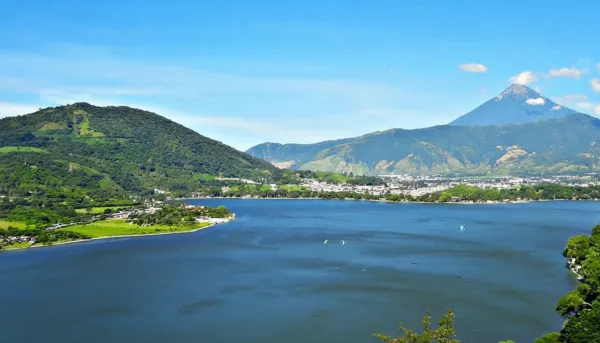
Lago de Atitlán is a volcanic lake set at an altitude of around 1,556 meters in the Sololá department of Guatemala. It's known throughout the region for its dramatic scenery, with steep volcano slopes falling into deep blue water and a continually changing shoreline depending on the village or bay.
The main kitesurfing area is referenced around Isla de los Gatos, closest to Panajachel and Santiago Atitlán. The setting is far from a classic sandy beach; most launches are steep, rocky, and technical, with very limited straight shoreline and virtually no open sand for easy kite setup. The water itself is standout clear but noticeably cold due to the altitude, a major point for kiters used to warmer tropical lakes and seas. Incoming riders need to plan sessions with slightly different expectations than coastal spots.
Accessing the launch is often best done by boat, typically from Panajachel or Santiago Atitlán, due to the limited practical shoreline and steep approaches. The wind is thermal, coming predominantly from the south and occasionally the south-southwest, associated locally with the Xocomil phenomenon. The wind generally fills in the afternoons, especially between October and December, when dependability and strength are best, but kiting happens year-round at variable strength.
Average sessions see winds in the 8 to 17 knot range, with lighter mornings and the potential for stronger, choppy afternoons when the wind lines up across the open lake. Water conditions are typically flatter than ocean spots, though not glassy—chop builds quickly once the breeze fills in, and handling variable water texture is part of the session.
Beginners are not well suited to Atitlán: the technical access, launch, and rocky terrain favor intermediate and advanced riders who can manage their kite confidently and plan landings with precision. The shoreline itself is the main limiting factor for casual sessions, requiring attention to foot placement, kite positioning, and often a quick water start after a tricky launch. Most local kiters use boat support for both launch and rescue, as wind shifts or gear issues can make clambering out on rocks awkward. The lake's no-tide setup makes planning simple—sessions are governed by the wind window, generally strongest in the afternoons. The local community around the lake is small but present, with Panajachel and other lakeside towns home to a few kiteschools and guiding services.
Landscapes shift massively as you travel the perimeter: Panajachel is the traveler hub with hotels and cafes, San Pedro La Laguna is backpacker-central, San Marcos La Laguna draws wellness-focused visitors, and Santiago Atitlán is the spot for authentic Guatemalan culture and markets. Volcanoes San Pedro, Tolimán, and Atitlán provide the backdrop for every ride. The riding environment attracts kiters who value technical, scenic conditions, and who are willing to put some effort into the logistics of rocky launches and boat transfers.
The spot is not wave-driven, with essentially no ocean swell—it's strictly a lake experience, with the main appeal being clear water, stunning views, and the challenge of sessioning in the middle of Guatemala's most famous crater lake.
Lago de Atitlán is best suited for
Spot profile
Travel spot
The typical kite travel destination, it is known for its great conditions, and kiters from around the world come here for their vacations.
Adventure spot
That dream place out of the normal touristic routes. Once you reach it, you feel in paradise, it can be anything extraordinary, a hidden gem, remote and fascinating.
Local spot
Maybe not be worth a real journey to reach this spot, but great if you live close by and it is a windy day. In the end, being out on the water feels great anywhere
Equipment
A wetsuit is recommended for most of the year due to the cool water temperature, with a 4/3mm full suit being a safe choice from October to March, and a thinner 3/2mm or even a shorty possible on warmer afternoons outside the peak wind season. Kite sizes typically range from 9 to 12m for average thermal breeze, with 7-8m kites useful if a strong afternoon fills in, and a larger 13-15m kite can be helpful for lighter wind days. Protective footwear is advised for rocky shoreline walks or technical launches, and a helmet and impact vest add extra safety in case of self-rescue situations over deep or sloping stone.
Wind Conditions
Main wind directions at Lago de Atitlán
Windy days per month in Lago de Atitlán
Wind Speed Range
From 8 to 17 Knots
Suggested sizes
10 - 11 mt
12 - 13 mt
14 mt and above
Forecast on Windy.com
Kitesurfing Safety & Local Rules at Lago de Atitlán
The primary hazards at Lago de Atitlán stem from its technical shoreline, boat traffic, and the variability intrinsic to high-altitude lake wind. Most important is the launch and landing environment, which is rarely sandy and forgiving—almost all commonly used start points are rocky, uneven, and sloping. Riders must manage their kite closely to avoid snags or sudden drops into the water during setup or retrieval, as the sharp or uneven rock can damage gear quickly, and footing may be loose.
The launch sites often leave little or no margin for error. Inexperienced kiters attempting solo launches here face the risk of being dragged over rocks or into uneven water, and even experienced riders should expect awkward terrain both getting in and exiting. Boat access, while managing some dangers by getting riders away from the worst rocks, introduces another: regular motorboat and ferry traffic, especially near Panajachel and San Pedro, means riders need to maintain constant awareness of passing craft, both for their own safety and to avoid entangling lines.
The lake’s wind, being thermal and altitude dependent, can shift unexpectedly or shut down without much warning, complicating rescues and making it essential to stay upwind of recovery points or boats. In gusty afternoons, surface chop can build rapidly; what starts as flat water may become tiring, bouncy, or even occasionally rough mid-session, making crashes and failed jumps more likely.
The water temperature, often cold year-round due to the elevation, brings the extra risk of chilling, especially on longer rides, so hypothermia or lost dexterity can become real problems without an appropriate wetsuit. There is no tide, which removes risk of getting caught behind sandbars or tidal flows, but the predominant dangers are constant whenever a session is underway: rocks at the launch, boats on the water, and a wind window that can open and close with little notice.
Location
Closest City
Panajachel
How to get There
Fly into Guatemala City, then drive approximately 3 to 4 hours to the Lake Atitlán area, usually via Panajachel. From there, access to the spot is typically by boat to the riding zone around Isla de los Gatos or nearby lakeside points. Riders coming from Santiago Atitlán can also use local boat connections. A road-only final approach is limited for the most commonly mentioned kite area because the shoreline access is steep and rocky.
Access
The spot is publicly reachable in the sense that the lake itself is accessible, but the most practical access to the commonly used kite area is usually by boat from Panajachel or Santiago Atitlán. The shoreline around the riding zone is steep and rocky, which means there is not a simple wide public beach launch at the main referenced area. Depending on where a rider starts, a local boat transfer may be the normal way to reach the water, and support from a local school or boat operator can make access easier. No strong evidence of a formal ticketed entry fee for the lake riding area was found in the gathered material.
No-Wind Days: What to Do Around Lago de Atitlán
Lago de Atitlán isn’t just a kitesurfing location but a major travel destination in Guatemala, making it a well-rounded option for kiters traveling with non-kiters or planning to spend longer periods in the area. Panajachel acts as the main entry point, with an extensive selection of accommodation, restaurants, guesthouses, and travel services. It is convenient to organize onward boat trips to other lakeside towns, and tour agencies routinely arrange activities unrelated to kiting, such as volcano hikes, crafts workshops, or market tours. Villages like San Pedro La Laguna appeal to younger travelers looking for nightlife and a sociable scene, while San Marcos is known for wellness retreats, yoga, and a quieter pace.
Santiago Atitlán is the largest indigenous town on the lake, featuring substantial local culture, bustling markets, and unique Guatemalan crafts. The lake is ringed by small villages, each with its own character, so travelers often fill their days with boat rides, village walks, or shopping for textiles and artwork. Even on light-wind or off days, there is plenty to do: visiting lake viewpoints, hiking volcanoes or nearby hills, swimming in designated safe areas, and paddleboarding. The area’s relaxed pace means many visitors extend their stays. Markets and art scenes are strong, and it isn’t difficult to arrange private language lessons or join short courses in cooking, weaving, or painting. Most traveler needs are covered—ATMs, grocery stores, clinics, and transportation arrange easily out of Panajachel.
For those who want side trips, Lake Atitlán works well as a base to see other parts of Guatemala, which riders often do before or after a wind window. The local kite scene is small, meaning kiters may have the lake to themselves midweek, but international visitors do occasionally show up in the main season.
Local guides can help with safety, coordinate boat support, and arrange student lessons if needed. Security issues are not substantially worse than elsewhere in the Guatemalan highlands, and most towns feel relaxed, with customary care advised for valuables. The region draws all types: artists, hikers, backpackers, yoga travelers, and water lovers. The range of available experiences means kitesurfing is just one thread in a bigger adventure.
The combination of vivid landscape, variety of towns, and non-kiting activities make it easy to fill days whether or not the wind delivers.
Other kitesurfing spots near Lago de Atitlán
All kitesurfing spots in Guatemala
Last updated: