
Kwajalein Atoll
Ebeye - Marshall Islands
Spot Type
Flat
Water
Crystal Clear
Beach
Sand
Rider Lever
intermediate
Spot characteristics
Spot Type
Flat
Rider Skill
intermediate
Crowd
No People on the Spot
Beach Type
Sand
Water Quality
Crystal Clear
Tide Influence
All tide levels with different conditions (chop - flat - wave)
Description of Kwajalein Atoll (Marshall Islands)
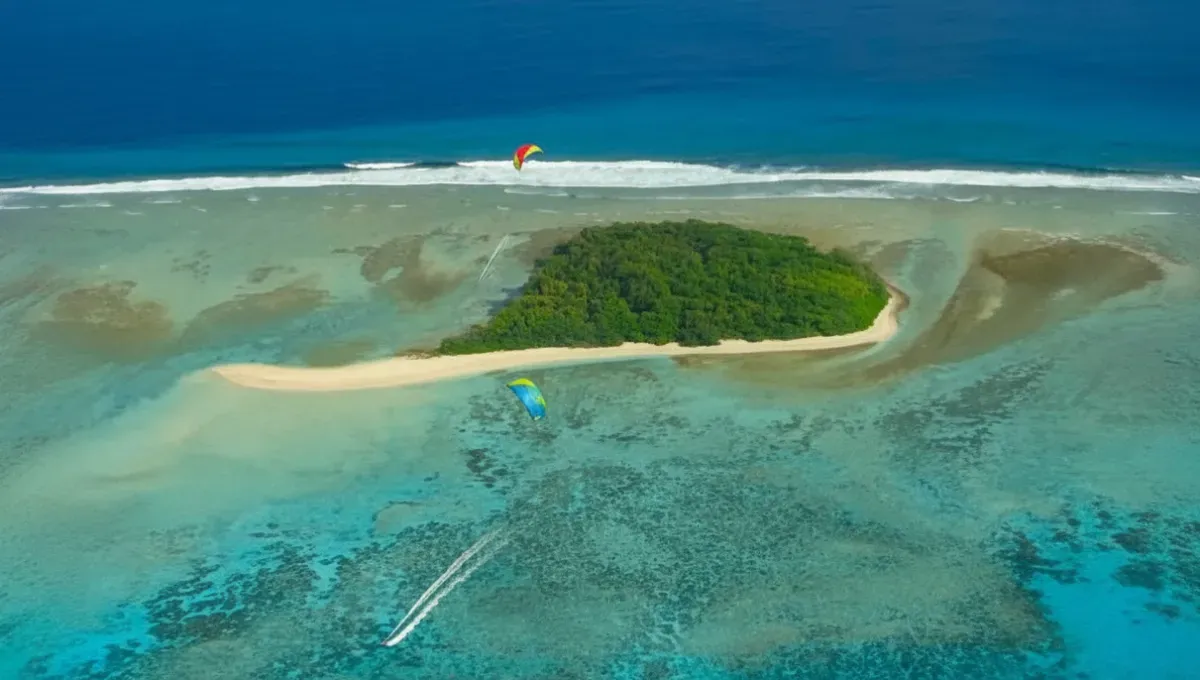
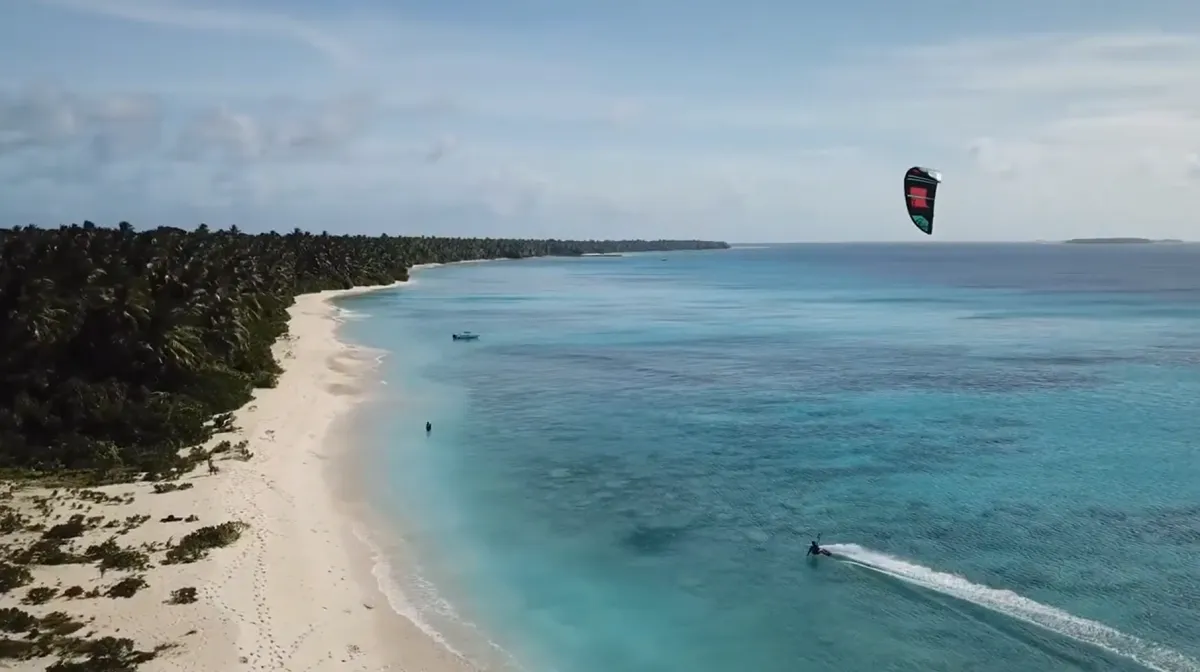
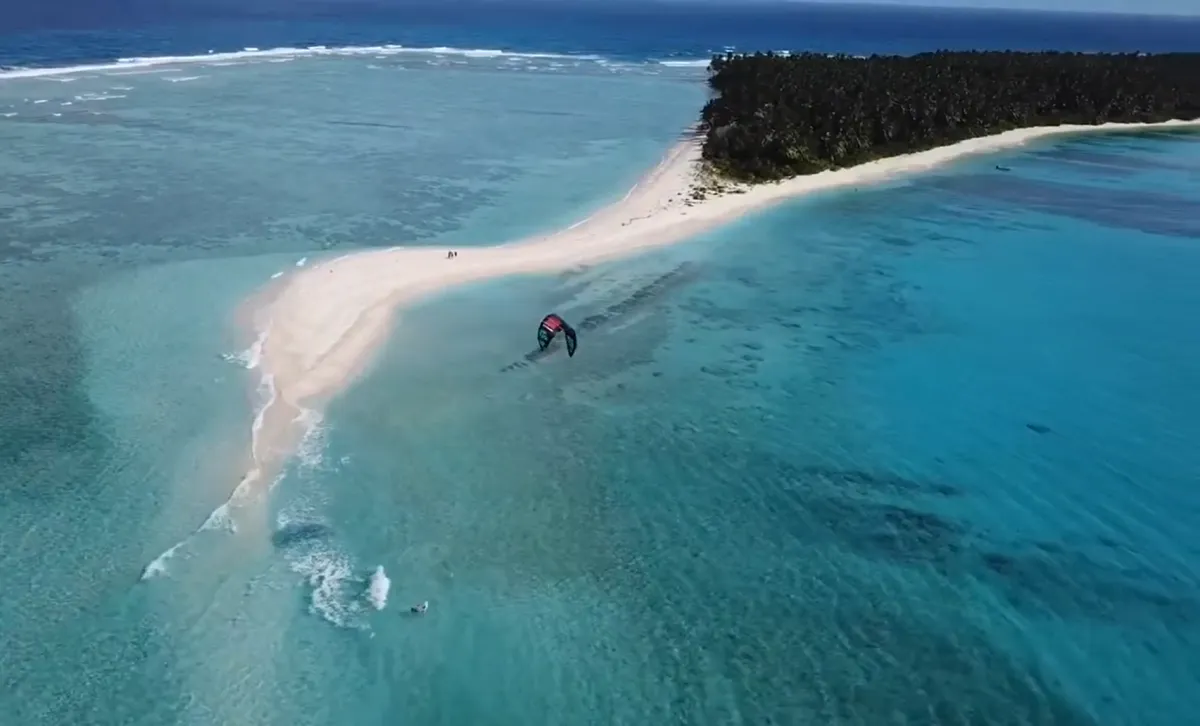
Kwajalein Atoll, deep in the Marshall Islands, is a remote lagoon-and-islet kitesurfing location tailored for riders seeking lengthy, open-water sessions in a laid-back, isolated setting.
Unlike the more accessible mainland spots or resort-driven beaches, Kwajalein's environment has the feel of an expedition: logistics take planning and daily operations are shaped by the atoll's geographical quirks. The atoll sits in the heart of the central Pacific, known for clear lagoon water, a warm year-round climate, and a trade wind system that defines the best months for kitesurfing.
The main season, running from mid-December through mid-May, provides reliable northeast trade winds typically blowing between 15 and 20 knots, often day after day without major interruptions. This dry period aligns with sunnier skies, less rain and more consistent steady wind than the wet season when days become more variable, wind drops to the 10-12 knot range, and heavier showers and dense cloud cover dominate. Wind during the main season comes in predominantly from the northeast to east-northeast, keeping the lagoon's surface clean and manageable for long sessions.
The water is warm enough to make wetsuits unnecessary for most, and the overall feel is far removed from crowded tourist scenes. Access to launch zones is dictated by the unique islet geography; this isn’t a stretch of public beach but a patchwork of coral, sandy edges, and controlled zones where local rules apply. Rigging up often involves finding a suitable sandy patch or adapting to coral fringes, sometimes with limited launch corridors. Sand predominates where possible, though many edges transition quickly to coral or deeper lagoon drop-offs.
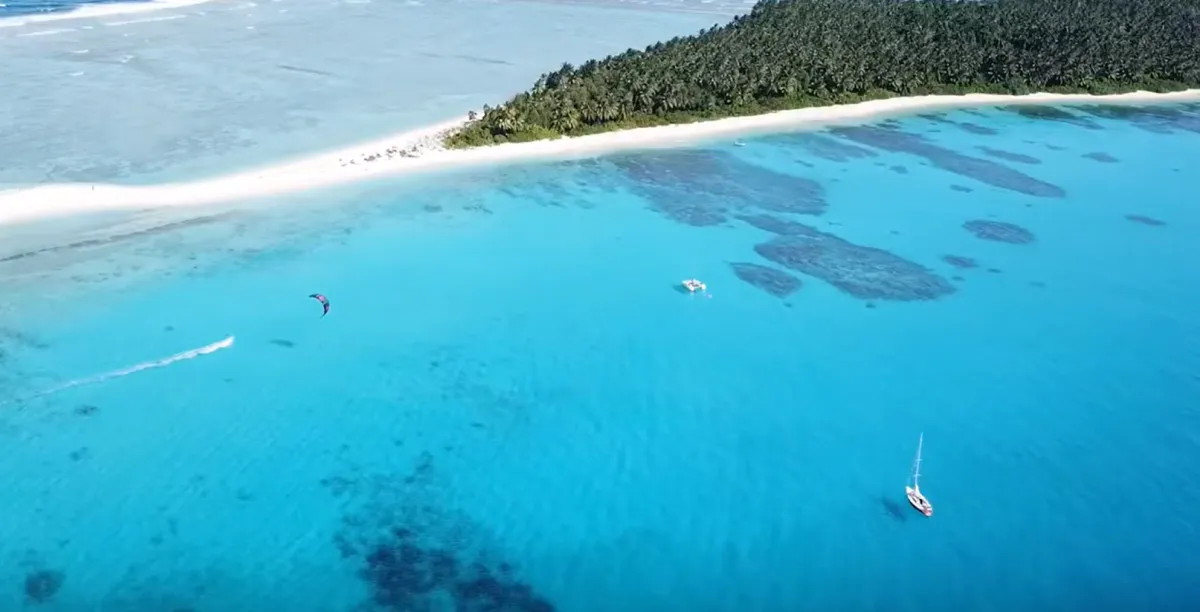
Reliable forecasts often show wind in the 10-20 knot range, skewed toward lighter winds in the shoulder and wet seasons. As such, freeride and hydrofoil are the most realistic disciplines, with long, quiet runs across clear, open swimming-pool water a daily highlight, while punchy surf or strong shorebreak are rare. There are no crowds, just the elements and the natural soundscape of a vast Pacific atoll.
Trips to Kwajalein are major undertakings and typically appeal to experienced, resourceful riders able to travel with their own gear and operate self-sufficiently in a place without kitesurfing infrastructure or a resident kite scene. Sessions here are defined by time on flat lagoons, careful planning around tide shifts, and the logistical reality of a destination without easy access to spares or services.
The atoll’s prevailing mood is quiet—no beach bars, no event tents, no rental counters. Downtime between sessions is shaped by the landscape: walking along sandy sections, exploring where access is permitted, or resting in basic lodgings as the sun goes down behind the coconut palms. Rides are often about distance and solitude, focusing on enjoying the clean air and crystal-clear water rather than chasing contest-level big air or throws.
Over the year, wind stats reflect the rhythm of the climate: dry-season months average over 20 windy days, making winter and early spring the clear prime window. With practical challenges, unique scenery, and a pace set by both nature and logistics, Kwajalein demands self-reliance and rewards those looking for an adventure removed from the everyday kite scene.
Spot Gallery (5)
Spot best suited for
Spot profile
Travel spot
The typical kite travel destination, it is known for its great conditions, and kiters from around the world come here for their vacations.
Adventure spot
That dream place out of the normal touristic routes. Once you reach it, you feel in paradise, it can be anything extraordinary, a hidden gem, remote and fascinating.
Equipment
Most sessions at Kwajalein Atoll call for a freeride setup, with a medium size kite for the dry, windy season when winds hold steady at 15-20 knots, while larger kites can be necessary in lighter conditions around 10-12 knots, especially during the wet or shoulder seasons. Boards suited to flat water or hydrofoil types get the most mileage, as wave action remains minimal. Wetsuits are rarely needed due to the warm tropical water, with most riders opting for boardshorts or a rash guard, or at most a thin shorty or sleeveless suit if they chill easily. Reef-safe booties are a good choice for moving over sharp coral or shallow fringe zones, given the combination of sandy and coral bottom in much of the lagoon. Because the humid, salty environment encourages corrosion, it pays to rinse bars, lines, and metal parts thoroughly after each session and to bring any spare components for longer trips.
Wind Conditions
Main wind directions
% of Windy days per month
Wind Speed Range
From 10 to 20 Knots
Suggested sizes
8 - 9 mt
10 - 11 mt
12 - 13 mt
14 mt and above
Forecast on Windy.com
Dangers
Kwajalein Atoll presents a kitesurfing environment shaped more by geographic and practical hazards than dramatic surf or heavy crowds.
The primary danger is the presence of coral around the lagoon and particularly close to the shoreline and islet fringes, where depth can change abruptly from deep to very shallow. This increases the risk of dings, scrapes, or more serious injuries if a rider loses control or is forced to walk gear out at low tide. Reef cuts are a real concern, especially for those setting up or walking through unknown launch routes; wearing reef-safe booties is the most basic step to mitigate these risks. Proper board control and an awareness of where coral transitions occur are crucial, as is monitoring the tide—certain areas can become exposed or drop to knee-deep quickly, narrowing the safe launch or landing zone and making line management more complicated.
Weather in this region swings between extended dry trade-wind periods and sudden shifts to rainy, gusty, or lighter conditions, meaning poor visibility and abrupt weather changes are always possible, especially outside the prime season. The remote location compounds risk: medical care, repair services, and rescue are not on hand, so self-reliant safety is key. Strict local rules and controlled access to islands or shoreline areas add another layer; riders must know in advance where they're permitted to launch and must respect posted restrictions, which can vary within the atoll. Additionally, the corrosive salt and humidity accelerate wear on all gear; rust, sticky bars, and failing lines are a real concern, especially for extended stays.
On-water navigation must factor in both human logistics and environmental challenges: knowledge of safe passages, quick reactions to changing wind, and strategic use of permitted areas all matter greatly. Riders unprepared for self-guided, isolated conditions will encounter greater hazards here than in more developed kite destinations.
Location
Closest City
Ebeye
How to get There
Travel is by flight, not drive. The atoll is remote and reached through the Marshall Islands air network, with Kwajalein/Bucholz airfield serving the area. From there, access depends on where on the atoll you are going and whether your exact riding area is accessible to visitors; ground travel is local within the atoll rather than a highway-style drive.
Access
Access is not like a normal open public beach stop. The atoll is remote, reached by flight, and some areas may be regulated or controlled rather than freely open. Permissions, local rules, and exact access routes can depend on which part of the atoll you want to use and whether you are staying or moving through permitted zones.
What to do besides kitesurfing
Life on Kwajalein Atoll, whether on or off the water, is determined by remoteness, logistics, and the environment as much as by anything resembling classic beach ressort culture.
The nearest city, Ebeye, is home to a local working community and essential services, but across the atoll, tourist infrastructure is minimal. Hotels, eateries, and nightlife scenes found at mainstream kite destinations are absent. Instead, accommodations are limited and basic, frequently aligned with the needs of visiting workers, military personnel, or guests with prearranged purposes.
Planning each facet of the trip in advance—where to stay, how to get food, securing permissions to access certain islands or shoreline zones—becomes an absolute requirement rather than afterthought. Kwajalein is known for WWII-era history and its context as a strategic Pacific atoll, drawing some interest for heritage exploration, but the key attraction outside kitesurfing is the lagoon landscape itself: mile-wide views over still blue water, palm-dotted islets, and the rare solitude that comes from being far off the usual travel circuit. The rhythm of daily life is guided by the weather, with outdoor activities concentrated in the drier, sunnier trade-wind months.
Evenings are spent on verandas or in simple shared spaces, swapping stories or simply enjoying the isolation. There are local food options tied to the community and a practical reliance on supply flights, but no resort strip or daily tours on offer. Simple pleasures become the central draw: walking the beach, tidepooling, or watching the sun rise and set over the lagoon.
Because all logistics are magnified in the atoll's isolation, organizing every practical detail ahead of time is vital: food, shelter, equipment, and access must all be locked in well before arrival. The experience outside of kiting is down-to-earth, reflecting the setting's working-atoll reality more than luxury. For those drawn to geography and history, the atoll's background as part of WWII operations and as a living Pacific island community adds unique interest. Both the quiet and the practical constraints are part of Kwajalein's character: the weather, especially in the dry season, sets the tone, offering the best opportunities to unwind outside and enjoy a landscape only a few ever get to see, while the wet season is noted for heavier showers, shorter windows of sun and wind, and increased logistical challenges. Visitors with a taste for open space, natural drama, and self-sufficiency will find the atmosphere of Kwajalein distinct, memorable, and entirely unlike the standard tourist model.
Video about Kite Spot
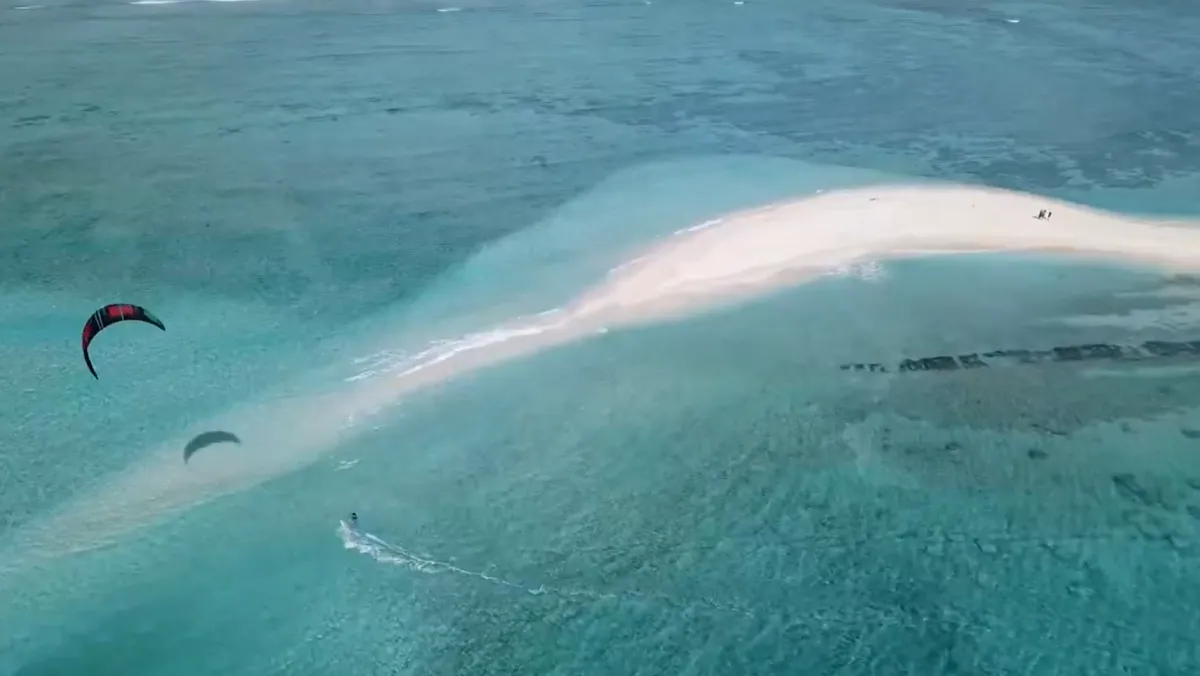
This is a great drone video of a session on the atoll made by Urfer Adventures