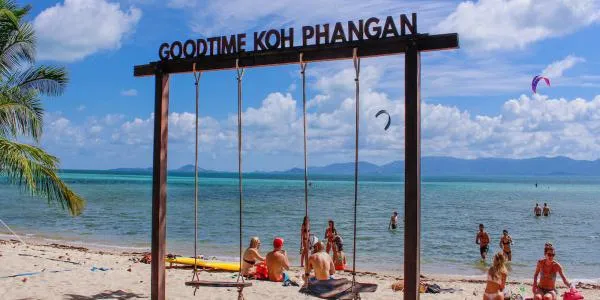
Kitesurfing in Baan Tai Beach
Thong Sala · Thailand
- Spot type Flat
- Rider level beginner
- Water Crystal Clear
- Beach Sand
- Crowd Few people
- Tide effect Conditions vary
Kitesurfing in Baan Tai Beach: Conditions, Wind & Season
Baan Tai Beach is one of the established kitesurfing locations on Koh Phangan, an island in the Gulf of Thailand within Surat Thani Province, southern Thailand. Situated along the island's southern coastline, east of Thong Sala, the spot is known for its shallow lagoon, sandy shoreline and protective offshore coral reef. These natural features create a sheltered environment particularly attractive for beginners, freeriders and kitesurfers looking for flat water. Unlike exposed ocean beaches, Baan Tai is largely protected from incoming swell, although riding conditions depend on seasonal wind direction, tidal depth and the available space within the lagoon.
The lagoon extends between the beach and the offshore reef, which acts as a natural barrier against waves. During favourable conditions, the water can become exceptionally smooth, with only small wind-driven ripples or light chop developing as the breeze strengthens. The shallow seabed makes it easier to practise kite control, transitions and basic freestyle manoeuvres without dealing with breaking waves. However, water depth varies across the lagoon, and submerged coral, shells and other obstacles may be present. Riders should familiarise themselves with the riding area before attempting jumps or exploring unfamiliar sections.
The main kitesurfing season at Baan Tai generally runs from November through February or March, when the northeast monsoon brings easterly and northeasterly winds to Koh Phangan. December, January and February are often the most promising months, although wind reliability varies between years. During favourable periods, the wind reaches the southern coastline with a useful cross-shore or cross-onshore component, providing enjoyable conditions for freeriding and instruction. Moderate winds are particularly suitable for progression, while stronger monsoon events can create more powered sessions and noticeable chop. Local wind exposure varies along the beach, so choosing the correct launching area remains important.
Outside the northeast monsoon season, kitesurfing opportunities become less predictable. During the southwest monsoon, winds may arrive from directions that are poorly suited to parts of Koh Phangan's southern coastline. Airflow crossing the island can become gusty, while offshore winds create additional safety concerns. Occasional rideable days are possible, but Baan Tai is not a consistently windy year-round destination. Visitors planning a kitesurfing trip should prioritise the winter monsoon period and remain flexible with session timing, as even during the main season some days may be too light for conventional twin-tip riding.
Baan Tai is particularly appealing for beginner kitesurfing lessons. The shallow water and absence of significant waves allow learners to concentrate on kite handling, body dragging and water starts in a relatively controlled environment. During suitable tides, standing-depth water can make certain training exercises easier. However, beginners should always learn under qualified supervision, as shallow water, coral formations and changing wind conditions can still create hazards. The lagoon's protected appearance should not be mistaken for an absence of risk, particularly when the wind strengthens or the water level becomes too low.
Intermediate riders can enjoy the lagoon for relaxed freeriding, practising transitions, improving upwind technique and developing controlled jumps. The smooth surface is also attractive for freestyle progression, allowing riders to concentrate on precise edging and board control. Experienced riders may find enjoyable flat-water conditions during stronger winds, although the shallow seabed limits where powered tricks can be performed safely. High jumps and hard landings should be avoided in shallow sections, and sufficient clearance must always be maintained from the reef and other kitesurfers.
Tides are among the most important factors affecting kitesurfing at Baan Tai. At low tide, extensive sections of the lagoon can become too shallow for riding, exposing coral formations, rocks and sandy flats. Higher tides provide additional depth and improve access to the water, although very high water may reduce the available beach for launching. The ideal tidal window depends on the selected access point and equipment. Checking local tide tables is essential, particularly for visitors unfamiliar with the lagoon. Even when the surface appears smooth, insufficient depth can make jumping or riding with longer fins hazardous.
The seabed is predominantly sandy but includes coral fragments, shells and sections of harder reef material. Some areas provide comfortable footing, while others contain sharp or uneven surfaces capable of causing injuries or damaging equipment. Protective footwear is advisable when walking through unfamiliar shallow water. Riders should avoid standing on living coral or dragging boards across reef formations. Water clarity can change with wind and sediment movement, making submerged obstacles more difficult to identify. Particular caution is needed near the offshore reef, where water depth may decrease abruptly.
Launching and landing conditions vary along the beach. Certain sections offer generous sandy areas or exposed sandbanks where kites can be prepared comfortably, especially at favourable tidal stages. However, trees, buildings, boats and other obstacles may restrict usable space in some locations. At higher tide, the beach can become narrower, making safe launching more demanding. Riders should choose an unobstructed area with sufficient clearance from people and hard objects. Local kite schools can provide useful guidance on launching locations, wind direction and the best tidal windows for riding.
The protective coral reef is also one of Baan Tai's principal hazards. Riders approaching the reef may encounter extremely shallow water, exposed coral or small breaking waves during stronger conditions. Equipment failure near these formations can complicate self-rescue, especially when wind or current pushes a rider toward the reef. Maintaining a generous distance from coral is essential, both for personal safety and to protect the fragile marine environment. The lagoon is also shared with other water users, including swimmers, fishing boats and kite-school students, so appropriate separation and respect for right-of-way rules are important.
Hydrofoil kitesurfing is generally limited by the lagoon's shallow depth and submerged coral formations. Although selected deeper sections may be usable during higher tides, many areas lack sufficient clearance for a foil mast. Wing-foiling faces similar restrictions and requires careful assessment of water depth before launching. Riders using foil equipment should seek local advice rather than assuming that the flat surface indicates suitable conditions. Conventional twin-tip riding remains the most practical option for much of the lagoon, particularly when water levels are relatively low.
Koh Phangan's tropical climate provides warm air and water temperatures throughout the year, making heavy thermal protection unnecessary for most riders. Boardshorts, lightweight protective clothing and a rash guard are generally sufficient, while sun protection and hydration remain important. During the northeast monsoon, occasional rain squalls and sudden wind changes can occur, requiring attention to weather conditions. Riders should return to shore if thunderstorms approach or if the wind becomes excessively gusty, particularly when limited water depth reduces the margin for error.
For riders searching for kitesurfing at Baan Tai Beach, flat-water kite spots on Koh Phangan or beginner-friendly kitesurfing destinations in Thailand, this reef-protected lagoon offers an appealing combination of shallow tropical water, smooth riding conditions and seasonal northeast monsoon winds. Its main strengths are the sheltered environment, opportunities for learning and enjoyable freeriding during favourable tides. However, shallow coral, tidal restrictions and variable wind exposure require careful planning. With suitable wind, adequate water depth and respect for the reef, Baan Tai can provide rewarding kitesurfing sessions along Koh Phangan's southern coast.
Something missing or out of date at this spot? Suggest a correction
Spot Gallery (8)


Baan Tai Beach is best suited for
Spot profile
Travel spot
The typical kite travel destination, it is known for its great conditions, and kiters from around the world come here for their vacations.
Local spot
Maybe not be worth a real journey to reach this spot, but great if you live close by and it is a windy day. In the end, being out on the water feels great anywhere
Equipment
Lycra, shoes
Wind Conditions
Main wind directions at Baan Tai Beach
Windy days per month in Baan Tai Beach
Wind Speed Range
From 12 to 23 Knots
Suggested sizes
8 - 9 mt
10 - 11 mt
12 - 13 mt
14 mt and above
Forecast on Windy.com
Kitesurfing Safety & Local Rules at Baan Tai Beach
Baan Tai Beach is generally a safe and beginner-friendly kitesurfing spot, with shallow, flat water protected from ocean waves by an offshore coral reef. The main hazard on land comes from trees near the launching area, which can create wind turbulence and pose a risk of kite or line entanglement. Fortunately, the wide sandbank provides ample space for launching and landing when used correctly. Always maintain a generous distance from the trees and other obstacles.
The shallow lagoon requires caution during jumps and hard falls, as riders may strike the seabed. Water depth can also change with the tide, potentially exposing sandbanks or making certain sections unsuitable for riding. The surrounding coral reef presents an additional hazard if riders venture too close to its edges, particularly at low tide. Check water depth carefully and avoid riding over shallow coral formations.
Although Baan Tai Lagoon offers relatively forgiving conditions, riders should remain aware of other kitesurfers and beach users, especially around popular launching areas. Wind conditions may become less consistent near the tree-lined shoreline, so choose an open section of the sandbank for kite handling. Respect local kite school activities and avoid launching when there is insufficient space to maintain safe separation from others.
Location
Closest City
Thong Sala
How to get There
Fly to Surat Thani airport, then bus and boat (between 2 and 6h depending the company) Or fly to Koh Samui airport, then 30min by boat to cross.
Access
Private with fee (100 baths per day, 1500 baths per month) in the local school, free water, shower, toilet, beach boy to launch and land the kites, electric pump, storage for membership.
No-Wind Days: What to Do Around Baan Tai Beach
Beyond kitesurfing, Baan Tai Beach offers an excellent base for discovering the tropical beauty and lively atmosphere of Koh Phangan, one of Thailand's most attractive islands in the Gulf of Thailand. Located along the southern coast of the island, between Thong Sala and Haad Rin, Baan Tai combines a long sandy shoreline with easy access to restaurants, beach bars, tropical forests and beautiful coastal landscapes. Although Koh Phangan is internationally famous for its Full Moon Party, the island offers much more than nightlife, with waterfalls, secluded beaches, Buddhist temples, diving sites and wellness retreats. For a kitesurfing trip with non-kiters or a family holiday in Koh Phangan, there are plenty of activities to enjoy during no-wind days.
Baan Tai Beach itself is a pleasant place for relaxing, walking along the shoreline and enjoying views across the Gulf of Thailand towards neighbouring Koh Samui. The beach stretches along a relatively developed part of the island, with beachfront accommodation, restaurants and casual bars offering convenient places to spend the day. Its shallow coastal waters and exposed sandbanks create attractive scenery, particularly during low tide, although swimming conditions vary considerably with water depth and the presence of coral or rocky areas. The beach is especially beautiful around sunset, when the sky changes colour above the sea and the surrounding palm trees. Visitors can enjoy a beachfront meal, relax in a hammock or simply appreciate the island's laid-back tropical atmosphere.
One of the most rewarding activities on Koh Phangan is exploring its beautiful beaches. The northern and western coasts feature several attractive destinations, including Haad Yao, Haad Salad and Mae Haad, where visitors can enjoy sandy shorelines, clear water and scenic tropical surroundings. Mae Haad is particularly famous for the sandbar connecting the main island to the small offshore island of Koh Ma, which becomes more visible at lower tide. The surrounding marine environment is popular for snorkelling when visibility and sea conditions are suitable. On the eastern coast, Thong Nai Pan Noi and Thong Nai Pan Yai offer beautiful bays framed by forested hills, creating a quieter atmosphere away from the busier southern beaches. Exploring these different coastal areas is an excellent way to appreciate the island's varied landscapes.
Snorkelling and scuba diving are among Koh Phangan's most popular activities, with numerous dive operators offering excursions around the island and to offshore sites. Sail Rock, located between Koh Phangan and Koh Tao, is one of the Gulf of Thailand's best-known diving locations. This underwater pinnacle attracts a variety of marine life, including schools of tropical fish, barracuda and other reef-associated species. Whale sharks are occasionally encountered in the area, although sightings are unpredictable and should never be expected. Dive trips depend on weather, visibility and sea conditions, while beginners can arrange introductory experiences or certification courses through qualified operators. Snorkelling is also possible at several coastal locations, particularly around Koh Ma and suitable sections of the island's northern beaches.
For travellers seeking a spectacular day trip, Mu Ko Ang Thong National Marine Park is one of the region's most impressive natural attractions. This protected archipelago consists of numerous limestone islands rising dramatically from the turquoise waters of the Gulf of Thailand. Organised boat excursions typically depart from Koh Phangan or neighbouring Koh Samui and may include sightseeing, kayaking, snorkelling and visits to scenic viewpoints, depending on the itinerary and park regulations. The famous Emerald Lake on Ko Mae Ko is one of the park's most distinctive features, surrounded by steep limestone cliffs and tropical vegetation. Boat trips depend on sea conditions and seasonal park access arrangements, so visitors should confirm availability in advance. Information about Thailand's protected areas is available through the Department of National Parks, Wildlife and Plant Conservation.
Koh Phangan's mountainous interior offers excellent opportunities for jungle trekking and exploring tropical nature. Forest trails lead through dense vegetation, coconut plantations and rocky landscapes, sometimes reaching viewpoints overlooking the island's coastline. Than Sadet National Park is one of the island's best-known natural areas, featuring forest scenery, waterfalls and sites associated with visits by Thai royalty. Phaeng Waterfall and the surrounding trails are also popular with hikers, particularly when seasonal rainfall provides sufficient water flow. Trails can become slippery after rain, and some viewpoints require steep climbs, so suitable footwear and adequate drinking water are essential. Visitors should follow marked routes and avoid entering unfamiliar forest areas without appropriate guidance.
For those who enjoy panoramic scenery, Koh Phangan has numerous viewpoints offering spectacular views across the Gulf of Thailand. Elevated locations around the island provide opportunities to admire tropical forests, sandy bays and neighbouring islands. Some viewpoints are accessible by road, while others require short or more demanding walks. The western coastline is particularly attractive during sunset, when the evening light illuminates the sea and surrounding hills. Visitors can combine scenic drives with stops at small cafés and restaurants overlooking the coastline. Road conditions vary considerably, and some mountain routes are steep or poorly surfaced, so travellers should use suitable transport and avoid inexperienced scooter riding on difficult roads.
Koh Phangan is also internationally recognised as a destination for yoga, meditation and wellness retreats. Numerous studios and retreat centres offer classes, workshops and longer programmes focusing on relaxation, mindfulness and physical well-being. The Srithanu area on the island's western coast is particularly associated with yoga communities, vegetarian restaurants and alternative wellness activities. Visitors can join individual yoga sessions, arrange massage treatments or enjoy peaceful surroundings at one of the island's wellness-oriented resorts. Traditional Thai massage is widely available across Koh Phangan and provides a relaxing way to recover after outdoor activities. These experiences are especially appealing to non-kiting partners seeking a quieter alternative to the island's beach parties.
For travellers interested in local culture, Koh Phangan has several Buddhist temples and traditional communities worth exploring. Wat Phu Khao Noi, one of the island's older temples, is located on a hill near Thong Sala and offers a peaceful setting surrounded by tropical vegetation. Other temples around the island provide opportunities to admire traditional Thai architecture and observe aspects of local religious life. Visitors should dress modestly, remove shoes where required and respect ceremonies or meditation activities. Exploring local markets is another enjoyable cultural experience, with vendors selling tropical fruit, freshly prepared Thai dishes, clothing and handmade products. Thong Sala's food markets are particularly popular for sampling regional cuisine in a relaxed atmosphere.
Koh Phangan's food scene is another highlight of a visit, ranging from simple beachfront restaurants to international cafés and lively night markets. Visitors can enjoy traditional Thai dishes such as pad thai, green curry, grilled seafood and spicy papaya salad, alongside fresh tropical fruit and coconut-based desserts. The Thong Sala area offers a particularly wide selection of restaurants, shops and local markets, making it convenient for travellers staying near Baan Tai. The island also has numerous vegetarian and vegan restaurants, especially around Srithanu. Evening markets provide opportunities to sample different dishes and experience the island's relaxed social atmosphere without necessarily participating in its nightlife.
For visitors seeking more energetic entertainment, Koh Phangan offers a variety of recreational activities, including kayaking, stand-up paddleboarding, organised boat excursions and selected motorised water sports where permitted. Some operators may also offer wakeboarding, quad-bike excursions or other adventure activities, although availability and safety standards should be checked carefully. Families can find swimming pools, beach clubs and recreational facilities at various resorts, while travellers interested in fitness can explore gyms, yoga studios and organised sports activities. The island's road network makes it possible to discover many attractions independently, although steep hills, traffic and variable road surfaces mean that bicycles and scooters are not suitable for every route or rider.
Koh Phangan's nightlife is another important part of its identity, particularly around Haad Rin and Baan Tai. The famous Full Moon Party attracts visitors from around the world, while other beach events, music venues and bars provide entertainment throughout the month. Travellers who prefer a quieter evening can enjoy sunset restaurants, live music or relaxed beachfront cafés away from the main party areas. The island offers a wide range of accommodation, from budget bungalows and family-friendly guesthouses to boutique hotels and luxurious villas. Staying near Baan Tai provides convenient access to both Thong Sala and Haad Rin, while the northern and eastern coasts are generally more appealing for travellers seeking peaceful surroundings.
For anyone planning a kitesurfing holiday at Baan Tai Beach and wondering what else there is to do, Koh Phangan offers an exceptional variety of tropical adventures, cultural experiences and relaxation opportunities. A no-wind day can include snorkelling around Koh Ma, diving at Sail Rock, exploring waterfalls in the jungle or joining a boat excursion to Ang Thong National Marine Park. Families and non-kiting partners can discover beautiful beaches, local markets, Buddhist temples and wellness retreats, while adventurous travellers can explore hiking trails, scenic viewpoints and the island's lively entertainment scene. With its combination of tropical scenery, diverse activities and welcoming island atmosphere, Baan Tai Beach is an excellent destination for combining kitesurfing with a memorable holiday in Thailand.
Local Kitesurfing Schools
Following you can find links to the page of the kitesurfing schools which operate on this spot. From there you can contact them through our form or directly via email or phone (if it was provided by them on the page).