
Kitesurfing in Jetty Island
Everett · United States Of America
Been here? Want to go? Add it to your kite spot lists.
Create a free account to save it- Spot type Flat
- Rider level beginner
- Water Dark - Clear
- Beach Sand
- Crowd Seasonal crowd
- Tide effect Conditions vary
Kitesurfing in Jetty Island: Conditions, Wind & Season
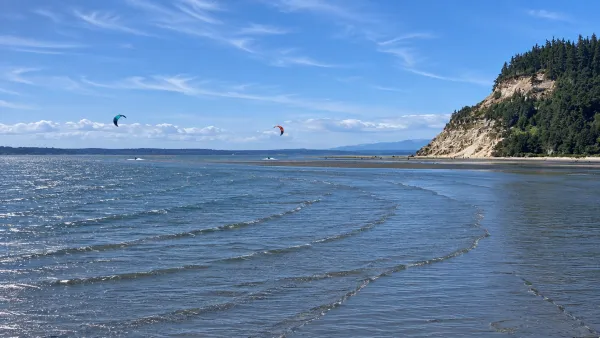
Jetty Island is a distinctive flat-water kitesurfing location near Everett, Washington, United States, situated at the mouth of the Snohomish River in Possession Sound, within the wider Puget Sound region. This narrow, artificial island features an extensive sandy shoreline, gently sloping beaches and broad shallow-water areas that distinguish it from many of the rockier kiteboarding locations in the Pacific Northwest. The main riding area lies along the island's western shoreline, where exposure to the open waters of Possession Sound provides opportunities for light-wind freeriding when conditions align. Unlike the powerful storm-driven spots elsewhere in Washington State, Jetty Island is primarily a summer kitesurfing destination, appreciated for its relatively smooth water, spacious sandy beaches and occasional afternoon breezes. Its sheltered coastal environment makes it particularly attractive to riders interested in relaxed cruising, light-wind progression and practising basic board-handling techniques.
The most favourable kitesurfing period generally extends from June through September, when warmer weather and local marine-breeze circulation provide the best opportunities for afternoon sessions. Westerly and southwesterly winds are particularly relevant, sometimes developing as temperature differences between the land and surrounding waters strengthen during the day. However, wind reliability remains relatively low compared with established kitesurfing destinations, and many summer days produce insufficient wind for conventional twin-tip riding. Suitable sessions may develop with approximately 10–18 knots, although stronger conditions are possible during passing weather systems. Northerly and northwesterly winds can also occur, but their suitability depends on the precise launching location and local wind exposure. Spring and autumn occasionally bring stronger frontal winds, although these periods are less convenient for accessing the island and may involve colder, more challenging conditions. Riders should treat Jetty Island as a forecast-dependent location rather than a destination with a predictable daily wind cycle, checking local wind observations before travelling with equipment.
Water conditions are among Jetty Island's main attractions. The gently sloping sandy seabed creates extensive shallow-water areas, particularly at lower tides when broad tidal flats emerge along the shoreline. In suitable wind conditions, the relatively protected waters can remain flat to lightly choppy, providing an enjoyable environment for practising waterstarts, transitions, controlled turns and relaxed freeriding. However, stronger winds blowing across Possession Sound can generate short wind-driven chop, while tidal currents near the Snohomish River mouth may influence water movement and surface conditions. Water depth changes considerably with the tide, and exposed sandbars or unexpectedly shallow sections can become obstacles for fins and hydrofoil masts. A larger twin-tip board and appropriately sized light-wind kite are practical choices when the breeze is marginal. Hydrofoiling can extend the range of rideable conditions, but riders must identify sufficiently deep channels and avoid the extensive shallow flats. Although the sandy bottom is relatively forgiving for ordinary board handling, shallow water remains hazardous for jumping and uncontrolled falls.
Access to Jetty Island is exclusively by water, as there is no road connection to the island. During the summer season, a passenger ferry generally operates from the Everett waterfront, while private boats provide an alternative means of reaching the beach. Ferry schedules, operating dates and restrictions on transporting bulky kitesurfing equipment should be verified in advance. Once on the island, riders must carry their equipment to a suitable launching area along the open sandy shoreline. The sections closest to the ferry landing can become busy with swimmers and other beach visitors during warm summer weekends, making it essential to select an unobstructed launching location and maintain generous separation from other users. Although the broad beach offers potential space for rigging at lower tides, the available shoreline contracts as the water rises. Jetty Island is most suitable for intermediate riders comfortable with marginal winds, shallow water and independent equipment management. Beginners may appreciate the relatively calm conditions, but should only practise with appropriate instruction and support, particularly because there is no dependable on-water rescue service. Water temperatures in Puget Sound remain cool even during summer, making a full wetsuit advisable for most sessions.
The main hazards at Jetty Island include unreliable wind, changing tidal depths, shallow sandbars, currents near the Snohomish River mouth and limited emergency assistance. Sudden wind drops can leave riders unable to return to their launching point, particularly when currents or offshore wind components are present. The island's proximity to the Everett waterfront and active marine traffic also requires awareness of navigation channels and passing vessels. Riders should avoid launching near swimmers or crowded beach sections, remain clear of sensitive shoreline habitats and carefully assess whether sufficient water depth is available for their equipment. Planning around ferry schedules is equally important, as missed departures or unexpected weather changes can complicate the return journey. With its extensive sandy beaches, shallow protected water and occasional summer marine breezes, Jetty Island offers a distinctive alternative for kitesurfing near Seattle and Everett. Its greatest appeal is for local riders seeking relaxed light-wind sessions and technical progression rather than powerful freestyle or wave conditions, provided they are prepared for the island's limited wind reliability and access requirements.
Something missing or out of date at this spot? Suggest a correction
This spot does not have a photo gallery yet.
Kited here? Add the first photos (free account, one minute).
Jetty Island is best suited for
Spot profile
- Family spotEasy to visit with family and friends. Facilities are close by and non-kiters have plenty to do while you are on the water, so everyone enjoys the day, whether they kite or not.
- Local spotNot worth a long trip, but a great option if you live nearby and the wind is on. Ideal for a quick session after work or a spare afternoon, without planning a whole trip.
Equipment
The most effective setup is a large freeride kite, as the prevailing winds are often on the lighter side and subject to lulls; carrying a second, smaller kite for rare stronger wind events can be useful but is not essential for most sessions. Boards with good low-end performance, such as twin tips with a large surface area or a hydrofoil, are preferred given the marginal wind and vast shallow water. Beginners should prioritize a stable, forgiving board. Wetsuit thickness depends on season: from late June into August, a thin summer wetsuit might be enough on warmest days, but for most of the year a full suit is necessary, with thicker neoprene advisable outside midsummer. Neoprene shoes provide comfort and safety for wading over tidal flats, shells, and any driftwood debris, especially useful as the sand bars and shallow flats extend far offshore.
Wind Conditions
Main wind directions
Windy days per month
Share of the days with more than 10 knots.
Wind speed range
10 - 18 knots
Wind strength on rideable days
- 7-11 kn87%
- 12-16 kn12%
- 17-22 kn1%
- 23-28 kn0%
- 29+ kn0%
Share of the daytime hours with 7+ knots.
Calculate your kite size
Estimate for a rider of your weight at Jetty Island: kite size = weight / wind speed x 2.2, adjusted for the kite shape and aspect ratio. Board, skills and gusts change the ideal size.
Month by month at Jetty Island
| Metric | Jan | Feb | Mar | Apr | May | Jun | Jul | Aug | Sep | Oct | Nov | Dec |
|---|---|---|---|---|---|---|---|---|---|---|---|---|
| Wind | ||||||||||||
| Rideable daysdays | 9 | 7.5 | 11.5 | 13 | 10.5 | 9.5 | 8 | 6.5 | 7 | 9 | 10.5 | 12 |
| Usable windhours | 68 | 52 | 81 | 84 | 63 | 57 | 51 | 40 | 43 | 65 | 77 | 82 |
| Average gustsknots | 11 | 12 | 14 | 15 | 14 | 14 | 15 | 14 | 13 | 13 | 12 | 12 |
| Temperature | ||||||||||||
| Air°C | 6 | 6 | 9 | 12 | 15 | 19 | 22 | 22 | 19 | 13 | 8 | 6 |
| Weather and sea | ||||||||||||
| Sunshinehours / day | 4.2 | 4.5 | 6.5 | 8.6 | 9.6 | 11.3 | 13.3 | 11.1 | 9.1 | 6.3 | 4.1 | 3.1 |
| Rainmm | 154 | 120 | 123 | 112 | 94 | 59 | 16 | 47 | 69 | 130 | 197 | 221 |
| Rainy daysdays | 17 | 16.5 | 17.5 | 17 | 13.5 | 10.5 | 3 | 8 | 8 | 14.5 | 18.5 | 20.5 |
| Wave heightm | 0.1 | 0.1 | 0.1 | 0.1 | 0.1 | 0.1 | 0 | 0.1 | 0.1 | 0.1 | 0.1 | 0.1 |
Typical monthly averages over several years, based on weather data: local thermal winds are usually stronger than shown, and sea temperature and waves are a regional estimate. A rideable day has at least 3 hours of 7+ knots between 10:00 and 18:00, usable wind counts those hours, a rainy day has 1 mm or more.
Wind and climate statistics: Weather data by Open-Meteo.com (CC BY 4.0), based on ERA5 data of the Copernicus Climate Change Service. A typical year, not a forecast.
Forecast on Windy.com
Kitesurfing Safety & Local Rules at Jetty Island
The main hazards at Jetty Island, near Everett in Washington's Puget Sound, are unreliable winds, significant tidal variations and extensive shallow-water areas. Light or inconsistent winds can produce sudden lulls, making kite relaunching difficult and potentially leaving riders stranded away from suitable landing points. Large tidal changes expose broad mudflats and sandbanks, while shallow sections can create risks of hard impacts, trapped feet or equipment damage during falls. Soft, muddy ground may also complicate walking and launching, particularly at low tide. Driftwood and floating debris can accumulate along the shoreline after storms, creating additional obstacles for riders and kite lines. Check wind and tide forecasts carefully, avoid jumping in shallow water and remain within a safe distance of shore.
Jetty Island's western beach is a popular recreational area shared with swimmers, families, children and other visitors, particularly during summer weekends. Crowded sections near the ferry landing and recreational facilities can significantly reduce the space available for safe rigging, launching and landing. Uncontrolled kites or loose lines present serious risks to bystanders, while swimmers and recreational boats may unexpectedly enter the riding area. Ferry movements and private boat traffic around access channels require particular attention, especially when wind conditions become unreliable. Maintain generous separation from swimmers, vessels and beachgoers, avoid launching near crowded areas and keep clear of deeper navigation channels where currents and boat traffic may complicate self-rescue.
Jetty Island has limited facilities and no permanent lifeguard or dedicated kitesurfing rescue service, making careful preparation and self-sufficiency essential. Access is dependent on seasonal ferry operations or private boats, and transporting bulky kitesurfing equipment may be subject to restrictions. Riders should confirm current Port of Everett access rules, ferry schedules, equipment policies and permitted activities before visiting. Bring sufficient drinking water, sun protection and appropriate clothing, as shelter and other amenities are limited. Overnight camping and certain activities may be restricted, while all rubbish should be removed to protect the island's sensitive environment. Plan your return transport in advance, carry a reliable communication device and avoid riding alone when changing weather or unreliable winds could leave you stranded.
How to reach Jetty Island
- Closest cityEverett, Washington
- How to get thereTo reach Jetty Island, drive to Jetty Landing at the Port of Everett, close to 10th Street and West Marine View Drive. From Seattle, take I-5 north to Everett, follow signs to the waterfront and Port of Everett. Park near Jetty Landing, where ferry departures operate in summer. Outside the ferry season, private boats or personal watercraft are needed for island access. Seattle-Tacoma International Airport is the nearest major airport, about 45 miles south by road, with Paine Field available for some regional flights.
- AccessJetty Island is open to the public but cannot be reached by road. Private boats or personal watercraft provide access year-round, while in summer a public passenger ferry connects from Jetty Landing at the Port of Everett, generally operating July through August or early September with reservations required and limited daily capacity. There is no road, bridge, or regular scheduled vehicle service. The island does not charge a beach access fee but ferry tickets, parking, and gear transport may involve variable costs and some restrictions. Vehicles are not permitted onto the island, and there is no overnight stay allowed. There are also no private admission passes reported, just the normal ferry ticketing process.
No-Wind Days: What to Do Around Jetty Island
Jetty Island is one of the most unusual beach destinations in Washington State, offering a peaceful sandy escape just offshore from the city of Everett, north of Seattle. Located at the mouth of the Snohomish River, this narrow, approximately two-mile-long artificial island combines broad sandy beaches, shallow tidal waters and important coastal wildlife habitats. Its relaxed atmosphere and absence of commercial development make it particularly appealing for families, nature lovers and non-kiting partners looking to enjoy a simple beach outing along the shores of Puget Sound.
The island's greatest attraction is its beautiful western shoreline, where extensive sandy beaches and shallow tidal flats create an inviting setting for walking, beachcombing, picnicking and family recreation. During low tide, the exposed sand can extend far from the shore, providing an extraordinary landscape for exploring and playing beside the water. Children particularly enjoy building sandcastles, collecting shells and discovering the changing shoreline, while the open beach offers plenty of room for relaxing or enjoying the coastal scenery. Swimming and wading are popular during warmer summer days, although visitors should remain aware of changing tides, soft muddy areas, currents and the absence of lifeguards. The water can also remain surprisingly cold despite the shallow depth.
Jetty Island is an important natural habitat within the Snohomish River estuary, attracting numerous coastal birds and other wildlife throughout the year. The surrounding salt marshes, tidal flats and shallow waterways provide feeding and resting areas for migratory shorebirds, herons, gulls and waterfowl. Birdwatching is particularly rewarding during quieter periods, when visitors can observe wildlife without the crowds of busy summer weekends. The island also offers beautiful views towards the Cascade Mountains and the surrounding Puget Sound coastline, making it an appealing destination for photography. Visitors should avoid disturbing nesting birds, trampling sensitive vegetation or entering protected habitat areas.
Kayaking and stand-up paddleboarding provide alternative ways to experience the surrounding waterfront when conditions are suitable. The sheltered waters near Everett's marina and the Snohomish River estuary offer opportunities to explore the coastal environment, although currents, tidal changes and commercial boat traffic require careful attention. Guided paddling excursions and equipment rentals may be available through operators in the wider Everett area. Visitors should not assume that the short distance between Jetty Island and the mainland makes an independent crossing automatically safe, particularly when travelling with children or inexperienced paddlers.
Back on the mainland, Everett's waterfront offers a pleasant combination of marinas, restaurants, public spaces and recreational activities. The Port of Everett waterfront district is particularly enjoyable for a relaxed afternoon, with walking paths, views of the harbour and opportunities to watch fishing boats and recreational vessels moving through the marina. Waterfront restaurants provide a convenient place to enjoy fresh seafood or casual American cuisine after a day on the island. Nearby Grand Avenue Park offers elevated views across the waterfront, while the pedestrian bridge connecting the park with the marina district provides an enjoyable route for exploring the area on foot.
Downtown Everett offers additional attractions for visitors interested in culture, history and family activities. The Imagine Children's Museum is particularly popular with families, featuring interactive exhibits and educational experiences designed for younger visitors. The historic downtown area includes independent cafés, restaurants, shops and cultural venues, while the Schack Art Center showcases regional artists and creative exhibitions. Aviation enthusiasts can also explore Everett's important aerospace heritage, including attractions associated with the region's aircraft manufacturing industry, although tours and visitor access should be checked in advance.
For visitors planning a longer stay, the surrounding region offers excellent opportunities for day trips. Mukilteo, just south of Everett, is known for its picturesque waterfront, historic lighthouse and ferry connections to Whidbey Island. The nearby beaches and coastal parks provide attractive settings for walking, photography and watching the ferries cross Puget Sound. Farther inland, the Cascade foothills offer hiking trails, forest scenery and access to some of Washington State's most beautiful natural landscapes. Visitors can also explore the charming communities of Whidbey Island or travel south towards Seattle for museums, markets, waterfront attractions and urban sightseeing.
Visiting Jetty Island requires some advance planning because the island has no permanent restaurants, accommodation, shops, electricity or running water. Seasonal passenger ferry services generally operate during the summer, but dates, schedules, booking arrangements and capacity can change from year to year. Visitors should check current arrangements through the official City of Everett website before travelling. Food, drinking water, sunscreen, towels, suitable clothing and any necessary beach equipment should be brought from the mainland. Shade is limited, and visitors should take all rubbish away with them to help protect the island's fragile environment. Accommodation, supermarkets and essential services are readily available in Everett, making the city the most convenient base for a visit.
With its expansive sandy shoreline, remarkable tidal landscapes and abundant birdlife, Jetty Island offers a refreshing escape from the developed waterfronts of Puget Sound. Whether spending a summer afternoon building sandcastles, exploring the exposed tidal flats, observing migratory birds or enjoying a waterfront meal in Everett, visitors will discover an appealing combination of nature and relaxed coastal recreation. Its limited infrastructure and seasonal access make Jetty Island better suited to well-planned day trips than extended stays, but its peaceful atmosphere and family-friendly character make it an enjoyable destination for non-kiting partners and anyone looking for a simple outdoor adventure near Seattle.
Riders of Jetty Island
Who calls Jetty Island home, who is planning a trip and who has ridden it. Add yourself to meet them.
Nobody calls it home yet
Make it my home spotNobody on the way yet
I want to goBe the first to ride it
I have been hereUpcoming at Jetty Island
Sessions, downwinders and meetups planned by the riders of Jetty Island. Going too? Join them.
No session planned yet. Going out soon? Post it: the riders who follow Jetty Island get a notification.
Other kitesurfing spots near Jetty Island



All kitesurfing spots in United States Of America
Last updated: