
Kitesurfing in Pallarenda Townsville
Townsville · Australia
Been here? Want to go? Add it to your kite spot lists.
Create a free account to save it- Spot type Flat
- Rider level intermediate
- Water Dark - Clear
- Beach Sand
- Crowd Few people
- Tide effect Conditions vary
Kitesurfing in Pallarenda Townsville: Conditions, Wind & Season
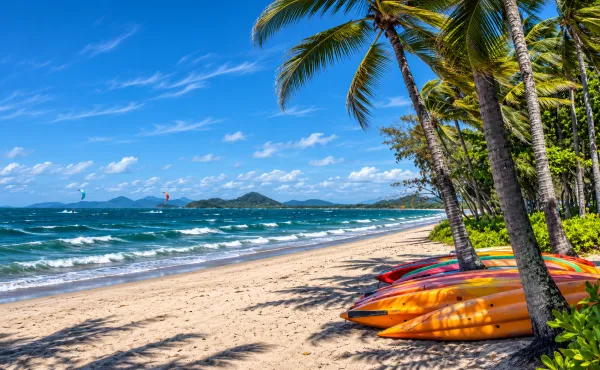
Pallarenda Beach is the main kitesurfing location around Townsville, situated approximately 10 kilometres northwest of the city centre along the tropical coastline of North Queensland, Australia. Overlooking Cleveland Bay, with Magnetic Island visible offshore, this extensive sandy beach offers a combination of open-water freeriding, shallow coastal sections and relatively smooth water during favourable wind and tidal conditions. Unlike the more exposed surf beaches of southern Queensland, Pallarenda is partially sheltered from large ocean swells by the surrounding coastal geography and offshore islands, resulting in predominantly flat to moderately choppy water. The long shoreline provides considerable space for cruising and practising manoeuvres, while the established launching area at Robertsons Park makes equipment preparation relatively straightforward. Pallarenda is particularly appreciated by local kitesurfers for its accessible conditions, reliable seasonal trade winds and relaxed atmosphere, offering an enjoyable alternative to the more crowded kiteboarding destinations elsewhere along Australia's east coast.
The most favourable kitesurfing conditions are associated with the southeast trade winds, which influence the Townsville coastline for much of the year. Although rideable days are possible across an extended season, the most dependable trade-wind conditions generally occur during the cooler and drier months, particularly from April through October. Easterly and southeasterly winds are the preferred directions at Pallarenda, providing relatively clean airflow across Cleveland Bay and favourable angles for launching from the beach. During established trade-wind periods, wind speeds commonly range from 15 to 25 knots, with stronger days occasionally approaching or exceeding 30 knots. These conditions are suitable for conventional freeride twin-tips, with medium-sized kites frequently providing sufficient power for enjoyable sessions. Stronger winds allow experienced riders to use smaller equipment and practise powered manoeuvres, while lighter periods favour larger kites or hydrofoils. During the tropical wet season, from approximately November through April, wind conditions become less predictable, with increased rainfall, thunderstorms and occasional tropical cyclone activity. Although suitable easterly winds can still occur, rapid weather changes and squalls require particular attention. The most reliable sessions are therefore generally associated with established southeast trade-wind patterns rather than isolated storm-driven conditions.
Water conditions at Pallarenda vary considerably with the tide, wind direction and distance from shore. The seabed consists predominantly of sand and muddy sediment, with shallow sections extending offshore and occasional harder patches or submerged debris. During suitable tidal stages, relatively smooth water can develop close to shore or behind shallow sandbars, providing enjoyable conditions for practising transitions, controlled freestyle and general freeriding. Farther offshore, stronger southeast trade winds generate moderate wind-driven chop, creating small ramps for jumping and more powered-up cruising. The absence of significant ocean swell makes Pallarenda less attractive for dedicated wave riding, although stronger winds can produce short, irregular waves across Cleveland Bay. Twin-tip boards are particularly suitable for the prevailing conditions, while larger light-wind boards can extend the range of rideable days. Hydrofoiling is possible in deeper sections but requires careful attention to shallow areas and changing tidal levels. The spot is also suitable for improving general board control and upwind riding, although beginners should seek professional instruction rather than assuming that the extensive beach and relatively smooth water eliminate the risks associated with launching and kite handling.
The principal access point is near Beach Access 14 at Robertsons Park, where a grassy rigging area provides space for preparing equipment before moving onto the sandy shoreline. Public parking, toilets and a freshwater tap are available nearby, making this one of the more convenient kiteboarding launches around Townsville. The extensive beach generally offers adequate room for launching and landing, although riders should remain clear of other park users, swimmers and any designated restricted areas. Parking and rigging space may become busier during favourable wind periods, particularly on weekends, but the long coastline usually allows riders to spread out once on the water. Current local launching rules and beach access arrangements should always be checked before rigging. Water temperatures remain warm throughout most of the year, making boardshorts and a rash guard suitable during the cooler trade-wind season. However, marine stingers are a serious consideration in tropical North Queensland, particularly during the warmer months from approximately November through May. Appropriate protective clothing, including a full-length stinger suit when recommended by local authorities, is important during this period. Riders should also remain aware of crocodile warnings and avoid unfamiliar estuaries or creek mouths, where dangerous wildlife may be present.
The principal hazards at Pallarenda include changing tidal depths, submerged obstacles, strong trade-wind gusts and tropical marine wildlife. Shallow sections can become exposed during lower tides, reducing the available riding area and increasing the risk of injury during jumps or unsuccessful landings. Strong easterly and southeasterly winds can generate significant chop, while sudden squalls associated with tropical weather systems may produce dangerous changes in wind strength and direction. Marine stingers are an important seasonal hazard, and riders should follow current local warnings rather than relying solely on the apparent clarity or warmth of the water. Although the launching area is relatively spacious, maintaining adequate separation from other riders and beach users remains essential, particularly during busy weekends. For those exploring the wider Townsville region, additional kiteboarding opportunities may be found around Cungulla and Alva Beach, although their access, tidal characteristics and wind exposure differ from Pallarenda. With its extensive sandy shoreline, favourable southeast trade winds and accessible launching facilities, Pallarenda remains one of North Queensland's most practical kitesurfing locations. Its greatest appeal lies in relaxed freeriding, long cruising sessions and technical progression in warm tropical waters, particularly during the dependable trade-wind season.
Something missing or out of date at this spot? Suggest a correction
This spot does not have a photo gallery yet.
Kited here? Add the first photos (free account, one minute).
Pallarenda Townsville is best suited for
Spot profile
- Travel spotA proven kite destination with reliable conditions, worth a trip. Kiters fly in from all over the world for their kite holidays, and you will probably find schools, rentals and a lively kite scene nearby.
- Family spotEasy to visit with family and friends. Facilities are close by and non-kiters have plenty to do while you are on the water, so everyone enjoys the day, whether they kite or not.
- Local spotNot worth a long trip, but a great option if you live nearby and the wind is on. Ideal for a quick session after work or a spare afternoon, without planning a whole trip.
Equipment
A freeride or all-round kite setup matches the conditions at Townsville - Pallarenda, with a 12 m kite bieng the most common size for the average 20-25 knot trade winds. When the wind is stronger, experienced riders often switch to a smaller kite to make the most of the power available. There is no need for a full wetsuit as the warm tropical climate usually allows for board shorts, a stinger suit during the wet season from November to May due to marine stingers, and perhaps a thin rash guard for sun protection. Light booties are helpful if you explore reefy or sharper-bottomed areas adjacent to the main sandy launch, but most of the time barefoot works fine. Comfortable harnesses are ideal for long sessions, and sun protection is essential all year.
Wetsuit suggestion by month
- JanShorts30°
- FebShorts30°
- MarShorts29°
- AprShorts28°
- MayShorts25°
- JunShorty23°
- JulShorty23°
- AugShorty23°
- SepShorts24°
- OctShorts27°
- NovShorts29°
- DecShorts29°
- Shorty Shorty or neoprene top
- Shorts Boardshorts and lycra
Based on the average sea temperature of each month. A guide for an average rider: if you feel the cold, go one step warmer.
Wind Conditions
Main wind directions
Windy days per month
Share of the days with more than 10 knots.
Wind speed range
10 - 16 knots
Wind strength on rideable days
- 7-11 kn84%
- 12-16 kn16%
- 17-22 kn0%
- 23-28 kn0%
- 29+ kn0%
Share of the daytime hours with 7+ knots.
Calculate your kite size
Estimate for a rider of your weight at Pallarenda Townsville: kite size = weight / wind speed x 2.2, adjusted for the kite shape and aspect ratio. Board, skills and gusts change the ideal size.
Month by month at Pallarenda Townsville
| Metric | Jan | Feb | Mar | Apr | May | Jun | Jul | Aug | Sep | Oct | Nov | Dec |
|---|---|---|---|---|---|---|---|---|---|---|---|---|
| Wind | ||||||||||||
| Rideable daysdays | 24 | 17 | 23.5 | 21 | 19.5 | 19 | 21 | 24.5 | 27 | 29 | 26.5 | 24 |
| Usable windhours | 169 | 120 | 169 | 156 | 141 | 128 | 138 | 175 | 209 | 220 | 211 | 180 |
| Average gustsknots | 17 | 16 | 17 | 17 | 16 | 15 | 16 | 18 | 21 | 20 | 19 | 19 |
| Temperature | ||||||||||||
| Air°C | 29 | 29 | 29 | 28 | 26 | 24 | 23 | 24 | 26 | 28 | 29 | 29 |
| Sea°C | 30 | 30 | 29 | 28 | 25 | 23 | 23 | 23 | 24 | 27 | 29 | 29 |
| Weather and sea | ||||||||||||
| Sunshinehours / day | 10 | 9.2 | 10.1 | 10 | 9.8 | 9.7 | 9.6 | 10.5 | 11.3 | 11.8 | 11.2 | 10.5 |
| Rainmm | 392 | 527 | 264 | 179 | 39 | 26 | 49 | 30 | 15 | 33 | 105 | 210 |
| Rainy daysdays | 20 | 21 | 17.5 | 13 | 6 | 4 | 4.5 | 3 | 3 | 5 | 12 | 15.5 |
| Wave heightm | 0.6 | 0.6 | 0.6 | 0.6 | 0.6 | 0.5 | 0.5 | 0.5 | 0.6 | 0.5 | 0.5 | 0.5 |
Typical monthly averages over several years, based on weather data: local thermal winds are usually stronger than shown, and sea temperature and waves are a regional estimate. A rideable day has at least 3 hours of 7+ knots between 10:00 and 18:00, usable wind counts those hours, a rainy day has 1 mm or more.
Wind and climate statistics: Weather data by Open-Meteo.com (CC BY 4.0), based on ERA5 data of the Copernicus Climate Change Service. A typical year, not a forecast.
Forecast on Windy.com
Kitesurfing Safety & Local Rules at Pallarenda Townsville
The main hazards at Pallarenda Beach, near Townsville in North Queensland, Australia, are seasonal marine stingers, changing tidal conditions and shallow-water obstacles. During the tropical wet season, generally from November to May, dangerous jellyfish, including box jellyfish, become a significant concern. Wearing a full-body stinger suit is strongly recommended during the marine stinger season, and riders should follow local warnings before entering the water. Although the beach is predominantly sandy and provides relatively convenient rigging space, falling tides can expose uneven seabed sections, rocks, coral fragments and other submerged obstacles. Areas that initially offer sufficient water depth may become too shallow for safe riding as the tide drops, increasing the risk of injuries or equipment damage during falls. Protective footwear and careful assessment of tidal conditions are advisable, particularly when launching away from the main beach access areas.
Wind conditions at Pallarenda can strengthen considerably during the trade wind season, sometimes increasing from relatively moderate morning breezes to winds approaching 30 knots or more. Riders who select equipment for lighter conditions may become overpowered as the wind builds, particularly when gusts develop during stronger weather patterns. Regularly reassess wind strength, choose an appropriate kite size and avoid remaining on the water when conditions exceed your abilities. The exposed coastline can also develop increasing chop as the breeze strengthens, while shallow sections and occasional reef patches closer to shore create additional hazards during high-speed riding or unsuccessful manoeuvres. Tropical weather systems may produce sudden squalls and thunderstorms during the wet season, requiring particular caution. Marine wildlife, including sharks, should be treated with the usual precautions appropriate to North Queensland waters, and riding alone in marginal conditions is best avoided.
Pallarenda Beach is a public recreational area shared with walkers, families, swimmers and other water users, particularly around the park and main beach access points. During favorable wind conditions, increasing numbers of kitesurfers and beginners practising close to shore can further reduce the available launching and landing space. There are no dedicated kite-only zones across the beach, making responsible equipment handling and generous separation from non-kiters especially important. Avoid launching near crowded paths, parked vehicles or recreational facilities, and keep kite lines clear of pedestrians and other riders. Beach access is generally straightforward and does not normally require a special kitesurfing permit, but local signage, temporary restrictions and instructions from authorities must always be respected. With careful attention to seasonal marine hazards, tidal variations and strengthening winds, Pallarenda can provide enjoyable conditions for riders who remain aware of the surrounding environment.
How to reach Pallarenda Townsville
- Closest cityTownsville
- How to get thereDrive north from central Townsville to the Pallarenda / Robertsons Park beach access area. It is close to the city and commonly described as only a few minutes' drive from town. Townsville Airport is also nearby for domestic flights, making it easy to reach from other Australian cities before continuing by car or taxi.
- AccessPublic access is available through beach access points, with the commonly mentioned launch zone at Beach Access 14 in Robertsons Park. That area has grass for rigging and basic public facilities such as toilets and water. No special permit is indicated in the available information, and the spot is treated as a normal public beach access rather than a private fee-paying location.
No-Wind Days: What to Do Around Pallarenda Townsville
Townsville, located on the tropical northeast coast of Queensland, is one of those Australian cities that offers considerably more than its relaxed coastal atmosphere might initially suggest. Overlooking the Coral Sea and surrounded by rugged hills, tropical islands and beautiful natural landscapes, Townsville combines the convenience of a modern regional city with easy access to some of North Queensland's most interesting attractions. Unlike the more tourist-oriented Cairns, Townsville retains a distinctly local character, with waterfront restaurants, historic neighbourhoods and a slower pace of life. For families and non-kiting partners, the combination of beaches, wildlife, cultural attractions and nearby Magnetic Island makes it an excellent destination for exploring tropical Queensland.
The Strand is undoubtedly the heart of Townsville's waterfront life. This attractive seaside promenade stretches along the coastline, offering beautiful views towards Magnetic Island and the surrounding Coral Sea. Palm-lined walking paths, landscaped gardens, playgrounds, picnic areas and waterfront cafés make it particularly popular with families and local residents. The Strand also features a large recreational swimming lagoon, providing a convenient alternative to the open sea, where tropical marine stingers and other hazards can make swimming unsuitable at certain times of the year. The surrounding parklands are excellent for walking, jogging, cycling or simply relaxing beneath the tropical trees. During the evening, the waterfront becomes particularly pleasant as the temperature drops and restaurants fill with people enjoying the coastal atmosphere.
Just north of the city centre, Pallarenda Beach offers a quieter and more natural environment than the busy Strand waterfront. Its long sandy shoreline, coastal vegetation and views towards Magnetic Island make it an attractive destination for beach walks, photography and birdwatching. The nearby Cape Pallarenda Conservation Park protects sections of coastal woodland and historic military sites, with walking trails providing opportunities to explore the area's natural and cultural heritage. The remains of World War II defensive installations reflect Townsville's strategic importance during the Pacific campaign. Visitors interested in nature can also explore the surrounding coastal habitats, where mangroves, shorebirds and tropical vegetation create a landscape quite different from the city's developed waterfront.
Magnetic Island is one of Townsville's greatest attractions and certainly deserves at least a full day of exploration. Located approximately twenty minutes offshore by passenger ferry, the island combines beautiful sandy bays, granite headlands, tropical vegetation and a remarkably relaxed atmosphere. More than half of the island is protected within Magnetic Island National Park, providing walking trails and opportunities to observe native wildlife, including wild koalas resting in eucalyptus trees. The Forts Walk is particularly popular, combining panoramic coastal views with historic World War II fortifications. Beaches such as Horseshoe Bay, Alma Bay and Geoffrey Bay offer attractive settings for swimming, snorkelling and relaxing when conditions are suitable, although visitors should always follow local advice regarding marine stingers and other coastal hazards.
For visitors who enjoy panoramic views, Castle Hill is another attraction that should not be missed. Rising dramatically above Townsville, this enormous pink granite formation provides spectacular views across the city, Cleveland Bay and Magnetic Island. Several walking routes lead towards the summit, while a sealed road offers easier access for those who prefer not to tackle the steep climb. Early mornings and late afternoons are particularly enjoyable, when the temperatures are more comfortable and the changing light creates beautiful colours across the surrounding landscape. The hill is also an important recreational area for local residents, with walkers, runners and cyclists regularly using its routes. Visitors should carry drinking water and avoid strenuous activity during the hottest part of the day.
Townsville also offers several interesting cultural attractions, particularly for families travelling with children. Queensland Museum Tropics presents exhibitions dedicated to North Queensland's natural history, maritime heritage and tropical environments, including the fascinating story of the historic shipwreck HMS Pandora. The city's galleries and cultural venues provide additional opportunities to discover regional art and history, while the historic streets around Flinders Street feature restaurants, cafés and traditional Queensland architecture. The Great Barrier Reef Aquarium, formerly known as Reef HQ, was once one of the city's best-known attractions, but it remains closed for redevelopment and should not currently be included in sightseeing plans. Fortunately, Townsville offers plenty of other indoor activities for rainy days or when visitors need a break from the tropical heat.
Nature lovers can explore the surrounding region through excursions to the Great Barrier Reef, nearby islands and tropical rainforest landscapes. Boat operators departing from Townsville offer snorkelling and diving trips to selected reef locations, including opportunities to discover colourful coral formations and tropical marine life. The Museum of Underwater Art provides another unusual attraction, with submerged sculptures designed to encourage awareness of marine conservation. Inland, Paluma Range National Park protects beautiful rainforest habitats, mountain scenery and walking trails, offering a cooler alternative to the tropical coastline. Visitors interested in Australian wildlife can also visit Billabong Sanctuary, located south of Townsville, where educational experiences introduce native animals such as crocodiles, koalas and other species.
Accommodation in Townsville ranges from budget hostels, motels and holiday apartments to waterfront hotels and larger family-oriented properties. The Strand, North Ward and the central business district are particularly convenient areas for visitors who want easy access to restaurants, shops and recreational facilities. The city offers a broad selection of dining options, including fresh seafood, Australian pub meals, Asian cuisine and casual waterfront restaurants. Supermarkets, shopping centres, pharmacies and other essential services are readily available, making longer stays relatively straightforward. A rental car is useful for exploring Pallarenda, the surrounding beaches and inland attractions, while passenger ferries provide regular connections to Magnetic Island. During the tropical wet season, heavy rainfall, high humidity and occasional severe weather can affect outdoor activities, so checking local forecasts and travel conditions is advisable.
Townsville offers an excellent balance between the comforts of a modern Australian city and the natural attractions of tropical North Queensland. Whether exploring Magnetic Island, enjoying the panoramic views from Castle Hill, discovering the history of Cape Pallarenda or relaxing along the Strand, there is plenty to experience when the wind disappears. For families and non-kiting partners, the combination of wildlife, beaches, rainforest excursions and convenient urban facilities makes Townsville a rewarding destination for a kitesurfing holiday that extends well beyond the time spent on the water.
Riders of Pallarenda Townsville
Who calls Pallarenda Townsville home, who is planning a trip and who has ridden it. Add yourself to meet them.
Nobody calls it home yet
Make it my home spotNobody on the way yet
I want to goBe the first to ride it
I have been hereUpcoming at Pallarenda Townsville
Sessions, downwinders and meetups planned by the riders of Pallarenda Townsville. Going too? Join them.
No session planned yet. Going out soon? Post it: the riders who follow Pallarenda Townsville get a notification.
Other kitesurfing spots near Pallarenda Townsville
All kitesurfing spots in Australia
Last updated: