Kitesurfing in Bo'aozhen
Qionghai - China
Spot Type
Flat
Water
Dark - Muddy
Beach
Sand
Rider Level
beginner
Spot characteristics
Spot Type
Flat
Rider Skill
beginner
Crowd
Seasonal Crowd
Beach Type
Sand
Water Quality
Dark - Muddy
Tide Influence
All tide levels with different conditions (chop - flat - wave)
Kitesurfing in Bo'aozhen: Conditions, Wind & Season
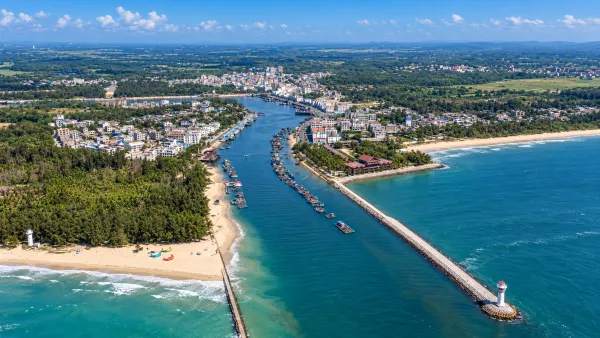
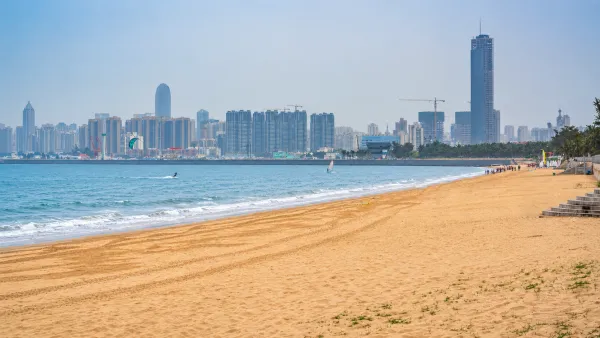
Bo'ao, also known as Bo'aozhen, is located near Qionghai on the southeast coast of Hainan Island, China, and is one of the more established options for kitesurfing in Hainan. The spot occupies a broad sandy bay facing the South China Sea, providing plenty of open water and relatively straightforward launching and landing. Unlike some of Hainan's more remote kite beaches, Bo'ao combines tropical riding conditions with hotels, restaurants and other tourist infrastructure nearby, making it particularly convenient for longer stays, families and riders who prefer an accessible base rather than an isolated kite destination.
The main wind season is controlled by Hainan's northeast monsoon, which generally provides the most reliable conditions from November through March. During this period, northeast winds can produce comfortably powered freeride sessions, with stronger days generating increased chop, shorebreak and small waves. Conditions are generally lighter during spring and early summer, when southeasterly and southerly winds combined with local thermal effects can provide more relaxed sessions. This seasonal variety makes Bo'ao an interesting option for kitesurfing on the east coast of Hainan, with conditions ranging from accessible cruising to stronger winter riding.
The water state varies considerably with wind strength, direction and tide. On lighter days, riders can find relatively smooth sections mixed with moderate chop, while stronger northeast monsoon winds create rougher water and small wind-driven waves that provide natural ramps for jumping and playful wave riding. The sandy bottom and shallower water close to parts of the shoreline make launching, relaunching and returning to the beach relatively straightforward, although the water becomes progressively deeper farther offshore. The bay is better known for freeride and general progression than for perfectly flat freestyle conditions or serious wave riding.
One of Bo'ao's main advantages is space. The medium-to-wide sandy beach provides comfortable areas for preparing equipment, while the large bay leaves plenty of room for long freeride runs and practising upwind riding without constantly navigating around other kiters. The spot can become busier during the northeast monsoon season and Chinese holiday periods, but the size of the riding area generally helps spread riders along the coastline. Intermediate riders will find the conditions particularly accessible, while beginners should seek instruction or supervision when stronger monsoon winds and shorebreak are present.
Tides influence the width of the beach, water depth and amount of chop but generally change the character of the spot rather than making it completely unusable. Riders should nevertheless check the tide and forecast before each session, especially when strong northeast winds coincide with a higher sea state. The warm tropical climate means water temperatures remain comfortable for much of the year, while winter wind can make a light wetsuit or additional protection useful depending on personal preference and weather conditions.
Qionghai is the nearest recognisable city, while Haikou provides a major transport gateway to northern Hainan and Sanya serves the island's main tourism centre farther south. Bo'ao itself is a well-developed coastal destination with accommodation, restaurants and shops close to the beach, making no-wind days easy to manage. The area is also known for the Boao Forum for Asia and the nearby Wanquan River estuary, adding sightseeing possibilities beyond the kite beach. For riders exploring kitesurfing in China, Bo'ao offers a practical combination of northeast monsoon wind, a spacious sandy bay, warm conditions and convenient infrastructure, making it a solid base for kitesurfing in Hainan and along China's tropical South China Sea coast.
Bo'aozhen is best suited for
Spot profile
Travel spot
The typical kite travel destination, it is known for its great conditions, and kiters from around the world come here for their vacations.
Family spot
Located in an area that offers amenities for all the family and can provide good alternatives for everyone when the kiters are in the water.
Equipment
The typical quiver at Boaozhen should include a medium-sized kite, most commonly anywhere from 9 to 12 meters, which works well for the range of wind strengths found throughout the main seasons. A smaller kite is useful if riding in the peak of winter’s northeast monsoon, while a larger kite may see more use during lighter thermal or summer conditions. A twin-tip board is generally recommended for freeride and progression, but some riders will enjoy switching to a directional if small wave faces appear. During the cooler part of the year, a shorty or thin wetsuit is usually sufficient due to the tropical climate; in the warmer season, boardshorts or a thin rashguard are comfortable choices. Reef or beach shoes are not generally critical because the sand launch is forgiving, but those looking for extra protection can bring them along.
Wind Conditions
Main wind directions at Bo'aozhen
Windy days per month in Bo'aozhen
Wind Speed Range
From 15 to 25 Knots
Suggested sizes
8 - 9 mt
10 - 11 mt
12 - 13 mt
Forecast on Windy.com
Kitesurfing Safety & Local Rules at Bo'aozhen
Boaozhen is generally a relatively safe kitesurfing spot, but stronger northeast monsoon conditions during winter can produce a noticeable shorebreak. Launching, landing and getting through the break can become more technical on windy days, particularly for beginners. Avoid riding unnecessarily close to shore when the waves increase and make sure you have enough space for a controlled return to the beach.
The main launch is sandy, although rocks may be present around certain sections of the bay. Water visibility can also be poor, particularly following rain or strong wind, making submerged obstacles more difficult to identify. Tidal changes can expose additional shallow sections or bring rocks closer to the surface, so check unfamiliar areas before riding close to shore or using alternative launch points.
Small boats and other marine traffic occasionally use parts of the bay, so maintain good awareness when riding farther from the main kite area. Rescue and lifeguard coverage should not be assumed, making solid self-rescue skills particularly important for independent riders. On windy winter weekends, the main launch can also become busier, so allow sufficient space between kites when launching and landing.
Location
Closest City
Qionghai
How to get There
Fly to Haikou Meilan International Airport, then take the high-speed train or drive south to Qionghai and continue by taxi to Boaozhen. A rail connection from Haikou to Qionghai is commonly used, with the final transfer to the spot taking roughly 20 minutes by taxi depending on the exact launch area.
Access
The spot is publicly accessible and does not appear to require a private fee for normal kitesurf access. Spot descriptions mention several entry points along the bay, including areas near the hotel zone, so access is generally straightforward rather than restricted. No special permit requirement is commonly noted.
No-Wind Days: What to Do Around Bo'aozhen
Boaozhen is one of the easier Hainan kite spots to combine with a conventional beach holiday, making it a good choice for a kitesurfing trip with non-kiters or family. Bo'ao sits on the east coast of Hainan near Qionghai, surrounded by tropical vegetation, rivers, beaches and small coastal communities, while still offering hotels, restaurants and straightforward transport. When the wind takes a day off, there is enough nearby to explore without committing to a long journey across the island.
The landscape around Bo'ao is particularly unusual because this is where the Wanquan, Longgun and Jiuqu rivers meet the South China Sea. Exploring the waterfront and river estuary gives you a very different perspective from the kite beach, with fishing boats, tropical vegetation, sandbars and broad stretches of water creating a relaxed setting for walking and photography. Boat trips are also available locally and are a good way for a non-kiting partner or family to experience the river and estuary when conditions offshore are calm.
One of Bo'ao's best-known landmarks is the permanent venue of the Boao Forum for Asia. The international organisation has held its annual conference in Bo'ao since 2001, bringing political and business leaders from across Asia to what would otherwise be a relatively small Hainanese coastal town. The conference area occupies Dongyu Island in the Wanquan River estuary, and the surrounding landscaped grounds and waterfront provide an interesting contrast to the fishing villages, beaches and tropical countryside nearby.
Yudai Beach, or Jade Belt Beach, is another of the area's characteristic landscapes. The long, narrow sandbar separates the South China Sea from the Wanquan River estuary, leaving ocean on one side and calmer river water on the other. Even if you have spent several days kitesurfing nearby, seeing the coast from this perspective is worthwhile, particularly as part of a boat excursion around the estuary. The combination of river, sea and narrow tropical sandbar is one of the geographical features that makes Bo'ao different from many other beach towns along Hainan's east coast.
A no-wind day is also a good opportunity to explore Qionghai and the countryside between the city and coast. Away from the resort developments, this part of Hainan is characterised by coconut palms, rice fields, tropical fruit farms, rivers and villages. Cycling or arranging a local drive through the countryside provides a slower look at everyday life on the island and works particularly well for travellers who want their kite trip to Hainan to include something beyond beaches and hotels.
Food is another easy way to fill the hours between wind forecasts. Qionghai is associated with several Hainanese specialities, while Bo'ao's coastal position means seafood is widely available. Local restaurants serve fish, shellfish, tropical vegetables and fruit, and this is a good place to try regional dishes rather than relying exclusively on international hotel food. A long lunch followed by a walk along the waterfront is a perfectly reasonable recovery plan after several consecutive days of riding.
Families and non-kiters can also simply take advantage of Bo'ao's developed beach environment. Swimming when conditions are appropriate, walking the beach, cafés, hotel pools and resort facilities provide easy alternatives for people who do not want a full sightseeing itinerary. This makes Boaozhen with family considerably easier than a remote kite camp, particularly when only one person in the group is interested in spending every windy hour on the water.
If the forecast shows an entire day without wind, Bo'ao is well positioned for exploring more of eastern Hainan. The road and high-speed rail connections around Qionghai make it possible to use the area as a base for longer excursions along the coast or towards the island's interior, while still returning to Bo'ao for the next kiteable day. For a longer Hainan kitesurfing trip, this also makes Boaozhen easy to combine with other kite spots rather than treating it as an isolated destination.
For anyone planning a kite trip to Hainan and wondering what else there is to do, Boaozhen offers a particularly comfortable balance between riding and regular travel. A calm day can include a boat trip through the Wanquan River estuary, a visit around Bo'ao and Dongyu Island, local seafood and an afternoon exploring Qionghai's tropical countryside. That combination of warm-water kitesurfing, convenient infrastructure and activities for a non-kiting partner or family makes Bo'ao a practical choice for a mixed holiday on China's tropical island.