Kitesurfing in Quiberon
Lorient - France
Spot Type
Chop
Water
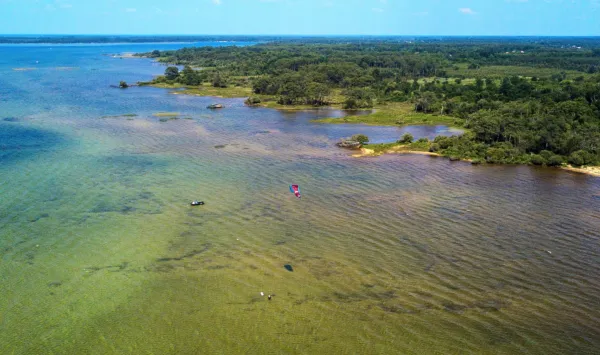
Crystal Clear
Beach
Sand
Rider Level
beginner
Spot characteristics
Spot Type
Chop
Rider Skill
beginner
Crowd
Seasonal Crowd
Beach Type
Sand
Water Quality
Crystal Clear
Tide Influence
All tide levels with different conditions (chop - flat - wave)
Kitesurfing in Quiberon: Conditions, Wind & Season
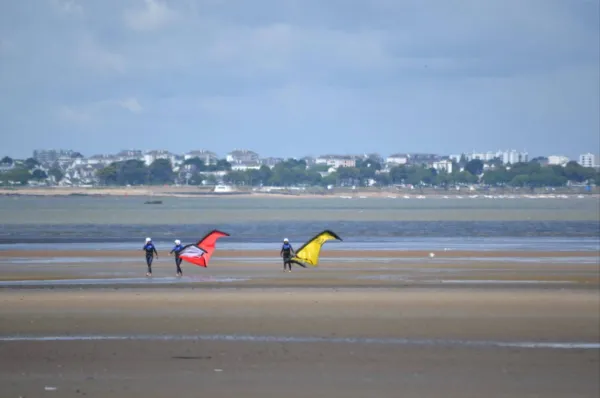
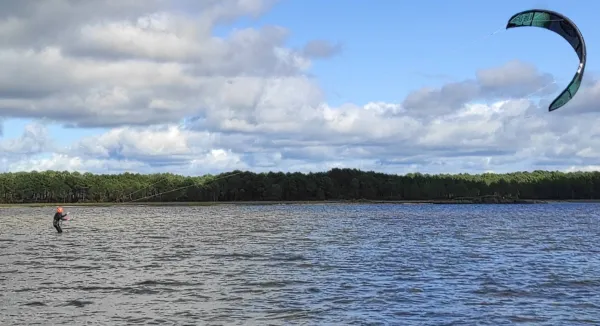
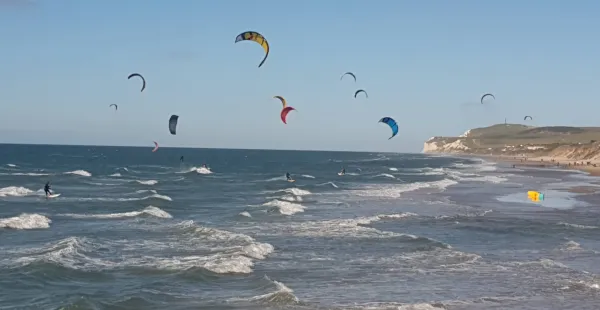
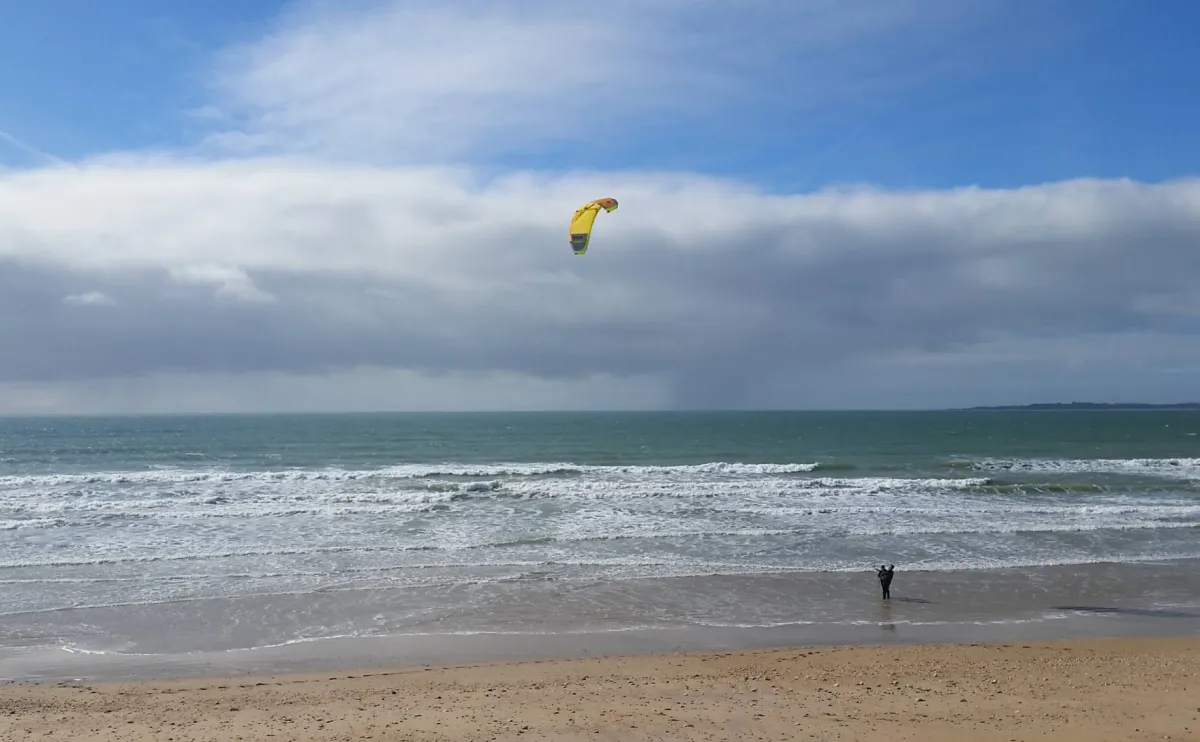
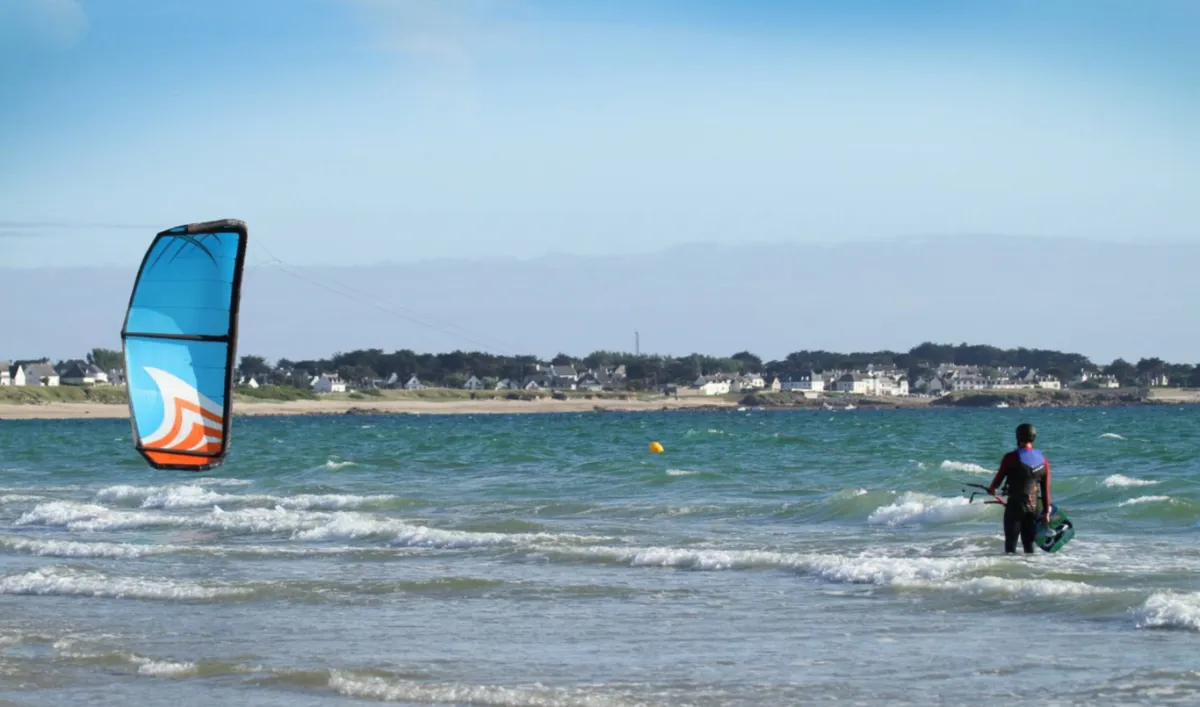
Quiberon is one of those places that really sticks with you after a trip. Situated on the south coast of Brittany, this spot delivers a reliable combo of wind, space, and vibe that keeps people coming back. The entire Quiberon Peninsula is a kitesurf playground, especially during the off-peak months when the crowds thin and the wind gets steady. The spot gets strong exposure to both northwest and southeast winds, which makes it unusually adaptable regardless of the prevailing systems rolling in. It's not uncommon to have full-day sessions in solid 20+ knot conditions. The choppy water in the bay gives you enough feedback under your board, making it great for progress, especially if you’re working on transitions or learning to boost. Plus, the long, sandy beaches give you plenty of room to launch and land without stress.
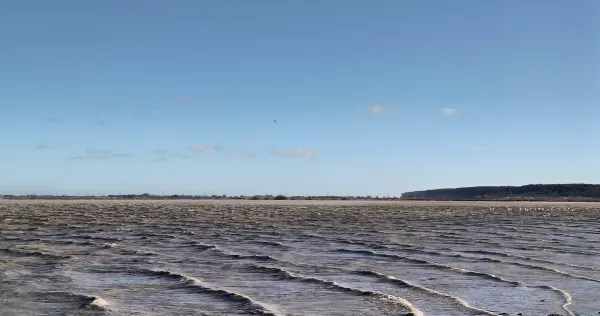
Even though it's technically choppy, on the right wind angle and tide window, parts of the bay turn into freestyle-friendly flats. Local riders know the inside section at Saint-Pierre Quiberon, where the reef filters out heavier chop. Winter and spring deliver better wind—October through April are your golden months. Summer winds are lighter, but ideal for foil or beginner cruisers. Water temps drop pretty hard in winter, so expect a full 5/4 suit and maybe a hood, but it’s all worth it when you’re scoring an empty flatwater corner or sending big boosts into the Atlantic wind.
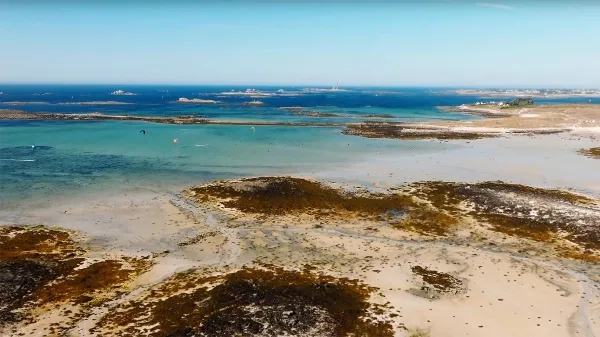
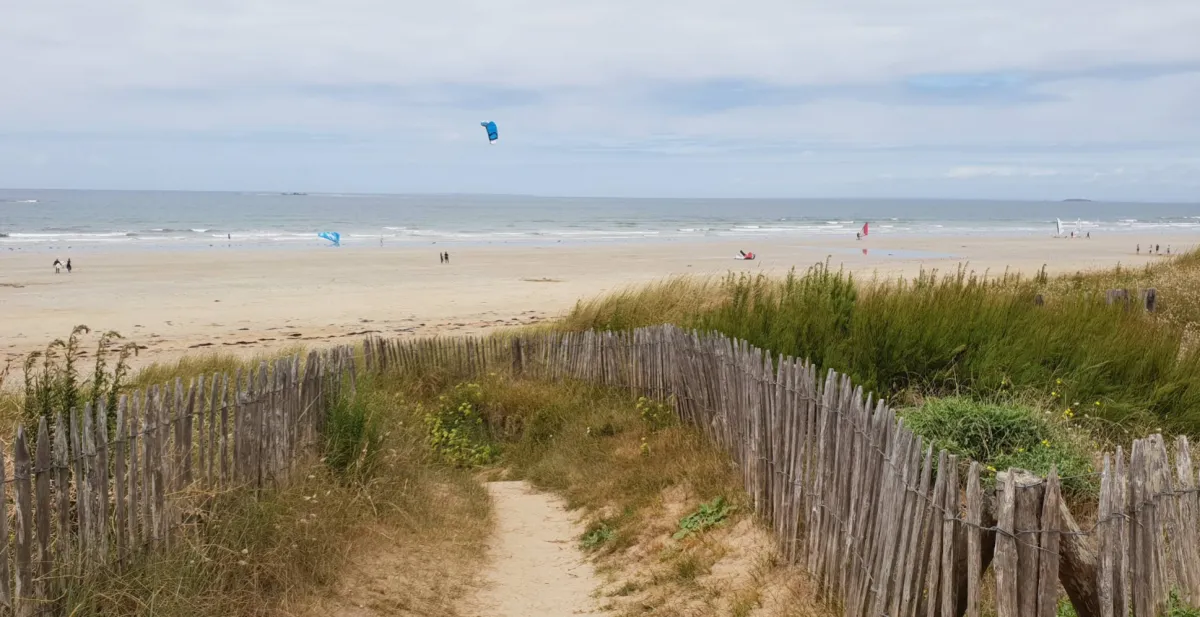
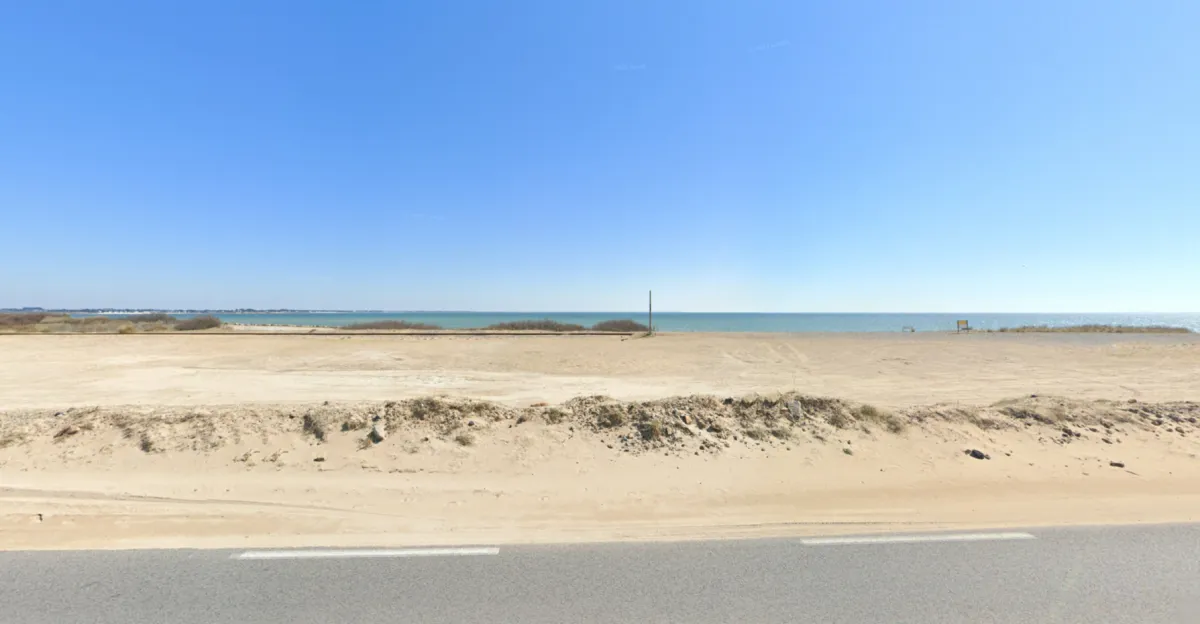
The surrounding scenery is wild and rugged. While you’re kiting, you’ve got cliffs and dunes in the distance—it looks like you’re riding in the middle of a nature reserve, and in some ways, you are. The tide shifts significantly, so make sure to time your session for the best riding window depending on what you’re after. High tide can push the shoreline up to the grass. At low, there’s a ton of sand left exposed, great for foil starts or beginners who want to walk out to deeper water.
Accessibility is solid—you can drive right up and park near the main beach launches. Accommodations are close, and food spots range from seafood shacks to proper Breton crêperies. Quiberon is also an awesome place to unwind after a tough session. You’ll often find fellow riders hanging out with a beer or cider, watching the sunset and talking about gear or the next wind window.
Spot Gallery (4)
Quiberon is best suited for
Spot profile
Travel spot
The typical kite travel destination, it is known for its great conditions, and kiters from around the world come here for their vacations.
Family spot
Located in an area that offers amenities for all the family and can provide good alternatives for everyone when the kiters are in the water.
Local spot
Maybe not be worth a real journey to reach this spot, but great if you live close by and it is a windy day. In the end, being out on the water feels great anywhere
Equipment
Bring a range of kite sizes—most regulars carry 7m to 12m to cover gustier autumn and spring days as well as the lighter summer sessions. You’ll want a full wetsuit for most of the year; a 5/4 hooded suit in winter and a 3/2 shorty or full suit in summer. Booties are a good idea if you're riding near rocky areas or where seaweed drifts in. In colder months, gloves help for longer sessions.
Wind Conditions
Main wind directions at Quiberon
Windy days per month in Quiberon
Wind Speed Range
From 15 to 30 Knots
Suggested sizes
7 mt and below
8 - 9 mt
10 - 11 mt
12 - 13 mt
Forecast on Windy.com
Kitesurfing Safety & Local Rules at Quiberon
The tide is one of the main factors to consider when kitesurfing around Quiberon. Some beaches become very narrow or almost disappear around high tide, leaving limited space for launching and landing, while at low tide certain areas can become extremely shallow. Check the tide before every session and make sure you will still have enough beach available when you plan to return.
Rocks and rocky sections are present around parts of the peninsula, particularly near Saint-Pierre-Quiberon and along the more exposed Côte Sauvage. Some obstacles can become difficult to see as the tide rises, so check the launch and riding area carefully before entering the water. Booties can be useful at locations with rocky access or an uneven seabed.
Wind and water conditions can become considerably more demanding outside the protected areas. Northwesterly winds may strengthen and become gusty during the afternoon, while the exposed coastline can experience stronger currents, waves and swell. Avoid drifting too far downwind and make sure you are comfortable with self-rescue, particularly outside the bay where returning to the original beach can become difficult.
During summer, beaches can become crowded with swimmers, tourists and other watersports users, leaving less room for launching and landing. Respect designated kite areas and seasonal restrictions and give other beach users plenty of space. Lifeguard coverage may be available at some beaches during the high season, but riders should not depend on rescue assistance and should always be prepared to handle an equipment problem independently.
Location
Closest City
Lorient
How to get There
Drive from Rennes or fly into Nantes or St. Nazaire Montoir airports.
Access
Access is easy—public parking is close, and paths lead straight to the kite spots. No permits needed, and beach launches are wide and safe. It’s all well-marked, with the bay just minutes from town. In season, you’ll find restrooms, showers, and food huts, especially near Saint-Pierre. Even on busy days, there’s usually room to set up.
No-Wind Days: What to Do Around Quiberon
When the wind disappears, Quiberon is one of those places where being forced off the water is not much of a hardship. The peninsula packs an impressive amount of scenery into a relatively small area, with sheltered beaches and villages on the eastern side and the open Atlantic crashing against cliffs on the west. Walking and cycling are among the best ways to explore, and the compact size of the peninsula means you can easily combine several places in a single day.
The highlight is undoubtedly the Côte Sauvage, which stretches along the exposed western side of the peninsula. Around 8 kilometres of walking trails follow a landscape of cliffs, rocky coves and headlands shaped by the Atlantic, with viewpoints around Port Bara and Port Rhu among the most impressive. A green cycling route also runs along the Wild Coast towards Quiberon. The sea here can remain dangerous even when conditions appear calm, so treat this as a place for hiking, photography and enjoying the scenery rather than swimming.
For a longer walk, the Wild Coast to Port Maria walking route combines several sides of Quiberon in one outing. Along the way you pass prehistoric remains, Château Turpault, traces of the Atlantic Wall and eventually Port Maria, which was France's leading sardine port in the early 20th century. It is a great introduction to the peninsula's mixture of natural scenery, maritime history and much older human heritage.
If you get an entire calm day, take advantage of Quiberon's position as the gateway to the Morbihan islands. Ferries leave from Port Maria for Belle-Île-en-Mer, Houat and Hoëdic. Belle-Île is the largest and makes an excellent full-day excursion, with dramatic cliffs, sheltered coves, coastal trails and picturesque ports such as Le Palais and Sauzon. Smaller Houat and Hoëdic offer a quieter escape, with beautiful beaches, walking trails and very little traffic. Crossings and cruises from Quiberon operate to the islands, making this one of the easiest ways to turn a completely windless day into an adventure.
History goes much further back than Quiberon's fishing ports and wartime remains. The peninsula contains numerous menhirs, dolmens and other Neolithic monuments, while nearby Carnac is home to one of the world's most extraordinary concentrations of prehistoric standing stones. The Quiberon Bay heritage sites provide plenty of ideas for combining the megaliths with villages, coastal walks and other historic attractions around the bay.
Quiberon's relationship with sardines is another part of the local culture worth discovering. Port Maria developed into an important fishing and sardine-processing centre, and the tradition continues today. On selected dates you can take a free tour and tasting at La Belle-Iloise, where a guided visit explains how the cannery works and introduces the history of fish preservation in Quiberon. It is an especially useful option for a cloudy or rainy no-wind day.
If your legs need a rest after several days of riding, Quiberon also has plenty of easier pleasures. Wander around Port Maria and Port Haliguen, stop for oysters or a plate of moules-frites, explore the shops and markets or book a thalassotherapy session. Families can also take the Quiberon little tourist train, which makes a roughly 50-minute circuit taking in both the bay and Côte Sauvage before passing Port Maria.
Between the raw Atlantic scenery of the Côte Sauvage, cycling and hiking, prehistoric monuments, Quiberon's fishing heritage and easy boat trips to Belle-Île, Houat and Hoëdic, there is more than enough to fill several days away from the kite. Quiberon works particularly well for mixed groups because non-kiters can have a proper holiday here rather than simply waiting for everyone else to finish a session.