Kitesurfing in La Baule
Nantes - France
Spot Type
Flat
Water
Dark - Clear
Beach
Sand
Rider Level
beginner
Spot characteristics
Spot Type
Flat
Rider Skill
beginner
Crowd
Seasonal Crowd
Beach Type
Sand
Water Quality
Dark - Clear
Tide Influence
All tide levels with different conditions (chop - flat - wave)
Kitesurfing in La Baule: Conditions, Wind & Season
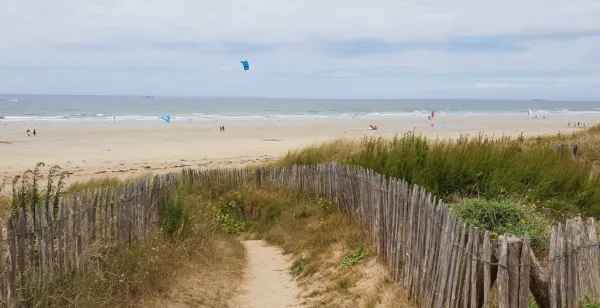
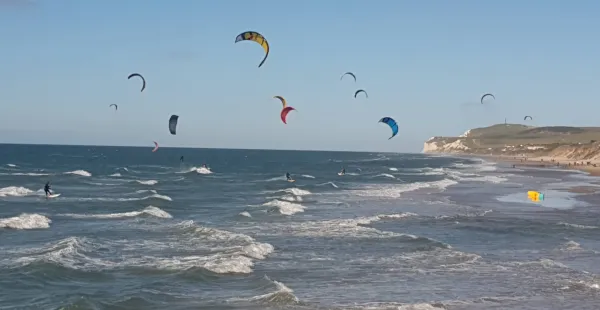
La Baule is one of those spots you keep coming back to, especially if you enjoy a chilled session on flat water with safe conditions. It’s tucked into a massive bay on France’s western coast, near Nantes, and the layout of the beach makes it super friendly for all levels.
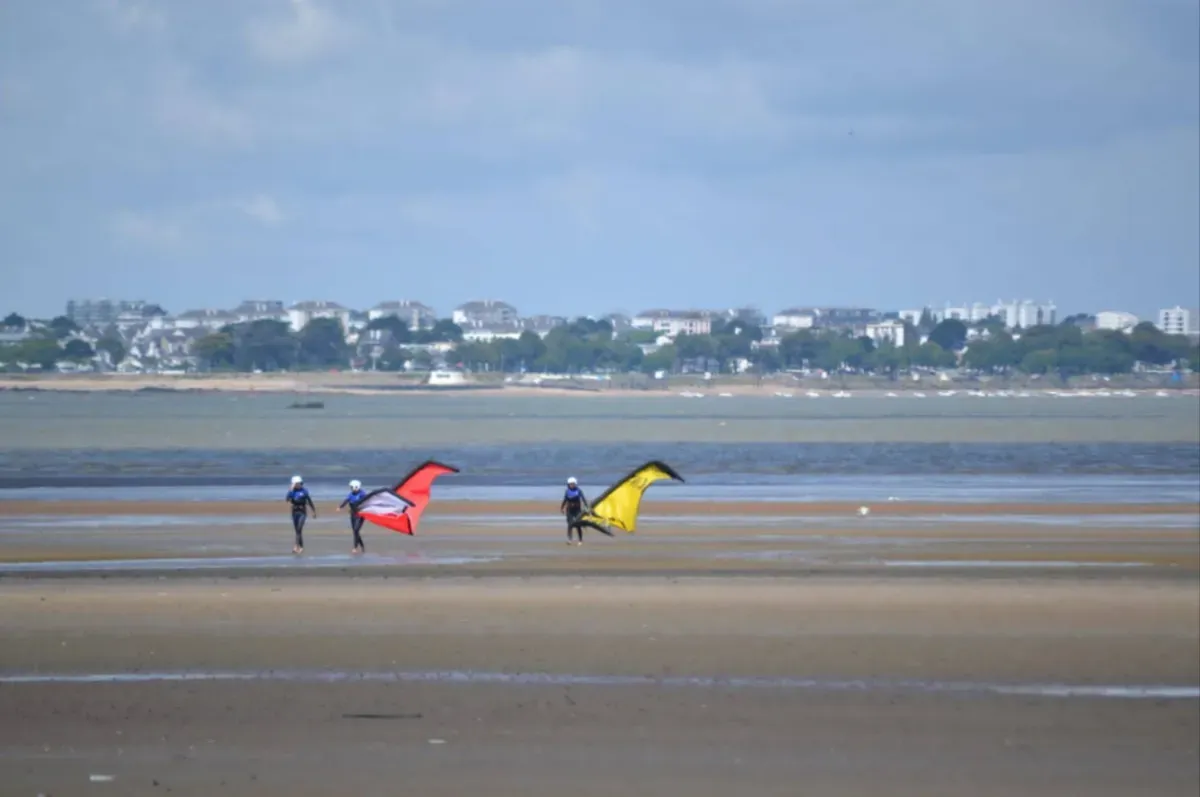
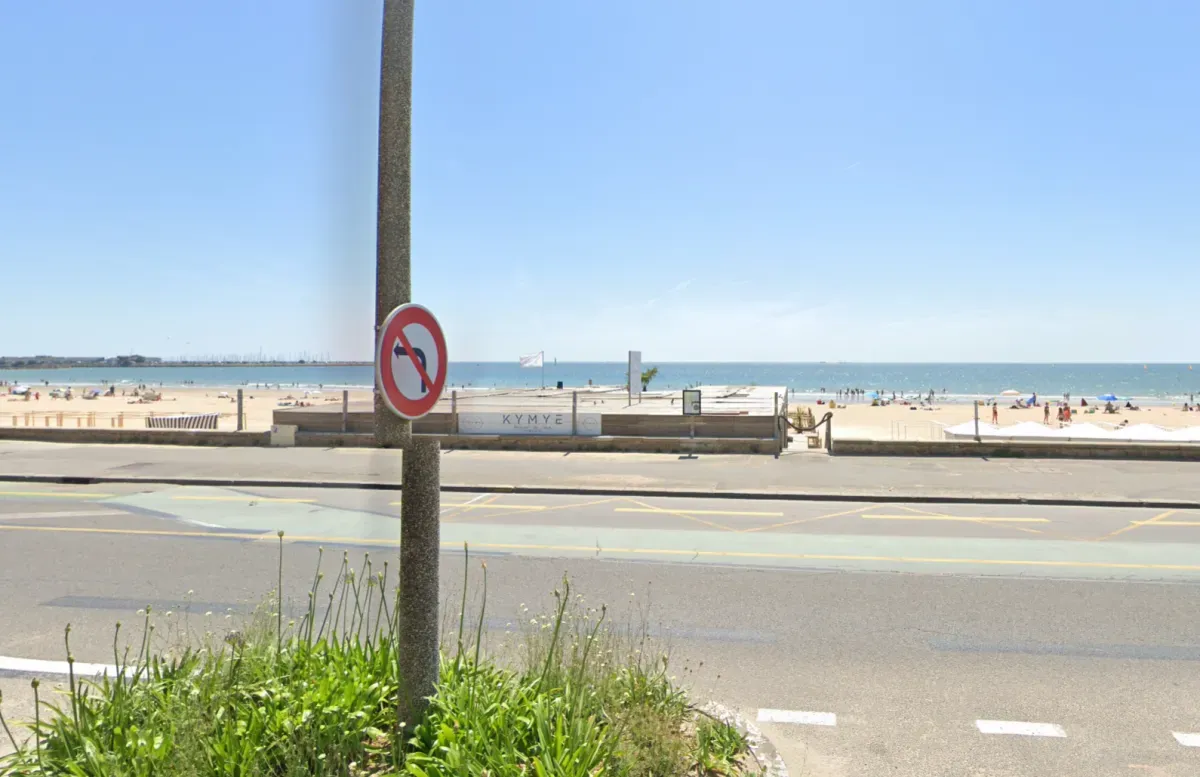
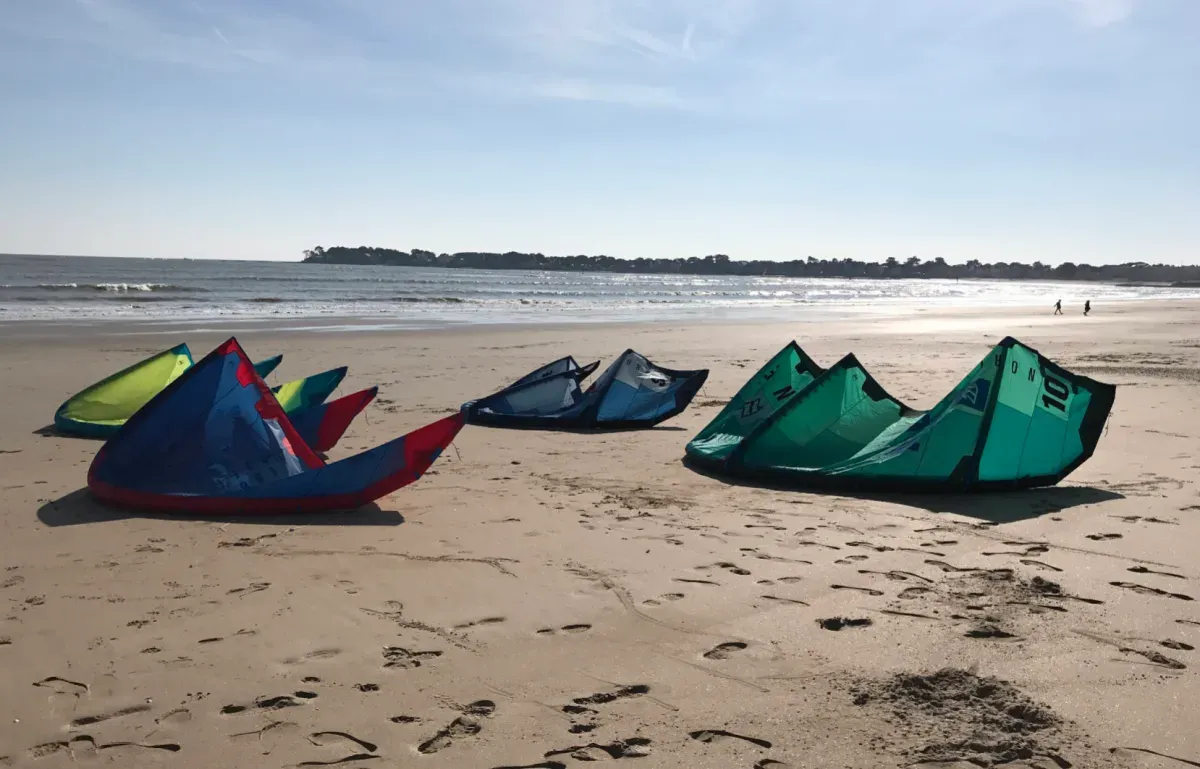
It's long, super wide at low tide, and the sand is soft – no surprise that it’s a go-to for beginners and schools. When you rock up, the first thing you'll notice is how clean and open the shoreline feels. It stretches for miles, literally, and the sweet spot for kiting usually falls between the Vent d’Ouest club and the Yagga La Baule base. This zone is the local kite hub, and it’s spacious enough even when there are a few kites up.
The wind direction is predominantly West to Southwest, which is what you want for a side-on, safe session. These winds usually show up under low-pressure systems, and they’re most consistent in spring and autumn.
That’s the best time to go – not only for wind reliability but also way fewer tourists cluttering the sand. Summer brings crowds, full stop. Still, the early mornings or those golden hour evening sessions can be all-time, even in July or August, because the beach is quieter and the wind can still push through.
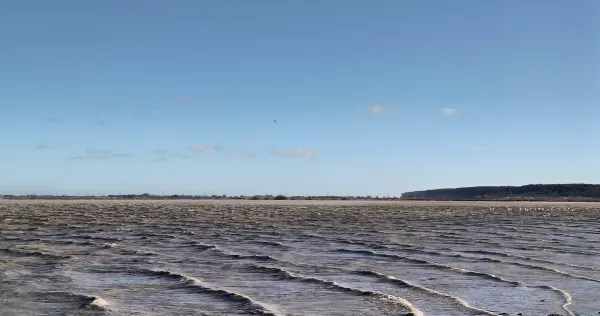
One standout thing about La Baule is its flexibility. Because it's such a large bay, it works with quite a few wind angles. Even if it switches around a bit, you can reposition and make the session happen. Onshore days can get choppy, but otherwise you’re mostly on flat water with small wavelets at the edge. This makes it perfect for working on transitions, first jumps, or just cruising. It's not a freestyle mecca, but there's enough lift to boost, especially when the wind starts gusting into the high teens.
The access has to be mentioned – parking is easy with long stretches along the prom, and you’re never far from a launch spot. The city’s infrastructure is polished, so whether you're there solo or with family, it’s an easy base. Bring your 12m or 10m kites for autumn and spring sessions, and maybe an 8m if a solid front comes through.
In summer, you'll probably want a 13-14m if trying to squeeze a session into lighter winds. Locals are friendly, but during peak season, the beach gets regulated. Designated areas exist for launching and landing, and lifeguards make sure everyone's sticking to rules – especially important with non-kiters all over the beach in July and August. Wind stability is decent but expect the occasional gusty day, especially when thermal and frontal systems overlap. Still, for progression, relaxed freeride sessions, or family trips where sneaking in a kite session is part of the plan, La Baule delivers consistently.
Spot Gallery (5)
La Baule is best suited for
Spot profile
Family spot
Located in an area that offers amenities for all the family and can provide good alternatives for everyone when the kiters are in the water.
Local spot
Maybe not be worth a real journey to reach this spot, but great if you live close by and it is a windy day. In the end, being out on the water feels great anywhere
Equipment
You’ll need a full wetsuit most of the time, especially outside of summer – a 4/3mm or even 5/4mm from October to April. In peak summer, you might sneak by with a shorty or 3/2mm depending on your cold tolerance. Booties are optional but can help when walking over shells at low tide. Kite-wise, plan for a quiver between 8m and 12m. Most days in spring and autumn are 9m or 10m weather, but lighter
Wind Conditions
Main wind directions at La Baule
Windy days per month in La Baule
Wind Speed Range
From 8 to 20 Knots
Suggested sizes
Forecast on Windy.com
Kitesurfing Safety & Local Rules at La Baule
La Baule is generally a safe and forgiving kitesurfing spot, with a sandy beach and no major underwater hazards. The main consideration is the tide. At low tide the beach is extremely wide, but the available space decreases significantly as the tide rises, making launching and landing more difficult. Mid to low tide generally provides more comfortable conditions, particularly for beginners.
During the summer months, the main hazard is the number of people sharing the beach and water. Swimmers, sailing boats, windsurfers, jet skis and other beach users can make the bay very busy. Kitesurfers should stay within the designated kite areas, respect seasonal restrictions and pay particular attention when launching and landing during July and August.
Weather conditions can change quickly when Atlantic fronts or storms approach, especially during spring and autumn. Wind strength may increase rapidly and become considerably gustier, while stronger onshore conditions can create more chop and a less forgiving shoreline. Always check the forecast before launching and return to shore if the weather begins to deteriorate.
Location
Closest City
Nantes
How to get There
La Baule is around an hour from Nantes by car, straight down the A11 then N165, finishing off with the D213. If you're flying in, Nantes Atlantique Airport is the best bet – regular flights from other European cities. Once you land, grab a rental car or hop on the train to La Baule-Escoublac station, which is well connected and puts you a few minutes from the beach.
Access
Public access is super straightforward. There’s no fee to kite or launch, and most of the promenade has free or reasonably priced parking. You can walk your gear a short way from the car to the sand without issues. There are also pedestrian-only zones, so sometimes you’ll carry your kit a minute or two depending on your parking luck.
No-Wind Days: What to Do Around La Baule
La Baule is one of those kite destinations where a no-wind day is hardly a problem. The town itself is worth exploring, with its long seafront promenade, cafés, crêperies, seafood restaurants and distinctive early 20th-century villas hidden among the pine trees behind the beach. The bay is perfect for walking or cycling, and on calm summer days you can swap the kite for sailing, stand-up paddleboarding or simply a relaxed afternoon on the huge sandy beach.
One of the best excursions is the nearby Guérande Peninsula. The medieval town of Guérande is surrounded by impressive stone ramparts and is filled with narrow streets, small shops, cafés and historic buildings. Just outside town, the landscape opens into the famous salt marshes, where sea salt and fleur de sel are still harvested using traditional methods. It is a fascinating landscape to explore on foot or by bicycle and one of the experiences that really distinguishes this part of the French Atlantic coast.
Nature lovers can head inland to the Brière Regional Natural Park, one of France's largest wetland areas. Its maze of canals, reed beds, marshes and small islands creates a completely different landscape from the coast. Traditional boat trips through the marshes are a particularly relaxing way to explore the area, while cycling and walking routes pass through villages of characteristic thatched cottages. The wetlands are also excellent for birdwatching, especially during the migration seasons.
Saint-Nazaire makes another excellent no-wind excursion, particularly if the weather is less suitable for outdoor activities. The city's enormous shipyards have produced some of the world's most famous ocean liners, and Escal'Atlantic recreates the experience of travelling aboard the legendary transatlantic liners. Set inside the former submarine base, the immersive museum includes decks, cabins, corridors and around 200 original objects from ships including the Normandie and France. It is an especially good option for families or for a rainy day away from the beach.
If you have an entire day without wind, Nantes is close enough for a longer excursion. The highlight for many visitors is Les Machines de l'Île, an extraordinary artistic project inspired by the imaginary worlds of Jules Verne and the mechanical inventions of Leonardo da Vinci. Giant mechanical creatures inhabit the former shipyards, including the famous Great Elephant, while the Galerie des Machines and Carrousel des Mondes Marins make this an entertaining stop for adults as well as children. The rest of Nantes is well worth exploring too, with its historic centre, restaurants, markets and lively riverfront.
For something closer to the kite beach, neighbouring Pornichet offers another marina, beaches, restaurants and a pleasant waterfront, while the smaller coastal communities around the peninsula are easy to discover by bicycle. Food can easily become an activity of its own here: crêpes and galettes, oysters, mussels, fresh Atlantic seafood and local produce provide plenty of excuses for a long lunch when the forecast refuses to cooperate.
Between the medieval streets and salt marshes of Guérande, the wetlands of Brière, Saint-Nazaire's maritime heritage and a day trip to Nantes, La Baule has much more to offer than its enormous beach. It is particularly well suited to trips with family or non-kiting partners, because even several consecutive windless days leave plenty to see and do.