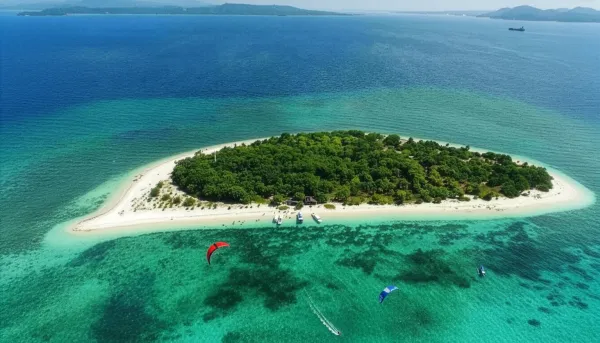
Kitesurfing in Bali - Sanur
Denpasar - Indonesia
Spot Type
Flat
Water
Dark - Clear
Beach
Sand
Rider Level
intermediate
Spot characteristics
Spot Type
Flat
Rider Skill
intermediate
Crowd
Seasonal Crowd
Beach Type
Sand
Water Quality
Dark - Clear
Tide Influence
Tide independent
Kitesurfing in Bali - Sanur: Conditions, Wind & Season
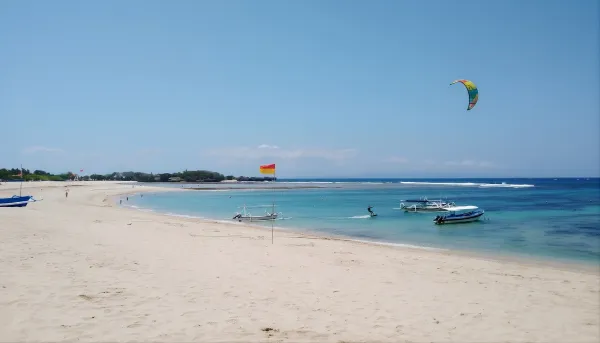
"I ride Sanur enough to know its rhythms, and I’ll be blunt: this is a beach you learn to read rather than one that gives everything to you on arrival. Sanur sits on Bali's southeast shore and becomes a very comfortable, reliable flat water playground when the southeast trades set in during the dry season. From May through September you can expect a steady pattern of side-shore to side-onshore winds, with June, July and August usually delivering the most consistent days. Typical winds in that season sit in the mid teens up to low twenties knots, so plan to bring medium and larger kite sizes; on lighter days I often rig a foil or a big twin-tip kite to stay on the water. The water itself is warm year round so very little thermal protection is needed, but the bottom is shallow and coral-influenced so reef shoes are a sensible addition to your kit if you plan to walk out at low tide or land on unfamiliar sand patches. I always keep a pair in my kit bag for Sanur sessions, and I recommend soft-soled reef shoes rather than ankle-high booties because they make it easier to pop in and out of the water without trapping sand.
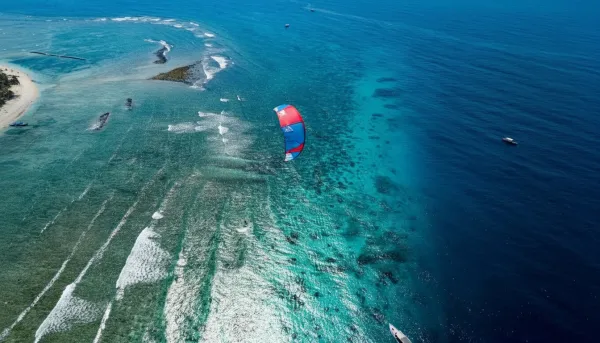
Launch and landing are straightforward compared with remote reef passes, but Sanur requires attention because the usable channel and feel of the spot change with the tide. At high tide the channel widens, and you get more flat water closer to shore; at low tide the reef pokes up and the safe riding lane moves. When I show up I first walk the edge of the water to confirm where the flatter sections are and where the reef is exposed. Local knowledge is gold here: ask schools or the regulars about the current channel, and watch a few riders go out before committing to a launch. The beach is an active, mixed-use area, so keep your set up tight, launch in busy but established zones, and be mindful of swimmers and beachgoers during peak daylight hours. On busier days most kiters concentrate at a handful of launch points where it's clear water and a manageable approach to the channel, so take a moment to observe prevailing traffic patterns and join in rather than inventing a new launch spot in the middle of people.
Wind choices matter. For stronger mid-season days, I usually have a 10 and a 7 or 8 metre in the bag for heavier riders or gustier afternoons, but for the average rider a 12m and 9m are the backbone if you want flexibility across sessions. Foil riders will frequently bring a larger foil and a single big kite to tinker with light winds, and a twin-tip in the mid 135 to 140 range is great for freeride sessions in the flatter sections. I carry a small repair kit, a pump, and a leash spare; reef-influenced bottoms can nick fins and boards in a heartbeat. Use plastic or rounded fins rather than sharp carbon ones if you expect to touch reef when beach launching.
Safety and tidal timing are part of the game plan. If the forecast shows morning onshore and afternoon gusts, aim to be out in the more predictable window. July and August mornings are often the most reliable, but sea breezes can build into the afternoon so watch the trend. Outside the dry season, November through March, the trade winds break down and conditions become lighter, inconsistent, and sometimes affected by rain squalls. I treat those months as opportunistic days—good for foilers or patient kiters willing to wait for windows, but not for a guaranteed session. Always check tide charts and chat with a local school; schools maintain up-to-date notes on which sections of the reef are safe at particular tides and they can point out the launch zones that avoid heavy foot traffic or coral patches.
Sanur is also gear-friendly from a logistics standpoint. It's a short drive from Denpasar and Ngurah Rai airport, so you can fly in and be on the beach the same day. Walk-in convenience makes it an easy stop on a broader Bali trip, which means you can play the forecast: stay a few nights, wait for the trade-wind window, and enjoy the flat water sessions when they come. For a rider who values quick access, warm water, and a predictable seasonal window, Sanur rewards a little local homework and timing. You won't be launching into big open ocean surf here; this spot is about reading tide, picking the channel, and enjoying long, flat rides when the southeast trades switch on."
Bali - Sanur is best suited for
Spot profile
Travel spot
The typical kite travel destination, it is known for its great conditions, and kiters from around the world come here for their vacations.
Family spot
Located in an area that offers amenities for all the family and can provide good alternatives for everyone when the kiters are in the water.
Equipment
Bring medium to large kite sizes as your baseline. For most riders a 12m and a 9m cover the common range when the trades are on, with a 10m or 8m for the stronger days in July and August. On lighter or off-season days plan for a 14m or a foil setup; foils will keep you on the water when the breeze drops below what twins comfortably handle. Twin-tips in the 135-140cm range are ideal for freeride.
Wind Conditions
Main wind directions at Bali - Sanur
Windy days per month in Bali - Sanur
Wind Speed Range
From 10 to 20 Knots
Suggested sizes
8 - 9 mt
10 - 11 mt
12 - 13 mt
14 mt and above
Forecast on Windy.com
Kitesurfing Safety & Local Rules at Bali - Sanur
The dominant local risk at Sanur is the reef and shallow sections that shift with the tide. I have seen riders misjudge the channel and end up scraping board bottoms or bending fins when they tried to cut across exposed coral patches at low tide. You need to treat the water like a moving map: what looks good at high tide can be dangerous an hour later. That means arrive early and walk the shoreline, ask a local school where the channel is today, and mark your launch area. The reef creates both shallow rocks and unexpected drop-offs, so avoid charging at unfamiliar spots and always take off and land within the clearer, well-used lanes. Another practical danger is crowded beach traffic during peak tourist hours. Sanur is a busy coastal area; swimmers, paddleboards, and small local boats use the nearshore zone, and the mix increases the chance of awkward encounters near the launch. Keep your setup tight, use clearly visible launch points, and communicate with other kiters when the beach is busy.
Equipment damage is common if you ignore these signposts: torn kite panels from coral hooks, dinged boards, and damaged fins happen faster than you expect when you misjudge water depth. On-offshore wind shifts outside the dry season can also make decisions technical; gusty or offshore-leaning winds demand experience and conservative gear choices. Emergency response here is not the same as at a busy resort with rescue boats on standby; while schools do run safety boats on popular days, in marginal conditions you should have your own plan: a working phone in a waterproof case, knowledge of the nearest school or rental shop number, and a simple first aid kit. Respect the locals and their channels. Don’t try to push through the tight breaks close to shore where fishermen might pass, and be careful landing near beachside vendors and sunbathers. Finally, bring a leash and quick-release knowledge. In shallow, reefy areas a board leash with a quick release can be a lifesaver for stopping a runaway board from smashing reef or hitting someone. Overall the hazards are manageable with local knowledge, conservative gear choices, and a bit of patience.
Location
Closest City
Denpasar
How to get There
Sanur is reached by road from Denpasar and the southern Bali tourist areas, and it is commonly accessed after flying into Ngurah Rai International Airport in Denpasar before taking a taxi, transfer, or rental vehicle to the beach area. The spot is not presented as a remote destination, so it is mainly a drive-in coastal access rather than a special flight-only or expedition-style approach.
Access
Sanur has public coastal access and is not known as a private-fee kite beach. Access is generally straightforward from the road and beachside area, with no special permit system indicated in the available sources. Riders normally arrive by vehicle and enter through the public beach frontage used by the local kite community and other beach users.
No-Wind Days: What to Do Around Bali - Sanur
Sanur functions as a practical base for a kitesurfing trip to Bali. The town is close to Denpasar and the international airport, which makes logistics simple: transfers are short, gear shipping or last-minute purchases are easier, and you can base yourself near the beach without long drives. There are a variety of accommodation options from modest guesthouses to mid-range hotels and beachfront resorts, and I advise picking a place with secure storage if you travel with boards and kites. Many places will let you rinse gear and hang it to dry, which matters when you’ve been in coral-laden water.
The shoreline has a relaxed promenade and a strip of cafes and restaurants where you can grab an early breakfast, eat after a session, or meet instructors. For day-to-day life bring cash for smaller food stalls and learn basic phrases for dealing with local shops, but most of the kite schools and bigger restaurants accept cards. If you need kit, there are rental and repair shops in and around Sanur where you can get spares, bladders, or a new kite in a pinch. I always check the shop list before traveling and phone ahead if I expect to need a certain part because stock levels can change. Schools run lessons and guided sessions; if you want local insight ask for a guided channel run on your first day. They know which break is safe on which tide and they will show the safest carry points and entry lines. On non-wind days Sanur is also a sensible family destination.
The beach is good for relaxed time off the water, there are places to hire bikes along the promenade, and cultural sites and markets are accessible by short drives. Families appreciate the predictable tourist infrastructure: reliable food, transport, and medical clinics close by. For riders who want to mix kiting with sightseeing, Sanur is well positioned for day trips around southern Bali. That said, plan your trip around the wind window. If you only have a short stay, aim for June through August for the best odds; otherwise be prepared to wait for a good day and use the town as a comfortable place to hang between sessions.
Respect local etiquette: don’t set up in someone else’s launch spot, tidy your gear after a session, and avoid blocking the promenade with lines and boards. Transportation to and from the spot is easy: taxis and scooters are the norm, and gear-friendly drivers are plentiful if you ask in advance.
Finally, prioritize basic contingencies: a waterproof bag for keys and phone, reef shoes, a small repair kit, and knowledge of the nearest repair shop and school numbers. Those small preparations are what make a Sanur trip smooth. With a little planning — proper kite sizes for the season, tide awareness, and respect for the local channels — you get long flat rides and fast access to amenities that save time and let you focus on sessions when the trades show up.