
Kitesurfing in Nida Beach
Klaipeda · Lithuania
- Spot type Chop
- Rider level intermediate
- Water Dark - Clear
- Beach Sand
- Crowd Some bystanders
- Tide effect None
Kitesurfing in Nida Beach: Conditions, Wind & Season
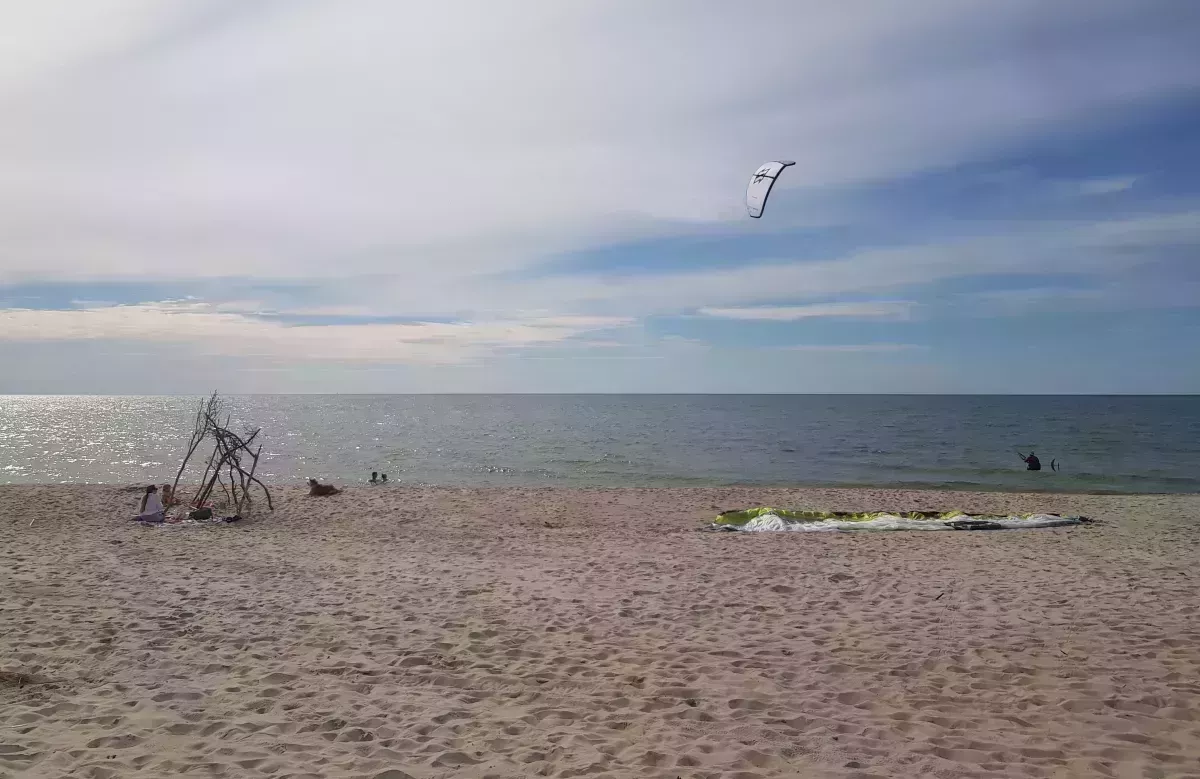
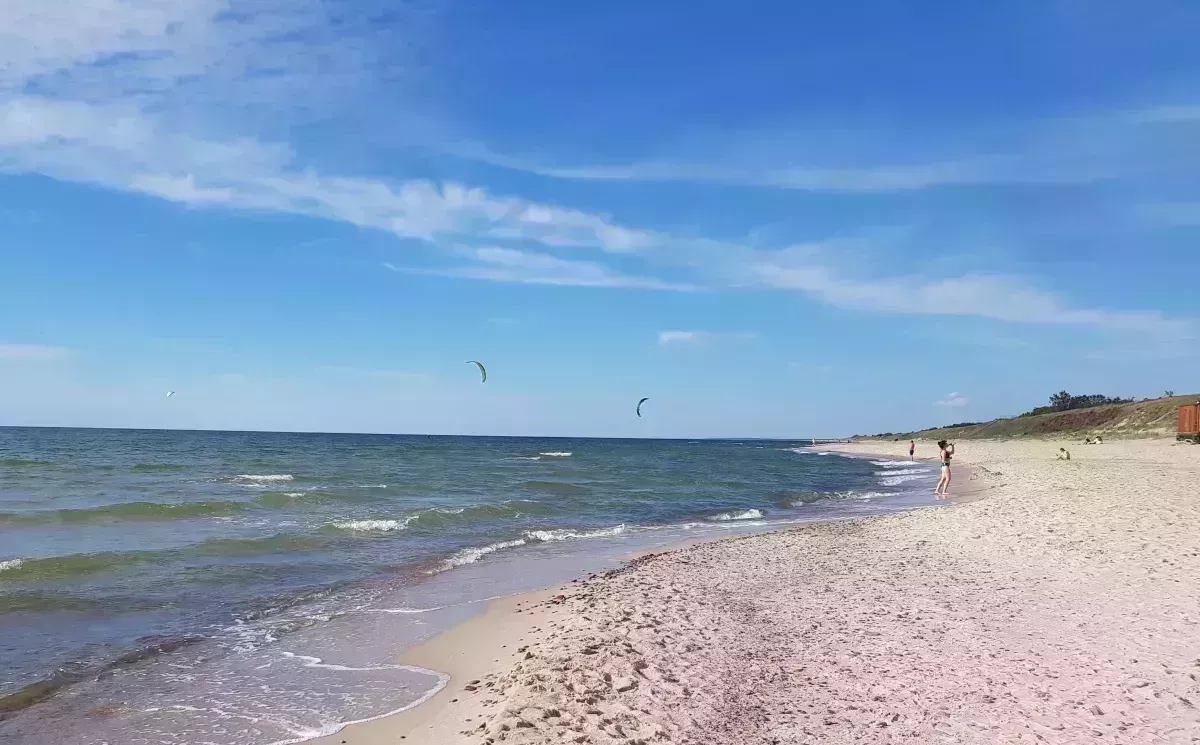
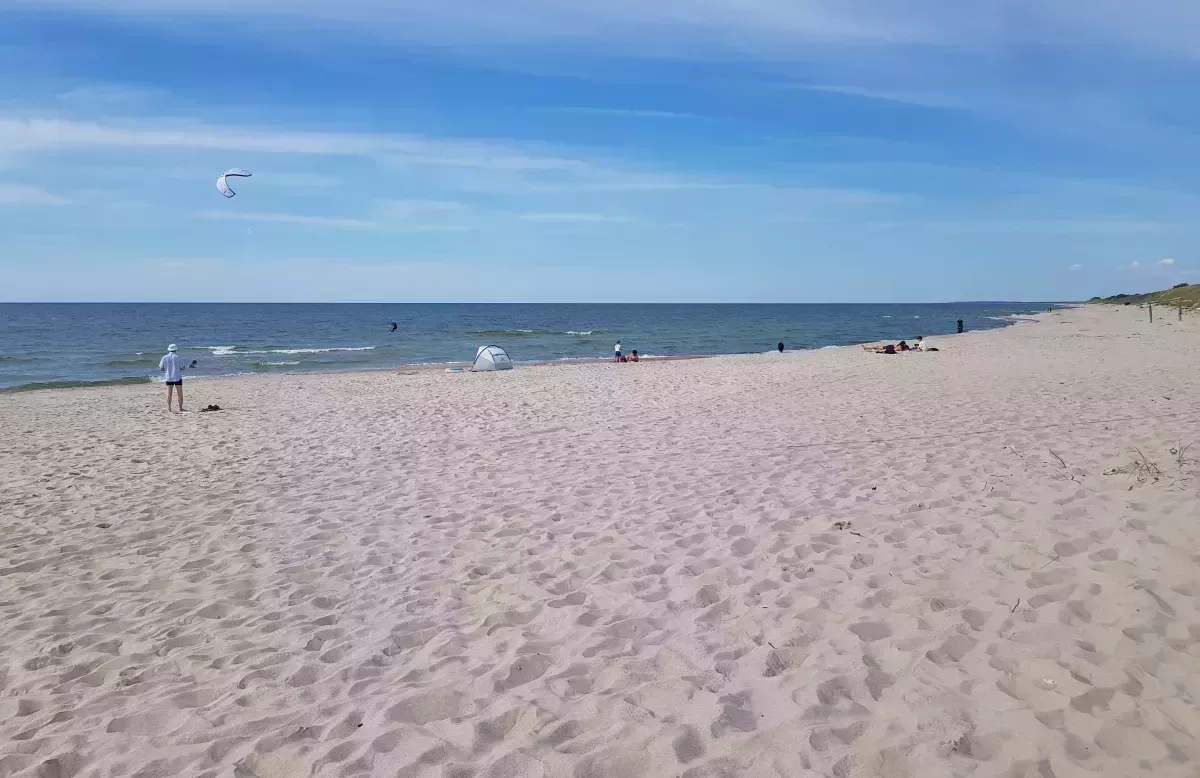
Nida's Baltic Sea beach is one of the most scenic and less crowded kitesurfing locations in Lithuania, situated on the western side of the Curonian Spit, near the town of Nida in the Klaipėda region. Unlike the flat-water conditions found on the lagoon side of the peninsula, the Baltic coast offers open-sea riding, waves and a long stretch of sandy shoreline. Surrounded by dunes and coastal forests, the beach provides a beautiful natural setting for kitesurfers looking for a quieter alternative to the more popular spots around Palanga and Šventoji. Its exposed location makes it particularly attractive to intermediate and advanced riders who enjoy freeriding, wave riding and challenging Baltic Sea conditions.
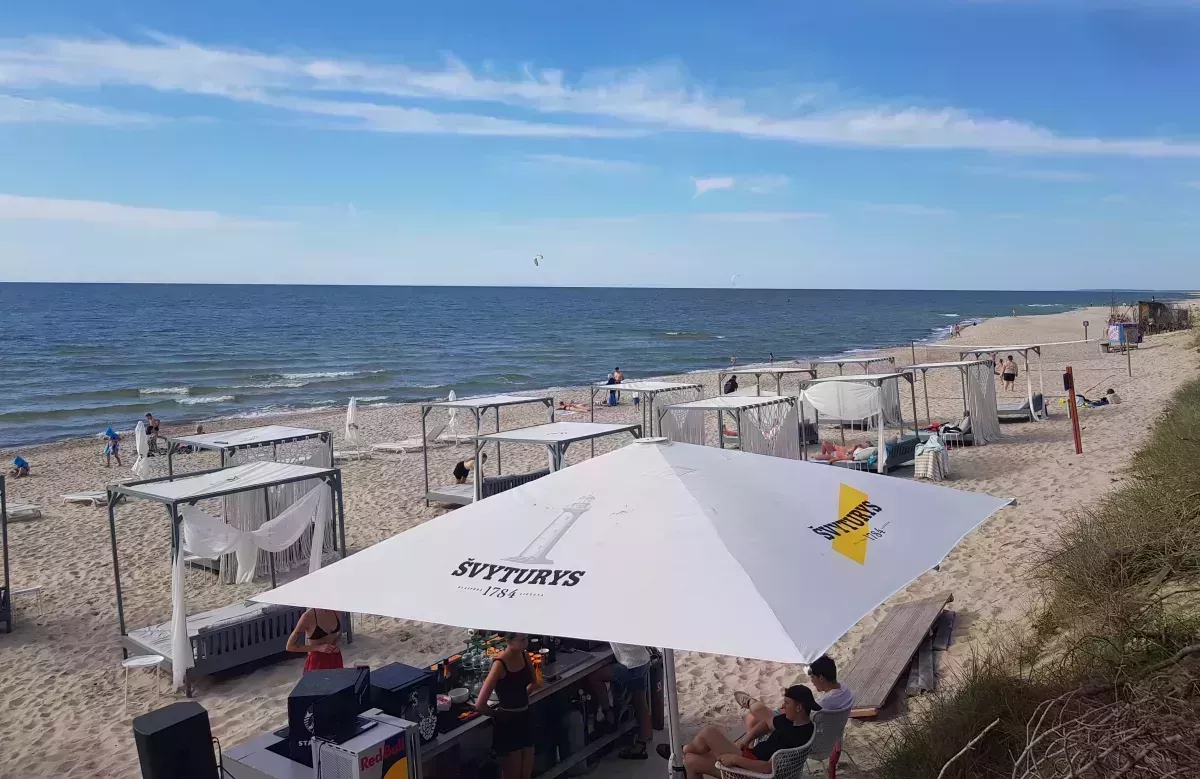
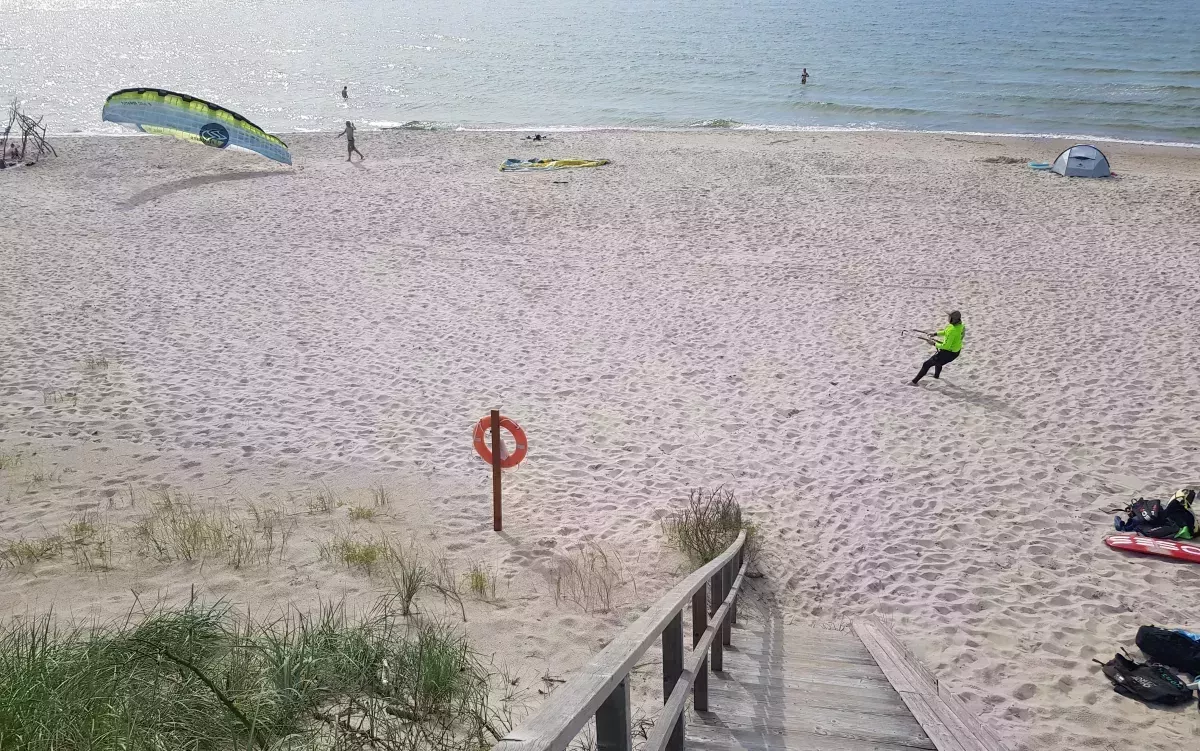
One of the main advantages of Nida is its exceptionally wide sandy beach, which provides generous space for preparing, launching and landing kites when local regulations permit. Compared with the busier beaches of mainland Lithuania, some sections of the coastline can be relatively quiet, particularly outside the peak summer season. The sandy surface is convenient for handling equipment, while the absence of major coastal structures along much of the beach reduces some of the obstacles commonly found at developed seaside locations. Public changing cabins are available in parts of the beach area, providing a useful facility after a session, although their availability may be seasonal. Riders should always choose launching locations away from swimmers, beach access paths and protected dune areas.
Wind conditions at Nida are influenced by the weather systems crossing the Baltic Sea, with rideable opportunities under several wind directions. Westerly winds generally produce onshore conditions and more pronounced wave action, while northerly and southerly winds can offer side-shore or side-onshore riding depending on their exact direction. Offshore easterly winds are considerably less suitable because they can carry riders away from the coast. Wind strength can vary significantly from day to day, ranging from light breezes suitable for hydrofoiling to strong, gusty conditions associated with passing low-pressure systems. Unlike thermal-wind destinations, Nida does not have a predictable daily wind cycle, making accurate forecasts particularly important.
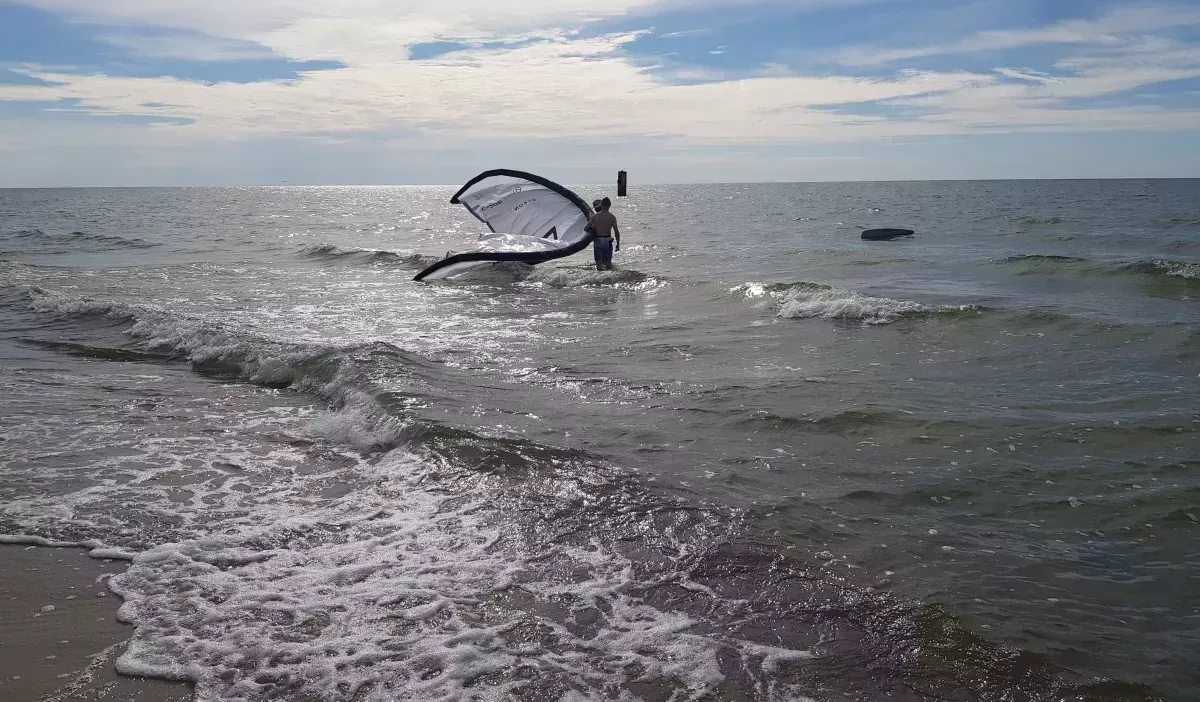
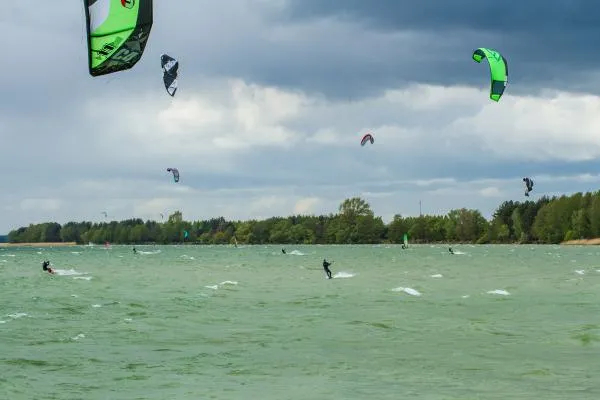
The Baltic Sea at Nida offers a wide range of water conditions. During lighter winds, the surface may be relatively smooth farther offshore, although some residual swell can remain after previous windy days. Hydrofoil boards can be an interesting option when the wind is moderate and the sea state allows safe riding. As the wind strengthens, short-period chop, irregular waves and breaking shorebreak can develop, creating demanding conditions for freeriding and wave kitesurfing. The predominantly sandy seabed and shifting sandbanks influence how waves form and break near the beach. After prolonged strong westerly winds, larger waves and powerful shorebreak can make launching, entering and exiting the water considerably more difficult.
Nida is generally best suited to intermediate and advanced kitesurfers who are comfortable riding in open water and handling changing wind and wave conditions. Strong winds, breaking waves and possible coastal currents require good kite control, reliable upwind skills and self-rescue experience. Beginners should seek professional instruction in a suitable supervised location rather than attempting independent sessions on the exposed Baltic coast. Riders must also consider the protected status of the Curonian Spit, which forms part of the Curonian Spit National Park. Beach access, seasonal bathing restrictions and environmental regulations should be checked before launching, particularly during the summer months when designated swimming areas may limit kitesurfing activities.
The most comfortable period for kitesurfing in Nida generally extends from late spring through early autumn, when air and water temperatures are more suitable for longer sessions. Summer offers pleasant weather but does not guarantee consistent wind, and calm periods can last several days. Spring and autumn often bring more frequent windy conditions, with autumn particularly attractive for experienced riders looking for stronger winds and waves. Winter kitesurfing is possible during suitable weather windows, but freezing temperatures, very cold water and occasional ice conditions create significant additional risks. Proper cold-water equipment and careful weather assessment are essential outside the warmer months.
Nida has a relatively small kitesurfing community compared with Lithuania's main coastal watersports centres. Local riders can be a useful source of information about wind conditions, suitable access points and current beach restrictions, but visitors should not assume that organised kite schools, rescue boats or equipment rental services are available directly on the Baltic beach. Independent riders should arrive with suitable equipment, assess their launching and landing options carefully and avoid going out alone in demanding conditions. For those searching for kitesurfing in Nida, Baltic Sea kite spots on the Curonian Spit or wave kitesurfing destinations in Lithuania, this beautiful stretch of coastline offers an appealing combination of open water, spacious sandy beaches and varied wind conditions, provided that local regulations and the challenges of the Baltic Sea are respected.
Something missing or out of date at this spot? Suggest a correction
Spot Gallery (6)
Nida Beach is best suited for
Spot profile
- Family spotEasy to visit with family and friends. Facilities are close by and non-kiters have plenty to do while you are on the water, so everyone enjoys the day, whether they kite or not.
- Local spotNot worth a long trip, but a great option if you live nearby and the wind is on. Ideal for a quick session after work or a spare afternoon, without planning a whole trip.
Equipment
Because of the range of conditions you might encounter, it's a good idea to bring a variety of equipment if you can. On light wind days, you'll want those foil kites or hydrofoil boards we mentioned earlier. When it's blowing hard, you'll need smaller kites and boards that can handle the chop and waves.
Wetsuit 5/4 occasionally in very hot summer shorty.
Drysuit in winter times.
Wind Conditions
Main wind directions
Windy days per month
Share of the days with more than 10 knots.
Wind speed range
10 - 35 knots
Calculate your kite size
Estimate for a rider of your weight at Nida Beach: kite size = weight / wind speed x 2.2, adjusted for the kite shape and aspect ratio. Board, skills and gusts change the ideal size.
Forecast on Windy.com
Kitesurfing Safety & Local Rules at Nida Beach
The main hazards at Nida's Baltic Sea beach come from changing wind conditions, strong gusts and challenging waves. During windy periods, the open coastline can experience rough water, irregular chop and significant shorebreak, making launching, riding and returning to the beach more demanding. Always check wind direction and weather forecasts, particularly when stronger winds or storms are expected.
Although the wide sandy beach generally offers plenty of space for launching and landing, riders should remain aware of occasional beach visitors and other water users. The exposed Baltic coastline provides little shelter, and offshore winds can make returning to shore particularly difficult. Cold water is another important concern, especially outside summer, when appropriate thermal protection is essential to reduce the risk of hypothermia.
Nida is relatively isolated compared with more popular Lithuanian kitesurfing locations, and other riders may not always be present. Avoid going out alone, particularly in strong winds or large waves, and do not rely on immediate assistance if equipment fails. The combination of variable winds, open-sea conditions and potentially limited rescue support makes the spot better suited to intermediate and advanced kitesurfers.
How to reach Nida Beach
- Closest cityKlaipeda
- How to get thereFrom Klaipeda take a ferry to Neringa (the land strip between the Baltic and the Curonian Lagoon) and, once landed on the peninsula drive south about 35km to reach Nida. It is a only road path, easy to follow
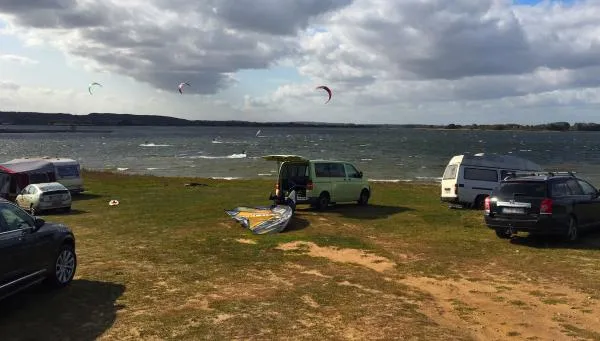
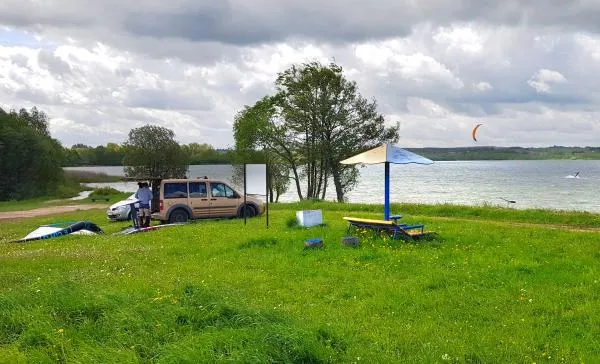
- AccessPublic access, parking on the main road, or closer in some places to the beach spot.
No-Wind Days: What to Do Around Nida Beach
Beyond kitesurfing, Nida is one of the most beautiful and distinctive holiday destinations in Lithuania. Located on the Curonian Spit, a narrow peninsula separating the Baltic Sea from the Curonian Lagoon, this charming fishing village is surrounded by spectacular sand dunes, pine forests and peaceful coastal landscapes. Nida forms part of the UNESCO-listed Curonian Spit, an exceptional natural and cultural environment shared by Lithuania and Russia's Kaliningrad region. The village is famous for its traditional wooden houses, colourful fishing boats, waterfront restaurants and relaxed atmosphere. For a kitesurfing trip with non-kiters or a family holiday on the Lithuanian Baltic coast, Nida offers an extraordinary combination of nature, outdoor activities, cultural heritage and seaside relaxation.
One of Nida's most famous attractions is the magnificent Parnidis Dune, a spectacular sand dune rising above the Curonian Lagoon. Visitors can reach its panoramic viewpoint by following designated walking paths and admire breathtaking views over the lagoon, the surrounding forests and the extensive dune landscapes stretching towards the south. The viewpoint is also home to the impressive Parnidis Sundial, one of the most recognisable landmarks of the Curonian Spit. The dune is particularly beautiful during sunrise and sunset, when the changing light creates dramatic colours across the sand and water. As the dunes are part of a fragile protected ecosystem, visitors must remain on authorised trails and avoid walking across restricted areas.
Nida's historic fishing village is another highlight of any visit. The town's traditional wooden houses, decorated with colourful shutters and distinctive weather vanes, reflect the unique cultural heritage of the Curonian Spit. Visitors can explore the waterfront promenade, admire the fishing boats and discover small museums dedicated to the area's history and traditions. One of the most interesting cultural attractions is the Thomas Mann Memorial Museum, located in the former summer residence of the German writer and Nobel Prize laureate. The house stands on a hill overlooking the Curonian Lagoon and provides insight into the writer's connection with Nida during the early twentieth century. The surrounding garden and panoramic views make it a particularly pleasant place to visit.
Cycling is one of the best ways to explore the Curonian Spit. A scenic cycling route connects Nida with other settlements along the peninsula, passing through pine forests, sandy landscapes and picturesque villages. Visitors can rent bicycles in Nida and explore nearby Preila and Pervalka, two smaller fishing villages known for their peaceful atmosphere and beautiful lagoon views. Farther north, Juodkrantė offers additional attractions, including the famous Hill of Witches, an outdoor sculpture trail featuring wooden figures inspired by Lithuanian folklore and mythology. The relatively flat terrain makes many cycling routes suitable for recreational riders and families, although distances and weather conditions should be considered before setting out.
For nature lovers, the Curonian Spit National Park offers exceptional opportunities for hiking, birdwatching and photography. The peninsula is an important migration corridor for birds travelling between northern Europe and warmer regions, making it particularly interesting during spring and autumn. Forest trails lead through beautiful pine woodland, while designated viewpoints reveal spectacular panoramas of the Baltic Sea and Curonian Lagoon. The Nagliai Nature Reserve, located farther north along the peninsula, is famous for its dramatic shifting dunes and the remains of former settlements buried by moving sand. Visitors can explore the authorised educational trail, which provides an extraordinary introduction to the natural forces that have shaped the Curonian Spit over centuries.
When the wind is calm, Nida's beaches provide excellent opportunities for swimming, sunbathing and relaxing beside the Baltic Sea. The wide sandy coastline is particularly attractive during summer, while the quieter beaches outside the main bathing areas offer beautiful surroundings for long walks and photography. On the lagoon side, visitors can enjoy kayaking, stand-up paddleboarding and recreational boat excursions when conditions are suitable. Boat trips provide a different perspective of Nida's colourful waterfront and surrounding dune landscapes. Families can also enjoy the village's playgrounds, cycling paths and relaxed pedestrian areas, making it easy to spend several days exploring the region without participating in watersports.
Food is another highlight of a holiday in Nida. The village is particularly famous for its traditional smoked fish, a speciality closely connected with the fishing heritage of the Curonian Lagoon. Local restaurants serve freshly prepared fish, Lithuanian dishes and regional specialities, while cafés and waterfront terraces offer beautiful views over the lagoon. Visitors can sample smoked bream, eel and other fish varieties, depending on seasonal availability, or enjoy traditional dishes such as cepelinai and šaltibarščiai. Accommodation ranges from guesthouses and holiday apartments to boutique hotels and campsites, although advance booking is strongly recommended during the busy summer season. Nida is one of Lithuania's most popular holiday destinations, and accommodation prices can be relatively high during peak periods.
For a longer excursion, visitors can travel north along the Curonian Spit towards Smiltynė and Klaipėda. The Lithuanian Sea Museum and Dolphinarium, located near Smiltynė, is a popular family attraction dedicated to marine life and maritime history. Across the lagoon, Klaipėda offers a charming historic centre, museums, shopping streets and waterfront restaurants. Travelling along the peninsula also provides opportunities to stop at scenic viewpoints, forest trails and traditional villages, making the journey itself an enjoyable part of the experience. Visitors should remember that access to the Curonian Spit involves a ferry crossing from Klaipėda and that an environmental entry fee may apply to vehicles entering the Neringa municipality.
For anyone planning a kite trip to Nida and wondering what else there is to do, the Curonian Spit offers one of the most memorable combinations of nature, culture and outdoor recreation in Lithuania. A no-wind day can include climbing to the Parnidis Dune viewpoint, cycling through the pine forests, exploring traditional fishing villages, visiting the Thomas Mann Memorial Museum or discovering the spectacular shifting dunes of Nagliai Nature Reserve. With its exceptional scenery, peaceful atmosphere and numerous activities for a non-kiting partner or family, Nida is an outstanding destination for combining Baltic Sea kitesurfing with a unique holiday on Lithuania's UNESCO-listed Curonian Spit.
Other kitesurfing spots near Nida Beach
All kitesurfing spots in Lithuania
Last updated: