Kitesurfing in Roi Namur
Kwajalein / Ebeye area - Marshall Islands
Spot Type
Wave
Water
Crystal Clear
Beach
Sand
Rider Level
intermediate
Spot characteristics
Spot Type
Wave
Rider Skill
intermediate
Crowd
No People on the Spot
Beach Type
Sand
Water Quality
Crystal Clear
Tide Influence
All tide levels with different conditions (chop - flat - wave)
Kitesurfing in Roi Namur: Conditions, Wind & Season
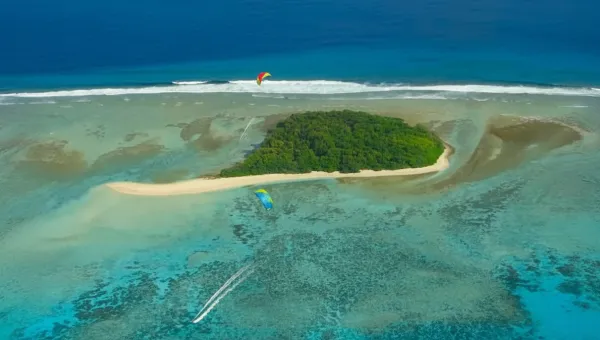
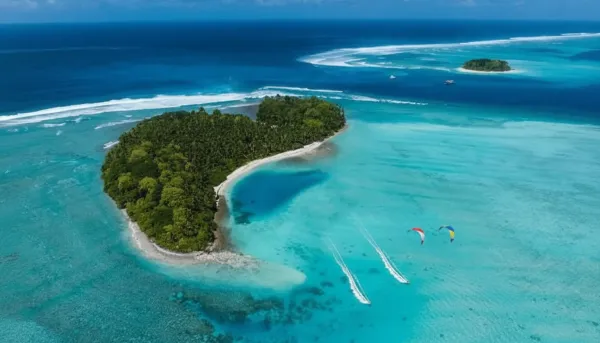
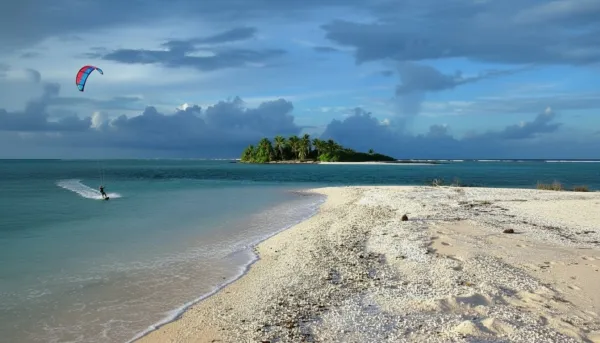
Roi is located on the Roi-Namur side of the Kwajalein Atoll within the Marshall Islands, occupying a remote and distinctive spot in the Pacific. This destination is defined by its atoll setting, which delivers a unique mix of flat-water cruising within the lagoon and solid wave riding on the exposed reef sections, depending on wind, tide, and where on the island riders launch.
The region's geography combines long white sandy beaches, a lagoon environment, and challenging coral reef passes, so every session involves a level of technical awareness uncommon at most public-access kiting beaches.
The trade winds, predominantly from the east and east-northeast, govern the riding conditions, often producing cross or cross-offshore wind setups ideal for waves but that may complicate launches and returns. Wind reliability is highly seasonal, with the best kite sessions happening in the drier, windier months, but actual riding windows depend on both wind interaction with the reef and the restrictions of accessing the secure military site. Roi is very much a destination for intermediate and advanced riders; its access is controlled, spontaneous kiting is nearly impossible, and the logistics of arrival, movement, and equipment prepping are dictated by permissions, sponsorship, or pre-approval.
The atmosphere is remote and undisturbed, with no crowds, infrastructure geared towards public tourism, or kite rental scene.
On the water, the reef structure comes into play immediately: fun glassy sections can quickly turn technical as tide and swell ramp up, and riders have to adjust to rapid changes in depth, sharp coral heads, and shifting surface state across small areas. Entry points along the beach may provide relatively gentle launches compared to the harsh edge of the outer reef, but the entire locale requires comfort with managing gear and handling mistakes in water that is deep, clear, but often riddled with tough coral.
The thermal footprint is solidly tropical, so heavy wetsuits are unnecessary; most people kite in boardshorts and rashguards, with a thin top if needed for sun and wind protection. The sparse resident presence means the water remains uncrowded, and there is no local kiting subculture or ongoing training activity.
For those with experience in reef launches and a taste for adventure, the combination of uncrowded glistening water, powerful reef-driven waves, and absolute peace stands out, but every session needs pre-planning to match unpredictable windows and secure the necessary approvals. Amenities on the island are limited, reflecting a military community's needs rather than tourism or hospitality, with only a few practical recreation and dining options outside kitesurfing.
The setting encourages a self-sufficient approach, rewarding confident kiters who can read conditions, handle technical beach and reef maneuvers, and adapt to highly specific safety and access rules. In terms of riding, options range from classic wave sessions at the outer reef's rights to smooth flat water stretches behind sheltering spits inside the lagoon, yet everywhere the ever-present reef demands precision and care.
Those who come for kitesurfing typically do so on a targeted trip, able to enjoy the island's remote feel, the stunning water quality, and some rare solitude for wave riding, knowing that logistics and local rules shape the entire experience.
Roi Namur is best suited for
Spot profile
Travel spot
The typical kite travel destination, it is known for its great conditions, and kiters from around the world come here for their vacations.
Adventure spot
That dream place out of the normal touristic routes. Once you reach it, you feel in paradise, it can be anything extraordinary, a hidden gem, remote and fascinating.
Equipment
Medium-size kites are most useful, targeting the reliable 15-20 knot trade winds, so most riders bring their usual 9-12m options for freeride and wave boards. Wetsuits are rarely needed except possibly for longer sessions; in the tropical climate a shorty or even just boardshorts and a rashguard are generally enough, though a thin neoprene top can help sensitive kiters. Sturdy booties are important for shallow reef or coral launches. Helmets and impact vests are recommended due to frequent contact with reef, especially on low tide or after wipeouts.
Wind Conditions
Main wind directions at Roi Namur
Windy days per month in Roi Namur
Wind Speed Range
From 15 to 20 Knots
Suggested sizes
8 - 9 mt
10 - 11 mt
12 - 13 mt
Forecast on Windy.com
Kitesurfing Safety & Local Rules at Roi Namur
Safety at Roi is governed by both the physical environment and complex local regulations. The most immediate hazard is the atoll's coral reef system, which means shallow, sharp coral heads and unpredictable underwater formations. Falls or mistakes near the outer reef or during low-tide conditions can lead to significant cuts, bruises, or equipment damage; reef boots and protective gear are essential, and even then, risk increases with higher swell, changing tides, or unfamiliarity with local breaks. Changing water depths, tidal surges, and strong currents can catch visiting kiters off-guard, pushing them towards exposed reefs or out of safe return routes.
Roi is part of a military installation, so access is highly restricted and monitored: only authorized personnel or sponsored guests are permitted, and even they must stay within designated kiting zones. Ignoring these boundaries—either by accident or intent—can bring serious consequences, as both the site's safety and its security regulations are strictly enforced.
Launching and landing are more technical here: narrow or uneven sand areas may border deep drop-offs or sharp coral, and there are fewer places to recover from gear failure or drifting accidents.
Solo rescue is a real risk if something goes wrong, as there is minimal bystander presence and help is limited to the island's resident support staff, not dedicated lifeguards. Gear failures near the reef edge can mean lost or damaged equipment and a long, potentially hazardous swim in. Visibly adhering to local rules and maintaining awareness of both reef positions and shifting tides are mandatory for safe riding at Roi.
Location
Closest City
Kwajalein / Ebeye area
How to get There
Access is mainly by flight into Kwajalein Atoll via the island air network, then onward movement is controlled because Roi-Namur is part of a secure military installation. Road access is not the normal approach; travel is organized, sponsored, or permission-based rather than open public driving.
Access
Not a normal public-access beach. Roi-Namur is a controlled military location, and access is restricted to authorized personnel and sponsored visitors. Entry, movement, and any water use can require permission and coordination, so this is not a walk-up-and-ride spot.
No-Wind Days: What to Do Around Roi Namur
Outside of kitesurfing, Roi-Namur provides a unique set of amenities tailored to its role as a secure outpost within the wider Kwajalein Atoll network.
The island offers basic but practical services aimed primarily at supporting its workforce and residents rather than vacationers. There are housing facilities, a modest retail outlet, and recreational infrastructure like a saltwater pool, and tennis, volleyball, and basketball courts.
A local scuba club is notable as an option for divers, with access to the atoll's rich marine life and WWII wrecks scattered across the region. Social life centers around a single cafe, which serves as the main dining location, but overall food and shopping options are extremely limited compared to conventional holiday islands.
The atmosphere is quiet, unhurried, and defined by a secure community rather than a transient tourist population. Non-kiters can enjoy the scenery of pure white beaches and crystal-clear tropical lagoon water, or take part in the limited set of recreation facilities. Local walks, snorkeling, and passive sightseeing are popular, and those with an interest in naval or military history may explore the island's role in WWII and the broader significance of Kwajalein Atoll.
The area is well-known for its isolated, peaceful environment and stands out as a destination for those seeking time away from crowds, nightlife, or developed resorts. Essential planning is required before arrival: the lack of public hotels, commercial tours, or open beaches means guests are nearly always there on assignment, invitation, or personal connection. Roi attracts people who are accustomed to self-sufficiency and who appreciate a strong sense of community. All trips need to be arranged in advance, with strict observation of local rules and a clear understanding of the limited service range available on the island. Local support is geared toward the needs of residents and operational staff, so travelers should plan all essentials—including water sport gear, clothing, and medical items—around restricted supply options. Exploration beyond the beach is possible within the regulations, but adventure and relaxation here are shaped by the remote, intentional lifestyle of a Pacific military outpost, not open-access tourism.