Kitesurfing in Utirik Island
Majuro - Marshall Islands
Spot Type
Flat
Water
Crystal Clear
Beach
Sand
Rider Level
intermediate
Spot characteristics
Spot Type
Flat
Rider Skill
intermediate
Crowd
No People on the Spot
Beach Type
Sand
Water Quality
Crystal Clear
Tide Influence
All tide levels with different conditions (chop - flat - wave)
Kitesurfing in Utirik Island: Conditions, Wind & Season
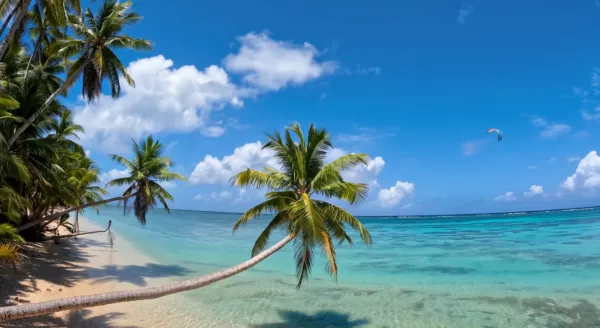
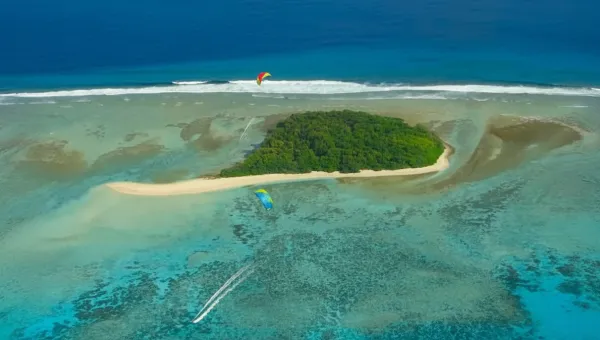
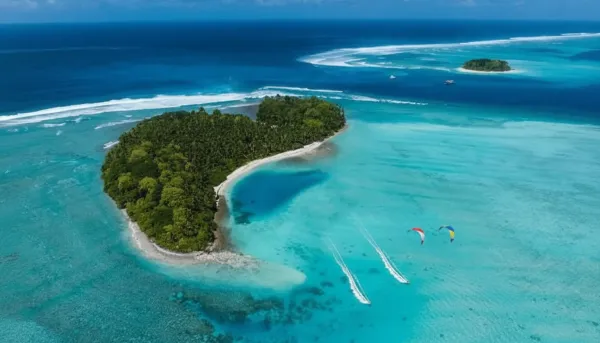
Utirik Island is a remote atoll found far out in the northern Marshall Islands, known for its quiet, sheltered lagoon kitesurfing environment. The island is surrounded by a shallow inner lagoon, where water typically remains calm and flat, making it especially suitable for learning and freeride sessions.
The rideable water is separated into two distinct zones: the sheltered lagoon on the inside, and the exposed ocean side, where swell and chop from the Pacific can become much more noticeable. This means conditions and the feel of each session can shift quite a lot depending on which side of the island you access and the wind or ocean state on that day. The most frequent and kitesurfable winds at Utirik are the trade winds, which usually blow from the northeast, east-northeast, or east, and become most useful when side-shore to the lagoon, creating a cleaner, more predictable ride with better safety margins for launching and landing.
Average reported wind is around 14.5 knots, with monthly reliability peaking near 90 percent in the winter and tailing off in the late summer, so it remains a spot where seasonal patterns matter more than daily guarantees. Water temperature hovers around 27.6°C all year, which means there is no real need for thick neoprene and sessions can be planned for warmth and comfort throughout the year. The launch itself can be more technical than it appears: while the main sand beaches are soft and clean, access can be pinched by vegetation, and safe kite handling is a must, especially for self-sufficient riders dealing with tight spaces. There are no crowds, so launching room depends on local features and wind direction more than competition for space.
Tides affect water depth inside the lagoon and some shallow reefs can present, making reef booties a consideration for riders who plan to walk or stand off the boards. The inside lagoon is generally protected from the ocean, offering smooth chop-free runs great for twintip or foil boards, but the northeastern shore can see incoming swell and sharpens up quickly in strong wind or on a rising tide. There are minimal hazards from other water users, but the open side can feel harsh and unprotected when exposed to heavier swell or gusts.
The logistical challenge is part of the experience: nearly all travelers must reach Majuro first, then coordinate with infrequent local boats or rare domestic charters to reach Utirik itself. There are no full tourist amenities or resort comforts — just a simple homestay or village arrangement for room and board.
The feeling on the spot is one of complete escape: almost no other kiters, very little traffic, and a pace defined by the rhythm of the wind and the sea. Off the water, activities run to walking the lagoon, exploring tidal changes, checking out the reef, and quiet time in small village surroundings. The spot rewards those who are competent at reading water and wind, comfortable with changing tides and tricky landings, and looking for a kitesurfing trip that's as much about the feeling of remote adventure as it is about constant high-wind sessions. For kiters who value warm, flat-water rides and the absence of crowds, Utirik stands out as a uniquely isolated experience in Oceania, providing lagoon conditions that can shift quickly with the weather and demand respect for the environment.
This location is best targeted by experienced intermediates comfortable with their gear, tides, and remote logistics, who plan ahead and enjoy self-sufficient travel. There is no night life, shop, or structured tourism — just wind, water, and an atoll that rewards thoughtful, careful visits.
Utirik Island is best suited for
Spot profile
Travel spot
The typical kite travel destination, it is known for its great conditions, and kiters from around the world come here for their vacations.
Adventure spot
That dream place out of the normal touristic routes. Once you reach it, you feel in paradise, it can be anything extraordinary, a hidden gem, remote and fascinating.
Equipment
A medium to large kite range is recommended to match trade wind averages and lighter spells, with twintips set up for light-wind performance as the most reliable board choice inside the lagoon. Foils can get plenty of use during sub-14 knot days. The year-round water temperature near 27.6°C means kitesurfers can ride with a rash guard, short Lycra or thin neoprene rather than a wetsuit, as even during rare chilly spells full suits are unnecessary. Reef booties are practical, especially in shallow and coral sections, though the sandy lagoon bottom is friendly for barefoot riding in deeper spots. No significant seasonal gear changes are needed — wind strength is more variable than temperature.
Wind Conditions
Main wind directions at Utirik Island
Windy days per month in Utirik Island
Wind Speed Range
From 10 to 18 Knots
Suggested sizes
10 - 11 mt
12 - 13 mt
14 mt and above
Forecast on Windy.com
Kitesurfing Safety & Local Rules at Utirik Island
The primary dangers at Utirik Island stem from its shallow lagoon environment and the prevalence of submerged reef and coral patches. These features can present serious hazards in areas where water depth drops with tidal swing, especially during low tide periods. Kitesurfers risk board or body contact with hard surfaces in shallow water, potentially resulting in injury or equipment damage.
The lagoon itself, while usually calm, may have zones where sandbars turn abruptly into coral heads or exposed reef, so constant attention to water depth and color changes is crucial. The launch and landing zones are not wide-open beaches but narrow sections bounded by vegetation, which limits safe setup space and demands precise kite handling.
Wind quality is generally good due to the trades, but funnelling of wind around the island or sudden shifts between lagoon shelter and open-ocean exposure can result in gusty or unpredictable conditions at times. This risk increases on the ocean side, especially near the northeast shore, where ground swell or stronger onshore pushes create both rougher water and possible side-off wind risk. Tide changes also influence outgoing currents and water coverage, making shallow sections more hazardous as the tide drops.
There is no formal rescue service and little backup given the island’s remoteness, making self-rescue skills and solo preparedness critical. Local rules are mostly practical and based on mutual respect: riders must give way to boats, respect village landings and the quiet community, and should coordinate their activities to avoid interfering with local use or rare transport traffic.
There are no documented restrictions but the absence of infrastructure means kiters have full responsibility for their own safety, planning and behavior.
Location
Closest City
Majuro
How to get There
Travel normally starts with a flight to Majuro (Amata Kabua International Airport), then continues by local boat, community boat, charter, or an occasional domestic/organized flight if available. Utirik is remote and transport schedules are irregular, so advance coordination is essential.
Access
Public access appears possible, but in practice it is limited by remoteness, small-island logistics, and the need to coordinate arrival by boat, charter, or rare flight support. There is no sign of a developed paid beach-access system, but transport and local arrangements may need prior agreement.
No-Wind Days: What to Do Around Utirik Island
Utirik Island is a remote, quiet atoll where the experience is shaped as much by location and culture as by wind statistics. Unlike developed kitesurf areas, Utirik lacks hotels, resorts, and tourism infrastructure — visitors typically stay with local families or use very basic community-based accommodation arranged in advance. This simplicity is a hallmark of the region instead of a shortcoming, allowing a slower, more immersive connection to island life.
The everyday rhythm revolves around the sea and lagoon, with few distractions beyond the core activities of kitesurfing, walking, and observing the ever-changing tropical scenery. Supplies and food are basic, usually brought in or depended on the timing of community boats, so visitors are wise to plan every aspect of their trip before arrival and bring specialty gear or personal requirements with them. Dining is informal, mostly homemade, and social gatherings are low-key, fostering interaction with local residents.
Off the water, there are opportunities for peaceful exploration, snorkeling in warm, clear shallows, and tracing the reef edge for unique marine life. There is rarely, if ever, any organized nightlife or commercial entertainment; the appeal is in the tranquility, isolation, and sense of escape from busy routines. For those interested in broader cultural or practical context, Majuro, the national capital, acts as the supply and transit point — here, essentials can be bought, connections arranged, and travel plans managed. Once on Utirik, the main challenge becomes adapting to a slower, self-sufficient pace with limited outside distractions. Occasional local boats provide village supply runs, but weather and sea state influence frequency and safety.
It is not uncommon to find oneself as the only visitor on the atoll, with session planning dictated by nature rather than schedule. This spot is not recommended for travelers seeking convenience, activities for kids, or modern amenities. For committed riders, the reward lies in pristine, uncrowded lagoon sessions, striking ocean horizons, and days planned around wind cycles more than structured events.
Evenings are punctuated by sunsets over the Pacific with little artificial light or noise to disturb the setting. For those looking to experience the Marshall Islands beyond a tourist gloss, Utirik stands out as a place for simple pleasures and big water views, provided all arrangements are made in detail before setting out.