
Kitesurfing in Seco Island
Caticlan · Philippines
- Spot type Flat
- Rider level beginner
- Water Crystal Clear
- Beach Sand
- Crowd No people
- Tide effect None
Kitesurfing in Seco Island: Conditions, Wind & Season
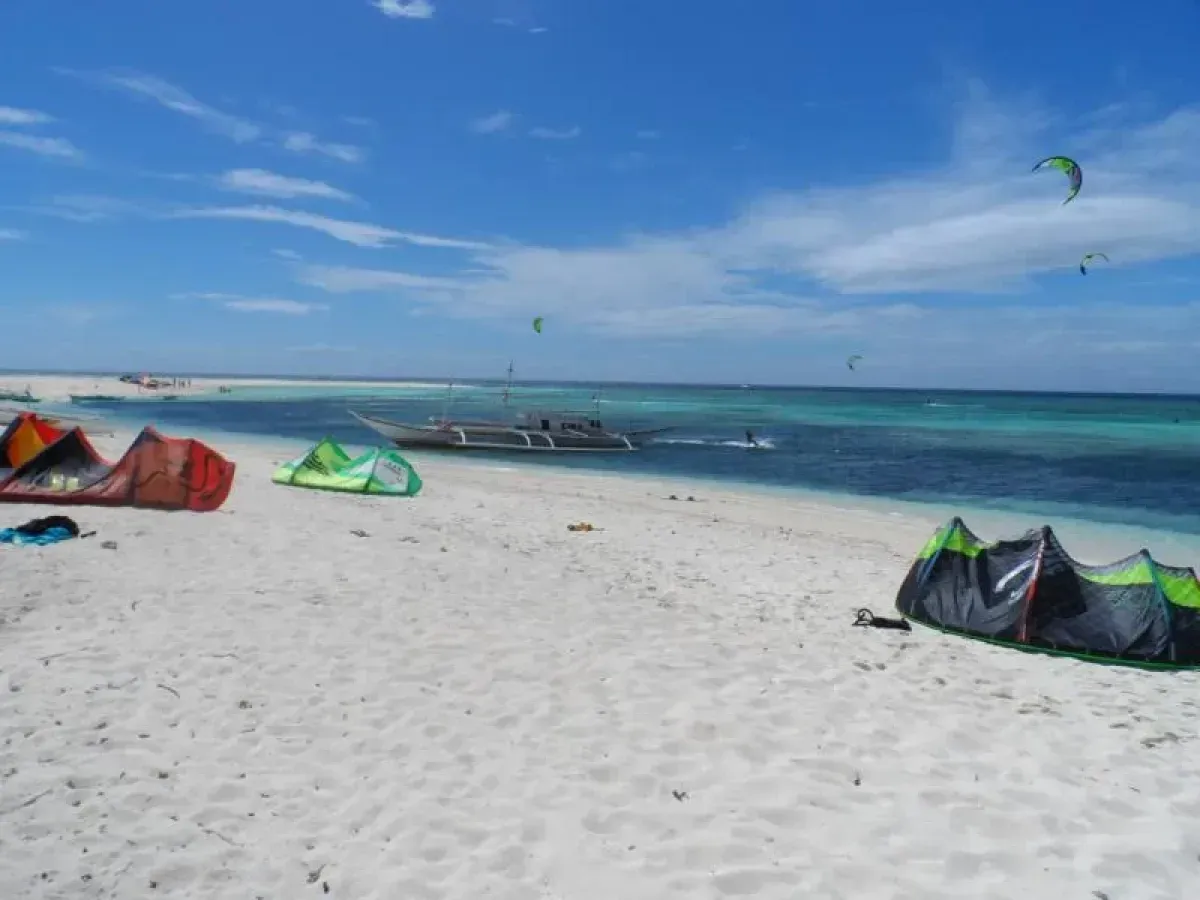
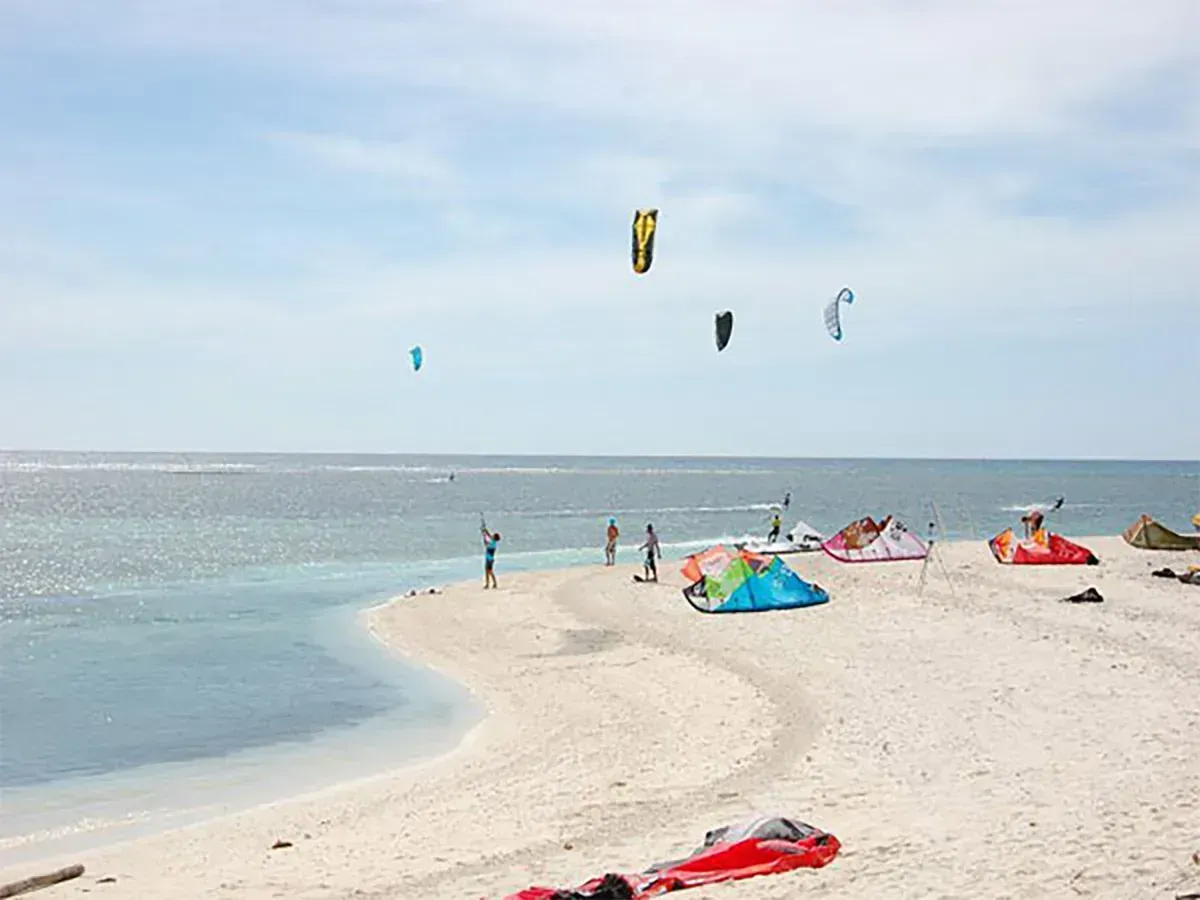
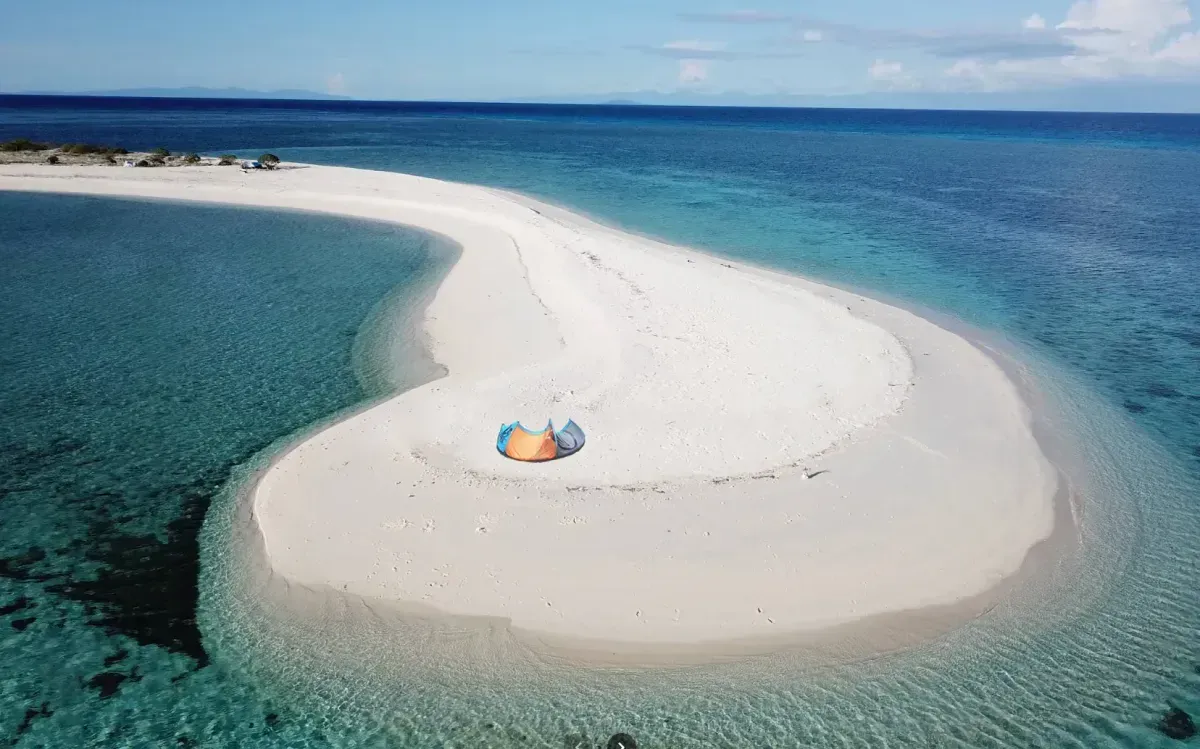
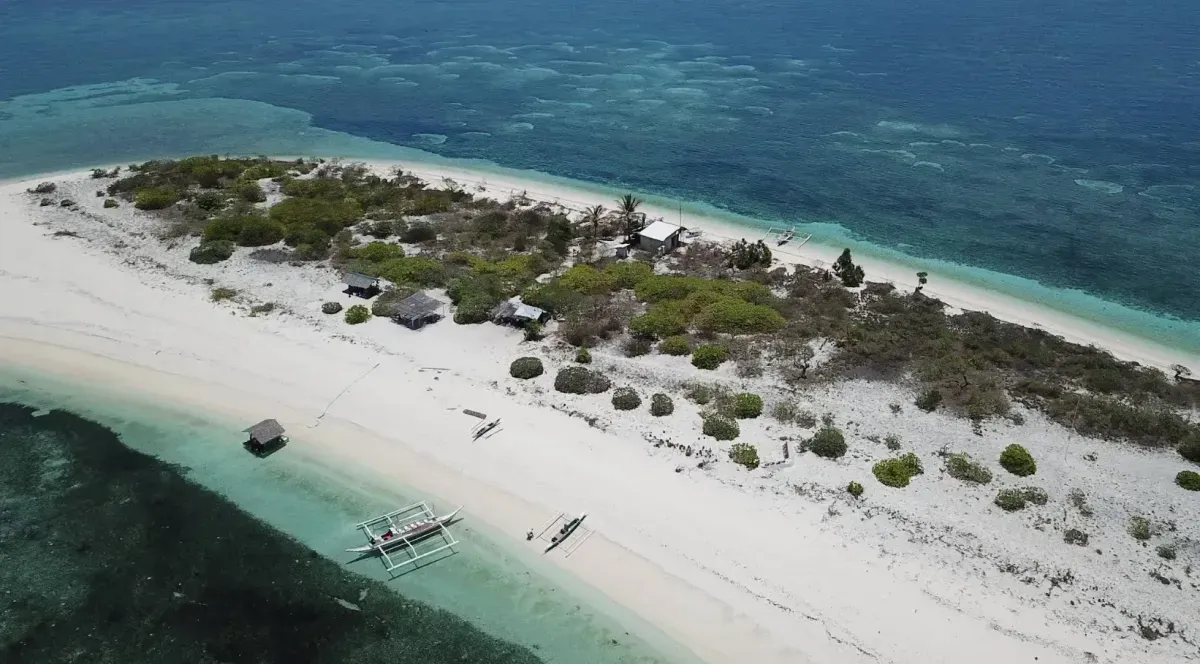
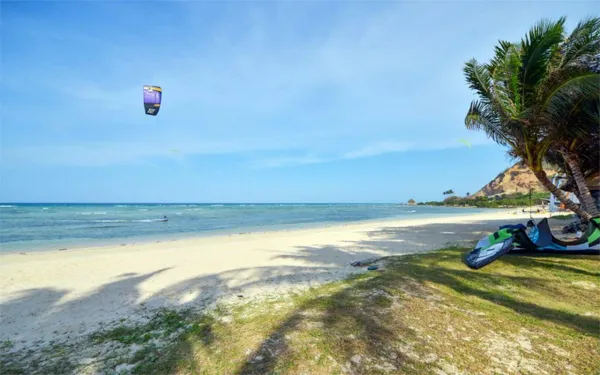
Seco Island is about as stripped back as a kitesurfing destination gets. A small uninhabited sandbar sitting roughly 50 kilometers west of Panay in the Sulu Sea, it offers nothing in the way of permanent infrastructure or facilities, and that absence is precisely what makes it special. The sandbank stretches approximately 400 meters long and 100 meters wide, with shallow flat water surrounding it and no trees, structures, or terrain features to interrupt the wind flow. The result is consistent and clean conditions across the entire area that work for beginners, intermediate riders, and advanced kitesurfers alike, with the freedom to navigate in any wind direction without having to worry about obstacles or hazards.
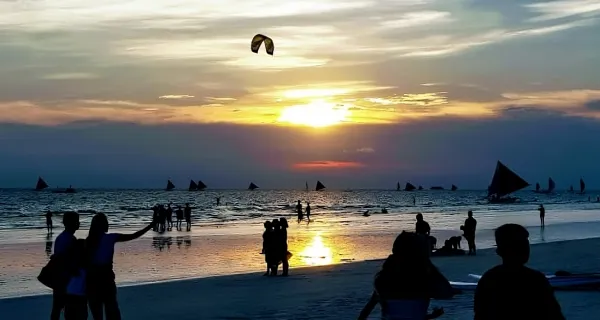
The best season runs from November to April when northeast winds deliver reliable conditions across the Sulu Sea. The complete flatness of the sandbar and the unobstructed wind make Seco an unusually pure environment for skill progression, where the only variables are the rider and the kite rather than the complexity of the spot itself. Sunsets from the sandbar are genuinely spectacular, and the absence of any light pollution turns the night sky into something that riders who have only ever stayed in developed destinations will find striking.
Since the island is uninhabited, trips to Seco are typically organized from Boracay and structured around either camping on the sandbar or staying aboard the boat. These organized trips generally include food and beverages, which takes the logistical complexity out of what would otherwise require significant independent planning. The journey from Boracay is part of the experience, and arriving at a sandbar in the middle of the Sulu Sea with kites ready to fly carries a sense of adventure that more accessible spots simply cannot replicate.
For everything else that a kitesurfing trip requires beyond the sessions themselves, Boracay serves as the natural base and provides the full range of restaurants, nightlife, and tourist activities including snorkeling and island hopping that make it one of the most visited islands in the Philippines. The island of Panay is also within reach for those interested in exploring beyond the immediate area and adds further options for riders who want to extend their time in the region.
For further info you can read the related blogpost:
Kitesurfing in the Philippines: An Island Hopping Adventure
"More than 7,000 islands, thousands of tropical beaches, and everybody talks about Boracay. Isn't that a rather reductive way to discover a country?"
Something missing or out of date at this spot? Suggest a correction
Spot Gallery (4)
Seco Island is best suited for
Spot profile
- Travel spotA proven kite destination with reliable conditions, worth a trip. Kiters fly in from all over the world for their kite holidays, and you will probably find schools, rentals and a lively kite scene nearby.
- Adventure spotFar from the tourist trail, this is a spot you have to earn. The journey is part of the adventure, and at the end you find empty water, wild scenery and the feeling of having discovered a secret few kiters know.
Equipment
No wetsuit is needed due to warm water conditions; booties may be useful for protection against sharp objects.
Wind Conditions
Main wind directions
Windy days per month
Share of the days with more than 10 knots.
Wind speed range
15 - 25 knots
Calculate your kite size
Estimate for a rider of your weight at Seco Island: kite size = weight / wind speed x 2.2, adjusted for the kite shape and aspect ratio. Board, skills and gusts change the ideal size.
Forecast on Windy.com
Kitesurfing Safety & Local Rules at Seco Island
Reef nearby, so caution is necessary. Safety boats are often present during organized trips.
How to reach Seco Island
- Closest cityCaticlan
- How to get thereTo reach Seco Island, fly from Manila to Caticlan, then proceed to Boracay. From there, join a kitesurfing safari or hire a boat to reach the island.
- Accesspublic
No-Wind Days: What to Do Around Seco Island
Time spent on Seco Island away from the kite has a character entirely its own. Without the distractions of restaurants, bars, or any kind of built environment, the evenings on the sandbar slow down naturally into something that feels genuinely rare. Watching the sunset from a flat sandbar in the middle of the Sulu Sea with nothing interrupting the horizon in any direction is the kind of experience that stays with a person long after the trip is over, and the stargazing that follows on a clear night, far from any light pollution, adds another dimension to what makes an overnight stay on Seco worth organizing.
For everything beyond that simplicity, Boracay is the natural extension of a Seco Island trip and sits close enough to reach without difficulty. The full range of restaurants, beach bars, and nightlife that has made Boracay one of the most visited islands in the Philippines is all readily available, and activities like snorkeling and island hopping can be easily arranged through the many operators based there. The contrast between a night camping on an uninhabited sandbar and an evening on Boracay's White Beach is as stark as contrasts get, and experiencing both within the same trip gives a surprisingly complete picture of what this part of the Philippines has to offer.
The island of Panay, sitting not far from Seco, provides additional options for riders who want to explore further and add some cultural or inland experiences to what is otherwise a trip defined by water, wind, and open sky.
Other kitesurfing spots near Seco Island
All kitesurfing spots in Philippines
Last updated: