
Kitesurfing in Muizenberg
Cape Town · South Africa
- Spot type Wave
- Rider level beginner
- Water Dark - Clear
- Beach Sand
- Crowd Seasonal crowd
- Tide effect Conditions vary
Kitesurfing in Muizenberg: Conditions, Wind & Season
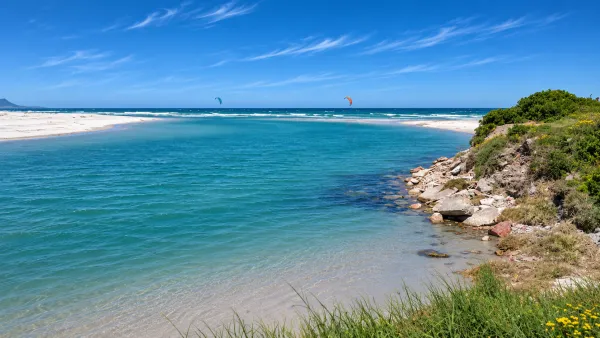
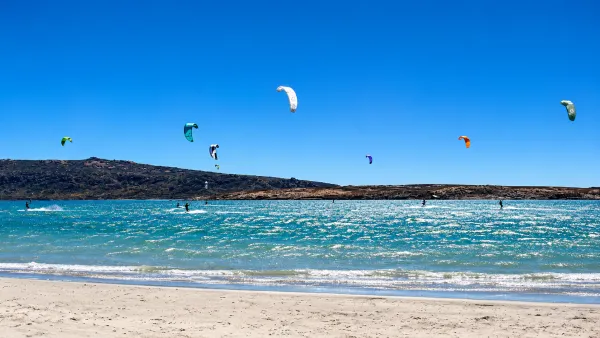
Muizenberg is one of Cape Town's best-known surf beaches, located on the northwestern shore of False Bay along South Africa's Western Cape coastline. Famous for its extensive sandy shoreline, relatively gentle beach-break waves and accessible ocean conditions, Muizenberg also offers opportunities for kitesurfing when wind, swell and beach-use restrictions allow. Unlike the powerful Atlantic-facing spots around Bloubergstrand, Muizenberg is characterised by generally smaller, more forgiving waves and comparatively warmer water. The broad sandy seabed provides an attractive environment for freeriding, basic wave riding and progression in moderate conditions. However, the beach is heavily used by surfers, swimming schools and other recreational visitors, making careful selection of launching areas essential. Kitesurfers should verify current local regulations and designated kiteboarding zones before setting up, as the popular central surfing and swimming sections are not appropriate for unrestricted kite launching.
The main wind season extends from September to April, with November through March generally providing the most consistent summer conditions. The prevailing southeasterly wind, commonly known as the Cape Doctor, often strengthens during the afternoon as thermal and regional pressure systems develop around the Cape Peninsula. Wind speeds frequently range from 15 to 25 knots during favourable periods, with stronger days occasionally exceeding 30 knots. At Muizenberg, the southeasterly wind can arrive at an onshore or side-onshore angle depending on the exact section of coastline, generating additional chop and making it more difficult to maintain position in the surf. Strong winds can also produce demanding launching conditions, particularly when waves break close to shore. During winter, northwesterly winds associated with passing cold fronts may occasionally provide rideable conditions, although they are generally less predictable and often accompanied by rain, stronger swell and rapidly changing weather.
Water conditions at Muizenberg are dominated by a sandy beach break, with small to moderate rolling waves during favourable swell periods and more powerful surf when larger Southern Ocean swells enter False Bay. The gently shelving seabed creates relatively accessible wave conditions compared with many exposed reef breaks around Cape Town, although shorebreak and rip currents can still become significant. During lighter winds and smaller swells, the water may be suitable for relaxed freeriding and practising board control, while stronger southeasterly winds typically produce choppier conditions and disorganised wave faces. Mid-tide conditions can offer workable waves, but the best tidal stage varies with swell direction, wave period and shifting sandbanks. Muizenberg is not a flat-water destination, and riders should expect to manage breaking waves and wind-driven surface chop throughout most sessions. A freeride twin-tip is suitable for cruising and basic jumping, while a directional surfboard provides greater versatility when the waves become more defined.
Beach access is straightforward through the established public beachfront areas, although the popularity of Muizenberg creates important practical limitations for kitesurfing. Surfers, swimmers, surf schools and other beach users occupy much of the central shoreline, particularly around the well-known surfing sections, so riders must avoid crowded areas and use only locations where launching and riding are permitted. The wide sandy beach can provide sufficient rigging space in suitable sections, but onshore winds, high tides and increased beach activity may reduce the available safety margin. Muizenberg is most appropriate for intermediate riders comfortable with ocean conditions and busy coastal environments, while beginners should seek professional instruction at a designated kitesurfing location rather than assume the central beach is suitable for lessons. Kite sizes around 9–12 m² are commonly useful in moderate summer winds, with smaller sizes necessary during stronger southeasterly conditions. False Bay is generally warmer than Cape Town's Atlantic coast, although a 3/2 mm wetsuit is recommended for many summer sessions and a 4/3 mm suit may be preferable during winter.
The main hazards include crowded surfing and swimming areas, strong onshore winds, breaking waves, rip currents and changing tidal conditions. Launching near other beach users is particularly risky when the southeasterly wind blows directly towards the shoreline, leaving limited room for recovering from equipment problems or sudden gusts. Riders should also be aware of False Bay's marine wildlife, including sharks, and follow local beach safety warnings and any temporary water-use restrictions. Although Muizenberg offers attractive sandy-bottom wave conditions and reliable seasonal winds, its popularity as a surfing and swimming beach makes it less straightforward for kitesurfing than dedicated locations elsewhere around Cape Town. For experienced riders able to identify permitted launching areas and suitable conditions, Muizenberg can provide enjoyable freeriding and small-wave sessions along the scenic False Bay coastline.
Something missing or out of date at this spot? Suggest a correction
Muizenberg is best suited for
Spot profile
- Travel spotA proven kite destination with reliable conditions, worth a trip. Kiters fly in from all over the world for their kite holidays, and you will probably find schools, rentals and a lively kite scene nearby.
- Family spotEasy to visit with family and friends. Facilities are close by and non-kiters have plenty to do while you are on the water, so everyone enjoys the day, whether they kite or not.
- Local spotNot worth a long trip, but a great option if you live nearby and the wind is on. Ideal for a quick session after work or a spare afternoon, without planning a whole trip.
Equipment
For Muizenberg, bringing a larger kite is smart – sizes around 9 to 12 meters tend to give the most flexibility due to the typical summer wind range, with smaller options for windier days. Freeride or wave boards work well for most conditions and suit the forgiving beach-break waves, while a dedicated wave board becomes useful when a groundswell lines up. Water temperatures are distinctly warmer than the Atlantic, but a wetsuit remains essential: in summer a 3.2 mm is appropriate, with a thicker 4.3 mm or full winter suit in the colder months. Boots are usually not required because entry is sandy, though riders sensitive to cold may still prefer them in winter.
Wind Conditions
Main wind directions
Windy days per month
Share of the days with more than 10 knots.
Wind speed range
11 - 20 knots
Wind strength on rideable days
- 7-11 kn58%
- 12-16 kn33%
- 17-22 kn9%
- 23-28 kn0%
- 29+ kn0%
Share of the daytime hours with 7+ knots.
Calculate your kite size
Estimate for a rider of your weight at Muizenberg: kite size = weight / wind speed x 2.2, adjusted for the kite shape and aspect ratio. Board, skills and gusts change the ideal size.
Month by month at Muizenberg
| Metric | Jan | Feb | Mar | Apr | May | Jun | Jul | Aug | Sep | Oct | Nov | Dec |
|---|---|---|---|---|---|---|---|---|---|---|---|---|
| Wind | ||||||||||||
| Rideable daysdays | 29 | 26.5 | 27 | 21 | 18 | 19.5 | 20.5 | 21 | 23 | 26.5 | 28.5 | 29 |
| Usable windhours | 229 | 211 | 206 | 160 | 131 | 150 | 158 | 158 | 182 | 213 | 226 | 233 |
| Average gustsknots | 28 | 28 | 26 | 23 | 20 | 22 | 22 | 23 | 25 | 26 | 28 | 29 |
| Temperature | ||||||||||||
| Air°C | 24 | 24 | 23 | 21 | 18 | 17 | 15 | 15 | 17 | 20 | 22 | 23 |
| Sea°C | 18 | 18 | 17 | 16 | 16 | 15 | 15 | 14 | 15 | 16 | 16 | 18 |
| Weather and sea | ||||||||||||
| Sunshinehours / day | 13 | 12.1 | 10.3 | 9.6 | 8.4 | 7.4 | 7.9 | 8.6 | 9.8 | 11.7 | 12.4 | 12.8 |
| Rainmm | 14 | 12 | 48 | 41 | 79 | 134 | 126 | 87 | 47 | 24 | 18 | 32 |
| Rainy daysdays | 4 | 3 | 7 | 4.5 | 9 | 11.5 | 13 | 10 | 7.5 | 7 | 5 | 6 |
| Wave heightm | 1.6 | 1.6 | 1.6 | 1.7 | 2 | 2.1 | 2.2 | 2.2 | 2 | 1.7 | 1.7 | 1.7 |
Typical monthly averages over several years, based on weather data: local thermal winds are usually stronger than shown, and sea temperature and waves are a regional estimate. A rideable day has at least 3 hours of 7+ knots between 10:00 and 18:00, usable wind counts those hours, a rainy day has 1 mm or more.
Forecast on Windy.com
Kitesurfing Safety & Local Rules at Muizenberg
The main hazards at Muizenberg, in Cape Town's False Bay, are strong onshore winds, breaking waves and heavy shorebreak, particularly during high tide or windy conditions. The prevailing southeasterly wind can become increasingly gusty during the afternoon, making kite control more demanding during launching and landing. Strong onshore winds may push inexperienced riders toward the beach, while breaking waves can complicate water starts, kite relaunching and board recovery. During winter, northwesterly winds associated with approaching cold fronts can bring unsettled conditions, poor visibility and stronger chop. Monitor wind and swell forecasts carefully, choose appropriate kite sizes and avoid launching when conditions exceed your abilities.
Muizenberg is one of Cape Town's busiest surfing beaches, with swimmers, surf schools, beginners and other recreational users sharing the shoreline and water. Congestion around the main beach and surf lineup creates a significant risk of collisions, tangled lines and accidental kite drops near people. Launching and landing require particular care, especially during weekends, holidays and peak summer periods. Keep generous clearance from swimmers and surfers, avoid established surf teaching areas and move to a less crowded section when necessary. Always respect lifeguard instructions, designated swimming zones and any temporary beach restrictions.
False Bay is historically known for shark sightings, and local shark warning flags or temporary water closures must be taken seriously. Although encounters involving kitesurfers are uncommon, riders should follow all official warnings and leave the water when instructed. Avoid riding alone in poor visibility or around dusk, and remain aware of changing ocean conditions. Muizenberg's predominantly sandy seabed reduces the risk of striking rocks or reef, but strong surf and onshore winds can still make self-rescue difficult. Good spatial awareness, respect for other water users and careful attention to local safety procedures are essential for a safe session.
How to reach Muizenberg
- Closest cityCape Town
- How to get thereMuizenberg is reached by road from Cape Town in about 30 to 45 minutes in normal traffic, and around 45 minutes to 1 hour if traveling from the Blouberg side depending on traffic. For international visitors, the usual route is to fly into Cape Town International Airport and then drive or use a transfer or taxi south to Muizenberg. The spot is in a coastal suburb with straightforward public road access and no special remote travel logistics.
- AccessThe spot is publicly accessible from the beach and urban road network. There is no indication of special permit access or paid entry for normal kitesurfing use, although parking and local beach access rules may apply depending on the exact area and time of day.
No-Wind Days: What to Do Around Muizenberg
Muizenberg is one of Cape Town's most colourful and characterful seaside neighbourhoods, famous for its vibrant surf culture, historic beach huts and spectacular setting along the shores of False Bay. Located approximately 25 kilometres south of central Cape Town, this lively coastal community combines beautiful beaches, relaxed cafés, independent shops and easy access to some of the Cape Peninsula's most celebrated attractions. Its welcoming atmosphere and variety of activities make Muizenberg particularly appealing for families, couples and non-kiting partners looking to combine a beach holiday with cultural experiences and outdoor adventures.
Muizenberg Beach is the heart of the neighbourhood, with its long sandy shoreline, colourful Victorian-style bathing huts and impressive views across False Bay. The beachfront promenade is ideal for walking, jogging, photography and enjoying the lively atmosphere of Cape Town's southern suburbs. Muizenberg is especially famous for surfing, with relatively gentle, rolling waves that have made it one of South Africa's best-known places to learn. Surf schools offer lessons and equipment rentals, while swimming and stand-up paddleboarding can be enjoyable when conditions are suitable. Visitors should use designated swimming areas, follow lifeguard instructions and remain aware of currents and shark safety warnings.
The beachfront offers a lively selection of cafés, casual restaurants, surf shops and independent businesses, creating a relaxed atmosphere throughout the day. Fresh seafood, international cuisine, coffee shops and informal eateries provide plenty of options for breakfast, lunch or a leisurely meal overlooking the ocean. Muizenberg also has an interesting architectural and cultural heritage, with historic buildings reflecting its development as one of Cape Town's earliest seaside resorts. The Casa Labia Cultural Centre, housed in an elegant historic building overlooking False Bay, is particularly worth visiting for its architecture, exhibitions and cultural events, subject to its current programme.
Just a short drive south, Kalk Bay is one of the Cape Peninsula's most charming fishing villages. Its working harbour, colourful fishing boats, antique shops, art galleries and excellent seafood restaurants make it a favourite destination for a relaxed afternoon. Visitors can watch the fishing boats return to harbour, browse independent boutiques or enjoy a meal overlooking False Bay. The nearby coastal villages of St James and Fish Hoek offer additional beaches and scenic walking opportunities, while the colourful bathing huts at St James provide another iconic photographic setting.
Farther along the coast, Simon's Town offers a fascinating combination of maritime history, colonial-era architecture and natural attractions. The nearby Boulders Beach penguin colony is one of the Cape Peninsula's most popular wildlife experiences, allowing visitors to observe endangered African penguins from designated boardwalks. Continuing south, the Cape of Good Hope section of Table Mountain National Park features dramatic cliffs, wild beaches, hiking trails and spectacular viewpoints overlooking the Atlantic Ocean. Cape Point is particularly memorable for its rugged scenery and historic lighthouse. Visitor information and conservation guidelines are available through the official Table Mountain National Park website.
For nature lovers and hikers, the mountains surrounding Muizenberg provide excellent opportunities for outdoor exploration. Trails around Muizenberg Peak, Silvermine and the wider Table Mountain National Park offer panoramic views over False Bay, indigenous fynbos vegetation and dramatic mountain landscapes. The nearby Zandvlei Estuary Nature Reserve is another worthwhile destination for birdwatching, walking and observing wetland wildlife. Visitors should choose hiking routes appropriate to their experience, check local access conditions and avoid isolated trails without suitable preparation.
Muizenberg also provides convenient access to Cape Town's wider cultural and culinary attractions. The Constantia Valley, a short drive inland, is renowned for its historic wine estates, beautiful
Other kitesurfing spots near Muizenberg
All kitesurfing spots in South Africa
Last updated: