
Kitesurfing in Melkbosstrand
Cape Town · South Africa
- Spot type Wave
- Rider level intermediate
- Water Seaweeds
- Beach Sand
- Crowd Few people
- Tide effect Conditions vary
Kitesurfing in Melkbosstrand: Conditions, Wind & Season
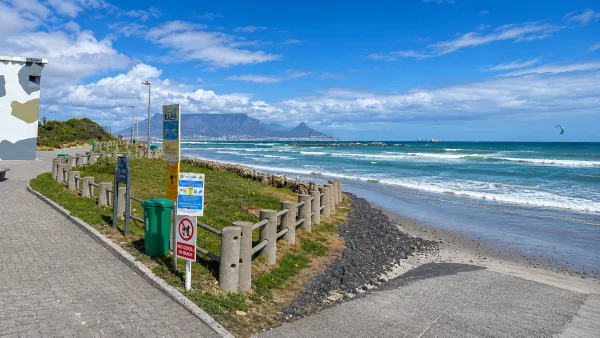
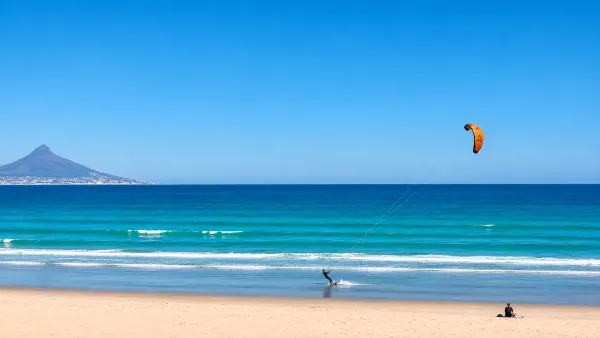
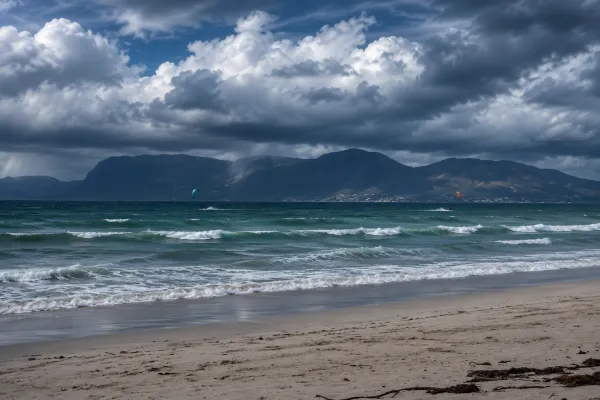
Melkbosstrand is an exposed wave-kitesurfing destination on South Africa's Atlantic coast, approximately 30 kilometres north of Cape Town in the Western Cape. Located beyond the busier kitesurfing beaches of Bloubergstrand and Big Bay, Melkbosstrand offers an extensive sandy shoreline, natural dunes and a more spacious riding environment. The spot is particularly attractive to intermediate and advanced kitesurfers seeking powerful Atlantic swell, strong seasonal winds and opportunities for directional wave riding. Unlike sheltered lagoons or flat-water training locations, Melkbosstrand is primarily an ocean-wave destination where breaking surf, changing currents and occasional rocky reef formations demand confident kite control. The combination of open beaches, exposed water and relatively limited crowding makes it an appealing alternative to Cape Town's more established kitesurfing locations.
The main kitesurfing season runs from October to March, with January through March often providing particularly favourable wind conditions. The prevailing southeasterly wind, locally known as the Cape Doctor, regularly strengthens during the afternoon and can deliver powerful sessions along the Atlantic coastline. Wind speeds commonly range from 15 to 30 knots during suitable summer weather patterns, occasionally exceeding 35 knots during stronger events. Southeasterly and south-southeasterly winds can produce cross-shore to cross-offshore conditions along sections of Melkbosstrand, while southerly and southwesterly winds may also provide rideable opportunities depending on the selected launching area. The exact wind angle is particularly important because offshore components can make returning to shore difficult, especially when combined with strong currents or equipment problems. Riders should assess local wind direction carefully rather than assume that the reliable Cape Town summer winds automatically provide safe conditions throughout the beach.
Water conditions at Melkbosstrand are dominated by cold Atlantic swell, with waves commonly ranging from approximately one to three metres during active swell periods, although larger conditions can develop after strong weather systems. Depending on wind direction, tide and swell period, the waves may form relatively smooth rolling sections or powerful breaking sets suitable for experienced directional wave riders. The predominantly sandy seabed provides some forgiving sections, but scattered rocky reefs, submerged obstacles and extensive kelp beds create additional technical challenges. These features can influence wave shape and produce locally steeper breaking sections, particularly when the tide drops. Mid to higher tides may provide more water over shallow obstacles, although stronger shorebreak can still develop depending on swell conditions. Low tide can expose rocky patches and kelp-covered formations, requiring careful selection of entry and exit points. A directional surfboard is the preferred equipment for wave sessions, while a freeride twin-tip remains suitable for powered cruising and jumping when wave conditions permit.
Launching and landing generally take place from the sandy beach, with access available through established paths leading from the residential areas and parking locations near Otto du Plessis Drive. The extensive shoreline provides room for preparing equipment, although dunes, rocky patches, kelp deposits and changing tidal conditions can restrict suitable launching positions. Melkbosstrand is best suited to intermediate and advanced kitesurfers comfortable with ocean waves, strong winds and self-rescue techniques. Beginners should choose more sheltered training locations with professional supervision rather than attempt exposed Atlantic launches independently. Kite sizes around 7–10 m² are commonly suitable during stronger summer conditions, with smaller kites sometimes necessary when the southeasterly wind becomes particularly powerful. Atlantic water temperatures generally remain around 12–16°C, making a 4/3 mm wetsuit advisable for most sessions, while a 5/3 mm suit provides additional comfort during colder periods. Neoprene boots may also be useful when launching near rocky sections or exposed reef.
The main hazards include strong cross-offshore winds, powerful breaking waves, rocky reef formations, kelp beds and potentially significant lateral currents. Equipment failures or lost boards can become particularly serious when the wind has an offshore component, and reliable rescue assistance should not be assumed. Riders should inspect the shoreline before launching, avoid shallow reef areas during low tide and maintain sufficient distance from kelp-covered obstacles. Larger swells can also produce demanding shorebreak and difficult conditions for returning safely to the beach. Despite these challenges, Melkbosstrand remains a rewarding kitesurfing destination for experienced riders exploring Cape Town's Atlantic coastline. Its combination of reliable summer winds, extensive sandy beaches and powerful ocean waves makes it particularly appealing for directional wave riding and high-wind freeriding away from the busiest sections of Table Bay.
Something missing or out of date at this spot? Suggest a correction
Melkbosstrand is best suited for
Spot profile
- Travel spotA proven kite destination with reliable conditions, worth a trip. Kiters fly in from all over the world for their kite holidays, and you will probably find schools, rentals and a lively kite scene nearby.
- Local spotNot worth a long trip, but a great option if you live nearby and the wind is on. Ideal for a quick session after work or a spare afternoon, without planning a whole trip.
Equipment
For Melkbosstrand, select medium to large wave- or freeride-oriented kites depending on the season’s forecast and your weight, with most days in-season falling in the 15 to 35 knot range so a three-kite quiver is generally sufficient. Boards that track well upwind and handle choppy, variable water are important due to beach break and lateral current. A 4/3 or 5/3 wetsuit is essential at any time of year because Atlantic water remains cold even in high summer, and boots or some form of foot protection are recommended in colder months or whenever tidal changes reveal sections of kelp or rocky reef. Helmet and impact vest are worth considering for those pushing in the surf or taking on bigger winter days.
Wind Conditions
Main wind directions
Windy days per month
Share of the days with more than 10 knots.
Wind speed range
11 - 22 knots
Wind strength on rideable days
- 7-11 kn54%
- 12-16 kn35%
- 17-22 kn10%
- 23-28 kn1%
- 29+ kn0%
Share of the daytime hours with 7+ knots.
Calculate your kite size
Estimate for a rider of your weight at Melkbosstrand: kite size = weight / wind speed x 2.2, adjusted for the kite shape and aspect ratio. Board, skills and gusts change the ideal size.
Month by month at Melkbosstrand
| Metric | Jan | Feb | Mar | Apr | May | Jun | Jul | Aug | Sep | Oct | Nov | Dec |
|---|---|---|---|---|---|---|---|---|---|---|---|---|
| Wind | ||||||||||||
| Rideable daysdays | 31 | 28 | 30 | 27 | 21.5 | 19 | 20.5 | 21.5 | 27 | 30 | 30 | 31 |
| Usable windhours | 252 | 224 | 225 | 181 | 147 | 149 | 152 | 159 | 196 | 228 | 245 | 253 |
| Average gustsknots | 24 | 23 | 21 | 18 | 16 | 17 | 16 | 17 | 19 | 21 | 24 | 24 |
| Temperature | ||||||||||||
| Air°C | 26 | 26 | 24 | 22 | 18 | 17 | 15 | 16 | 18 | 22 | 24 | 25 |
| Sea°C | 16 | 16 | 16 | 15 | 14 | 14 | 14 | 14 | 15 | 15 | 15 | 15 |
| Weather and sea | ||||||||||||
| Sunshinehours / day | 13.2 | 12.3 | 10.6 | 9.9 | 8.7 | 7.7 | 8.3 | 9 | 10.1 | 12 | 12.5 | 13 |
| Rainmm | 5 | 6 | 35 | 19 | 50 | 107 | 106 | 62 | 35 | 15 | 16 | 21 |
| Rainy daysdays | 2 | 1 | 5 | 4 | 7 | 10.5 | 11 | 9.5 | 6 | 3.5 | 3.5 | 5 |
| Wave heightm | 1.7 | 1.7 | 1.7 | 1.7 | 2.2 | 2.4 | 2.6 | 2.5 | 2.1 | 1.7 | 1.7 | 1.7 |
Typical monthly averages over several years, based on weather data: local thermal winds are usually stronger than shown, and sea temperature and waves are a regional estimate. A rideable day has at least 3 hours of 7+ knots between 10:00 and 18:00, usable wind counts those hours, a rainy day has 1 mm or more.
Forecast on Windy.com
Kitesurfing Safety & Local Rules at Melkbosstrand
The main hazards at Melkbosstrand, on South Africa's Atlantic coast north of Cape Town, are side-offshore winds, powerful ocean swell and strong lateral currents. The prevailing wind orientation can carry riders away from shore if equipment fails, a kite becomes uncontrollable or upwind ability is insufficient. Wind and swell interactions may also generate unexpected downwind drift, making it difficult to return to the intended landing area. With no regular dedicated kitesurfing rescue service operating directly from the beach, riders must be confident in self-rescue techniques and continuously monitor their distance from shore. Avoid venturing too far offshore, particularly when wind strength or direction becomes unstable.
Rocky reef sections and extensive kelp beds create additional hazards, especially around lower tides when submerged obstacles may become exposed or lie close to the surface. Rocks can damage boards and fins or cause injuries during falls, while kelp may snag kite lines, catch fins and complicate body dragging or equipment recovery. Heavy Atlantic swell can produce powerful shorebreak, making water entry, kite relaunching and returning to shore particularly challenging. Mid to high tide may provide better clearance over some rocky areas, although wave conditions must still be assessed carefully. Identify reef locations before launching, avoid riding directly over shallow obstacles and keep kite lines clear of floating kelp.
Melkbosstrand is an exposed ocean spot where cold Atlantic water, changing wind strength and rapidly developing surf conditions can increase the consequences of equipment failure or exhaustion. Strong currents and breaking waves may make swimming or self-rescue considerably more difficult than expected, particularly after a prolonged session. Wear suitable thermal protection, inspect equipment thoroughly and avoid riding alone in challenging conditions. Maintain generous clearance from other beach users and choose launching and landing areas away from rocks, kelp accumulations and heavy shorebreak. The combination of offshore wind risk, reef hazards and powerful waves makes Melkbosstrand best suited to experienced kitesurfers with strong ocean awareness and reliable self-rescue skills.
How to reach Melkbosstrand
- Closest cityCape Town
- How to get thereMelkbosstrand is reached by road from Cape Town, with driving typically taking around 30 to 60 minutes depending on traffic and exact start point. The spot sits on the Cape Town north coast near Bloubergstrand and Koeberg Nature Reserve, with access from Otto du Plessis Drive and parking along the road. For air travel, the nearest major airport is Cape Town International Airport, followed by a road transfer north to Melkbosstrand.
- AccessThe beach is publicly accessible, with parking along Otto du Plessis Drive and access via paths from the road. No special permit or private access requirement is noted in the available spot descriptions.
No-Wind Days: What to Do Around Melkbosstrand
Melkbosstrand is one of Cape Town's most relaxed coastal villages, located along the Atlantic Ocean approximately 25 kilometres north of the city centre. Known for its long sandy beach, spectacular views of Table Mountain and peaceful seaside atmosphere, Melkbosstrand offers an appealing alternative to the busier beaches of Bloubergstrand and central Cape Town. Its combination of natural beauty, beachfront restaurants and easy access to the city's attractions makes it particularly attractive for families, couples and non-kiting partners looking for a quieter coastal holiday.
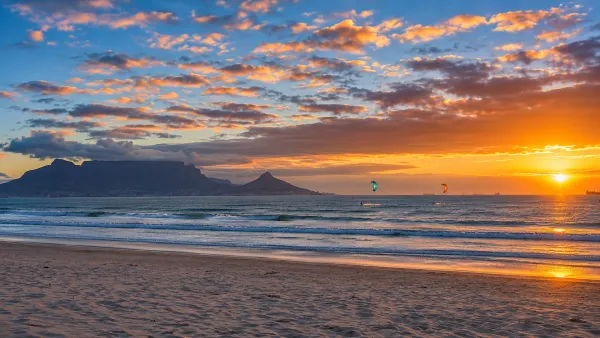
Melkbosstrand Beach is the village's greatest attraction, stretching along a beautiful section of South Africa's Atlantic coastline. Long morning walks, jogging, photography and relaxing beside the ocean are among the simplest pleasures here. The beach offers magnificent views of Table Mountain and Robben Island, particularly during the late afternoon when the setting sun illuminates the coastline. Swimming is possible in suitable conditions, although the Atlantic water is generally cold and exposed sections can experience strong waves and currents. Visitors should follow local beach safety advice and avoid swimming in unfamiliar areas without lifeguard supervision.
The village itself has a welcoming selection of beachfront cafés, seafood restaurants and casual eateries, many overlooking the ocean. Fresh fish, calamari and traditional South African dishes are among the local highlights, while coffee shops and small restaurants provide comfortable places to relax after a morning on the beach. Melkbosstrand retains a more residential atmosphere than Cape Town's larger seaside resorts, with small shops, supermarkets and essential services available locally. Its relaxed pace makes it particularly appealing for visitors who prefer peaceful evenings and sunset dinners rather than busy nightlife.
For nature lovers, the nearby Koeberg Nature Reserve offers opportunities to discover the distinctive coastal vegetation and wildlife of the Cape West Coast. The reserve protects important habitats within the Cape Floristic Region, including indigenous fynbos and coastal ecosystems. When public access is permitted, designated walking and cycling routes provide opportunities for birdwatching, wildlife observation and enjoying the surrounding landscapes. Access arrangements can change because of operational or security restrictions associated with the adjacent Koeberg Nuclear Power Station, so visitors should confirm current opening conditions before planning an excursion.
Just south of Melkbosstrand, Bloubergstrand and Table View offer additional beaches, restaurants and some of Cape Town's most famous views of Table Mountain across Table Bay. The beachfront promenade is ideal for walking and photography, while the nearby Rietvlei Nature Reserve provides opportunities for birdwatching and exploring wetland habitats. Farther inland, the Durbanville Wine Valley offers a pleasant contrast to the coast, with scenic vineyards, wine-tasting rooms and restaurants surrounded by rolling hills. This combination of beaches, nature and wine estates makes Melkbosstrand an excellent base for varied day trips.
Cape Town's major attractions are also within easy reach by car. Visitors can explore the V&A Waterfront, take the cableway to the summit of Table Mountain, discover the colourful streets of Bo-Kaap or visit the historic Kirstenbosch National Botanical Garden. Robben Island, a UNESCO World Heritage Site associated with South Africa's struggle against apartheid, can be visited on organised tours departing from the V&A Waterfront, subject to weather conditions and availability. For hiking enthusiasts, Table Mountain National Park offers spectacular trails and viewpoints across the Cape Peninsula. Information about the park and its walking routes is available through the official Table Mountain National Park website.
For travellers interested in exploring farther north, Melkbosstrand is conveniently positioned for scenic drives along the Cape West Coast. The coastal towns of Yzerfontein and Langebaan offer beautiful beaches, peaceful lagoons and additional outdoor activities, while West Coast National Park is famous for its birdlife, turquoise lagoon and spectacular seasonal wildflowers. Spring, particularly August and September, can bring colourful flower displays across the surrounding landscapes, depending on rainfall. The park's protected habitats and scenic viewpoints make it a rewarding destination for nature lovers and photographers. Visitor information is available through the official West Coast National Park website.
Accommodation in Melkbosstrand ranges from affordable guesthouses and self-catering apartments to boutique lodges, private villas and beachfront holiday rentals. Supermarkets, pharmacies, restaurants and other essential services are available locally, while larger shopping centres can be found in nearby Table View and surrounding suburbs. Cape Town International Airport is generally around 40–60 minutes away by car, depending on traffic, and a rental vehicle is particularly useful for exploring the city, wine regions and West Coast attractions. Visitors should follow normal urban travel precautions, particularly after dark and when leaving valuables in parked vehicles.
With its beautiful Atlantic beaches, spectacular Table Mountain views and relaxed village atmosphere, Melkbosstrand offers plenty to enjoy beyond kitesurfing. Whether strolling along the shoreline at sunset, discovering the natural landscapes of the West Coast, exploring Cape Town's cultural attractions or enjoying fresh seafood overlooking the ocean, visitors will find an appealing combination of coastal relaxation and outdoor exploration. Its peaceful setting and proximity to Cape Town make Melkbosstrand an excellent choice for a family kitesurfing holiday or a longer stay with non-kiting partners.
Other kitesurfing spots near Melkbosstrand
All kitesurfing spots in South Africa
Last updated: