
Kitesurfing in Playa Costa Cabana
Almeria · Spain
- Spot type Chop
- Rider level intermediate
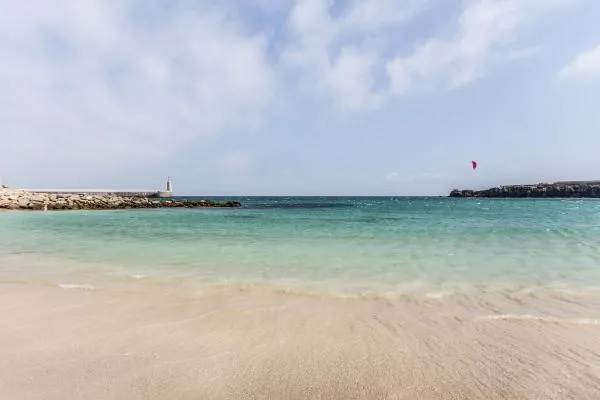
- Water Crystal Clear
- Beach Pebble
- Crowd Some bystanders
- Tide effect None
Kitesurfing in Playa Costa Cabana: Conditions, Wind & Season
Playa Costa Cabana is one of the established kitesurfing spots near Almería, located on the Mediterranean coast of Andalusia in southern Spain, just east of the city and close to Almería Airport. Known for its exposure to the Levante wind and its relatively spacious shoreline, this beach attracts local kitesurfers and visiting riders looking for enjoyable freeriding conditions. The combination of an open coastal setting, convenient access and a designated kite launching corridor makes Costa Cabana an interesting alternative to other beaches in the Almería region, particularly during periods when seasonal restrictions limit kitesurfing elsewhere.
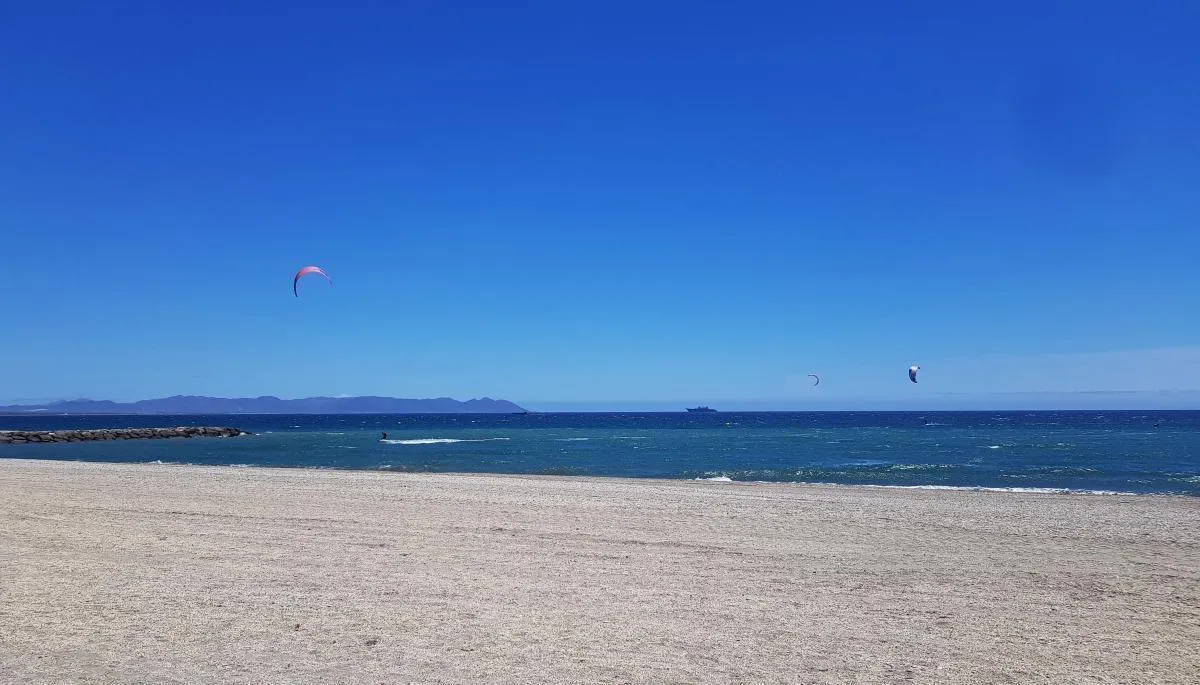
The spot works particularly well with the Levante, the easterly wind that frequently affects the southeastern Mediterranean coast of Spain. Spring and summer are generally attractive periods for kitesurfing at Costa Cabana, when Levante episodes can provide enjoyable and sometimes powerful conditions. Depending on the wind direction and strength, riders can experience relatively consistent airflow across the open beach, although gusts and changes in intensity are possible. Stronger Levante winds can generate challenging conditions, particularly when accompanied by increased chop and waves. The Almería coastline is well known among Spanish kitesurfers for its easterly wind opportunities, and some riders travel from the Tarifa region when forecasts favour this part of Andalusia.
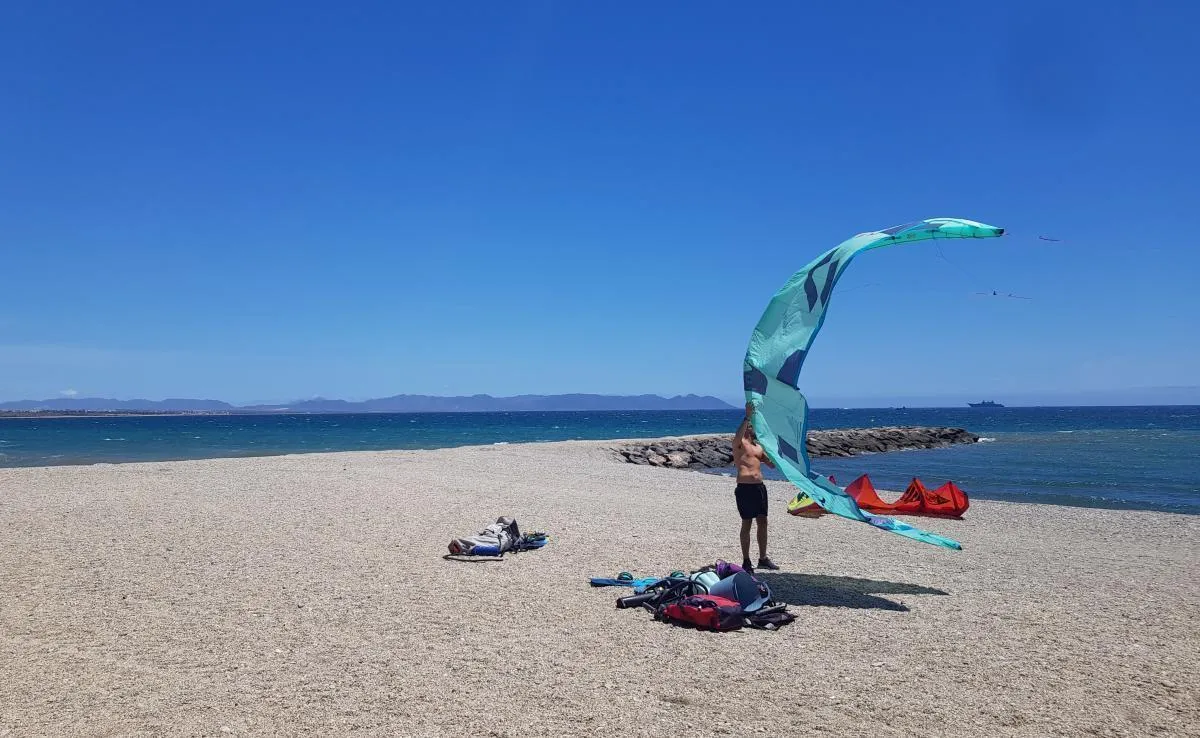
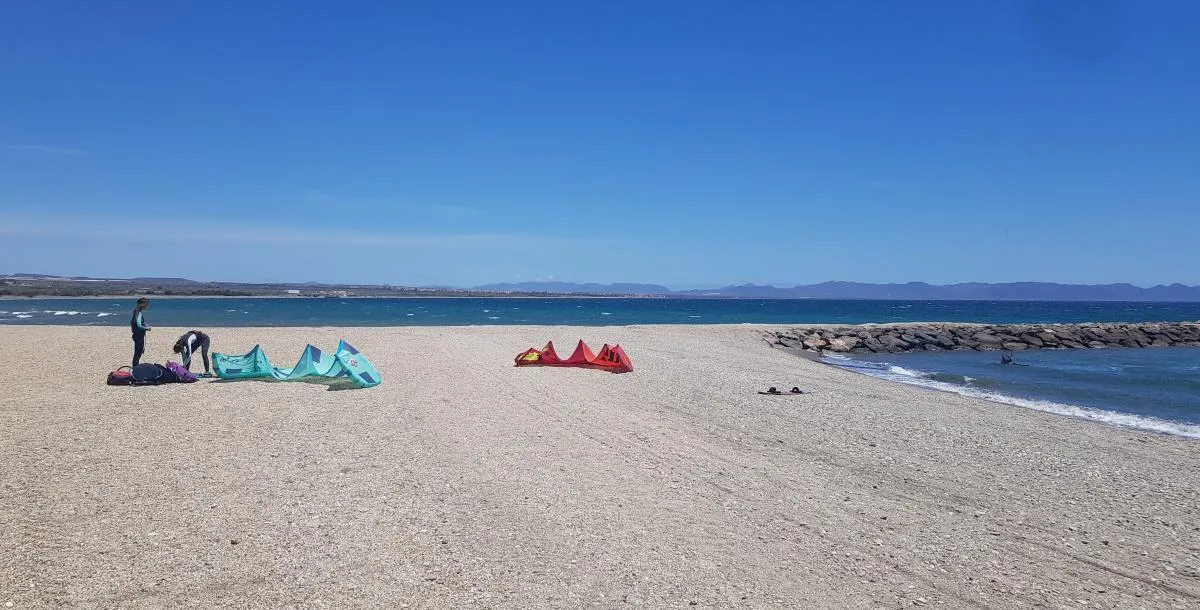
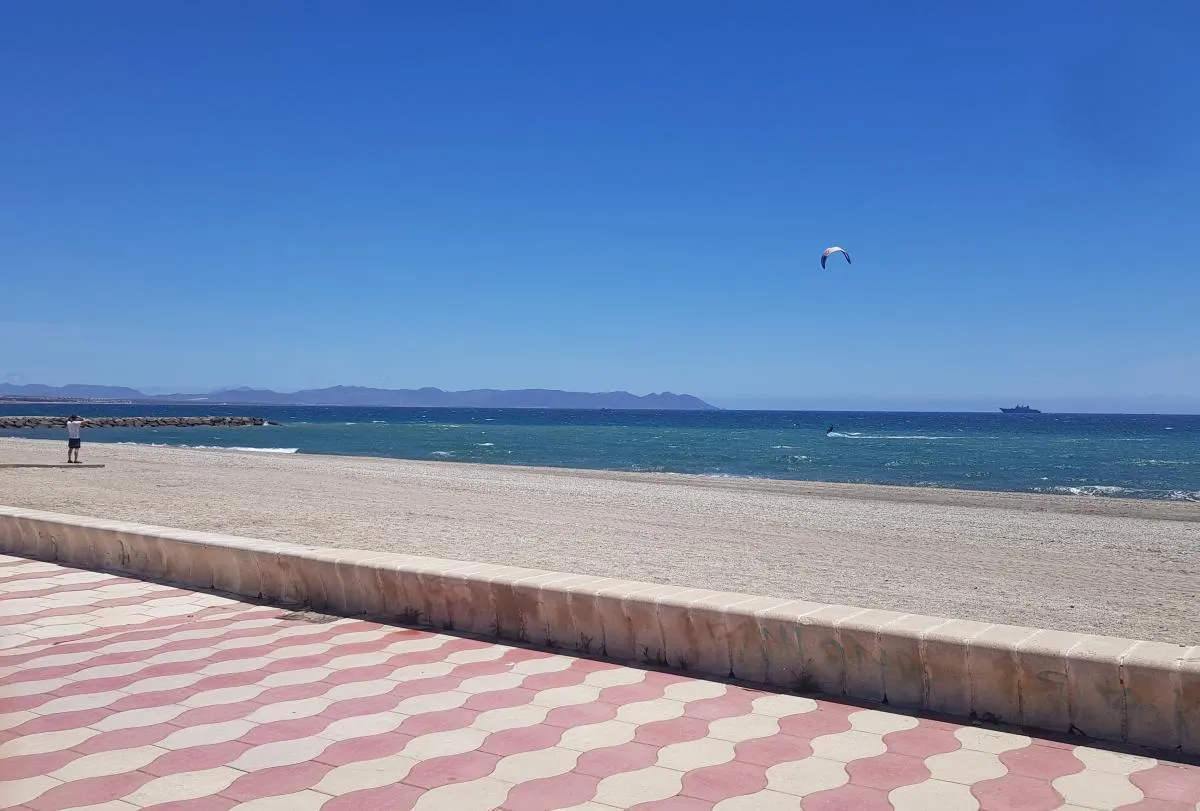
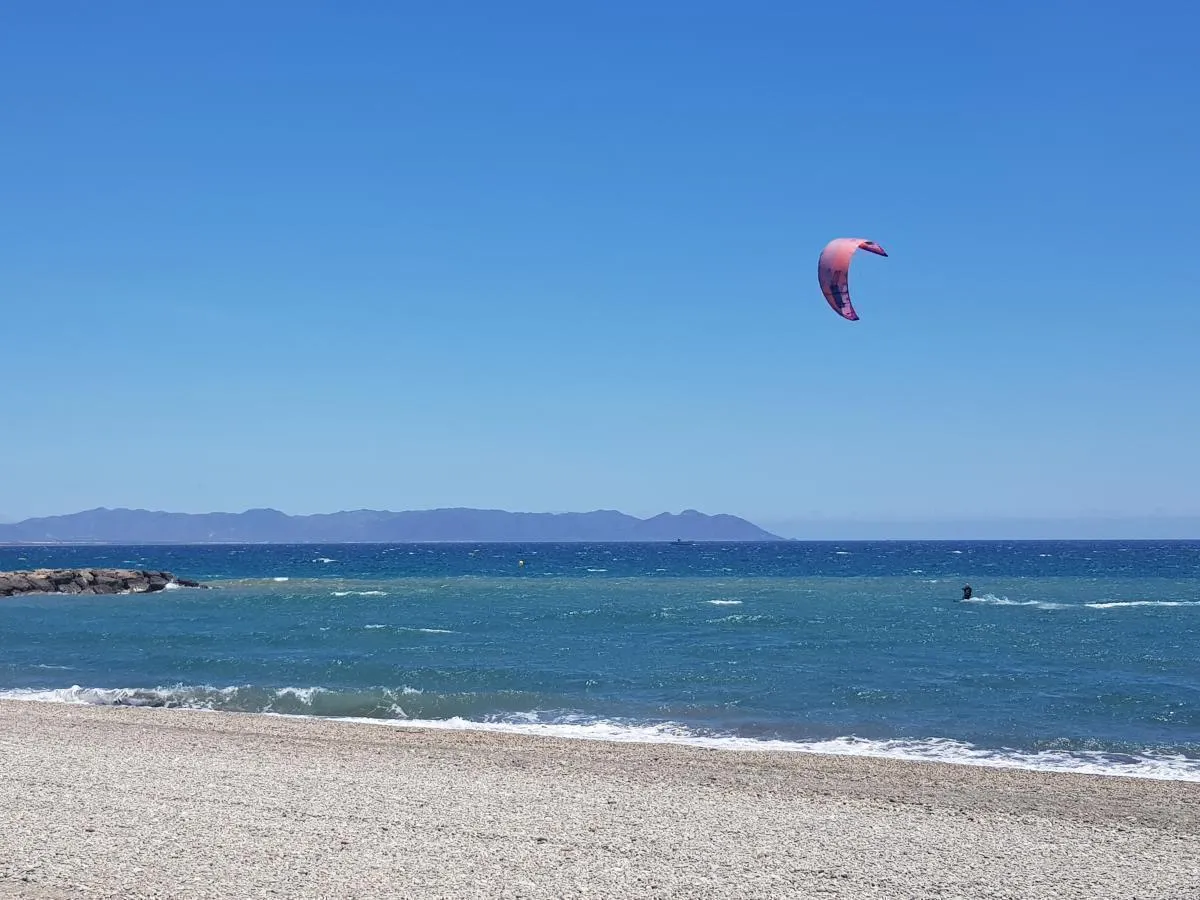
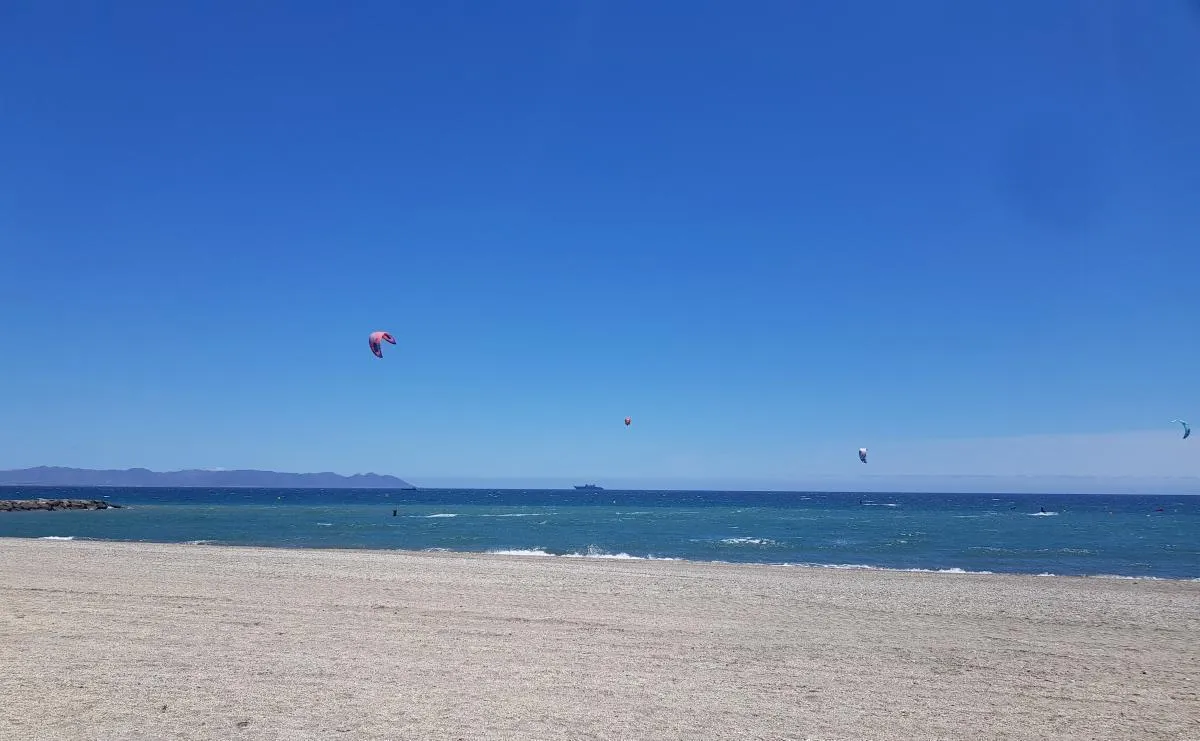
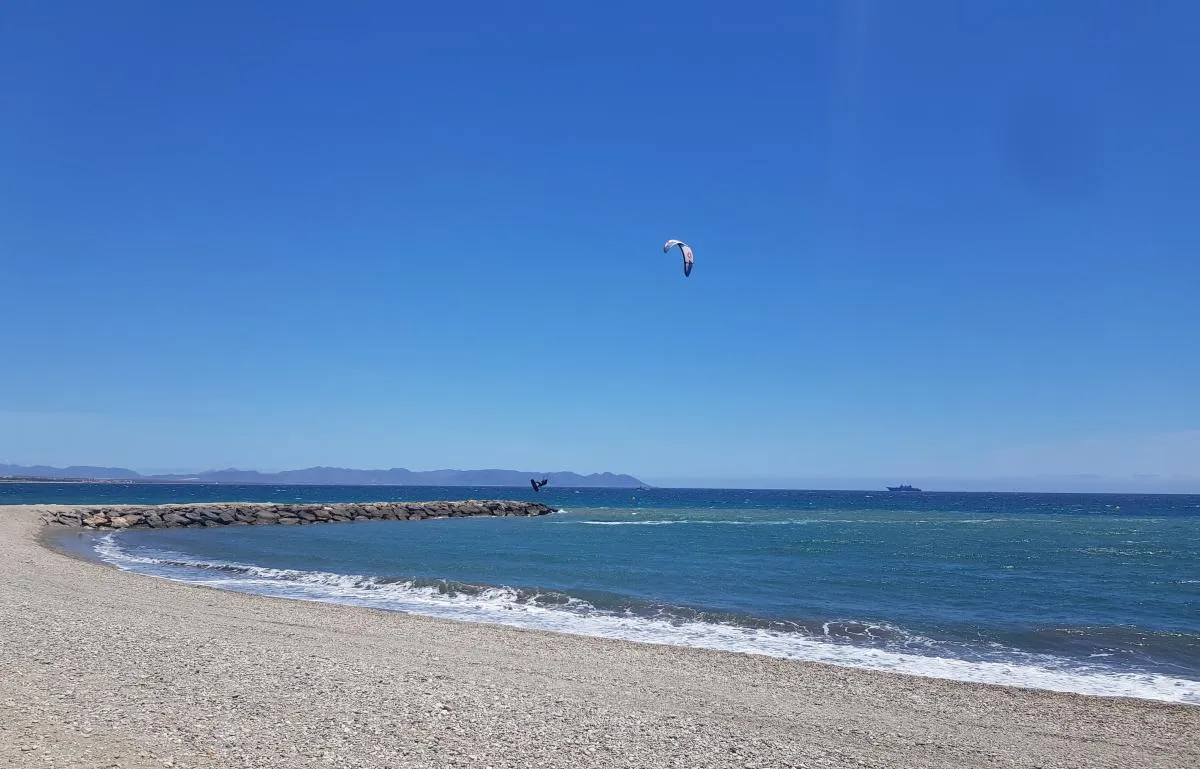
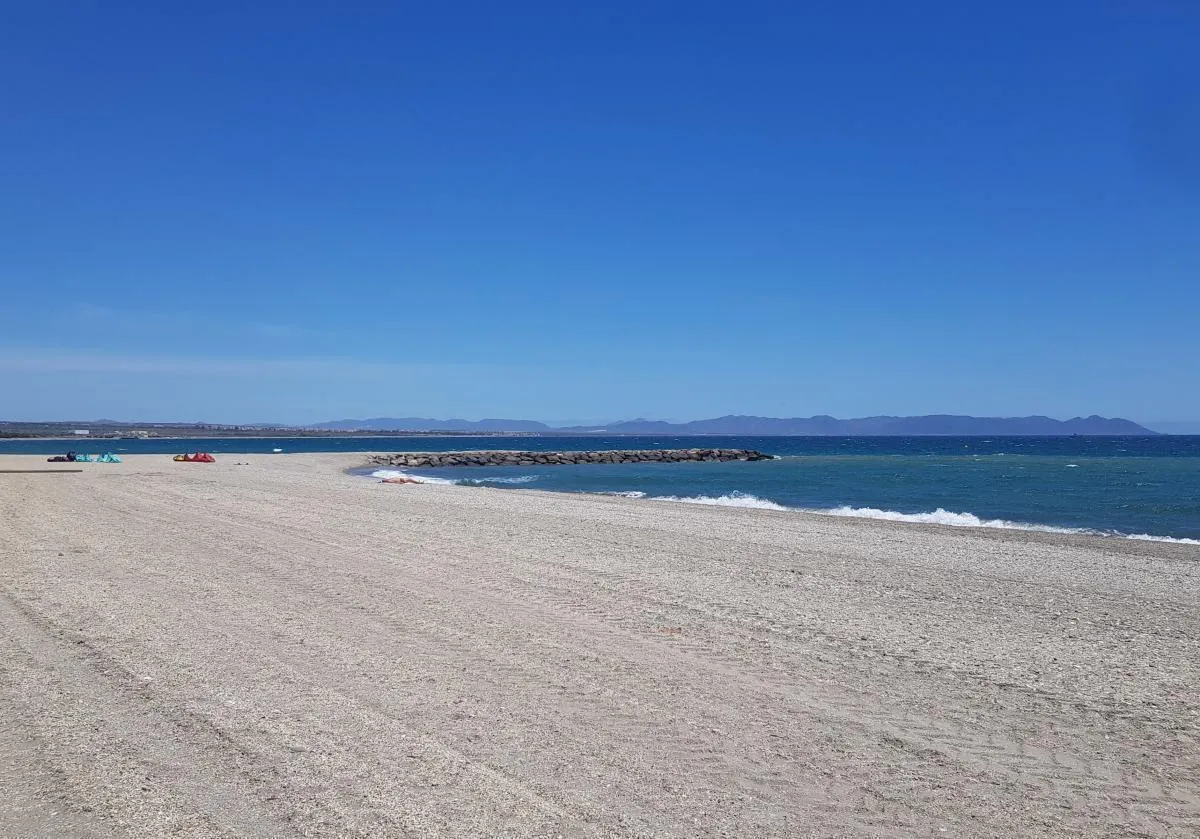
Playa Costa Cabana features a relatively wide shoreline composed mainly of coarse sand and small pebbles, providing a practical area for preparing kite equipment. One of its main advantages is the presence of a designated launching and exit corridor, which can allow kitesurfing during the summer bathing season when many other beaches restrict the activity. However, access depends on the corridor being officially authorised and operational under current municipal regulations. Riders must remain within the designated launching area when entering and leaving the water, respect the separation from swimmers and avoid setting up equipment in restricted sections of the beach. During busy summer days, careful coordination with other kitesurfers is particularly important.
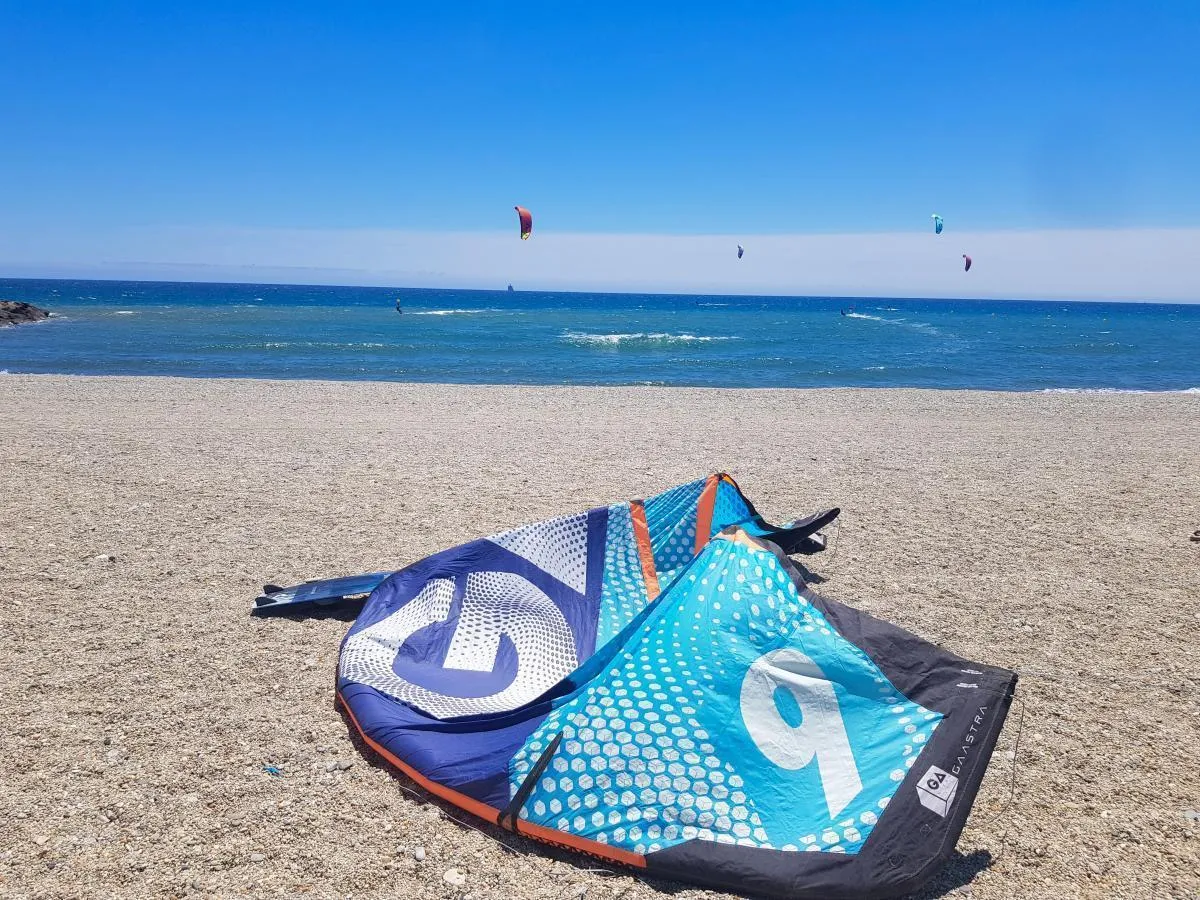
Water conditions at Costa Cabana vary according to wind strength, direction and the prevailing Mediterranean sea state. During moderate Levante winds, the spot generally offers enjoyable freeriding conditions with manageable chop and occasional small waves. When the wind strengthens, the water can become considerably rougher, with short, steep chop and more pronounced shorebreak near the beach. The seabed is predominantly sandy with areas of pebbles, and water depth increases away from the shoreline. Riders should assess the entry and exit conditions carefully, particularly when waves are breaking close to shore or when stronger gusts make kite handling more demanding.
Costa Cabana is particularly appealing to intermediate and advanced kitesurfers who are comfortable riding in open water and managing changing wind conditions. Beginners may find suitable opportunities during lighter winds with professional supervision, but the presence of a launching corridor does not automatically make the spot ideal for learning. Strong Levante episodes, limited corridor space and shorebreak can create challenging situations, especially during launching and landing. Riders should also maintain safe distances from swimmers, other watersports users and any restricted coastal areas. Reliable upwind skills and self-rescue experience are important, particularly when dedicated rescue services are not available.
When the Poniente blows from the west, Costa Cabana may offer less favourable conditions because of the beach orientation and local wind effects. In these situations, nearby Retamar, only a short drive farther east along the Almería coast, can be an alternative worth checking. Choosing between the two spots according to wind direction allows riders to make better use of the regional conditions, although local forecasts and current access regulations should always be verified before travelling.
For riders searching for kitesurfing at Playa Costa Cabana, Levante kite spots near Almería or summer kitesurfing locations in Andalusia, this beach offers an attractive combination of wind exposure, accessible shoreline and potentially authorised seasonal kite access. Its designated launching corridor is a significant advantage when operational, while the open Mediterranean conditions provide enjoyable opportunities for freeriding and practising manoeuvres. With suitable Levante winds and respect for local beach regulations, Costa Cabana remains one of the practical kitesurfing options along the Almería coastline.
Something missing or out of date at this spot? Suggest a correction
Spot Gallery (10)

Playa Costa Cabana is best suited for
Spot profile
Travel spot
The typical kite travel destination, it is known for its great conditions, and kiters from around the world come here for their vacations.
Family spot
Located in an area that offers amenities for all the family and can provide good alternatives for everyone when the kiters are in the water.
Local spot
Maybe not be worth a real journey to reach this spot, but great if you live close by and it is a windy day. In the end, being out on the water feels great anywhere
Equipment
Wetsuit in middle seasons, shorty in summer
Wind Conditions
Main wind directions at Playa Costa Cabana
Windy days per month in Playa Costa Cabana
Wind Speed Range
From 15 to 25 Knots
Suggested sizes
8 - 9 mt
10 - 11 mt
12 - 13 mt
Forecast on Windy.com
Kitesurfing Safety & Local Rules at Playa Costa Cabana
The main hazards at Playa Costa Cabana come from the stone piers and the sideshore Levante wind. The rocky structures can be particularly dangerous if a rider loses control or drifts downwind toward them. Always maintain sufficient distance from the piers and assess the wind direction carefully before launching.
Levante winds generally blow almost directly sideshore, making it important to monitor your position throughout the session. Stronger gusts, equipment problems or difficulty riding upwind can carry riders away from the designated launching area and toward less suitable sections of the coastline. The pebbly beach also requires care when launching, landing and walking with equipment, and protective footwear is recommended.
Although Playa Costa Cabana has a designated launching corridor that allows kitesurfing during the summer season, riders must remain within authorised access areas and respect swimmers and other beach users. Keep the corridor clear, avoid jumping close to shore and take extra care when entering or exiting the water during busy periods.
Location
Closest City
Almeria
How to get There
To get to this part of Andalucia it is advisable to land in Malaga, and drive the A7 until you reach Almeria. There is a direct exit that takes you straight to Costa Cabana. The beast beach is the one facing the end of av. La Marinera
Access
Public access and parking on La Marinera Avenida, but crowded in high season
No-Wind Days: What to Do Around Playa Costa Cabana
Beyond kitesurfing, Playa Costa Cabana is an excellent starting point for discovering the beautiful Mediterranean coastline of Almería, in Andalusia, southeastern Spain. Located just east of Almería city, near the airport and the coastal neighbourhoods of El Alquián and Retamar, Costa Cabana combines a relaxed seaside atmosphere with easy access to historic attractions, natural landscapes and traditional Andalusian culture. The surrounding area offers opportunities for beach walks, cycling, sightseeing and exploring the region's distinctive semi-arid scenery. For a kitesurfing trip with non-kiters or a family holiday on the Costa de Almería, the location provides a convenient combination of outdoor activities, urban amenities and interesting excursions.
One of the greatest advantages of Costa Cabana is its proximity to Almería city, which offers a fascinating mixture of Moorish history, Mediterranean architecture and lively Spanish culture. The city's most impressive landmark is the Alcazaba of Almería, a monumental fortress overlooking the historic centre and harbour. Visitors can explore its defensive walls, gardens and courtyards while enjoying panoramic views across the city and coastline. The nearby Cathedral of Almería is another remarkable attraction, distinguished by its fortress-like architecture. Walking through the old town reveals traditional squares, narrow streets, local markets and numerous tapas bars, making Almería an excellent destination for a cultural excursion when there is no wind.
The coastline around Costa Cabana offers several pleasant places to relax and enjoy the Mediterranean environment. Nearby Retamar features a long coastal promenade, restaurants and cafés, while El Toyo provides landscaped public spaces and modern tourist facilities. The surrounding beaches are suitable for walking, sunbathing and swimming when sea conditions are appropriate, although some sections have pebbles and exposed shorelines. Families and visitors looking for a more developed seaside atmosphere can explore the beachfront areas of Almería city, where additional restaurants, shops and recreational facilities are available. During summer, the long daylight hours and warm evenings make coastal walks and outdoor dining particularly enjoyable.
One of the most rewarding excursions from Costa Cabana is Cabo de Gata-Níjar Natural Park, one of Spain's most distinctive protected coastal landscapes. Located a short drive east of Almería, the park is famous for its volcanic cliffs, secluded beaches, crystal-clear waters and dramatic semi-desert scenery. Visitors can explore beautiful locations such as Playa de los Genoveses, Playa de Mónsul and the charming fishing village of San José. The Cabo de Gata Lighthouse and the nearby Arrecife de las Sirenas offer spectacular coastal viewpoints, particularly around sunset. The park also provides excellent opportunities for hiking, photography, snorkelling and discovering the natural beauty of southeastern Spain. Visitors should respect protected habitats and seasonal access restrictions.
Nature lovers should also visit the Salinas de Cabo de Gata, an important coastal wetland situated near the southern entrance to the natural park. These salt flats provide a valuable habitat for numerous migratory and resident bird species, including flamingos, which can often be observed feeding in the shallow waters. Designated observation points allow visitors to enjoy birdwatching without disturbing the wildlife. The contrast between the salt lagoons, volcanic mountains and Mediterranean Sea creates a particularly striking landscape. The surrounding area is especially attractive during spring and autumn, when temperatures are comfortable and bird migration brings additional species to the wetlands.
For visitors interested in exploring the inland landscapes of Almería, the nearby Tabernas Desert offers a completely different experience from the Mediterranean coastline. Famous for its dramatic dry valleys, rocky hills and cinematic scenery, this semi-desert region has served as a filming location for numerous westerns and international productions. Visitors can explore themed film sets and attractions inspired by the area's movie-making history or join organised excursions through the desert landscape. The region also offers opportunities for hiking and landscape photography, although high summer temperatures make outdoor activities more demanding. Tabernas is particularly appealing for families and travellers interested in cinema, geology and unusual natural environments.
Another interesting destination is the historic town of Níjar, situated inland from the coast at the edge of the natural park. Known for its traditional whitewashed houses, narrow streets and artisan workshops, Níjar is particularly associated with colourful pottery, woven textiles and local handicrafts. Visitors can explore the town's small shops, enjoy panoramic views of the surrounding countryside and discover a quieter side of Andalusian culture. The nearby villages of the Cabo de Gata region, including La Isleta del Moro and Rodalquilar, offer additional opportunities for scenic drives, seafood lunches and exploring traditional coastal settlements.
Food and accommodation options around Costa Cabana are varied, particularly in Almería city, Retamar and El Toyo. Visitors can choose from beachfront hotels, holiday apartments, campsites and city accommodation depending on their budget and preferred atmosphere. Almería is famous for its tapas culture, with numerous bars serving traditional dishes alongside drinks. Local specialities include fresh Mediterranean fish, grilled seafood, gazpacho, fried fish and regional vegetable dishes. The surrounding agricultural region is also renowned for its fresh produce, which features prominently in local cuisine. For a relaxed evening, visitors can enjoy waterfront dining or explore the lively restaurant districts of Almería's historic centre.
For anyone planning a kite trip to Playa Costa Cabana and wondering what else there is to do, the Almería region offers an excellent combination of Mediterranean beaches, historic landmarks and extraordinary natural scenery. A no-wind day can include exploring the Alcazaba of Almería, discovering the volcanic landscapes of Cabo de Gata, watching flamingos at the coastal salt flats, visiting the Tabernas Desert or exploring the artisan streets of Níjar. With its convenient location, varied accommodation and numerous activities for a non-kiting partner or family, Playa Costa Cabana is an attractive destination for combining kitesurfing with a memorable holiday in southeastern Spain.
Other kitesurfing spots near Playa Costa Cabana
All kitesurfing spots in Spain
Last updated: