
Kitesurfing in Islamorada
Key Largo · United States Of America
Been here? Want to go? Add it to your kite spot lists.
Create a free account to save it- Spot type Flat
- Rider level intermediate
- Water Crystal Clear
- Beach Sand
- Crowd Seasonal crowd
- Tide effect Conditions vary
Kitesurfing in Islamorada: Conditions, Wind & Season
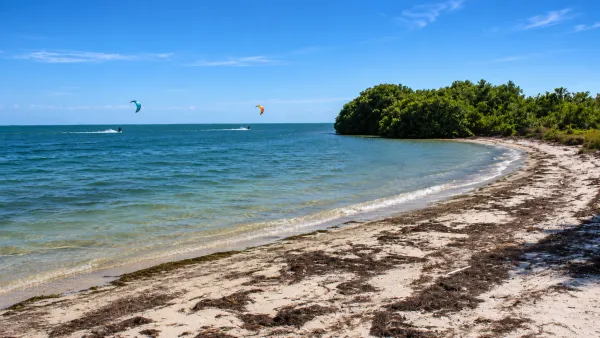
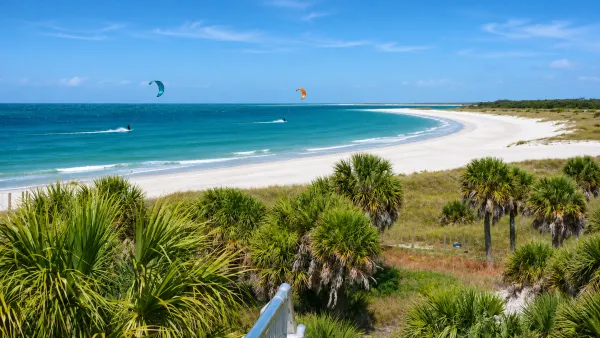
Islamorada is an established flat-water kitesurfing destination in the Upper Florida Keys, approximately halfway between Miami and Key West, Florida, United States. Rather than a single kiteboarding beach, Islamorada encompasses several riding areas characterised by extensive turquoise shallows, sandy and seagrass-covered flats, mangrove-lined shores and limited launching space. The two principal locations are Anne's Beach on Lower Matecumbe Key and Whale Harbor Marina, farther north on Upper Matecumbe Key. Both face the Atlantic side of the Florida Keys, where the offshore reef system and extensive shallow banks help reduce the influence of ocean swell. These conditions make Islamorada particularly attractive for flat-water freeriding, freestyle progression and light-wind cruising. However, unlike destinations with extensive sandy beaches, the limited space available for rigging, launching and landing represents one of the main technical challenges of kitesurfing in this part of Florida.
The most favourable kitesurfing season generally extends from November through May, when prevailing easterly and northeasterly winds combine with passing cold fronts to provide the most frequent riding opportunities. Wind speeds during favourable conditions commonly range from 12 to 20 knots, occasionally exceeding 25 knots during stronger frontal passages or sustained easterly weather patterns. Easterly, southeasterly and east-northeasterly winds generally provide suitable conditions, with southeasterly winds often delivering particularly clean airflow across the open water. Southerly winds can also offer enjoyable sessions, depending on the selected launching location. Northerly winds are more complicated, as nearby islands, mangroves and bridge structures can create turbulence and potentially offshore conditions. Westerly winds are generally unsuitable at Anne's Beach because they cross the island before reaching the riding area. Summer typically brings lighter and less predictable winds, high temperatures and an increased risk of thunderstorms. Careful weather monitoring is particularly important during the Atlantic hurricane season.
Water conditions around Islamorada are predominantly flat to lightly choppy, with extensive shallow areas extending considerable distances from the shoreline. At Anne's Beach, much of the riding area remains knee- to waist-deep under favourable tidal conditions, while deeper channels provide potential opportunities for hydrofoiling. Whale Harbor offers access to similarly extensive flats, although proximity to marina entrances and navigation channels introduces additional considerations. The seabed consists primarily of sand and seagrass, interspersed with harder limestone sections, shells and occasional coral formations. Tidal movements significantly influence riding conditions, with very low tides leaving some areas almost completely exposed or too shallow for conventional twin-tip riding. Higher water levels generally improve the available riding depth but can also reduce the already limited dry launching space. Freeride twin-tips, larger light-wind boards and hydrofoils are particularly suitable equipment choices, while dedicated wave riding is generally limited by the sheltered geography. Freestyle practice can be rewarding, provided riders select areas with sufficient water depth to avoid dangerous impacts with the seabed.
Anne's Beach is accessible directly from the Overseas Highway around mile marker 73.5, with public parking close to the shoreline. Its principal limitation is the narrow beach, which can become almost entirely submerged during high tide. Whale Harbor Marina, around mile marker 83, offers an alternative launching location on private property, where access may be subject to permission, fees or liability waivers. The grassy rigging area is relatively confined, with nearby palm trees and other obstacles restricting available space. At both locations, experienced riders may use assisted water-launching techniques when appropriate, rather than attempting conventional beach launches in restricted areas. Current access arrangements and kiteboarding permissions should always be confirmed before visiting. Although the shallow flats are attractive for learning, the demanding launching conditions make independent riding more suitable for intermediate and advanced kitesurfers. Water temperatures generally range between 22°C and 30°C throughout the year, allowing boardshorts and a rash guard for much of the season, with a shorty or lightweight wetsuit providing additional comfort during cooler winter sessions.
The principal hazards in Islamorada include extremely shallow water, hard limestone and coral formations, restricted launching space, tidal currents and nearby maritime traffic. Bridges, marina entrances, mangroves and palm trees can create additional obstacles or disturb the airflow, particularly when the wind crosses land. Riders should remain clear of navigation channels, swimmers and protected marine habitats, while avoiding jumping over shallow or unfamiliar sections of the flats. Careful coordination during launching and landing is essential, especially during busy weekends when the available space becomes increasingly limited. With its extensive turquoise shallows, seasonal easterly winds and distinctive coral-island geography, Islamorada offers some of the most attractive flat-water kitesurfing opportunities in the Florida Keys. Its greatest appeal lies in relaxed freeriding, technical progression and cruising across extensive tropical flats, provided riders carefully select their launching location according to wind direction, tide and available space.
Something missing or out of date at this spot? Suggest a correction
This spot does not have a photo gallery yet.
Kited here? Add the first photos (free account, one minute).
Islamorada is best suited for
Spot profile
- Travel spotA proven kite destination with reliable conditions, worth a trip. Kiters fly in from all over the world for their kite holidays, and you will probably find schools, rentals and a lively kite scene nearby.
- Family spotEasy to visit with family and friends. Facilities are close by and non-kiters have plenty to do while you are on the water, so everyone enjoys the day, whether they kite or not.
Equipment
Kite sizes in the range of 9 to 14 square metres are most practical in Islamorada, with 12-metre kites commonly needed for the regular 12 to 20 knot winds. Adjust your quiver based on rider weight and forecasted wind strength. In summer, water temperatures are high and no wetsuit is usually necessary; in winter, a shorty or thin spring suit is typically enough for comfort. Footwear is strongly advised—neoprene booties help protect against sharp coral, grass, and hard uneven patches across the shallow flats.
Wetsuit suggestion by month
- JanShorty23°
- FebShorts24°
- MarShorts25°
- AprShorts26°
- MayShorts29°
- JunShorts30°
- JulShorts31°
- AugShorts32°
- SepShorts31°
- OctShorts29°
- NovShorts27°
- DecShorts25°
- Shorty Shorty or neoprene top
- Shorts Boardshorts and lycra
Based on the average sea temperature of each month. A guide for an average rider: if you feel the cold, go one step warmer.
Wind Conditions
Main wind directions
Windy days per month
Share of the days with more than 10 knots.
Wind speed range
11 - 24 knots
Wind strength on rideable days
- 7-11 kn54%
- 12-16 kn34%
- 17-22 kn11%
- 23-28 kn1%
- 29+ kn0%
Share of the daytime hours with 7+ knots.
Calculate your kite size
Estimate for a rider of your weight at Islamorada: kite size = weight / wind speed x 2.2, adjusted for the kite shape and aspect ratio. Board, skills and gusts change the ideal size.
Month by month at Islamorada
| Metric | Jan | Feb | Mar | Apr | May | Jun | Jul | Aug | Sep | Oct | Nov | Dec |
|---|---|---|---|---|---|---|---|---|---|---|---|---|
| Wind | ||||||||||||
| Rideable daysdays | 28 | 24.5 | 29 | 28 | 23 | 24 | 23 | 22 | 19 | 26 | 26.5 | 27 |
| Usable windhours | 217 | 202 | 234 | 226 | 177 | 191 | 173 | 172 | 134 | 212 | 222 | 225 |
| Average gustsknots | 16 | 15 | 16 | 17 | 13 | 14 | 12 | 13 | 12 | 16 | 16 | 16 |
| Temperature | ||||||||||||
| Air°C | 22 | 23 | 24 | 25 | 27 | 28 | 29 | 29 | 29 | 27 | 25 | 24 |
| Sea°C | 23 | 24 | 25 | 26 | 29 | 30 | 31 | 32 | 31 | 29 | 27 | 25 |
| Weather and sea | ||||||||||||
| Sunshinehours / day | 9.6 | 10.4 | 10.9 | 12.1 | 12.4 | 11.1 | 11.9 | 11.6 | 10.4 | 10.1 | 9.5 | 9 |
| Rainmm | 44 | 45 | 53 | 50 | 56 | 205 | 97 | 131 | 149 | 117 | 58 | 71 |
| Rainy daysdays | 7.5 | 5 | 6 | 7.5 | 9.5 | 20.5 | 19 | 19 | 20.5 | 16 | 8.5 | 8.5 |
| Wave heightm | 0.6 | 0.7 | 0.7 | 0.7 | 0.5 | 0.5 | 0.5 | 0.5 | 0.4 | 0.6 | 0.7 | 0.7 |
Typical monthly averages over several years, based on weather data: local thermal winds are usually stronger than shown, and sea temperature and waves are a regional estimate. A rideable day has at least 3 hours of 7+ knots between 10:00 and 18:00, usable wind counts those hours, a rainy day has 1 mm or more.
Wind and climate statistics: Weather data by Open-Meteo.com (CC BY 4.0), based on ERA5 data of the Copernicus Climate Change Service. A typical year, not a forecast.
Forecast on Windy.com
Kitesurfing Safety & Local Rules at Islamorada
The main hazards at Islamorada, in the Florida Keys, are restricted launching areas, extremely shallow water and surrounding vegetation and infrastructure. Both Anne's Beach and Whale Harbor Marina offer limited rigging space, with mangroves, palm trees, roads and parking areas close to the shoreline. High tides can leave almost no dry sand for equipment preparation, while low tides expose extensive flats where falls and hard landings can result in serious injuries or equipment damage. The seabed consists of sand and seagrass interspersed with coral fragments and uneven, rocky patches, making protective footwear strongly recommended. Never fly a kite over roads, parked vehicles or picnic facilities, and ensure sufficient clearance from surrounding obstacles before launching.
Northerly winds can become particularly gusty and turbulent around bridges and mangroves, with potentially offshore conditions farther from the beach. Strong currents in deeper channels, especially south of Anne's Beach, can carry riders toward bridge pylons and complicate board recovery or self-rescue. Recreational boat traffic around marinas and navigation channels presents additional collision hazards. Thunderstorms and sudden squalls are also significant concerns, particularly from late spring through autumn, when weather conditions can deteriorate rapidly. Monitor weather forecasts and approaching storm systems, leave the water well before thunderstorms arrive and avoid entering deeper channels when wind conditions are unreliable.
Both locations are shared with swimmers, paddlers and other visitors, making responsible kite handling and generous safety distances essential. Maintain at least 300 feet (approximately 90 metres) of separation from non-kiters on the water as a conservative safety precaution, and avoid extending kite lines across public access routes or parking areas. Whale Harbor Marina is private property, and launching depends on the owner's permission and compliance with local access policies. Anne's Beach is also subject to recreational restrictions intended to protect visitors and the surrounding environment. Always verify current access regulations and posted signage before planning a session, respect sensitive mangrove and seagrass habitats and seek assistance from an experienced rider when launching or landing in confined areas.
How to reach Islamorada
- Closest cityKey Largo, Florida
- How to get thereDrive via U.S. Highway 1, also called the Overseas Highway. Islamorada lies along the only main road through the Florida Keys and is approximately 80 miles south of Miami International Airport by road, depending on the exact launch. A rental car is strongly recommended because Anne's Beach, Whale Harbor Marina, accommodation, groceries and restaurants are spread along several islands. The closest major airport is Miami International Airport; flights also serve Fort Lauderdale-Hollywood International Airport and, for limited regional service, Key West International Airport. From Miami, follow U.S. 1 south through Key Largo toward Lower Matecumbe Key and the Islamorada islands. Anne's Beach is around Mile Marker 73.5. Whale Harbor Marina is around 83413 Overseas Highway, near Mile Marker 83.
- AccessAnne's Beach is publicly accessible from Overseas Highway and has parking at the beach with an overflow area across the road, but parking and rigging space are limited. The park is regulated and operates from sunrise to sunset. The beach is popular with swimmers, kayakers and visitors, particularly on weekends and during the tourist season. Whale Harbor Marina is private rather than a public beach. Previous kiteboarding information reports a launch fee of approximately 10 US dollars per day and a waiver, but current terms should be confirmed directly with the marina before arrival. Launching there is at the marina's discretion, and access should never be assumed simply because the site is visible from the highway.
No-Wind Days: What to Do Around Islamorada
Islamorada, often referred to as the Village of Islands, is one of the most inviting destinations in the Florida Keys for those who enjoy spending their holidays close to the water. Stretching across several islands between Key Largo and Marathon, Islamorada combines tropical scenery, coral reefs, mangrove forests and a relaxed coastal lifestyle. Unlike many destinations in the Keys, where activities are concentrated around a particular attraction, Islamorada offers enough variety to keep the entire family entertained, making it particularly attractive for a kitesurfing holiday with non-kiting partners.
Known as the Sport Fishing Capital of the World, Islamorada has built much of its identity around recreational fishing. Numerous marinas offer offshore and backcountry fishing charters, with opportunities to catch tarpon, bonefish, permit, mahi-mahi and sailfish, depending on the season. Even visitors with little fishing experience can arrange guided excursions through the shallow waters of Florida Bay or venture into the Atlantic Ocean. A particularly entertaining stop is Robbie's Marina, where visitors can watch enormous tarpon gathering around the docks, browse small local shops or enjoy a meal overlooking the water.
The coral reefs offshore from Islamorada provide excellent opportunities for snorkelling and scuba diving. Alligator Reef, recognisable by its historic offshore lighthouse, is among the area's best-known underwater attractions, with colourful tropical fish and diverse marine life inhabiting the surrounding reef. Numerous local operators organise excursions suitable for different experience levels, including introductory diving sessions and family snorkelling trips. Those who prefer staying above the water can join sightseeing cruises, explore the coastline by boat or enjoy a sunset excursion across Florida Bay.
Kayaking and stand-up paddleboarding are particularly rewarding ways to discover the quieter side of Islamorada. The extensive network of mangrove islands, shallow lagoons and sheltered waterways creates a fascinating environment where visitors may encounter rays, sea turtles, manatees and numerous coastal birds. Indian Key Historic State Park, a small offshore island accessible by water, preserves the remains of a nineteenth-century settlement and offers an interesting combination of history and nature. Another worthwhile excursion is Lignumvitae Key Botanical State Park, which protects a rare tropical hardwood forest and provides a glimpse of the natural landscape that once covered much of the Florida Keys.
For families travelling with children, Founders Park on Plantation Key offers a sandy beach, picnic areas, playgrounds, walking paths and recreational facilities. It is worth remembering that the Florida Keys are not particularly famous for their extensive sandy beaches, despite their spectacular tropical waters, which makes places like Founders Park especially valuable for a traditional family beach outing. Another longstanding local attraction is Theater of the Sea, which features marine animals, tropical gardens and educational programmes. Visitors interested in more natural wildlife encounters can instead opt for guided ecological excursions through the surrounding marine environments.
Islamorada also has an interesting cultural side that is easily overlooked. The History of Diving Museum houses an extensive collection of historic diving helmets, underwater breathing equipment and other artefacts documenting humanity's fascination with exploring beneath the sea. The exhibitions trace the evolution of diving technology, making the museum particularly interesting for anyone passionate about watersports and marine exploration. Along the Overseas Highway, independent art galleries, small boutiques and local craft shops reflect the artistic character of the Keys. The Morada Way Arts and Cultural District is particularly worth exploring for its galleries and creative community.
Eating out is an enjoyable part of any visit to Islamorada. Waterfront restaurants serve freshly caught seafood, fish tacos, conch fritters, Caribbean-inspired dishes and seasonal Florida stone crab. Many establishments overlook either the Atlantic Ocean or Florida Bay, with the latter offering particularly beautiful sunset views. Accommodation ranges from small tropical inns and holiday apartments to waterfront resorts with swimming pools, private docks, hammocks and landscaped gardens. The relaxed atmosphere of the local tiki bars is an excellent way to end a day spent exploring the islands, preferably with a slice of traditional Key lime pie.
Islamorada's central position in the Upper Keys also makes it a convenient base for exploring other parts of the archipelago. Heading north towards Key Largo, visitors can discover additional diving and snorkelling opportunities at John Pennekamp Coral Reef State Park. Travelling south along the Overseas Highway takes visitors through Marathon and across the spectacular Seven Mile Bridge towards the Lower Keys. Key West, with its historic architecture, Ernest Hemingway Home, colourful streets and lively nightlife, is also reachable on a longer day trip. Having a rental car is highly recommended, as restaurants, attractions, beaches and accommodation are spread across several islands rather than concentrated around a pedestrian-friendly town centre.
What makes Islamorada particularly attractive for a family kitesurfing holiday is that a day without wind is hardly a wasted one. Between exploring coral reefs, paddling through mangrove forests, discovering the islands' maritime history and enjoying fresh seafood overlooking the bay, there is plenty to keep everyone occupied. For travellers looking to combine kitesurfing with a genuine Florida Keys experience, Islamorada offers a particularly enjoyable balance between tropical adventure and laid-back island living.
Riders of Islamorada
Who calls Islamorada home, who is planning a trip and who has ridden it. Add yourself to meet them.
Nobody calls it home yet
Make it my home spotNobody on the way yet
I want to goBe the first to ride it
I have been hereUpcoming at Islamorada
Sessions, downwinders and meetups planned by the riders of Islamorada. Going too? Join them.
No session planned yet. Going out soon? Post it: the riders who follow Islamorada get a notification.
Other kitesurfing spots near Islamorada
All kitesurfing spots in United States Of America
Last updated: