
Kitesurfing in Jupiter’s Kite Beach
Jupiter · United States Of America
Been here? Want to go? Add it to your kite spot lists.
Create a free account to save it- Spot type Wave
- Rider level intermediate
- Water Dark - Clear
- Beach Sand
- Crowd Seasonal crowd
- Tide effect Conditions vary
Kitesurfing in Jupiter’s Kite Beach: Conditions, Wind & Season
Jupiter Kite Beach, sometimes referred to as Juno Kite Beach, is a popular kitesurfing location along Florida's Atlantic coastline, in Palm Beach County, approximately 30 kilometres north of West Palm Beach and 140 kilometres north of Miami. Situated along the sandy shoreline between Jupiter and Juno Beach, the area offers open-ocean conditions, consistent seasonal breezes and excellent opportunities for freeriding, wave riding and jumping. Unlike the sheltered flat-water lagoons found elsewhere in Florida, Jupiter's exposed Atlantic coastline features rolling swell, wind-generated chop and breaking waves, making it particularly appealing to intermediate and advanced kitesurfers. The predominantly sandy seabed and extensive shoreline provide a relatively straightforward environment for experienced riders, although changing surf conditions and local beach access restrictions require careful attention.
The best kitesurfing season generally runs from November to April, when passing weather systems and prevailing easterly winds provide the most favourable conditions. During winter, northeasterly and easterly winds frequently deliver 15–25 knots, occasionally strengthening further as cold fronts move across South Florida. These systems can also generate larger Atlantic swells, creating energetic wave-riding conditions and excellent ramps for jumping. Spring often brings more moderate east-southeasterly and southeasterly breezes, producing enjoyable freeriding sessions with smaller, more manageable waves. During summer, winds become lighter and less consistent, with afternoon sea breezes occasionally providing 8–15 knots. Light-wind equipment and hydrofoils can extend the riding opportunities during these periods, although suitable water depth and sufficient wind for safe launching remain essential. Westerly winds are generally offshore along this coastline and should be avoided because of the increased risk of drifting away from shore.
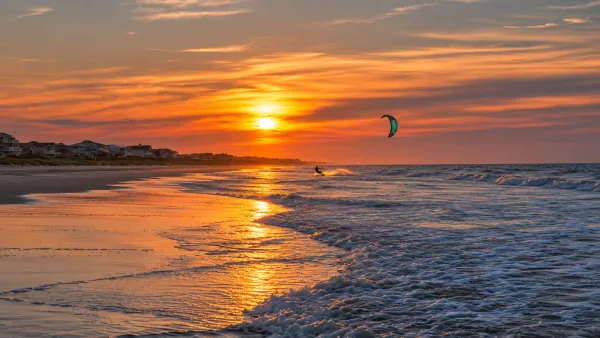
Water conditions at Jupiter Kite Beach are predominantly choppy with breaking Atlantic waves, ranging from small shorebreak during calmer weather to overhead surf when stronger swell arrives. The sandy seabed is relatively forgiving compared with rocky or reef-based wave spots, but the beach profile can deepen quickly beyond the breaking waves. During moderate easterly winds and smaller swells, the spot provides enjoyable conditions for freeriding, carving turns and practising wave timing. Stronger northeasterly winds combined with Atlantic swell can produce more demanding surf, particularly for riders using directional boards. Tidal changes influence wave shape, shorebreak intensity and the available launching space. Lower tides may expose a broader section of beach, while higher tides can bring breaking waves closer to the shoreline and reduce the room available for launching and landing. A freeride twin-tip is suitable for general cruising and jumping, while a directional surfboard is particularly rewarding during organised wave conditions.
Access is generally available through public beach entrances along State Road A1A, with roadside or designated parking areas near several numbered beach access points. However, kitesurfing is not necessarily permitted at every public beach entrance, and riders should confirm current local regulations and approved launching locations before setting up equipment. The sandy shoreline provides convenient rigging space where permitted, although dunes, fencing, pedestrians and other beach users can restrict the available launching corridor. Jupiter Kite Beach is best suited to intermediate and advanced kitesurfers with reliable upwind ability and experience managing shorebreak and changing ocean conditions. During stronger winter winds, kite sizes around 7–10 m² are commonly suitable depending on rider weight, while larger 12–15 m² kites or hydrofoils may be useful during lighter spring and summer sessions. Water temperatures are generally warm, allowing boardshorts or a rash guard during summer, while a 3/2 mm wetsuit is often advisable during cooler winter conditions.
The main hazards include powerful shorebreak, changing Atlantic swell, offshore winds, rip currents and congestion around popular launching areas. Strong cold fronts can produce rapidly increasing wind speeds and rougher seas, while summer thunderstorms may bring sudden gusts, lightning and dangerous wind shifts. Riders should avoid launching in offshore conditions, maintain adequate separation from swimmers and surfers, and respect any designated beach access restrictions. Particular care is needed during high tide or larger swells, when the available sandy launching area may become significantly narrower. Despite these challenges, Jupiter Kite Beach remains an appealing destination for kitesurfing in South Florida, offering a rewarding combination of seasonal Atlantic winds, sandy beach access and varied wave conditions. Its strongest appeal lies in winter and spring, when reliable breezes and rolling ocean swell create excellent opportunities for experienced freeriders and wave enthusiasts.
Something missing or out of date at this spot? Suggest a correction
This spot does not have a photo gallery yet.
Kited here? Add the first photos (free account, one minute).
Jupiter’s Kite Beach is best suited for
Spot profile
- Travel spotA proven kite destination with reliable conditions, worth a trip. Kiters fly in from all over the world for their kite holidays, and you will probably find schools, rentals and a lively kite scene nearby.
- Local spotNot worth a long trip, but a great option if you live nearby and the wind is on. Ideal for a quick session after work or a spare afternoon, without planning a whole trip.
Equipment
Kite sizes vary seasonally due to the wide wind range; in winter with 10 to 25 knots, most riders choose 7-12m kites and bring a smaller surfboard for wave days or a twin-tip for windier, choppier sessions. In lighter summer wind (8-15 knots), larger kites and hydrofoils work best and allow sessions when most other gear stays dry. Wetsuits are typically 3/2mm in winter for added warmth, while spring and fall generally see shorties or light neoprene tops; summer is boardshorts and Lycra, as the water and air are warm. As the beach is sandy and the bottom remains free of obstructions, booties are optional but some use thin pairs for comfort in heavy shore break or colder snaps.
Wind Conditions
Main wind directions
Windy days per month
Share of the days with more than 10 knots.
Wind speed range
10 - 18 knots
Wind strength on rideable days
- 7-11 kn82%
- 12-16 kn17%
- 17-22 kn1%
- 23-28 kn0%
- 29+ kn0%
Share of the daytime hours with 7+ knots.
Calculate your kite size
Estimate for a rider of your weight at Jupiter’s Kite Beach: kite size = weight / wind speed x 2.2, adjusted for the kite shape and aspect ratio. Board, skills and gusts change the ideal size.
Month by month at Jupiter’s Kite Beach
| Metric | Jan | Feb | Mar | Apr | May | Jun | Jul | Aug | Sep | Oct | Nov | Dec |
|---|---|---|---|---|---|---|---|---|---|---|---|---|
| Wind | ||||||||||||
| Rideable daysdays | 22.5 | 23.5 | 26.5 | 27 | 24 | 18.5 | 15 | 16 | 10.5 | 21.5 | 20.5 | 21 |
| Usable windhours | 170 | 172 | 205 | 204 | 171 | 131 | 94 | 116 | 68 | 164 | 155 | 159 |
| Average gustsknots | 18 | 19 | 21 | 21 | 19 | 17 | 15 | 16 | 14 | 18 | 18 | 17 |
| Temperature | ||||||||||||
| Air°C | 21 | 24 | 25 | 26 | 28 | 29 | 30 | 30 | 29 | 27 | 25 | 23 |
| Sea°C | 23 | 24 | 24 | 25 | 27 | 28 | 29 | 30 | 30 | 28 | 27 | 25 |
| Weather and sea | ||||||||||||
| Sunshinehours / day | 8.3 | 9.9 | 10.3 | 11.4 | 12.1 | 10.6 | 11.3 | 11.1 | 9.7 | 9.7 | 8.7 | 8.5 |
| Rainmm | 49 | 64 | 61 | 101 | 79 | 209 | 162 | 169 | 254 | 141 | 92 | 58 |
| Rainy daysdays | 9.5 | 9.5 | 10 | 12 | 15 | 24 | 24.5 | 25 | 25 | 16 | 10 | 10.5 |
| Wave heightm | 1.2 | 1.1 | 1.2 | 1.1 | 0.8 | 0.6 | 0.5 | 0.7 | 1 | 1.3 | 1.3 | 1.2 |
Typical monthly averages over several years, based on weather data: local thermal winds are usually stronger than shown, and sea temperature and waves are a regional estimate. A rideable day has at least 3 hours of 7+ knots between 10:00 and 18:00, usable wind counts those hours, a rainy day has 1 mm or more.
Forecast on Windy.com
Kitesurfing Safety & Local Rules at Jupiter’s Kite Beach
The main hazards at Jupiter's Kite Beach, on Florida's Atlantic coast, are powerful shorebreak, rapidly changing ocean conditions and limited launching space at high tide. Steep, breaking waves can develop even during otherwise moderate conditions, making water entry, kite relaunching and returning to shore particularly challenging. Shorebreak intensity varies with wind direction, swell and tidal conditions, and heavy waves may cause hard falls or damage equipment close to the beach. During winter cold fronts or approaching tropical weather systems, wind strength and wave energy can increase rapidly, creating rough, unpredictable surf. Check updated forecasts, observe the shorebreak before launching and avoid entering the water when conditions exceed your abilities.
Westerly and west-southwesterly winds are particularly hazardous at Jupiter because they are generally offshore or gusty, increasing the risk of drifting away from shore or losing kite control. Sudden gusts associated with approaching weather fronts can also overpower riders, especially during jumps, launching or landing. Strong tidal exchanges and larger swells may generate rip currents near coastal inlets, making board recovery and returning to shore more difficult. Although the predominantly sandy seabed reduces the risk of striking rocks or reef, powerful shorebreak and strong currents remain significant concerns. Avoid offshore wind directions, maintain sufficient distance from inlet currents and ensure you have reliable self-rescue skills before riding in challenging conditions.
Jupiter's Kite Beach can become crowded during popular wind sessions, particularly around the main beach access stairways and launching corridors. At high tide, reduced beach width increases the risk of tangled lines, collisions and accidental kite drops near other riders or beachgoers. Walkers, swimmers and families also use the public shoreline, making careful rigging and generous downwind clearance essential. Keep access routes clear, avoid launching close to bystanders and never leave kite lines spread across busy pedestrian areas. Use a properly functioning safety leash, respect local launching etiquette and verify any posted beach restrictions before riding. Good spatial awareness and conservative decisions are especially important when strong winds, heavy shorebreak and limited launching space occur together.
How to reach Jupiter’s Kite Beach
- Closest cityJupiter, Florida
- How to get thereThe closest major airport is Palm Beach International Airport, around 25 minutes away by car. From the airport, head north along the coastal routes towards Jupiter Beach, following A1A and using the numbered beach access points to reach the shoreline. Parking is available along A1A, though the prime spaces near the access stairs fill up quickly on windy days. Most visitors rent a car or arrive by road trip, making transport with kitesurf gear straightforward.
- AccessPublic access is through A1A and numbered beach stairways, with marker 33 a well-known kiting entry. No permit, waiver, or special certification is needed, and the beach is open for kitesurfing at all tide states. Parking is road-side; spaces close to the main stairs fill rapidly in busy weather. Riders are expected to share launch space and organize gear to keep set-up zones clear for all users, especially on crowded weekends.
No-Wind Days: What to Do Around Jupiter’s Kite Beach
Jupiter is one of South Florida's most attractive coastal towns, located in northern Palm Beach County, where the Loxahatchee River meets the Atlantic Ocean. Known for its beautiful beaches, historic lighthouse, tropical waterways and relaxed seaside atmosphere, Jupiter offers a refreshing alternative to the busier resorts farther south. Its combination of nature reserves, waterfront restaurants, boating activities and easy access to nearby attractions makes it particularly appealing for families, couples and non-kiting partners looking to enjoy a Florida beach holiday beyond kitesurfing.
Jupiter's Atlantic coastline is one of its greatest attractions, with long stretches of golden sand, rolling waves and beautiful natural scenery. Jupiter Beach and nearby Juno Beach are popular for walking, jogging, swimming, surfing and simply relaxing beside the ocean. The beaches are also important nesting habitats for sea turtles, particularly loggerheads, which come ashore during the warmer months. Visitors may encounter marked nesting areas and should respect conservation restrictions, avoid disturbing nests and keep beaches free of litter. Swimming conditions vary with waves and currents, so families should follow lifeguard advice and pay attention to local beach safety warnings.
The Jupiter Inlet Lighthouse is one of the town's most recognisable landmarks, standing above the entrance to the Loxahatchee River with its distinctive red tower. Visitors can explore the historic grounds, discover the area's maritime heritage and, when tours are available, climb the lighthouse for panoramic views across the Atlantic Ocean, Jupiter Inlet and surrounding waterways. The adjacent natural areas offer opportunities for short walks, photography and learning about the region's coastal environment. The lighthouse is particularly beautiful when viewed from the waterfront, where boats pass between the inlet and the open ocean.
The Loxahatchee River provides a completely different experience from the Atlantic beaches, with peaceful waterways, mangrove shorelines and lush subtropical vegetation. Kayaking and stand-up paddleboarding are popular ways to explore its quieter sections, while guided boat excursions offer opportunities to discover the river's wildlife and natural scenery. The nearby Jonathan Dickinson State Park protects an extensive landscape of pine flatwoods, wetlands and river habitats, with hiking, cycling, kayaking and wildlife observation among its main attractions. Visitors may encounter turtles, wading birds and other native wildlife, although sightings are never guaranteed. The park is especially rewarding for families and nature lovers looking for a peaceful day away from the beach.
Dubois Park and Jupiter Beach Park are among the area's most enjoyable waterfront destinations, offering scenic views of the inlet, picnic areas and places to relax beside the water. Dubois Park is particularly popular with families because of its protected swimming lagoon, although water quality, tides and currents should always be checked before entering. Nearby Carlin Park offers additional beach access, recreational facilities and walking areas, making it convenient for a relaxed afternoon outdoors. The combination of ocean beaches, riverfront parks and sheltered waterways gives Jupiter an appealing variety of coastal environments within a relatively small area.
Jupiter also has a lively selection of waterfront restaurants, seafood establishments, casual cafés and local breweries. Fresh fish, shrimp, Florida-style seafood dishes and tropical-inspired cuisine are among the regional highlights, while several restaurants overlooking the Jupiter Inlet provide beautiful views of passing boats and the historic lighthouse. The town's relaxed atmosphere makes it easy to enjoy a leisurely lunch or sunset dinner without the formality of larger resort destinations. Nearby shopping areas, farmers markets and independent boutiques offer additional opportunities for exploring local products and enjoying South Florida's laid-back lifestyle.
For visitors interested in exploring farther afield, Juno Beach is home to the Loggerhead Marinelife Center, a well-known marine conservation and education facility dedicated to sea turtles and ocean protection. The centre offers educational exhibits and opportunities to learn about the rehabilitation of injured sea turtles, making it particularly appealing for families. Farther south, West Palm Beach offers museums, galleries, shopping districts and a lively waterfront, while Palm Beach is known for its historic architecture, elegant streets and beautiful Atlantic coastline. To the north, Hobe Sound and the surrounding protected natural areas provide quieter beaches, scenic coastal drives and opportunities for hiking and wildlife photography.
Accommodation around Jupiter ranges from affordable hotels and guesthouses to beachfront condominiums, holiday rentals and upscale waterfront resorts. Supermarkets, pharmacies, restaurants and other essential services are readily available, making the town convenient for both short visits and extended stays. Palm Beach International Airport is the closest major airport, generally around 25–35 minutes away by car, depending on traffic, while Fort Lauderdale and Miami offer additional international connections. A rental car is recommended for exploring the beaches, nature reserves and surrounding towns, as attractions are spread across the region. Visitors should also be aware of seasonal heat, thunderstorms and the Atlantic hurricane season, particularly when planning summer or early autumn trips.
With its beautiful Atlantic beaches, historic lighthouse, peaceful waterways and excellent access to South Florida's natural attractions, Jupiter offers plenty to enjoy beyond kitesurfing. Whether kayaking along the Loxahatchee River, exploring Jonathan Dickinson State Park, discovering marine conservation at Juno Beach or enjoying fresh seafood overlooking Jupiter Inlet, visitors will find an appealing combination of outdoor adventure and coastal relaxation. Its comfortable facilities and welcoming atmosphere make Jupiter an excellent choice for a family kitesurfing holiday or a longer Florida escape with non-kiting partners.
Other kitesurfing spots near Jupiter’s Kite Beach




All kitesurfing spots in United States Of America
Last updated: