
Kitesurfing in Tigertail Beach
Marco Island · United States Of America
Been here? Want to go? Add it to your kite spot lists.
Create a free account to save it- Spot type Flat
- Rider level intermediate
- Water Dark - Clear
- Beach Sand
- Crowd Seasonal crowd
- Tide effect Conditions vary
Kitesurfing in Tigertail Beach: Conditions, Wind & Season
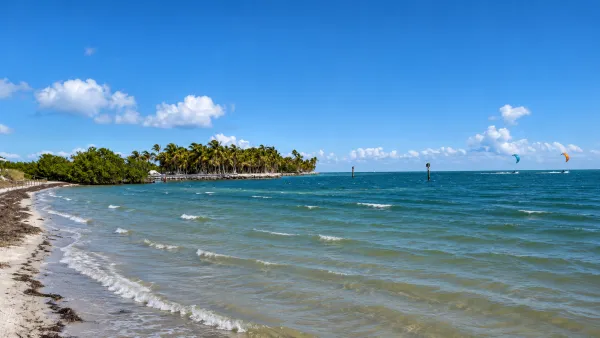
Tigertail Beach is one of the more unusual kitesurfing locations on Florida's Gulf Coast, situated at the northern end of Marco Island, south of Naples in southwest Florida, United States. The spot is characterised by an extensive sandy spit separating the sheltered waters of Tigertail Lagoon from the open Gulf of Mexico, offering two distinctly different riding environments within a relatively small area. On one side, the lagoon provides shallow, protected water with minimal wave action, while the Gulf-facing shoreline offers more exposed conditions with wind-generated chop and occasional breaking waves. However, reaching the main riding area requires considerably more effort than at a conventional beach launch. From the public parking area, riders must carry their equipment across or around the lagoon, negotiating soft muddy sections, variable water depths and a potentially lengthy walk along the sand. This unusual access, combined with shifting winds and environmentally protected areas, makes Tigertail Beach more suitable for self-sufficient intermediate and advanced kitesurfers than for complete beginners.
The most favourable kitesurfing season generally extends from October through May, when passing cold fronts provide the strongest and most frequent winds along Florida's southwest coastline. Westerly, west-southwesterly, west-northwesterly and northwesterly winds are particularly relevant, although their suitability depends on whether riders choose the lagoon or Gulf-facing side of the spit. Westerly winds generally provide more direct exposure along the Gulf shoreline, while the same directions can create offshore or side-offshore conditions in parts of the sheltered lagoon. This difference is important when selecting a safe launching area and planning a return route. During favourable weather systems, wind speeds commonly range from approximately 12 to 25 knots, with stronger frontal passages occasionally producing more demanding conditions. Local afternoon sea breezes can provide additional riding opportunities, particularly during warmer periods, although they are generally less dependable than the winter frontal winds. Summer tends to be lighter and more variable, with frequent thunderstorms and prolonged periods unsuitable for kitesurfing. Medium-sized freeride kites are commonly appropriate during moderate conditions, while larger light-wind equipment or smaller kites may be necessary depending on the strength of the forecast wind.
Water conditions vary considerably between the lagoon and the Gulf of Mexico. The sheltered lagoon offers predominantly flat water, making it attractive for relaxed freeriding, practising transitions and improving basic board control. However, its shallow sections, soft muddy seabed and nearby mangroves require careful navigation, particularly when wind directions are offshore relative to the available launching area. Water depth changes significantly with the tide, and some sections may become too shallow for safe jumping or even conventional twin-tip riding. On the Gulf-facing side, the sandy seabed generally slopes more gradually into deeper water, with small waves and wind-driven chop becoming more noticeable during stronger frontal conditions. This area is better suited to riders comfortable with open-water freeriding, shorebreak and occasional surf. Hydrofoiling may be possible in sufficiently deep Gulf waters, although the shallow lagoon and complicated equipment access make the spot less convenient for foil riders. Tigertail Beach is primarily a freeride destination rather than a dedicated big-air or wakestyle location, with the opportunity to choose between flatter sheltered water and more exposed Gulf conditions according to the prevailing wind.
Access begins at Tigertail Beach Park on Marco Island, where public parking and basic beach facilities are available. The principal inconvenience is the journey from the parking area to the outer sand spit, which can involve carrying equipment for approximately 1.5 kilometres depending on the selected route and the changing configuration of the shoreline. Crossing the lagoon may be possible at lower water levels, although the muddy bottom can make walking difficult even when the water is relatively shallow. At higher tides, sections of the crossing may become too deep for comfortable wading, making the longer route around the lagoon preferable. Riders should inspect current conditions before committing to the crossing, particularly when carrying several kites, boards or hydrofoil equipment. Once on the outer spit, sandy sections may provide adequate room for rigging, but available space varies with the tide, beach erosion and the presence of other visitors. Much of the surrounding lagoon, mudflats and sandbar environment supports sensitive wildlife habitats, including protected nesting and resting areas for shorebirds. Kiteboarding must remain outside posted closures, roped-off sections and designated wildlife protection zones, and current access restrictions should always be checked before launching.
The principal hazards at Tigertail Beach include offshore winds in the lagoon, shallow muddy sections, mangroves, tidal changes, exposed Gulf shorebreak and the considerable distance between the launching area and the parking facilities. Riders should pay particular attention to the direction of the wind relative to each side of the spit, as apparently sheltered water can become problematic when returning to shore is difficult. Strong frontal winds may arrive with sudden gusts and changing directions, while low water levels can expose sandbars and submerged obstacles that increase the risk of injury during jumps or unsuccessful manoeuvres. Wildlife protection boundaries, fishing activity and other beach users create additional restrictions that must be respected. The remote character of the outer spit also makes independent self-rescue skills especially important, since assistance may not be immediately available. With its contrasting lagoon and Gulf riding environments, Tigertail Beach offers an interesting alternative to the more conventional kitesurfing locations around Naples and Marco Island. Its greatest appeal lies in relaxed flat-water freeriding and the possibility of switching to more exposed Gulf conditions, provided riders are prepared for the demanding access, variable tides and environmental restrictions that define this distinctive Florida kitesurfing spot.
Something missing or out of date at this spot? Suggest a correction
This spot does not have a photo gallery yet.
Kited here? Add the first photos (free account, one minute).
Tigertail Beach is best suited for
Spot profile
- Travel spotA proven kite destination with reliable conditions, worth a trip. Kiters fly in from all over the world for their kite holidays, and you will probably find schools, rentals and a lively kite scene nearby.
- Family spotEasy to visit with family and friends. Facilities are close by and non-kiters have plenty to do while you are on the water, so everyone enjoys the day, whether they kite or not.
- Local spotNot worth a long trip, but a great option if you live nearby and the wind is on. Ideal for a quick session after work or a spare afternoon, without planning a whole trip.
Equipment
A typical kite quiver is 9 to 14 square metres for most sessions, with a larger 14 to 17 square metre kite often needed on lighter days, and a smaller 7 to 10 square metre kite recommended in strong frontal winds. Use a freeride or twin-tip board for both lagoon and Gulf chop sessions, and consider bringing a large-volume board or foil for light wind, though bulky gear is challenging on the long approach. Wear a 3/2 mm full wetsuit from late fall through winter, while a shorty, spring suit, or boardshorts are sufficient in spring and summer. Booties can make the muddy, soft-bottomed lagoon crossing more comfortable, and all equipment should be easy to carry for about a mile.
Wetsuit suggestion by month
- Jan3/220°
- FebShorty22°
- MarShorty24°
- AprShorts26°
- MayShorts29°
- JunShorts30°
- JulShorts31°
- AugShorts32°
- SepShorts31°
- OctShorts28°
- NovShorts24°
- DecShorty22°
- 3/2 3/2 mm
- Shorty Shorty or neoprene top
- Shorts Boardshorts and lycra
Based on the average sea temperature of each month. A guide for an average rider: if you feel the cold, go one step warmer.
Wind Conditions
Main wind directions
Windy days per month
Share of the days with more than 10 knots.
Wind speed range
10 - 19 knots
Wind strength on rideable days
- 7-11 kn84%
- 12-16 kn14%
- 17-22 kn2%
- 23-28 kn0%
- 29+ kn0%
Share of the daytime hours with 7+ knots.
Calculate your kite size
Estimate for a rider of your weight at Tigertail Beach: kite size = weight / wind speed x 2.2, adjusted for the kite shape and aspect ratio. Board, skills and gusts change the ideal size.
Month by month at Tigertail Beach
| Metric | Jan | Feb | Mar | Apr | May | Jun | Jul | Aug | Sep | Oct | Nov | Dec |
|---|---|---|---|---|---|---|---|---|---|---|---|---|
| Wind | ||||||||||||
| Rideable daysdays | 23 | 20.5 | 26 | 26 | 21.5 | 13 | 8 | 10.5 | 9 | 17 | 19 | 19 |
| Usable windhours | 162 | 148 | 192 | 177 | 150 | 91 | 56 | 68 | 58 | 128 | 132 | 133 |
| Average gustsknots | 17 | 18 | 20 | 20 | 18 | 16 | 14 | 15 | 15 | 17 | 16 | 16 |
| Temperature | ||||||||||||
| Air°C | 21 | 23 | 25 | 27 | 29 | 29 | 30 | 30 | 29 | 28 | 25 | 23 |
| Sea°C | 20 | 22 | 24 | 26 | 29 | 30 | 31 | 32 | 31 | 28 | 24 | 22 |
| Weather and sea | ||||||||||||
| Sunshinehours / day | 8.9 | 10.2 | 10.8 | 12.1 | 12.6 | 11.1 | 11.2 | 10.8 | 10 | 10 | 9.5 | 8.9 |
| Rainmm | 40 | 38 | 65 | 60 | 60 | 244 | 144 | 185 | 182 | 91 | 51 | 52 |
| Rainy daysdays | 8 | 6 | 6.5 | 9.5 | 11 | 23 | 25 | 25.5 | 21.5 | 12.5 | 7.5 | 6 |
| Wave heightm | 0.4 | 0.4 | 0.4 | 0.4 | 0.3 | 0.3 | 0.2 | 0.3 | 0.3 | 0.3 | 0.3 | 0.3 |
Typical monthly averages over several years, based on weather data: local thermal winds are usually stronger than shown, and sea temperature and waves are a regional estimate. A rideable day has at least 3 hours of 7+ knots between 10:00 and 18:00, usable wind counts those hours, a rainy day has 1 mm or more.
Wind and climate statistics: Weather data by Open-Meteo.com (CC BY 4.0), based on ERA5 data of the Copernicus Climate Change Service. A typical year, not a forecast.
Forecast on Windy.com
Kitesurfing Safety & Local Rules at Tigertail Beach
The main hazards at Tigertail Beach, on Marco Island along Florida's Gulf Coast, are difficult access to the launching area, changing tidal conditions and extensive environmentally protected zones. Reaching the practical launch may require a long walk from the parking area while carrying bulky equipment, often in hot and humid conditions. Crossing the lagoon can become particularly demanding at high tide, when deeper water and soft, muddy sections make footing slippery and unpredictable. Riders should carefully assess the crossing before carrying inflated kites or other equipment through the water. The lagoon immediately beside the parking area is off-limits to kitesurfing, while the protected Big Marco Pass mudflats must also be avoided. Pay close attention to posted boundaries, wildlife protection signs and temporary closures around sensitive bird nesting habitats.
Wind conditions at Tigertail Beach can create additional risks, particularly within the lagoon, where offshore or side-offshore winds may produce smooth water but make returning to the launching area difficult following equipment failure. Riders unable to maintain their position may drift towards mangroves, shoreline obstacles or restricted environmental areas. Passing cold fronts can generate sudden gusts, wind shifts and unpredictable lulls, complicating kite control during launching and landing. Along the exposed Gulf shoreline, stronger winds and storm-driven swells can produce challenging shorebreak, breaking waves and potentially dangerous rip currents. Avoid launching in confined areas during unstable conditions, maintain sufficient clearance from vegetation and ensure you have reliable self-rescue skills before riding in offshore winds.
Tigertail Beach is an important recreational and wildlife conservation area where access restrictions must be respected at all times. Kitesurfing is not permitted within designated swimming areas or protected habitats, and temporary closures may be introduced during bird nesting seasons. Stakes, ropes and warning signs mark sensitive sections that must not be crossed, even when the beach appears empty. Crowds during weekends and holidays can further restrict safe rigging and launching space, increasing the risk of collisions with swimmers and other visitors. Dogs are prohibited within the park, while operating hours, parking arrangements and access regulations may change. Always check current signage and local advisories before visiting, maintain generous separation from beachgoers and wildlife, and avoid entering unfamiliar tidal channels or restricted areas.
How to reach Tigertail Beach
- Closest cityMarco Island, Florida
- How to get thereDrive to Tigertail Beach Park at approximately 430 Hernando Drive, Marco Island, Florida. From Naples, take Collier Boulevard south onto Marco Island, then follow local roads toward Hernando Drive and Tigertail Beach. From Interstate 75, use the Marco Island exit and allow roughly 30 to 45 minutes depending on traffic. The nearest commercial airport is Southwest Florida International Airport in Fort Myers, approximately 50 to 60 miles away by road; renting a car is the most practical option because carrying kite equipment and reaching the beach access are difficult without one. Park at Tigertail Beach Park, then walk or wade across the lagoon toward the southern end of the beach and continue to the second lagoon and spit launch. The route is roughly one mile and becomes longer if avoiding the water at high tide.
- AccessTigertail Beach Park is publicly accessible year-round from 8:00 a.m. until sunset. Non-residents without a Collier County beach parking permit pay approximately 10 US dollars for parking according to the available 2026 information. Access requires parking at the public beach park and walking or wading to the kite area; there is no convenient vehicle access to the spit. The first lagoon is not a legal launch area, and posted bird zones and closed mudflats must be avoided. Check signs at the entrance because parking prices, operating rules and wildlife restrictions can change.
No-Wind Days: What to Do Around Tigertail Beach
Tigertail Beach, located on the northwestern coast of Marco Island in Southwest Florida, is one of the most interesting natural beaches along the Gulf of Mexico. Unlike the more developed resort beaches farther south, Tigertail combines a broad white-sand shoreline with a shallow coastal lagoon, mangrove habitats and an extraordinary variety of birdlife. Its location within the beautiful Ten Thousand Islands region makes it particularly attractive for nature lovers, families and visitors looking for a quieter side of Florida. With Marco Island's restaurants, accommodation and recreational services only a short distance away, Tigertail Beach offers an appealing combination of natural beauty and holiday convenience.
The beach itself is undoubtedly the main attraction, although reaching the open Gulf shoreline can be a small adventure. From the park entrance, visitors encounter a shallow lagoon separating the developed access area from the outer beach and sand spit. Depending on tides and changing coastal conditions, reaching the Gulf side may involve wading through the lagoon or following a longer route around it. The lagoon bottom can be muddy and slippery, and water depths may change considerably, so appropriate footwear and attention to local conditions are advisable. Once on the outer beach, visitors are rewarded with an extensive stretch of pale sand, beautiful Gulf views and plenty of opportunities for walking, sunbathing and relaxing away from the busier resort areas.
Tigertail Beach is particularly famous for shell collecting, one of the most popular activities along Southwest Florida's Gulf Coast. Changing tides and coastal currents regularly deposit shells along the shoreline, attracting visitors who enjoy searching for interesting shapes, colours and species. Early mornings and periods following suitable tidal conditions can be especially rewarding. Beachcombing is also an excellent way to explore the outer sand spit, where the landscape changes with storms, erosion and natural sediment movement. Visitors should avoid collecting live shells or disturbing protected wildlife, and swimming should only be attempted when surf, currents and other local conditions are suitable.
The lagoon and surrounding mangrove environments provide excellent opportunities for kayaking, stand-up paddleboarding and wildlife observation. Paddling through the sheltered waters allows visitors to appreciate the island's coastal ecology from a completely different perspective, with opportunities to encounter herons, egrets, pelicans and other wading birds. Tigertail is particularly interesting for birdwatchers because its tidal flats and sandy shoreline attract numerous migratory shorebirds throughout the year. Guided ecological excursions and equipment rentals may be available through local operators, although services and access conditions should be checked before visiting. The quiet waterways also offer excellent opportunities for nature photography, especially during the softer light of early morning and late afternoon.
Marco Island itself offers a pleasant mixture of tropical resort atmosphere and relaxed coastal living. The island features numerous restaurants, cafés, waterfront dining establishments and small shopping areas, with fresh seafood playing an important role in the local cuisine. Visitors can explore the marina districts, enjoy a leisurely bicycle ride through residential neighbourhoods or spend an afternoon relaxing at one of the island's other Gulf-facing beaches. South Marco Beach provides another popular access point to the shoreline, while local boat operators offer sightseeing cruises, fishing excursions and dolphin-watching trips. Sunset cruises are particularly enjoyable, with the Gulf of Mexico providing a beautiful backdrop as the sun disappears beyond the horizon.
One of the greatest attractions of the surrounding region is the Ten Thousand Islands, an extensive network of mangrove islands, tidal channels and shallow coastal waters extending south towards the Everglades. Despite its name, the area is not a conventional tropical archipelago but a remarkable estuarine landscape shaped by tides, sediment and mangrove growth. Guided boat tours and kayaking excursions provide opportunities to explore remote waterways, observe dolphins and coastal birds, and discover the extraordinary biodiversity of Southwest Florida. Nearby, Rookery Bay National Estuarine Research Reserve offers educational exhibits, nature programmes and opportunities to learn about the importance of mangrove forests, seagrass habitats and coastal conservation.
Naples, approximately half an hour north of Marco Island under normal traffic conditions, provides a wider range of cultural attractions, shopping and entertainment. Its historic downtown districts, particularly Fifth Avenue South and Third Street South, are known for their restaurants, boutiques, galleries and attractive streetscapes. The Naples Botanical Garden is another excellent destination, featuring beautifully landscaped tropical gardens and plant collections from different regions of the world. Families may also enjoy the area's museums, parks and waterfront attractions. For visitors interested in more adventurous excursions, the nearby Everglades and Big Cypress regions offer opportunities for wildlife observation, guided nature walks and boat tours through some of Florida's most distinctive wetland landscapes.
Accommodation on Marco Island ranges from large beachfront resorts and family-oriented hotels to private holiday apartments, condominium rentals and waterfront properties. Restaurants, supermarkets, pharmacies and essential services are readily available, making the island suitable for longer stays. A rental car is particularly useful for exploring the surrounding region, especially for excursions to Naples, Rookery Bay and the Everglades. Parking at Tigertail Beach can become busy during weekends, holidays and the winter tourist season, so arriving early is generally advisable. Visitors should also bring sufficient drinking water, sun protection and suitable footwear when planning to explore the outer beach, as the distance from the parking area can be greater than it initially appears.
Tigertail Beach offers an excellent combination of natural coastal scenery, outdoor recreation and the comforts of a well-developed holiday destination. Whether collecting shells along the Gulf shoreline, paddling through the lagoon, observing migratory birds or exploring the mangrove islands of Southwest Florida, there is plenty to enjoy when the wind disappears. For families and non-kiting partners, the combination of Marco Island's relaxed atmosphere, fascinating wildlife and easy access to Naples and the Everglades makes Tigertail Beach a particularly rewarding destination for a Florida kitesurfing holiday.
Riders of Tigertail Beach
Who calls Tigertail Beach home, who is planning a trip and who has ridden it. Add yourself to meet them.
Nobody calls it home yet
Make it my home spotNobody on the way yet
I want to goBe the first to ride it
I have been hereUpcoming at Tigertail Beach
Sessions, downwinders and meetups planned by the riders of Tigertail Beach. Going too? Join them.
No session planned yet. Going out soon? Post it: the riders who follow Tigertail Beach get a notification.
Other kitesurfing spots near Tigertail Beach
All kitesurfing spots in United States Of America
Last updated: