
Kitesurfing in Marathon Florida Keys
Marathon · United States Of America
Been here? Want to go? Add it to your kite spot lists.
Create a free account to save it- Spot type Flat
- Rider level beginner
- Water Dark - Clear
- Beach Sand
- Crowd Seasonal crowd
- Tide effect Conditions vary
Kitesurfing in Marathon Florida Keys: Conditions, Wind & Season
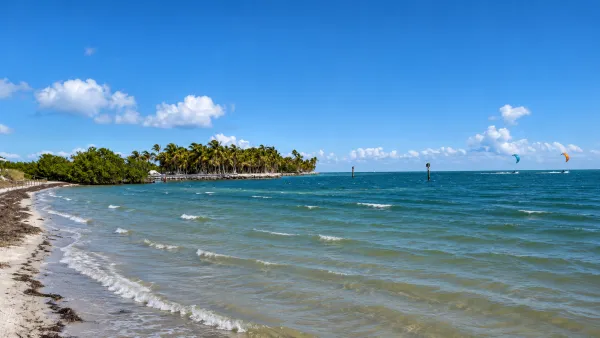
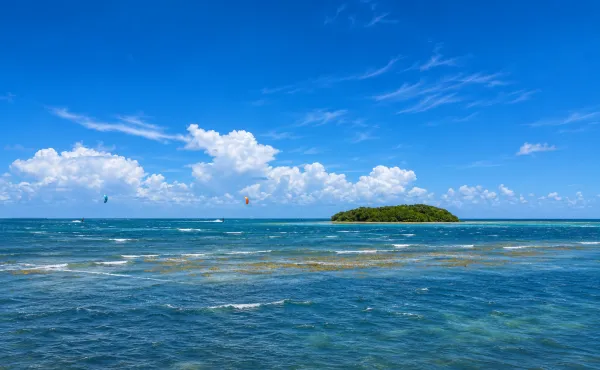
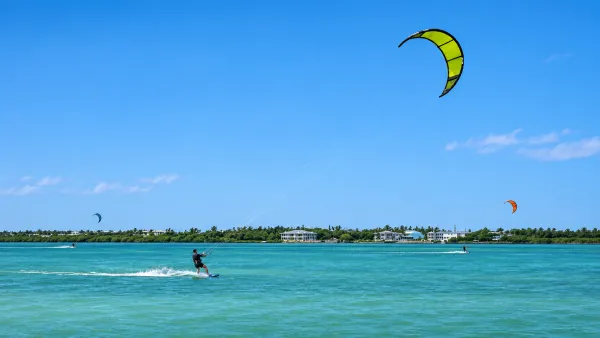
Marathon is one of the most convenient areas for flat-water kitesurfing in the Middle Florida Keys, located along the Overseas Highway between Key Largo and Key West, in southern Florida, United States. Rather than offering a single extensive kiteboarding beach, Marathon provides access to several riding locations distributed across its surrounding islands, including Coco Plum Beach, Curry Hammock State Park and selected areas around Grassy Key. The shallow coastal waters, extensive seagrass flats and natural protection provided by the surrounding islands create predominantly flat to lightly choppy conditions, making the region particularly attractive for relaxed freeriding, technical progression and hydrofoiling. Unlike the exposed Atlantic beaches of mainland Florida, the Middle Keys rarely experience significant breaking waves, although wind-driven chop can develop across more open sections of water. The main advantage of Marathon is the possibility of selecting different riding areas according to wind direction, water depth and local access conditions, rather than depending entirely on a single launch.
The most favourable kitesurfing season generally extends from October through early May, when prevailing easterly winds and passing cold fronts provide the most frequent riding opportunities. Northeasterly winds are common during winter frontal passages, while easterly and southeasterly breezes can produce enjoyable sessions across the Atlantic-facing beaches and shallow flats. Curry Hammock and Coco Plum are particularly interesting during suitable easterly wind patterns, although the exact quality of each session depends on local shoreline orientation and nearby vegetation. Wind speeds are generally moderate, with many days producing approximately 10 to 15 knots and stronger frontal systems occasionally delivering 18 to 25 knots or more. These conditions favour larger freeride kites, light-wind twin-tips and hydrofoils, while smaller kites become useful during stronger winter weather systems. Summer is considerably less reliable, with prolonged light-wind periods, high temperatures and an increased risk of thunderstorms. Although occasional southeasterly breezes can provide rideable conditions, Marathon is best appreciated as a seasonal destination where flexibility and careful weather monitoring are important.
Water conditions around Marathon are characterised by extensive shallow flats, sandy sections and seagrass beds, with varying degrees of protection from the surrounding islands and sandbars. Coco Plum Beach offers access to relatively sheltered Atlantic-side water, generally producing flat to lightly choppy conditions during moderate easterly winds. Curry Hammock State Park provides another established kiteboarding location, with shallow coastal water and a designated launching area that can simplify equipment preparation compared with more confined Keys beaches. Farther offshore, the water becomes deeper and more exposed, allowing longer freeride runs and, where sufficient depth is available, hydrofoiling. The seabed is predominantly sand and seagrass, although shells, limestone fragments and occasional hard-bottom formations require attention, particularly when walking through unfamiliar shallows. Water depth changes with tides and wind-driven water levels, making some sections unsuitable for jumping or hydrofoiling during low-water periods. These conditions are particularly enjoyable for twin-tip freeriding, practising transitions and improving upwind technique, while advanced freestyle and big-air sessions are less attractive because of the shallow seabed and generally moderate winds.
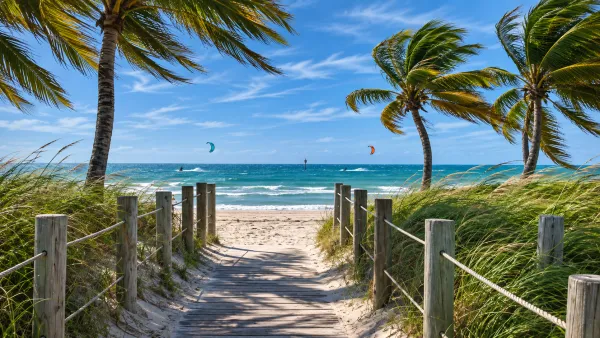
Access varies between the different Marathon kiteboarding locations. Coco Plum Beach is reached via Coco Plum Drive from the Overseas Highway and provides a relatively straightforward public beach approach, although launching space must be shared with other beach users. Curry Hammock State Park, located farther east near Grassy Key, offers designated kiteboarding access and grassy areas for preparing equipment. Riders must follow the park's established launching and landing boundaries, maintain the required separation from the shoreline and avoid flying kites over the adjacent campground. Local operating rules have included a minimum offshore riding distance of approximately 90 metres (300 feet), but current requirements should always be confirmed with park staff before launching. Parking and available rigging space can become limited during busy weekends or favourable winter wind conditions. Other potential launching areas around Grassy Key may involve private property, restricted access or environmentally protected shorelines, so they should not be assumed to be open for kiteboarding. Water temperatures remain comfortable throughout much of the year, allowing boardshorts and a rash guard during warmer months, while a shorty or lightweight wetsuit may be useful during cooler winter frontal passages. Protective footwear is recommended when entering shallow areas with shells or hard-bottom sections.
The principal hazards around Marathon include shallow seagrass flats, submerged rocks, mangroves, restricted launching corridors and sudden wind changes associated with passing cold fronts. Offshore wind components can make returning to shore difficult, particularly where extensive shallow areas transition into deeper channels. Riders should remain clear of boat traffic, navigation channels, protected marine habitats and designated swimming areas, while avoiding contact with sensitive seagrass beds whenever possible. Although the relatively smooth water may appear suitable for beginners, the limited launching space and variable water depths mean that independent riders should already possess reliable kite control, upwind riding and self-rescue skills. Beginners are better served by professional instruction at an appropriately authorised location. With its sheltered Atlantic waters, accessible established kiteboarding areas and favourable winter wind season, Marathon offers an appealing alternative to the more exposed riding environments elsewhere in Florida. Its greatest strength lies in relaxed flat-water freeriding, light-wind sessions and hydrofoiling, making the Middle Florida Keys particularly attractive to independent kitesurfers who value manageable conditions and the flexibility to choose between several nearby riding locations.
Something missing or out of date at this spot? Suggest a correction
This spot does not have a photo gallery yet.
Kited here? Add the first photos (free account, one minute).
Marathon Florida Keys is best suited for
Spot profile
- Travel spotA proven kite destination with reliable conditions, worth a trip. Kiters fly in from all over the world for their kite holidays, and you will probably find schools, rentals and a lively kite scene nearby.
- Family spotEasy to visit with family and friends. Facilities are close by and non-kiters have plenty to do while you are on the water, so everyone enjoys the day, whether they kite or not.
Equipment
Most sessions require large freeride kites in the 10 to 14 square meter range, with smaller sizes coming into play if a strong winter front lines up. Twin-tip boards are a good fit for most days, but a foil board or larger twin-tip helps make the most of lighter winds. In summer, a swimsuit or boardshorts is usually enough, but from late autumn through spring a thin spring suit or light wetsuit comes in handy during morning chill or northerly cold fronts. Footwear should be thin booties or water shoes, as many spots feature uneven, hard, or shelly entryways.
Wetsuit suggestion by month
- JanShorty23°
- FebShorts24°
- MarShorts25°
- AprShorts26°
- MayShorts29°
- JunShorts30°
- JulShorts31°
- AugShorts31°
- SepShorts31°
- OctShorts29°
- NovShorts27°
- DecShorts25°
- Shorty Shorty or neoprene top
- Shorts Boardshorts and lycra
Based on the average sea temperature of each month. A guide for an average rider: if you feel the cold, go one step warmer.
Wind Conditions
Main wind directions
Windy days per month
Share of the days with more than 10 knots.
Wind speed range
11 - 24 knots
Wind strength on rideable days
- 7-11 kn51%
- 12-16 kn34%
- 17-22 kn13%
- 23-28 kn2%
- 29+ kn0%
Share of the daytime hours with 7+ knots.
Calculate your kite size
Estimate for a rider of your weight at Marathon Florida Keys: kite size = weight / wind speed x 2.2, adjusted for the kite shape and aspect ratio. Board, skills and gusts change the ideal size.
Month by month at Marathon Florida Keys
| Metric | Jan | Feb | Mar | Apr | May | Jun | Jul | Aug | Sep | Oct | Nov | Dec |
|---|---|---|---|---|---|---|---|---|---|---|---|---|
| Wind | ||||||||||||
| Rideable daysdays | 28 | 24.5 | 28 | 27.5 | 22 | 24.5 | 21.5 | 21 | 19 | 26.5 | 27 | 27.5 |
| Usable windhours | 223 | 200 | 230 | 224 | 170 | 194 | 170 | 169 | 140 | 215 | 225 | 226 |
| Average gustsknots | 16 | 15 | 16 | 17 | 13 | 14 | 13 | 13 | 12 | 16 | 17 | 17 |
| Temperature | ||||||||||||
| Air°C | 22 | 23 | 24 | 25 | 27 | 28 | 29 | 29 | 29 | 27 | 25 | 23 |
| Sea°C | 23 | 24 | 25 | 26 | 29 | 30 | 31 | 31 | 31 | 29 | 27 | 25 |
| Weather and sea | ||||||||||||
| Sunshinehours / day | 9.6 | 10.4 | 10.9 | 12.2 | 12.5 | 11.1 | 12 | 11.7 | 10.5 | 10.2 | 9.5 | 9.1 |
| Rainmm | 44 | 34 | 44 | 32 | 52 | 174 | 87 | 129 | 163 | 114 | 46 | 78 |
| Rainy daysdays | 7 | 5.5 | 6 | 8 | 9.5 | 19.5 | 17 | 18 | 18.5 | 17.5 | 8 | 7 |
| Wave heightm | 0.7 | 0.8 | 0.8 | 0.8 | 0.5 | 0.5 | 0.5 | 0.5 | 0.5 | 0.7 | 0.8 | 0.8 |
Typical monthly averages over several years, based on weather data: local thermal winds are usually stronger than shown, and sea temperature and waves are a regional estimate. A rideable day has at least 3 hours of 7+ knots between 10:00 and 18:00, usable wind counts those hours, a rainy day has 1 mm or more.
Wind and climate statistics: Weather data by Open-Meteo.com (CC BY 4.0), based on ERA5 data of the Copernicus Climate Change Service. A typical year, not a forecast.
Forecast on Windy.com
Kitesurfing Safety & Local Rules at Marathon Florida Keys
The main hazards around Marathon, in the Florida Keys, are extensive shallow-water flats, uneven seabed conditions and restricted launching areas. At popular locations such as Coco Plum Beach, Curry Hammock State Park and Grassy Key, the bottom can change abruptly from soft sand to hard limestone, scattered shells or coral rubble. These obstacles increase the risk of cuts, puncture wounds and equipment damage, particularly during falls or unsuccessful jumps in shallow water. Mangrove-lined sections create additional hazards for riders who lose their upwind position or drift too close to shore. Protective footwear is strongly recommended, while jumping and other high-impact manoeuvres should be avoided wherever water depth is insufficient. Always inspect unfamiliar sections of the flats before riding.
Launching and landing can become challenging during busy periods, particularly at Curry Hammock State Park, where kitesurfing is restricted to designated access areas. Riders must respect the park's separation requirements, including maintaining approximately 300 feet (90 metres) from shore while riding and avoiding flying kites over the campground or crowded recreational sections. Coco Plum Beach and other public access points may also be shared with swimmers, families and beach visitors, requiring generous clearance and careful kite handling. Recreational boats and navigation channels throughout the Middle Keys introduce further collision hazards, especially near deeper water and lagoon entrances. Maintain a safe distance from vessels, avoid obstructing public access and never launch when insufficient unobstructed space is available.
Although Marathon's sheltered flats can offer relatively manageable riding conditions, strong winter cold fronts and approaching squalls may produce sudden gusts, wind shifts and rapidly deteriorating weather. Changing tides can expose shallow sections, alter water depth around sandbanks and increase the difficulty of returning to shore. Parking and launching areas may become congested on popular windy days, making early arrival and unhurried equipment preparation advisable. Wildlife protection measures and park regulations can also affect access, with seasonal restrictions or temporary closures introduced around sensitive habitats. Always verify current signage and local rules before visiting, respect mangrove and protected areas, and ensure you have sufficient self-rescue skills to manage unexpected changes in wind, currents or water depth.
How to reach Marathon Florida Keys
- Closest cityMarathon, Florida
- How to get thereThe spot is best reached by car. Drive south from Miami or Fort Lauderdale along U.S. 1, the Overseas Highway, for approximately 2.5 to 3.5 hours depending on traffic and the exact starting point. Coco Plum Beach is accessed from U.S. 1 via Coco Plum Drive. Curry Hammock State Park is also reached directly from U.S. 1 in the Middle Keys. The nearest commercial airport with the broadest flight selection is Miami International Airport; Key West International Airport is closer to the Lower Keys but usually offers fewer convenient connections. A rental car is strongly recommended because the launches, beaches, accommodation and tourist attractions are spread along the island chain.
- AccessCoco Plum Beach is a publicly accessible beach and is one of the easier Middle Keys launches to reach by car. Curry Hammock State Park is publicly accessible but regulated by the park, with an entrance fee and normal state-park opening, parking and activity rules. Its kite launch is restricted to the designated area rather than allowing an unrestricted drift launch. Managed resort or school facilities around Grassy Key may require permission, a lesson, day access or payment. Access, launch status and permitted kite zones can change with park management, beach use, wildlife protection measures or bathing-season restrictions, so riders should check the current local signage before rigging.
No-Wind Days: What to Do Around Marathon Florida Keys
Marathon, located in the heart of the Florida Keys, is one of the most convenient destinations for travellers looking to combine beautiful tropical scenery with the comforts of a well-equipped coastal town. Stretching across several islands in the Middle Keys, Marathon offers a relaxed atmosphere, waterfront restaurants, attractive beaches and plenty of opportunities to discover the extraordinary marine environment of South Florida. Unlike the busier and more nightlife-oriented Key West, Marathon has a quieter, family-friendly character, making it particularly suitable for longer holidays and visitors who prefer nature, outdoor recreation and a slower island lifestyle.
One of Marathon's most popular attractions is Sombrero Beach, a beautiful public beach overlooking the Atlantic Ocean. With its soft sand, palm trees, shaded picnic areas and recreational facilities, it provides an enjoyable setting for swimming, sunbathing and spending time with family. The beach is also an important nesting habitat for sea turtles, and some sections may be protected during nesting season. Visitors should respect marked nesting areas and avoid disturbing wildlife. Although the waters are often relatively sheltered, swimming conditions can change with weather and currents, and occasional accumulations of seaweed are part of the natural coastal environment. Sombrero Beach is particularly pleasant during the early morning or late afternoon, when the shoreline is quieter and the tropical light creates beautiful colours across the water.
Marathon is also an excellent destination for anyone interested in marine wildlife conservation. The Turtle Hospital is one of the town's most interesting attractions, offering educational guided tours of a working rehabilitation facility dedicated to rescuing and treating injured sea turtles. Visitors can learn about the threats facing these remarkable animals, including boat strikes, entanglement and marine pollution, while discovering how veterinary teams work to rehabilitate them. Farther east on Grassy Key, the Dolphin Research Center provides additional educational opportunities focused on marine mammals, their behaviour and conservation. These attractions are particularly enjoyable for families with children and offer a meaningful alternative to spending another day at the beach.
For visitors who prefer exploring the underwater world, Marathon provides excellent access to the coral reefs of the Florida Keys National Marine Sanctuary. Snorkelling and scuba diving excursions depart regularly from local marinas, taking visitors to offshore reef formations inhabited by tropical fish, rays, sea turtles and numerous other marine species. Sombrero Reef, with its historic lighthouse rising above the water, is one of the area's best-known snorkelling and diving destinations. The quality of underwater visibility depends on weather and sea conditions, so choosing a suitable day can make a considerable difference. Guided fishing trips, dolphin-watching excursions and sunset cruises provide further opportunities to enjoy the surrounding waters without needing to organise a private boat.
Curry Hammock State Park, located on the eastern side of Marathon, offers a quieter and more natural environment than the town's developed waterfront areas. The park protects coastal habitats that include mangroves, seagrass beds and tropical hardwood vegetation, providing important shelter for birds and marine wildlife. Visitors can enjoy nature walks, birdwatching, kayaking and paddleboarding through the surrounding shallow waters. The park is also popular for camping, although reservations are advisable during the busiest tourist periods. Exploring its sheltered waterways provides an excellent opportunity to appreciate the delicate ecosystems that make the Florida Keys so distinctive, particularly for visitors interested in photography and nature observation.
At the southwestern end of Marathon, the famous Seven Mile Bridge offers one of the most spectacular driving experiences in the United States. Crossing the turquoise waters between the Middle and Lower Keys, the bridge provides extraordinary views of shallow sandbanks, small islands and the surrounding ocean. The restored pedestrian section of the Old Seven Mile Bridge allows visitors to walk or cycle towards historic Pigeon Key, a small island that once served as a base for workers constructing Henry Flagler's Overseas Railroad. Today, Pigeon Key preserves historic buildings and exhibitions documenting this remarkable engineering project. A visit offers an interesting combination of history, coastal scenery and an opportunity to experience the Keys from a completely different perspective.
Just beyond the Seven Mile Bridge, Bahia Honda State Park is another destination that should not be missed. Famous for its beautiful sandy beaches, clear waters and the remains of the historic Bahia Honda Rail Bridge, the park is among the most photographed locations in the Florida Keys. Visitors can enjoy swimming, snorkelling, beachcombing and walking through the park's coastal landscapes, while elevated viewpoints offer spectacular panoramas of the surrounding islands. The park also provides camping facilities and opportunities for wildlife observation. Its relatively undeveloped atmosphere makes it a particularly attractive destination for travellers who want to experience the natural beauty of the Keys without the commercial activity of the larger resort towns.
Marathon itself offers a good selection of restaurants, cafés, waterfront bars and local shops, with fresh seafood naturally occupying an important place in the local cuisine. Visitors can enjoy grilled fish, stone crab when in season, conch fritters, Cuban specialities and the inevitable Key lime pie. Accommodation ranges from traditional roadside motels and small inns to holiday apartments, waterfront resorts and private rental properties. Supermarkets, pharmacies, fuel stations and other essential services are readily available, making longer stays relatively straightforward. A rental car is particularly useful for exploring the surrounding islands, as attractions are distributed along the Overseas Highway. During winter holidays and other busy periods, accommodation prices and traffic can increase considerably, so booking ahead is advisable.
What makes Marathon particularly appealing for a family kitesurfing holiday is the possibility of enjoying a completely different activity almost every day. One morning can be spent snorkelling above a coral reef, another exploring the historic Seven Mile Bridge, while an afternoon might involve visiting rescued sea turtles or relaxing beneath the palm trees at Sombrero Beach. The combination of marine wildlife, fascinating history, beautiful coastal landscapes and convenient visitor facilities makes Marathon an excellent base for discovering the Middle Keys, ensuring that non-kiting partners have plenty to enjoy even when the wind refuses to cooperate.
Riders of Marathon Florida Keys
Who calls Marathon Florida Keys home, who is planning a trip and who has ridden it. Add yourself to meet them.
Nobody calls it home yet
Make it my home spotNobody on the way yet
I want to goBe the first to ride it
I have been hereUpcoming at Marathon Florida Keys
Sessions, downwinders and meetups planned by the riders of Marathon Florida Keys. Going too? Join them.
No session planned yet. Going out soon? Post it: the riders who follow Marathon Florida Keys get a notification.
Other kitesurfing spots near Marathon Florida Keys
All kitesurfing spots in United States Of America
Last updated: