
Kitesurfing in Baleia
Fortaleza · Brazil
- Spot type Flat
- Rider level beginner
- Water Crystal Clear
- Beach Sand
- Crowd Some bystanders
- Tide effect None
Kitesurfing in Baleia: Conditions, Wind & Season
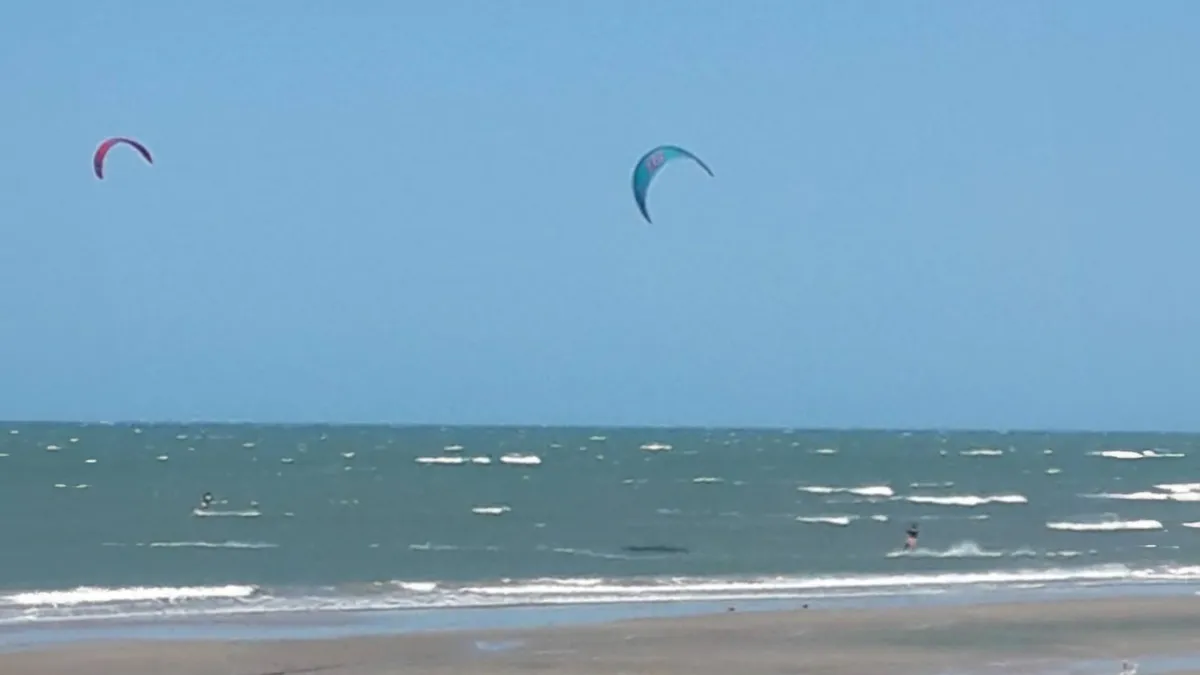
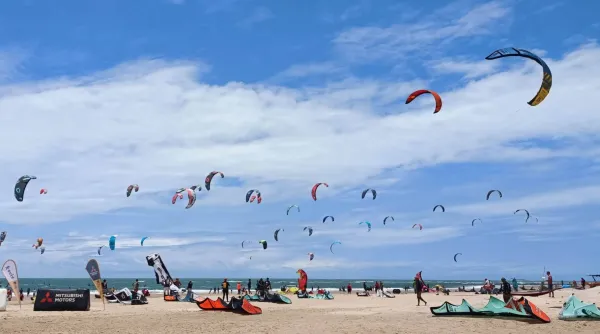
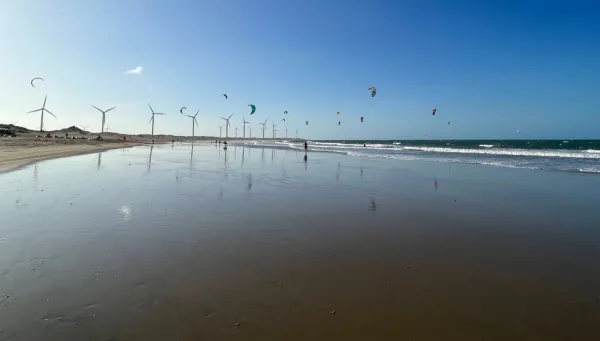
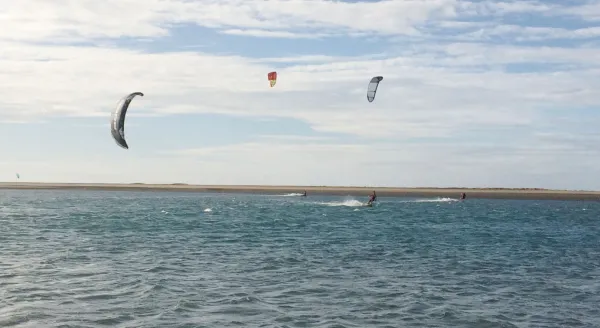
Baleia, also known as Praia da Baleia, is a kitesurfing spot on the coast of Ceará in northeastern Brazil, west of Fortaleza and Cumbuco, near the municipality of Itapipoca. Part of the region's extensive kiteboarding coastline, Baleia offers a combination of shallow water, sandy beaches and consistent seasonal winds. Compared with the busier riding areas closer to Fortaleza, it provides a quieter environment with opportunities for freeriding, freestyle and small-wave sessions. Its varied water conditions make it an appealing option for kitesurfers exploring the less crowded stretches of Ceará's coastline.
The main kitesurfing season at Baleia generally runs from July through January, when the prevailing trade winds provide frequent riding opportunities. The most reliable conditions are typically found between August and December, during the stronger wind months of northeastern Brazil. Easterly winds are particularly favourable, although the prevailing airflow can vary between east and southeast depending on seasonal patterns. Thermal effects may reinforce the wind during the day, often producing stronger afternoon sessions. Riders can expect a mixture of moderate and powered conditions, making it useful to have kite sizes suitable for different wind strengths.
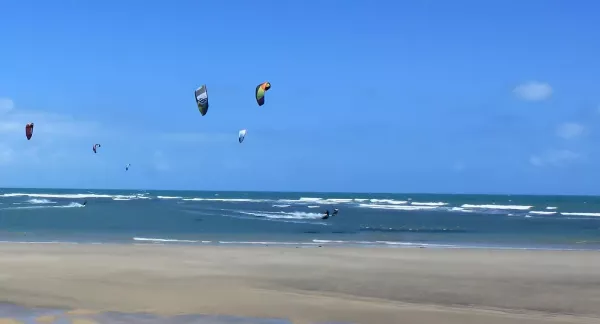
Water conditions at Baleia vary between shallow, relatively flat sections, wind-generated chop and small ocean waves. The combination provides opportunities for several kitesurfing disciplines without requiring riders to travel between completely different locations. Smoother areas can be suitable for practising transitions, freestyle and controlled manoeuvres, while the more exposed water offers enjoyable freeriding and occasional wave riding. During stronger winds, chop becomes more pronounced, particularly in deeper sections. The shallow water can be attractive for developing riders, although depth varies with the tide and should always be checked before attempting jumps.
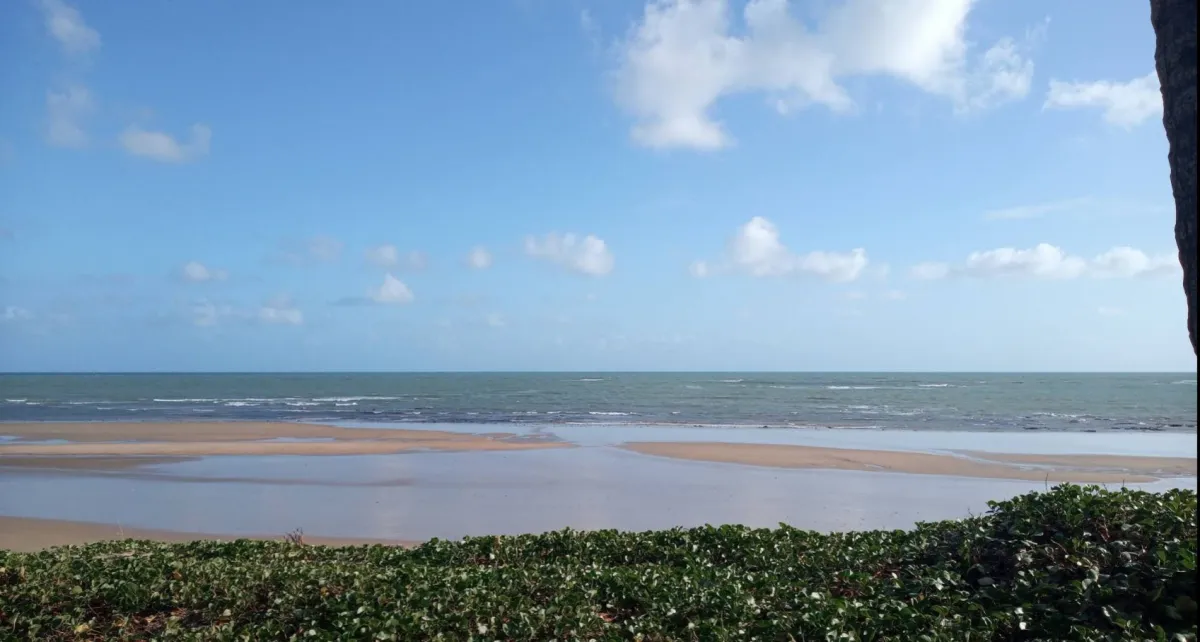
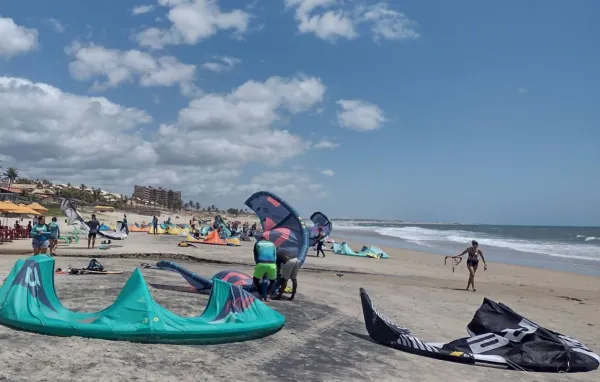
Tides play an important role in determining the available beach space and the character of the riding area. At low tide, the shoreline opens into a broader stretch of sand, providing more room for preparing equipment, launching and landing kites. As the tide rises, the usable beach can become narrower, requiring greater attention to obstacles and other beach users. Tidal changes may also expose or cover shallow sections and sandbanks, affecting water depth and the smoothness of the surface. Although the wind itself is not strongly dependent on the tide, planning sessions around water levels can make launching and riding considerably easier.
Baleia can accommodate different experience levels when the conditions are appropriate. Intermediate riders will appreciate the combination of shallow water, manageable waves and open freeriding space, while advanced kitesurfers can enjoy freestyle manoeuvres and powered sessions during stronger winds. Beginners should seek qualified instruction and choose suitable areas with adequate depth, clear launching space and favourable wind direction. The presence of shallow sections does not automatically make every part of the beach beginner-friendly, particularly when shorebreak or stronger winds develop. Hydrofoil riders should remain in deeper water and avoid shallow sandbanks.
The main safety considerations include changing water depth, tidal sandbanks, occasional shorebreak and the possibility of stronger seasonal winds. Riders should inspect the beach before launching and identify any obstacles, fishing equipment or other hazards along the shoreline. During higher tides, reduced launching space can increase the importance of assisted kite handling. Currents and wave conditions may also change around shallow areas, especially when the tide is moving. Although Baleia is generally less crowded than some of Ceará's better-known kite spots, riders should not assume that dedicated rescue services are always available and should confirm local conditions before entering the water.
For anyone searching for kitesurfing at Praia da Baleia, kiteboarding near Itapipoca or alternative kitesurfing spots along the Ceará coast of Brazil, Baleia offers an attractive combination of seasonal trade winds, shallow water and varied riding conditions. Its greatest advantage is the opportunity to enjoy freeriding, freestyle and occasional small-wave sessions in a relatively relaxed coastal environment. With broad sandy launching areas at low tide and reliable wind opportunities during the main season, Baleia is a worthwhile destination for riders looking beyond the more established kitesurfing centres around Fortaleza and Cumbuco.
Something missing or out of date at this spot? Suggest a correction
Spot Gallery (3)
Baleia is best suited for
Spot profile
- Local spotNot worth a long trip, but a great option if you live nearby and the wind is on. Ideal for a quick session after work or a spare afternoon, without planning a whole trip.
Equipment
Board shorts, light footwear
Wind Conditions
Main wind directions
Windy days per month
Share of the days with more than 10 knots.
Wind speed range
15 - 25 knots
Calculate your kite size
Estimate for a rider of your weight at Baleia: kite size = weight / wind speed x 2.2, adjusted for the kite shape and aspect ratio. Board, skills and gusts change the ideal size.
Forecast on Windy.com
Kitesurfing Safety & Local Rules at Baleia
The main hazards at Baleia, on Brazil's Ceará coast, are fishing boats and local swimmers sharing the water with kitesurfers. Fishing vessels may move through the riding area or operate close to shore, creating collision risks and the possibility of encountering fishing lines or nets. Maintain generous distances from boats and fishing activity, remain alert to swimmers and avoid performing jumps or powered manoeuvres near other water users.
Tidal changes affect the amount of beach available for launching and landing. At low tide, the wide sandy shoreline generally provides plenty of space, but higher water levels can reduce the safety margin between riders and people on the beach. Shallow sections and changing sandbanks also require caution, particularly during jumps or hard landings. Check the water depth before attempting tricks and choose a launching area with sufficient downwind clearance.
The prevailing easterly winds are generally reliable during the main season from July to January, but stronger conditions can make kite handling more demanding. Small waves and wind-driven chop may also complicate water entry, board recovery and kite relaunching. Choose an appropriate kite size, monitor changes in wind strength and maintain a safe distance from the shoreline, fishing activity and other riders throughout your session.
How to reach Baleia
- Closest cityFortaleza
- How to get thereBaleia can be reached by driving from Fortaleza west on CE085, turning onto CE168 towards Marinheiros and continuing to Praia da Baleia. The nearest airport is Fortaleza (FOR), approximately 160km away.
- Accesspublic
No-Wind Days: What to Do Around Baleia
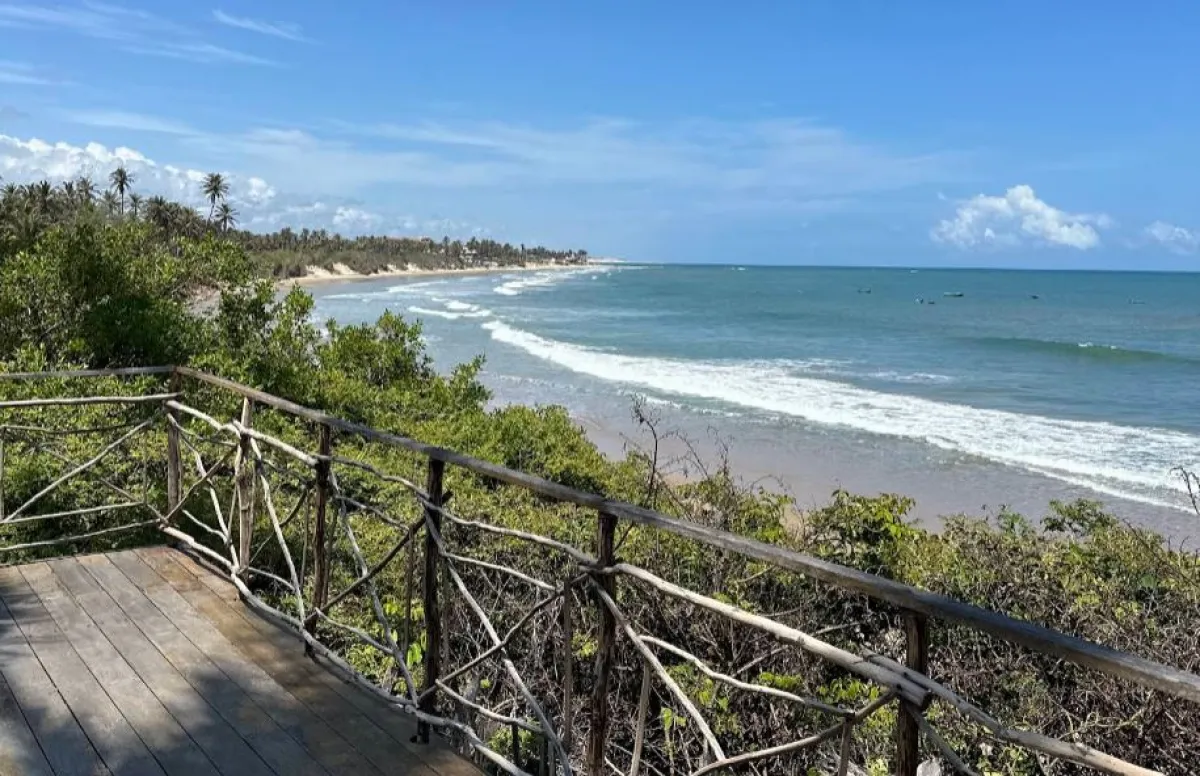
The peaceful fishing village of Baleia, on the coast of Ceará in northeastern Brazil, is an inviting destination for travellers seeking beautiful beaches, traditional coastal culture and a relaxed atmosphere. Located west of Fortaleza, near Itapipoca, Baleia offers a quieter alternative to the more developed tourist centres of the region. Its long sandy shoreline, coconut palms and surrounding coastal landscapes make it particularly appealing for couples, families and non-kiting partners who enjoy spending time outdoors. On no-wind days, visitors can explore nearby lagoons, discover local villages or simply relax beside the Atlantic Ocean.
Praia da Baleia itself is one of the area's main attractions, with a broad stretch of sand ideal for walking, sunbathing and enjoying the coastal scenery. At lower tides, shallow pools and exposed sandbanks can create attractive places to explore, although swimming conditions vary with the tides, waves and currents. The beach remains relatively peaceful compared with the busier resorts around Fortaleza, making it suitable for visitors who prefer a slower pace. Beachfront restaurants and simple local establishments provide opportunities to enjoy refreshments while overlooking the ocean.
The surrounding coastline offers opportunities for exploring other beaches, lagoons and traditional fishing communities. Guided buggy excursions may be available through local operators, allowing visitors to discover sandy tracks, coastal viewpoints and nearby natural attractions. The region's dunes and lagoons provide beautiful scenery for photography and relaxing excursions, although access can change with seasonal water levels. Visitors should use experienced local guides and respect restrictions on driving through protected or environmentally sensitive areas.
For travellers interested in additional water activities, stand-up paddleboarding and kayaking can be enjoyable in suitable sheltered waters when conditions permit. Fishing is another important part of local life, and visitors may be able to arrange excursions with local fishermen or observe traditional fishing practices along the beach. The surrounding coastal environment also provides opportunities for birdwatching, especially around lagoons and wetland areas. These quieter activities make Baleia appealing to travellers who enjoy nature without needing a busy programme of organised entertainment.
Food is an important part of the experience in Baleia. Local restaurants specialise in fresh fish, shrimp and other seafood, often accompanied by rice, beans, farofa and traditional northeastern Brazilian side dishes. Simple beachfront establishments offer an authentic atmosphere, while larger towns provide additional dining choices. Visitors can also discover regional specialities such as tapioca, carne de sol and fresh tropical fruit juices. Evening entertainment is generally limited, with the emphasis on relaxed meals and informal gatherings rather than nightlife or large tourist venues.
For a change of scenery, travellers can explore other destinations along Ceará's western coastline, including the beaches around Paracuru and Flecheiras. Cumbuco, farther east, offers a more developed tourist atmosphere with restaurants, beach clubs and organised excursions. Fortaleza provides the widest selection of shopping, museums, cultural attractions and nightlife, although it is better suited to a longer excursion than a quick visit from Baleia.
Accommodation in Baleia consists mainly of small pousadas, beachfront guesthouses, holiday homes and modest local hotels. The village is particularly attractive for travellers seeking quiet surroundings and easy access to the beach rather than large resorts. Families and groups may prefer self-catering accommodation, while visitors looking for a wider choice of restaurants and services can consider nearby coastal towns. Facilities vary between properties, and internet connectivity or other amenities may be more limited than in larger tourist centres. Booking ahead is advisable during Brazilian holidays and popular travel periods.
Baleia is most conveniently reached by car from Fortaleza, which has the region's main international airport. The journey follows roads through the Ceará countryside towards the coast, with the final approach depending on the chosen accommodation. A rental car is useful for visiting nearby beaches, lagoons and villages, as public transport connections can be less convenient for independent sightseeing. Travellers should confirm road conditions and local access arrangements before exploring remote coastal areas.
A holiday in Baleia combines the simplicity of a traditional Brazilian fishing village with the natural beauty of Ceará's coastline. When the wind is unsuitable for kitesurfing, visitors can enjoy beach walks, explore neighbouring lagoons, sample fresh seafood or discover other coastal communities. Its peaceful atmosphere and range of small-scale accommodation make Baleia a rewarding choice for families, couples and travellers who appreciate an authentic, less commercialised beach destination in northeastern Brazil.
Other kitesurfing spots near Baleia
All kitesurfing spots in Brazil
Last updated: