
Kitesurfing in Ilha do Guajiru
Fortaleza · Brazil
- Spot type Flat
- Rider level beginner
- Water Crystal Clear
- Beach Sand
- Crowd Seasonal crowd
- Tide effect OK high tide
Kitesurfing in Ilha do Guajiru: Conditions, Wind & Season
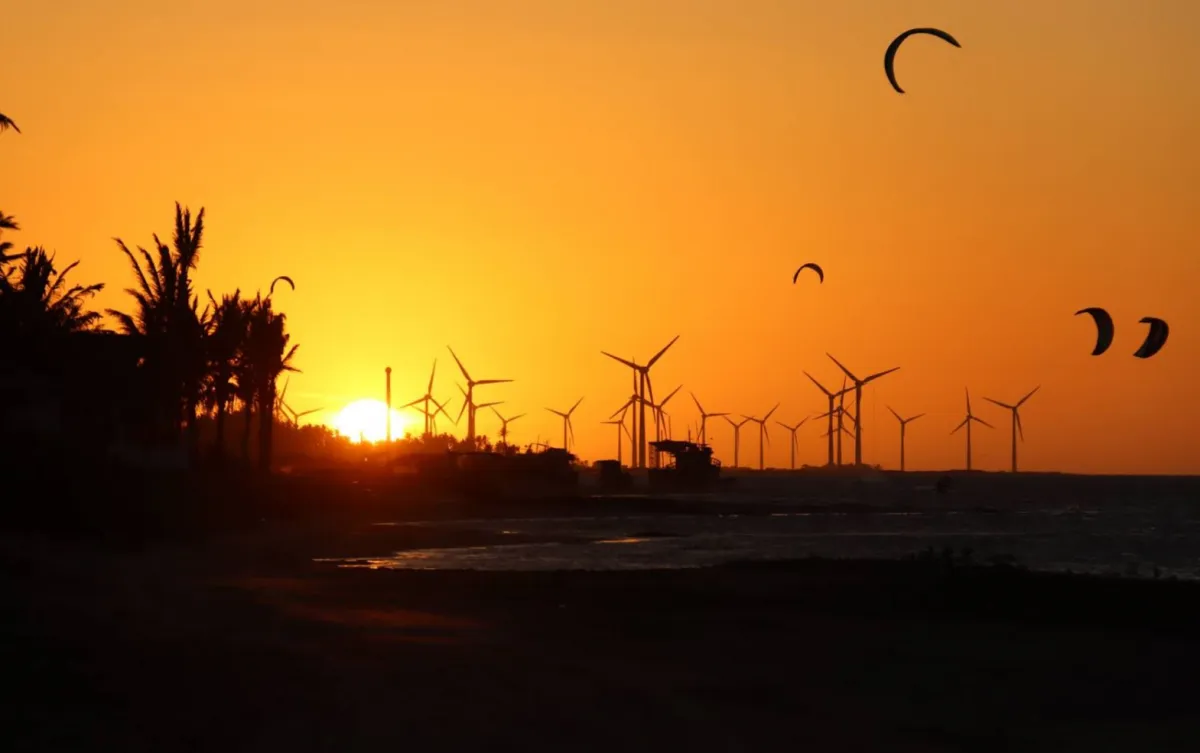
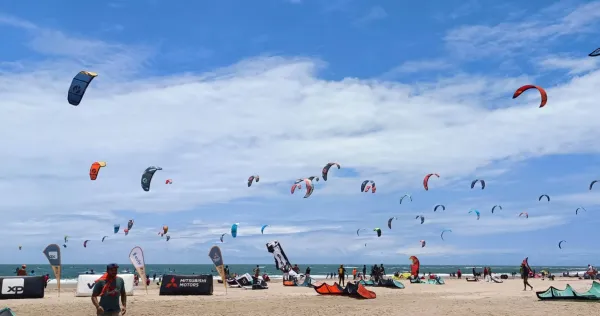
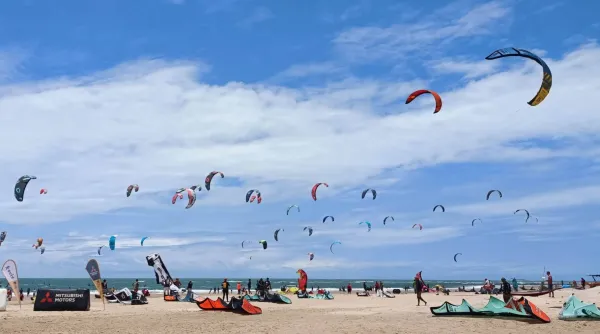
Ilha do Guajiru is one of the best-known flat-water kitesurfing destinations in Ceará, northeastern Brazil, located near the town of Itarema, approximately 220 kilometres northwest of Fortaleza. Famous for its extensive tidal lagoon, often nicknamed the "Flat Water Sea", the spot offers a remarkable combination of shallow water, strong trade winds and wide-open riding space. A long sandy barrier separates much of the lagoon from the Atlantic Ocean, creating a protected environment particularly attractive to freeriders, freestyle enthusiasts and kitesurfers looking to improve their technique on smooth water.
The main kitesurfing season generally runs from July through January, with the most reliable conditions typically occurring between August and December. During the peak season, the prevailing easterly and southeasterly trade winds frequently reach 20–30 knots, providing excellent opportunities for powered freeriding, freestyle and jumping. The wind often strengthens during the morning and remains consistent throughout the afternoon. Thanks to the area's relatively open coastal exposure, riders can enjoy long sessions with generally unobstructed airflow, although local variations in wind strength can occur near buildings, vegetation and the edges of the lagoon.
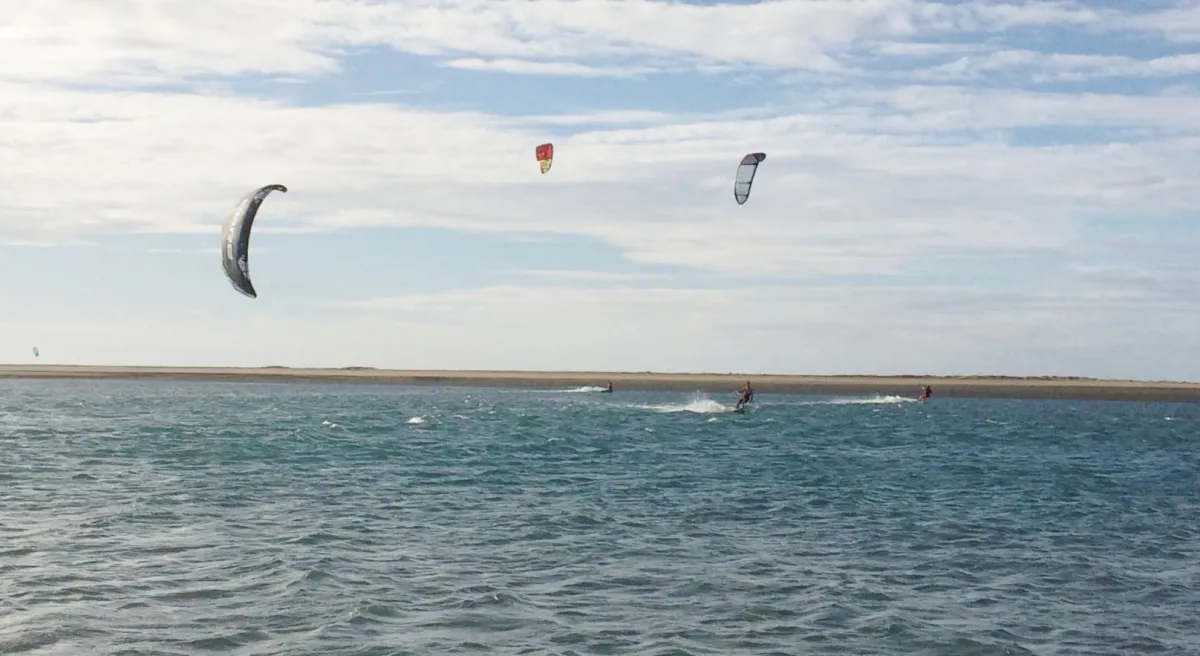
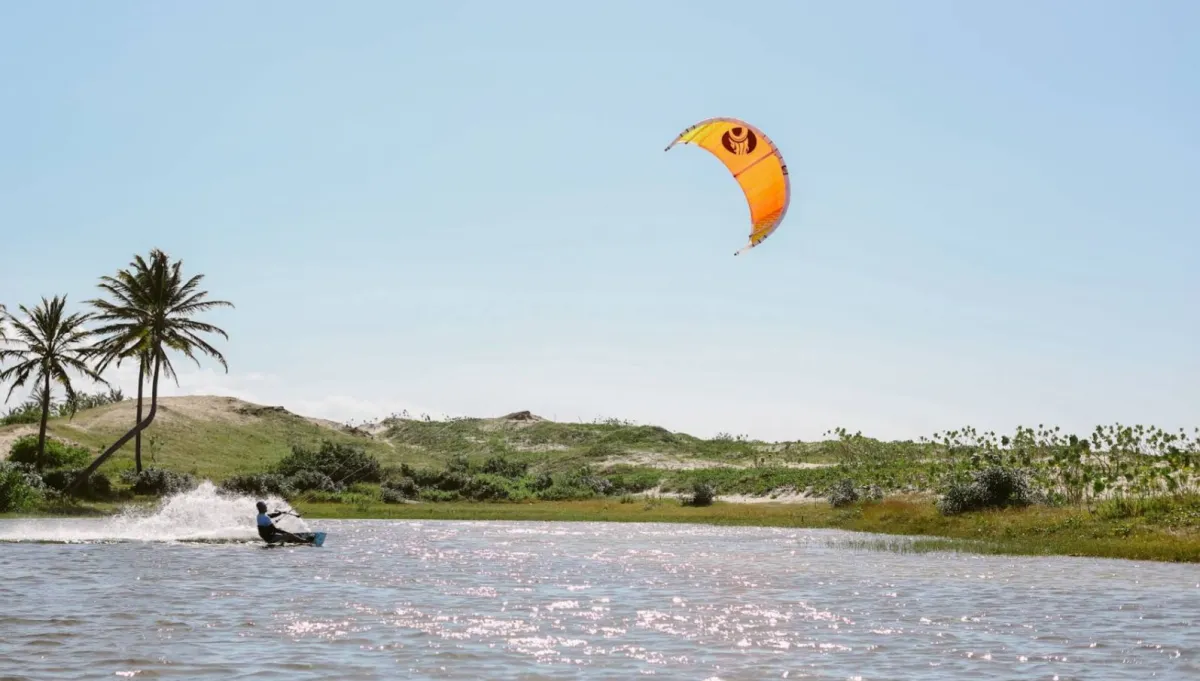
The lagoon is the defining feature of kitesurfing at Ilha do Guajiru. Extending for more than four kilometres, it provides an extensive playground of shallow, relatively flat water where riders can practise transitions, jumps and technical freestyle manoeuvres without dealing with significant ocean swell. The sandy barrier reduces wave penetration from the Atlantic, while the shallow depth helps limit the development of large chop. Even during stronger winds, many sections remain comparatively smooth, making the spot especially popular among freestyle riders. However, some wind-generated chop can develop in more exposed areas, particularly during the strongest afternoon conditions.
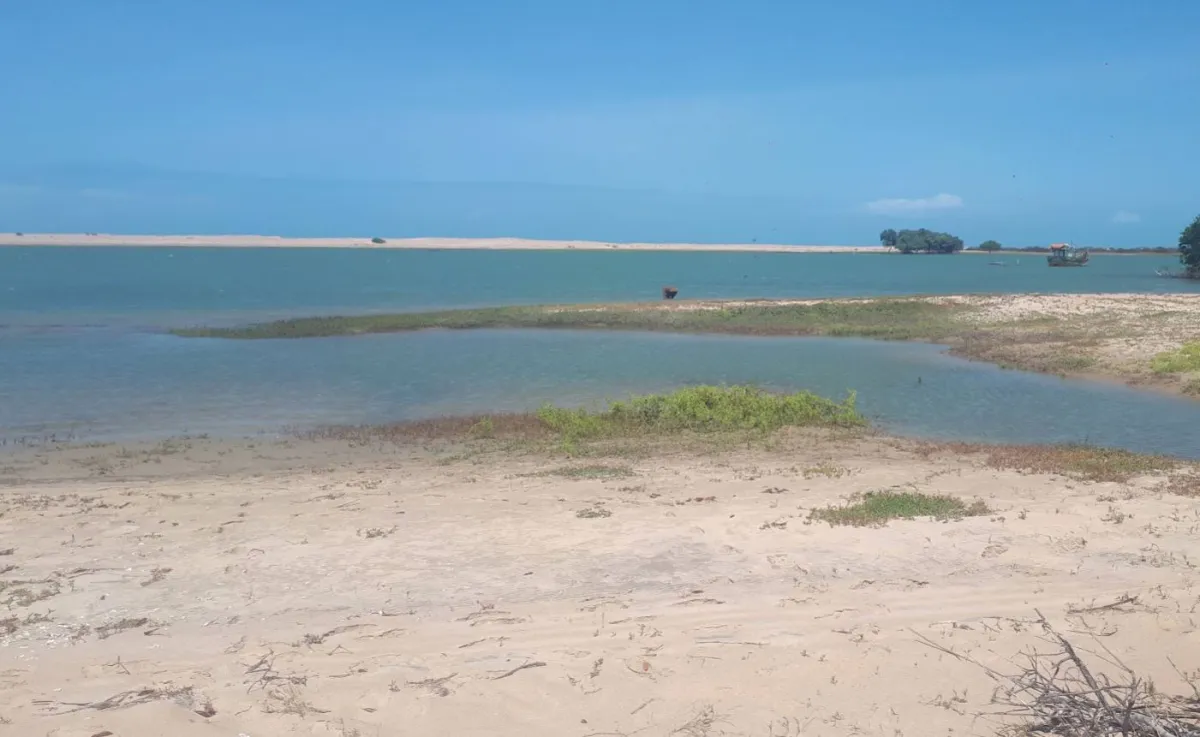
Tides play a crucial role in determining when and where the lagoon can be used. At higher water levels, the riding area expands, providing more space and sufficient depth across much of the lagoon. As the tide falls, shallow sandbanks become exposed and certain sections may become too shallow for safe kitesurfing. During particularly low tides, some areas can be temporarily unsuitable for riding, making tide planning essential. Riders should check local tide tables and identify the safest entry points before launching. The ideal water level depends on the chosen discipline, with freestyle riders often favouring smooth, shallow conditions and hydrofoil riders requiring considerably greater depth.
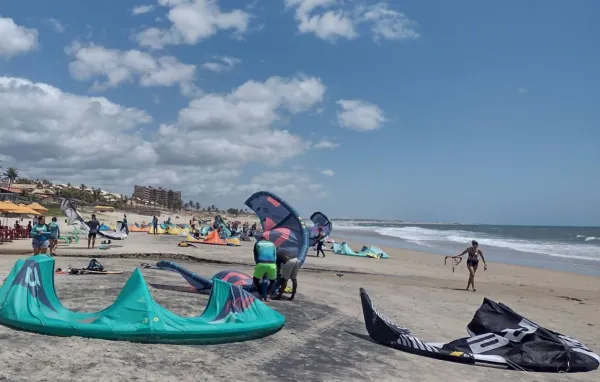
Launching conditions are generally convenient, with sandy areas along the lagoon providing access to the water and space for preparing equipment. Several launching points are located close to the main kitesurfing facilities, allowing riders to reach the water without complicated transfers. Nevertheless, available beach space changes with the tide, and some launching areas can become crowded during the peak season. Riders should maintain sufficient distance from other kites, buildings and shoreline obstacles, particularly when the wind is strong. Assisted launching and landing are recommended, and beginners should use designated training areas where available to avoid interfering with faster or more experienced riders.
Ilha do Guajiru accommodates a broad range of skill levels, although its strong seasonal winds should not be underestimated. Beginners can benefit from shallow water and professional instruction when conditions are appropriate, while intermediate riders will find excellent opportunities to improve upwind riding, transitions and controlled jumps. Advanced kitesurfers are particularly attracted by the lagoon's smooth surface, which provides favourable conditions for unhooked freestyle, powered tricks and big-air practice. The main hazards include very shallow water, exposed sandbanks, changing tidal currents and congestion around popular launching areas. Jumping in insufficient depth can lead to serious injuries, so riders should always check the water beneath their intended landing zones.
For anyone searching for kitesurfing in Ilha do Guajiru, flat-water kiteboarding near Itarema or reliable kitesurfing destinations in Ceará, this extensive tidal lagoon offers an exceptional combination of strong trade winds, smooth water and generous riding space. Its greatest attraction is the opportunity to enjoy long freestyle and freeride sessions in a sheltered lagoon while the Atlantic Ocean remains just beyond the sandy barrier. With reliable seasonal winds and conditions suited to both progression and advanced manoeuvres, Ilha do Guajiru has earned its reputation as one of northeastern Brazil's standout flat-water kitesurfing spots.
Something missing or out of date at this spot? Suggest a correction
Spot Gallery (5)
Ilha do Guajiru is best suited for
Spot profile
- Travel spotA proven kite destination with reliable conditions, worth a trip. Kiters fly in from all over the world for their kite holidays, and you will probably find schools, rentals and a lively kite scene nearby.
- Local spotNot worth a long trip, but a great option if you live nearby and the wind is on. Ideal for a quick session after work or a spare afternoon, without planning a whole trip.
Equipment
Board shorts, kites, and harnesses. Wetsuits are generally not needed due to warm water.
Wind Conditions
Main wind directions
Windy days per month
Share of the days with more than 10 knots.
Wind speed range
18 - 35 knots
Calculate your kite size
Estimate for a rider of your weight at Ilha do Guajiru: kite size = weight / wind speed x 2.2, adjusted for the kite shape and aspect ratio. Board, skills and gusts change the ideal size.
Forecast on Windy.com
Kitesurfing Safety & Local Rules at Ilha do Guajiru
The main hazard at Ilha do Guajiru, on Brazil's Ceará coast, is the shallow water within its extensive flat-water lagoon, particularly at low tide. As water levels drop, sandbanks and very shallow sections can increase the risk of injuries during jumps, hard landings or high-speed falls. Riders should check the tide schedule, assess water depth before attempting powered manoeuvres and avoid using hydrofoil equipment where there is insufficient clearance.
The prevailing trade winds typically range from 20 to 30 knots during the main season from July to January, creating powerful conditions that can be demanding for inexperienced riders. Stronger gusts may complicate kite control, particularly during launching and landing, while wind-driven chop can develop in more exposed sections of the lagoon. Choose an appropriate kite size, maintain sufficient downwind clearance and avoid riding beyond your abilities.
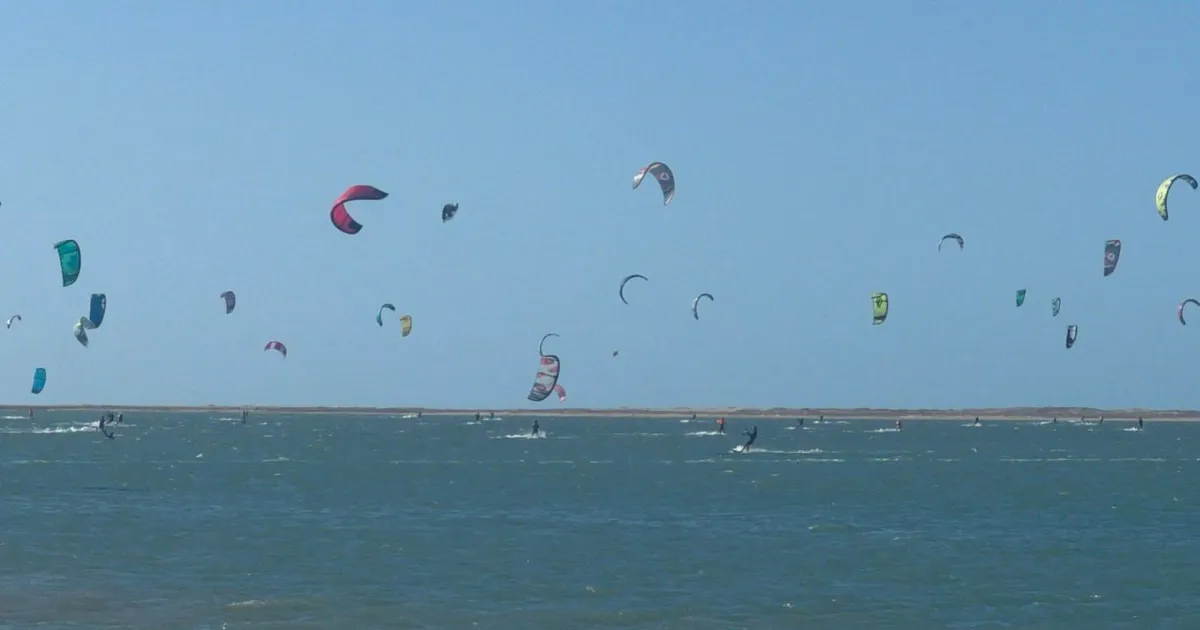
Although the lagoon extends for several kilometres and generally provides plenty of riding space, popular launching areas can become busy with kite schools and other riders. Maintain safe distances, respect right-of-way rules and avoid performing tricks close to beginners or the shoreline. Check locally for any access requirements, designated riding areas or restrictions, and remain aware of changing tidal conditions throughout your session.
How to reach Ilha do Guajiru
- Closest cityFortaleza
- How to get thereBy car or private transfer from Fortaleza (approximately 3-hour drive)
- Accesspublic
No-Wind Days: What to Do Around Ilha do Guajiru
Surrounded by sandy beaches, mangrove forests and peaceful coastal landscapes, Ilha do Guajiru is a charming destination on the northern coast of Ceará, northeastern Brazil. Located near the town of Itarema, approximately 220 kilometres from Fortaleza, this small beachfront community offers a relaxed atmosphere far removed from the crowds of larger tourist resorts. Its beautiful tidal lagoon, traditional fishing culture and welcoming local community make it particularly appealing for couples, families and non-kiting partners seeking a tranquil tropical holiday. During no-wind days, visitors can explore the surrounding waterways, discover nearby villages, enjoy fresh seafood or simply relax beside the lagoon.
One of the most enjoyable activities at Ilha do Guajiru is exploring its extensive lagoon and surrounding mangrove environment. When tidal conditions are suitable, stand-up paddleboarding and kayaking provide peaceful ways to discover sheltered waterways and observe the coastal landscape from a different perspective. The mangroves support a variety of birds, crabs and other wildlife, making the area particularly attractive for nature enthusiasts and photographers. Guided boat excursions may also be arranged through local operators, offering opportunities to explore quieter channels and learn about the region's fishing traditions. Visitors should always check tides and currents before entering the water, as the lagoon's depth and accessibility change significantly throughout the day.
The surrounding beaches offer plenty of opportunities for relaxation, long walks and photography. At low tide, extensive sandbanks and shallow pools create an unusual coastal landscape, while higher water levels transform the lagoon into a broad expanse of blue-green water. Visitors can enjoy the scenery from beachfront restaurants, relax in hammocks or explore quieter stretches of shoreline. The natural surroundings are especially beautiful during sunrise and sunset, when the changing light reflects across the lagoon and nearby dunes. Swimming is best limited to areas where local conditions are known to be safe, particularly because tidal channels can develop strong currents.
A short excursion to Itarema provides an opportunity to experience everyday life in a traditional Brazilian coastal town. Visitors can explore local markets, small shops and restaurants, discovering regional products and the area's fishing heritage. The town offers additional services, pharmacies and supermarkets that are useful during longer stays. Nearby coastal communities provide opportunities to observe traditional fishing boats, explore quiet beaches and enjoy a slower pace of life. Travellers interested in local culture may find the contrast between the small beachfront community of Ilha do Guajiru and the more active town centre particularly rewarding.
For those looking to explore farther along the coast, Icaraí de Amontada, commonly known as Icaraizinho, is an attractive destination for a day trip. This picturesque fishing village is known for its coconut-lined beaches, boutique restaurants and relaxed atmosphere. Nearby Moitas offers guided boat excursions along the Aracatiaçu River, where mangrove forests and traditional fishing communities create beautiful natural scenery. Depending on the season, excursions to the dunes and freshwater lagoons around Lençóis de Caetanos may also be possible, providing a memorable alternative to the coastal landscapes of Ilha do Guajiru.
Jericoacoara is another popular destination for travellers who want to discover more of Ceará's coastline. Famous for its extensive dunes, dramatic sunsets, beachside restaurants and lively village atmosphere, Jericoacoara offers a different experience from the tranquillity of Ilha do Guajiru. Visitors can explore scenic viewpoints, enjoy guided buggy excursions or discover the freshwater lagoons surrounding the village. However, reaching Jericoacoara involves a longer journey and sections of sandy terrain, so an overnight stay or an organised excursion may be more comfortable than attempting a rushed day trip.
Food is an important part of the Ilha do Guajiru experience, with beachfront restaurants and small pousadas serving fresh fish, shrimp and traditional northeastern Brazilian dishes. Meals often feature grilled seafood, rice, cassava, beans and tropical fruit juices, reflecting the region's fishing heritage. Dining is generally informal, with beautiful views across the lagoon and a welcoming atmosphere. Some establishments offer international dishes alongside local specialities, catering to the area's growing number of international visitors. Evening entertainment is relatively limited, although occasional parties, live music and social gatherings bring visitors together during the main tourist season. On quieter nights, the low level of artificial lighting in parts of the surrounding area makes stargazing a particularly enjoyable activity when skies are clear.
Accommodation at Ilha do Guajiru consists mainly of small beachfront pousadas, guesthouses, boutique lodgings and holiday rentals. Many properties overlook the lagoon and offer easy access to the beach, with facilities ranging from simple rooms to more comfortable accommodation featuring swimming pools, gardens and restaurants. The atmosphere is generally intimate and relaxed, making it attractive for couples and travellers who prefer smaller establishments over large resorts. Accommodation availability is more limited than in major tourist destinations, particularly during the busiest travel months, so booking ahead is recommended. Visitors seeking a wider range of shops and services can also consider staying in nearby Itarema, although beachfront accommodation provides the most convenient access to the lagoon.
Ilha do Guajiru is most conveniently reached by road from Fortaleza, which has the nearest major international airport. The journey typically takes around three to four hours, depending on traffic and road conditions. Private transfers and rental cars are common options, while public transport generally requires travelling to Itarema and arranging local transportation for the final section. A rental car is useful for exploring nearby beaches, visiting Icaraizinho and reaching other attractions along Ceará's northern coast. Within the beachfront community itself, most accommodation, restaurants and leisure areas are accessible on foot, making it easy to enjoy a peaceful stay without driving every day.
For travellers seeking a relaxed coastal escape with opportunities for nature exploration and authentic Brazilian experiences, Ilha do Guajiru offers an appealing combination of beautiful scenery, traditional culture and warm hospitality. During no-wind days, visitors can paddle through sheltered waterways, explore nearby fishing villages, enjoy a seafood lunch overlooking the lagoon or discover the dunes and beaches of Ceará's northern coastline. Its peaceful atmosphere, intimate accommodation and memorable sunsets make Ilha do Guajiru an attractive destination for couples, families and non-kiting partners looking to enjoy the quieter side of northeastern Brazil.
Other kitesurfing spots near Ilha do Guajiru
All kitesurfing spots in Brazil
Last updated: