
Kitesurfing in Jericoacoara
Fortaleza · Brazil
- Spot type Flat
- Rider level beginner
- Water Crystal Clear
- Beach Sand
- Crowd Seasonal crowd
- Tide effect None
Kitesurfing in Jericoacoara: Conditions, Wind & Season
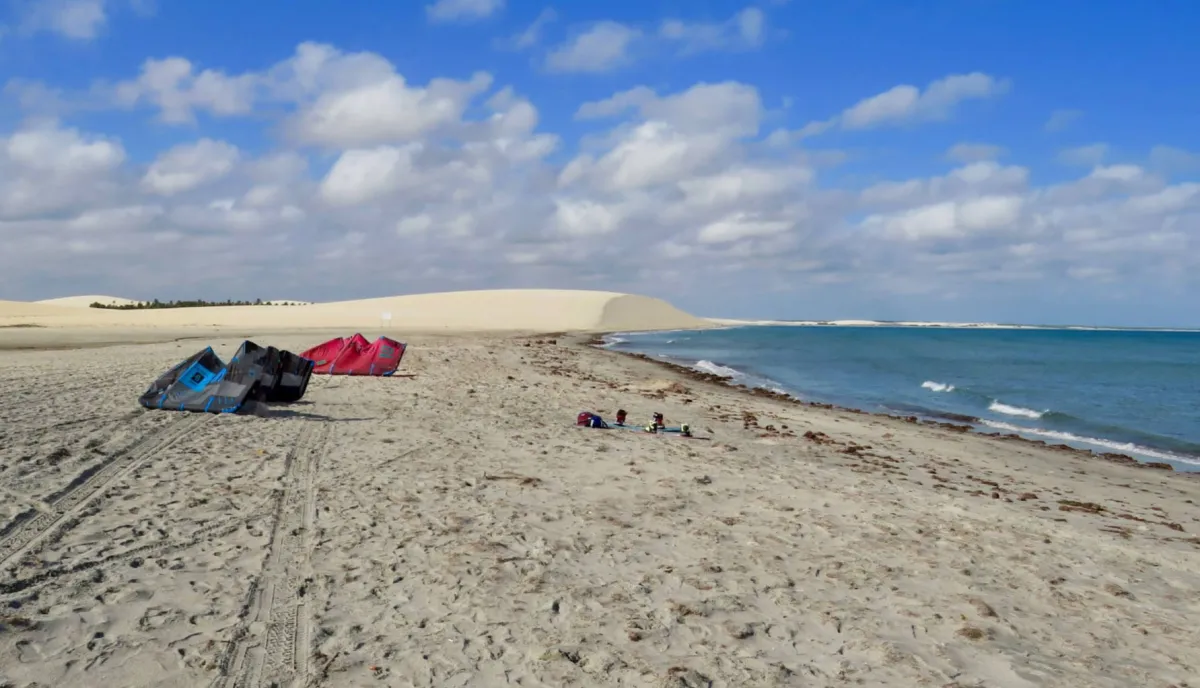
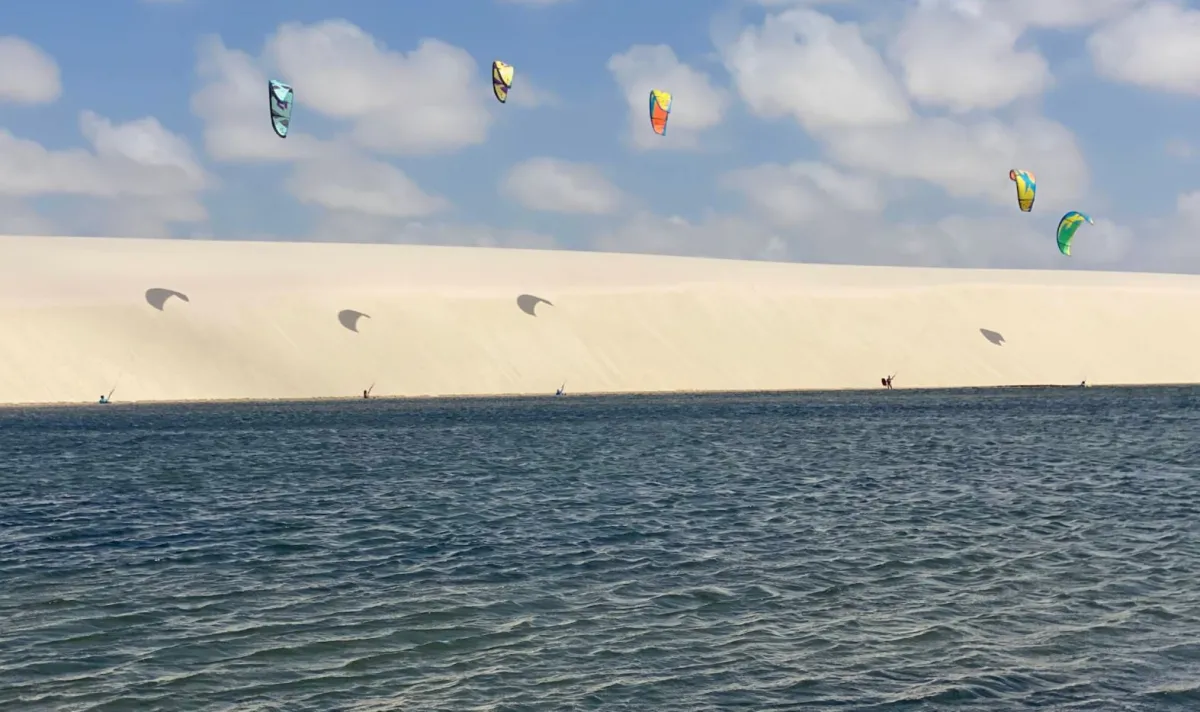
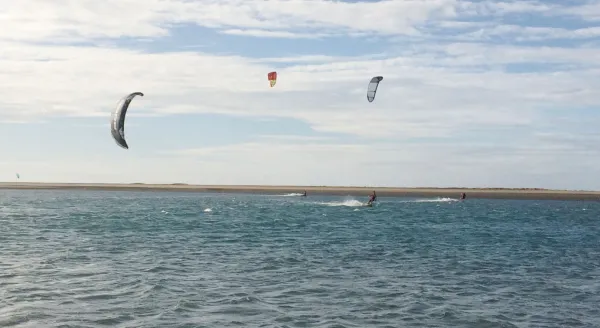
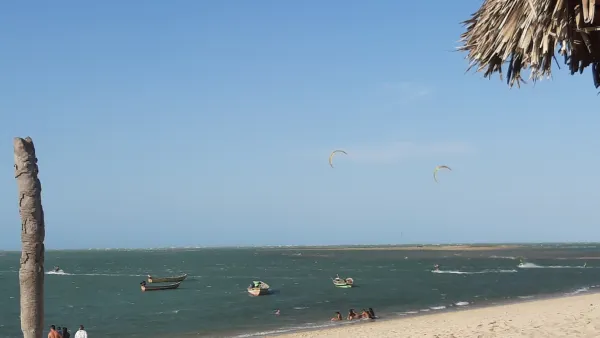
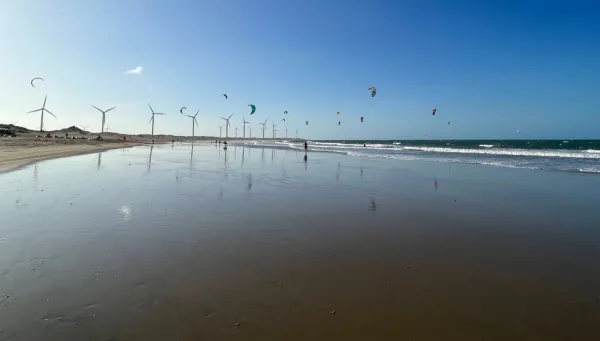
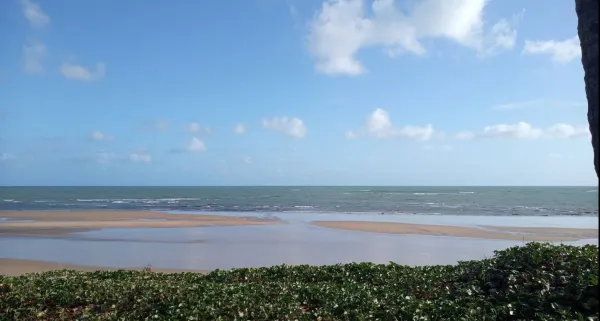
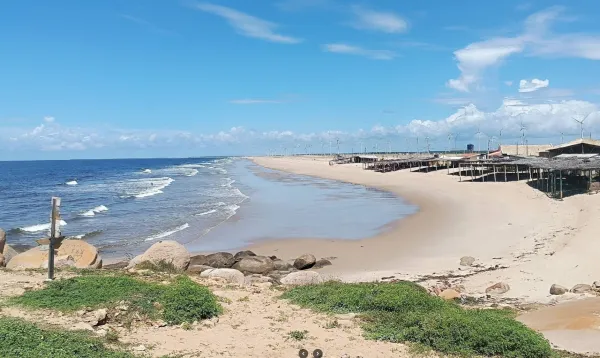
Jericoacoara, commonly known as Jeri, is one of Brazil's most famous wind sports destinations, located on the coast of Ceará, approximately 300 kilometres northwest of Fortaleza. Surrounded by the dunes and beaches of Jericoacoara National Park, the area benefits from powerful seasonal trade winds and access to several outstanding kitesurfing locations. Although the town itself is internationally recognised for windsurfing, kitesurfers generally use the surrounding beaches and lagoons, where open riding areas, reliable winds and varied water conditions create excellent opportunities for freeriding, freestyle, wave riding and downwinders.
The main kitesurfing season runs from July through January, with the most consistent conditions typically occurring between August and December. During the peak months, the prevailing easterly and southeasterly trade winds commonly average 20–25 knots, with stronger periods frequently exceeding these speeds. Winds generally build throughout the morning and become particularly reliable during the afternoon, providing excellent conditions for powered freeriding and jumping. The dry-season climate and open coastal exposure contribute to the area's reputation for dependable wind, although gusts and local wind shadows can occur near dunes and other terrain features.
An important distinction for visiting riders is that kitesurfing is not permitted on Jericoacoara's main town beach, which is primarily used by windsurfers and other beach users. Kitesurfers therefore need to travel to designated riding locations outside the central beach area. To the east, Preá is one of the most established alternatives, offering a long, exposed sandy coastline with strong winds, moderate chop and occasional waves. Farther along the coast, Barrinha provides additional riding opportunities, with a mixture of open-water conditions and sandy coastal sections. These beaches are particularly attractive to intermediate and advanced riders who enjoy powerful wind and spacious freeriding areas.
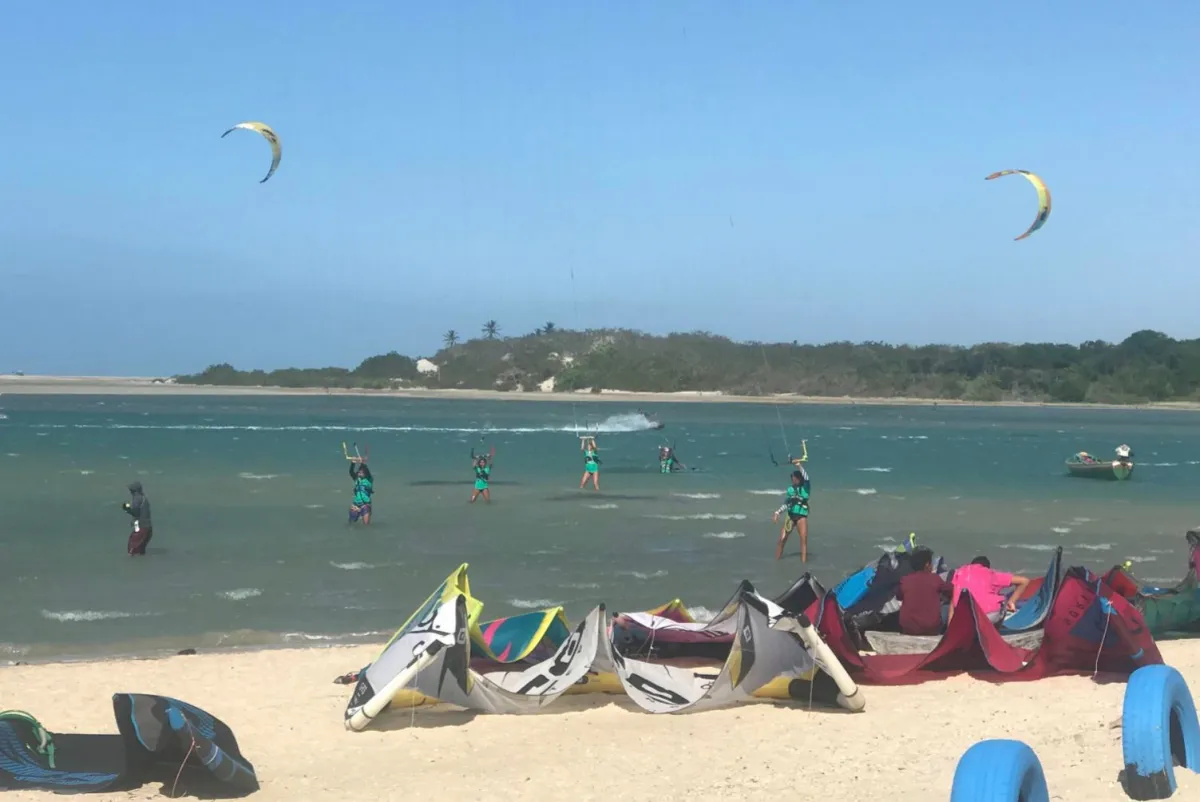
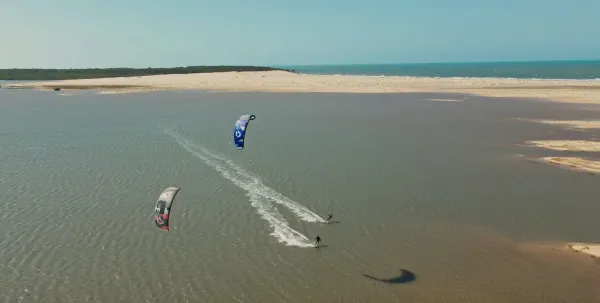
To the west of Jericoacoara, the Guriú and Tatajuba areas offer a different kitesurfing experience, with tidal lagoons, river mouths and sheltered flat-water sections. Depending on the tide, these locations can provide exceptionally smooth water, ideal for freestyle manoeuvres, transitions and technical riding. The surrounding sandbanks and channels create varied conditions, but water depth can change considerably throughout the day. At low tide, some sections become too shallow for safe jumping, while higher water levels can open additional riding areas. Local knowledge is particularly valuable when selecting the best lagoon and planning a session around the tide.
Jericoacoara is also a well-known starting point for coastal kitesurfing downwinders. Experienced riders can explore stretches of Ceará's coastline, combining open-ocean freeriding with stops at beaches and tidal lagoons along the route. Downwind trips toward Guriú and Tatajuba are especially appealing because of the variety of water conditions encountered along the way. However, these routes require careful planning, including an assessment of wind direction, currents, tides and suitable landing points. Organised downwinders with local guides and vehicle support are strongly recommended, particularly for riders unfamiliar with the coastline or travelling through remote sections.
The surrounding kitesurfing spots cater to different experience levels, although the strong trade winds can be demanding for beginners. Less experienced riders should seek professional instruction at suitable beaches or sheltered locations rather than attempting to launch in unfamiliar conditions. Intermediate riders can enjoy improving their upwind technique, jumping and wave control, while advanced kitesurfers will appreciate the powerful winds and extensive downwind possibilities. The main hazards include strong gusts, shorebreak, shallow lagoon sections, tidal currents and obstacles near launching areas. Riders should also respect national park regulations, local access restrictions and designated kitesurfing zones.
For anyone searching for kitesurfing in Jericoacoara, kiteboarding near Preá or flat-water lagoons around Guriú and Tatajuba, this region offers one of the most varied riding environments in northeastern Brazil. Its greatest attraction is the combination of exceptionally reliable seasonal winds, open Atlantic beaches, sheltered lagoons and long coastal downwinders. Although kitesurfing is restricted on Jeri's main beach, the surrounding coastline provides plenty of alternatives for riders seeking powerful freeriding conditions, freestyle progression and adventurous sessions along Ceará's spectacular coast.
Something missing or out of date at this spot? Suggest a correction
Spot Gallery (3)
Jericoacoara is best suited for
Spot profile
- Travel spotA proven kite destination with reliable conditions, worth a trip. Kiters fly in from all over the world for their kite holidays, and you will probably find schools, rentals and a lively kite scene nearby.
- Local spotNot worth a long trip, but a great option if you live nearby and the wind is on. Ideal for a quick session after work or a spare afternoon, without planning a whole trip.
Equipment
Kite sizes 7m & 9m for average 80kg riders. Shorty not necessary; shoes could be useful for sharp shells or pebbles in some areas.
Wind Conditions
Main wind directions
Windy days per month
Share of the days with more than 10 knots.
Wind speed range
15 - 35 knots
Calculate your kite size
Estimate for a rider of your weight at Jericoacoara: kite size = weight / wind speed x 2.2, adjusted for the kite shape and aspect ratio. Board, skills and gusts change the ideal size.
Forecast on Windy.com
Kitesurfing Safety & Local Rules at Jericoacoara
The main hazards around Jericoacoara, on Brazil's Ceará coast, are strong currents and rocky sections near the northern end of the beach. Although the surrounding coastline generally offers manageable riding conditions, currents can make it difficult to maintain position or recover equipment, particularly near exposed sections and tidal channels. Riders should remain clear of rocks, assess the water conditions before launching and avoid unfamiliar areas where currents may be stronger.
The prevailing trade winds are consistently strong during the main season from July to January, typically averaging 20–25 knots and occasionally exceeding this range. Powerful gusts can make launching, landing and kite control challenging, especially for beginners or riders using oversized equipment. Choose an appropriate kite size, monitor changing wind conditions and maintain sufficient downwind space to recover safely from mistakes.
Kitesurfing is not permitted on Jericoacoara's main beach, which is reserved for other beach activities and windsurfing. Riders should use established kitesurfing locations such as Preá and Barrinha and respect local access restrictions. Extra caution is needed during downwinders, where changing currents, rocky sections and unfamiliar landing points can complicate a safe return. Check the route beforehand and seek local guidance when exploring the surrounding coastline.
How to reach Jericoacoara
- Closest cityFortaleza
- How to get thereDrive or fly to Fortaleza and then take a 5-hour drive or taxi to Jericoacoara
- Accesspublic
No-Wind Days: What to Do Around Jericoacoara
Golden sand dunes, turquoise lagoons and a lively beachfront village make Jericoacoara one of the most captivating destinations in northeastern Brazil. Located on the coast of Ceará, approximately 300 kilometres northwest of Fortaleza, this former fishing village has developed into a popular international holiday destination while retaining its distinctive sandy streets and relaxed tropical atmosphere. Surrounded by protected landscapes within the Jericoacoara National Park, the area offers an exceptional variety of activities for non-kiting partners, families and travellers looking for adventure. From spectacular sunsets and freshwater lagoons to buggy excursions, restaurants and nightlife, Jericoacoara provides plenty of entertainment even when the wind is not cooperating.
One of Jericoacoara's most famous attractions is the Duna do Pôr do Sol, a large sand dune near the village where visitors traditionally gather to watch the sunset over the Atlantic Ocean. The dune offers panoramic views of the coastline and surrounding landscape, making it particularly popular for photography. Another iconic landmark is Pedra Furada, a natural rock arch sculpted by centuries of wind and wave erosion. It can be reached through scenic coastal walks, with routes depending on tidal conditions. Nearby Praia da Malhada provides a quieter alternative to the main beach, while the rocky Serrote hills offer additional viewpoints and walking opportunities within the national park.
The freshwater lagoons surrounding Jericoacoara are among the region's greatest attractions. Lagoa do Paraíso, near Jijoca de Jericoacoara, is particularly famous for its clear blue-green water, white sandy shores and hammocks suspended over the shallow lagoon. Visitors can spend the day swimming, relaxing at waterfront restaurants or enjoying the tropical scenery. Lagoa Azul offers another beautiful setting, although water levels and accessibility can vary with seasonal conditions. The region's smaller interdune lagoons are especially attractive after the rainy season, when freshwater collects between the dunes and creates striking contrasts between white sand and turquoise water.
Guided buggy and four-wheel-drive excursions are among the most popular ways to explore the landscapes surrounding Jericoacoara. Eastern routes commonly include Lagoa do Paraíso, Lagoa Azul and the famous Árvore da Preguiça, a wind-shaped tree that has become a distinctive local landmark. Western excursions often explore the Guriú River, Mangue Seco and Tatajuba, combining dunes, mangrove forests and beautiful coastal scenery. Tatajuba is particularly appealing for its freshwater lagoons, sandy landscapes and relaxed beach restaurants. Visitors should choose authorised local operators who respect the environmental restrictions protecting the national park's dunes and sensitive habitats.
Nature lovers can explore the mangroves around Mangue Seco and the Guriú River, where guided canoe excursions provide opportunities to observe coastal wildlife. The area is particularly known for its seahorse habitat, although sightings are not guaranteed and responsible operators should avoid handling or disturbing the animals. Birdwatching, photography and peaceful boat trips are other enjoyable activities. Horseback riding and guided walks offer alternative ways to experience the surrounding beaches and dunes, while stand-up paddleboarding, canoeing and swimming may be possible in suitable sheltered waters.
Jericoacoara also has a vibrant village atmosphere that rewards exploration on foot. Its sandy streets are lined with small shops, handicraft stalls, cafés, restaurants and colourful bars. Visitors can browse locally made jewellery, beachwear and traditional Brazilian crafts or simply enjoy the lively atmosphere around the central square. Yoga classes, massages and wellness treatments are available through various local establishments, providing relaxing alternatives to outdoor excursions. Cultural activities, occasional festivals, live music and capoeira performances contribute to the village's distinctive character, although schedules vary throughout the year.
Food is one of Jericoacoara's major attractions, with a remarkably diverse restaurant scene for a relatively small coastal village. Traditional Brazilian dishes such as feijoada, moqueca and grilled seafood are widely available, alongside regional specialities featuring shrimp, fish, cassava and tropical ingredients. International restaurants serve everything from Italian cuisine and pizza to contemporary fusion dishes, while casual beachfront establishments offer fresh juices, cocktails and light meals. As evening approaches, Jericoacoara becomes noticeably livelier, with beach bars, live music, cocktail stalls and occasional parties attracting visitors from around the world. The nightlife is among the most developed on Ceará's western coast, making the village particularly appealing to travellers who enjoy socialising after sunset.
Accommodation in Jericoacoara ranges from affordable hostels and family-run pousadas to boutique hotels, luxury resorts and private holiday rentals. Many properties feature tropical gardens, swimming pools, rooftop terraces and wellness facilities, while beachfront accommodation offers convenient access to restaurants and the village's main attractions. Staying near the centre is ideal for visitors who want to enjoy nightlife and explore on foot, whereas properties on quieter streets provide a more peaceful atmosphere. Nearby Preá offers additional beachfront accommodation and a less crowded environment for travellers who prefer to stay outside the busy village. Availability can become limited during Brazilian holidays and the main tourist season, so booking ahead is advisable.
Reaching Jericoacoara requires some planning because the village is surrounded by sandy terrain and protected natural landscapes. Visitors can arrive through Fortaleza or the smaller Jericoacoara Regional Airport, depending on available flights, and continue by road transfer. The final approach to the village generally involves authorised transport suitable for sandy tracks, while private vehicle circulation within Jericoacoara is restricted. Visitors should also be aware of the municipal Sustainable Tourism Fee and check current access requirements through the official Jericoacoara visitor information. Once in the village, most restaurants, shops and local attractions are easily accessible on foot, although organised excursions are recommended for exploring the surrounding lagoons and dunes.
Jericoacoara offers an exceptional combination of natural beauty, outdoor adventure and vibrant Brazilian coastal culture. During no-wind days, visitors can relax in freshwater lagoons, explore spectacular dunes, discover mangrove ecosystems, hike to Pedra Furada or enjoy the village's restaurants and nightlife. With its extensive accommodation options, welcoming international atmosphere and easy access to some of Ceará's most remarkable landscapes, Jericoacoara is an excellent destination for couples, families and non-kiting partners seeking an active and memorable tropical holiday.
Local Kitesurfing Schools
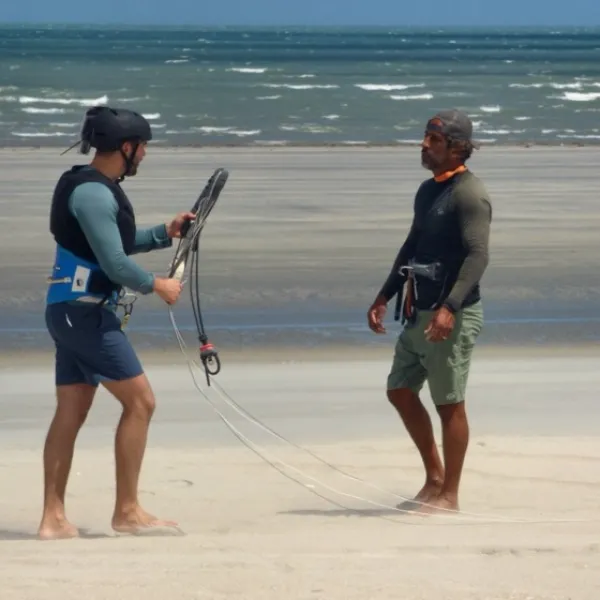
Following you can find links to the page of the kitesurfing schools which operate on this spot. From there you can contact them through our form or directly via email or phone (if it was provided by them on the page).
Other kitesurfing spots near Jericoacoara
All kitesurfing spots in Brazil
Last updated: