
Kitesurfing in Pedra do Sal
Parnaíba · Brazil
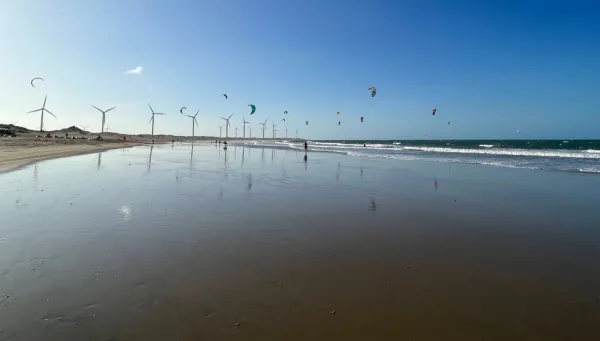
- Spot type Wave
- Rider level intermediate
- Water Crystal Clear
- Beach Sand
- Crowd Some bystanders
- Tide effect None
Kitesurfing in Pedra do Sal: Conditions, Wind & Season
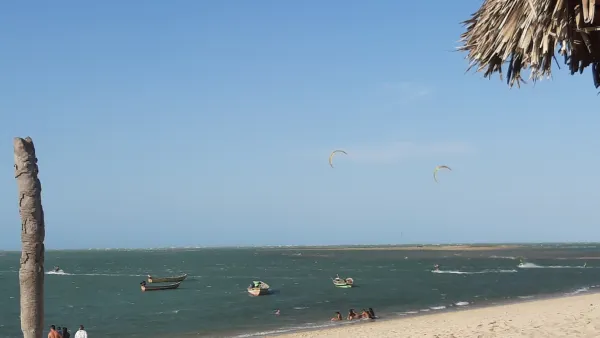
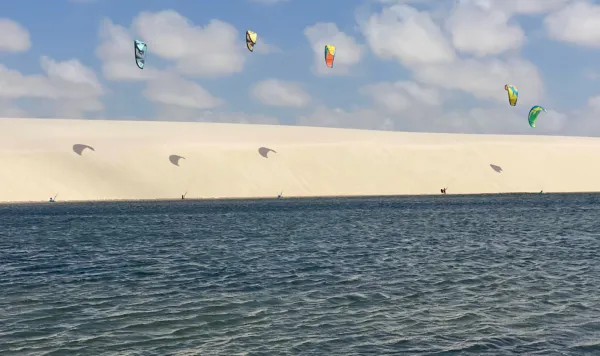
Luís Correia and Pedra do Sal are two kitesurfing locations on the coast of Piauí, northeastern Brazil, close to the Parnaíba River Delta and the border with Maranhão. Luís Correia lies east of the city of Parnaíba, while Pedra do Sal is situated farther west, on the Atlantic-facing coastline near Ilha Grande. Together, these areas offer a varied kitesurfing environment combining wide sandy beaches, shallow coastal waters, flat-water sections and small to medium-sized waves. Compared with the more established kitesurfing centres in neighbouring Ceará, this stretch of coastline generally offers quieter riding conditions and plenty of space for freeriding, wave riding and coastal downwinders.
The main kitesurfing season runs from late July through mid-January, when the prevailing northeasterly trade winds provide frequent opportunities for riding. The strongest and most consistent conditions generally occur between October and December, when regional trade winds are reinforced by local thermal effects. Wind strength often increases throughout the morning and remains favourable during the afternoon, allowing riders to enjoy extended sessions. The open coastal geography provides good exposure to the prevailing winds, although local conditions can vary around river mouths, dunes and sheltered sections of the shoreline. Checking the wind direction at the chosen launching area is particularly important because the coastline changes orientation between the different beaches.
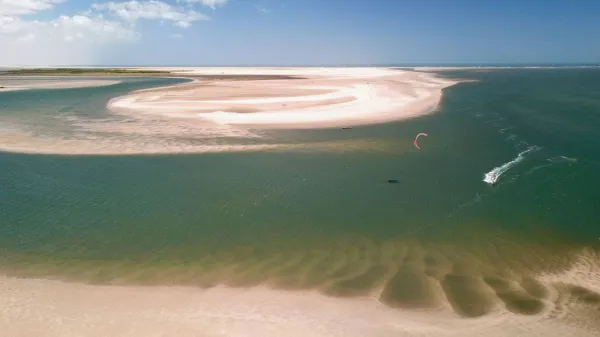
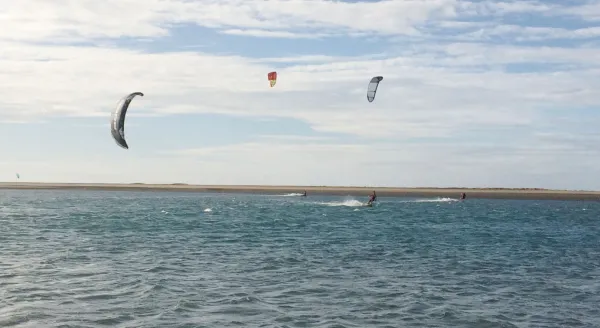
Water conditions around Luís Correia vary according to the beach, tide and exposure to Atlantic swell. Some shallow coastal sections offer relatively smooth water during favourable conditions, making them suitable for freeriding, transitions and freestyle progression. More exposed areas develop moderate chop and small waves, particularly when the wind strengthens or the tide rises. The extensive sandy coastline provides opportunities for longer freeriding runs, while changing sandbanks can create sheltered sections with smoother water. However, riders should not assume that every beach offers the same conditions, as currents, shorebreak and water depth can change considerably along the coast.
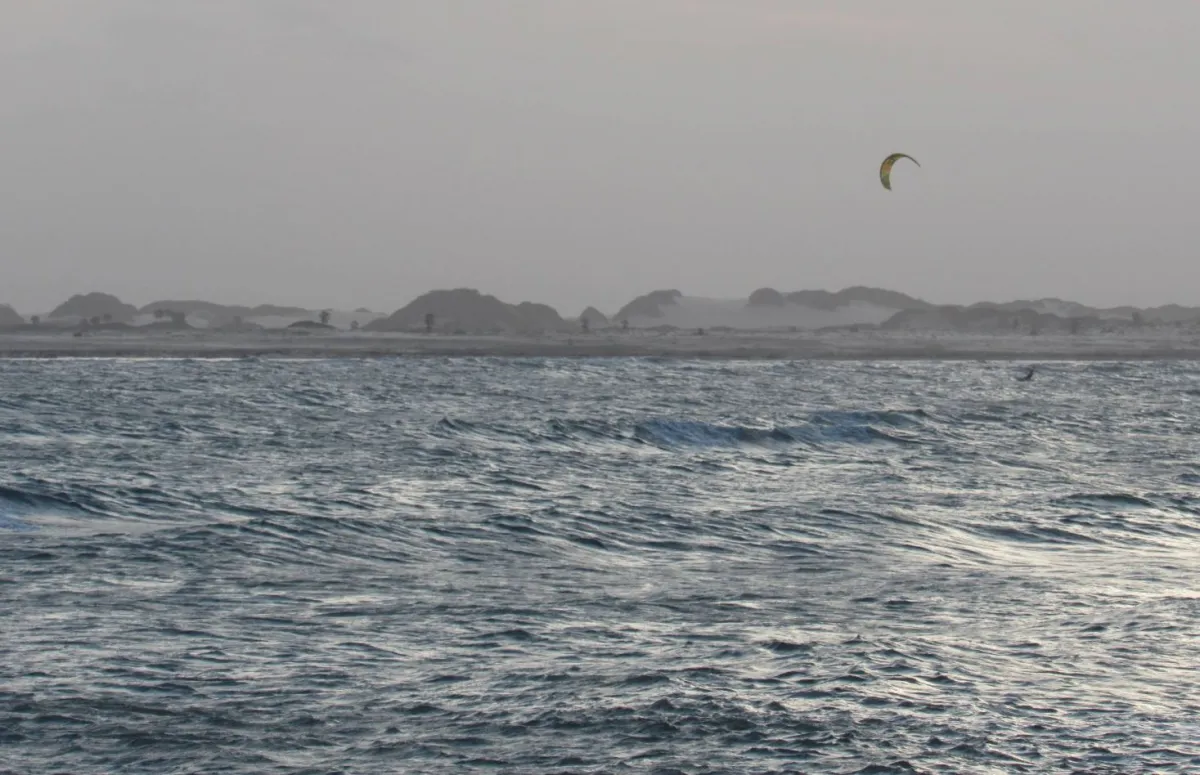
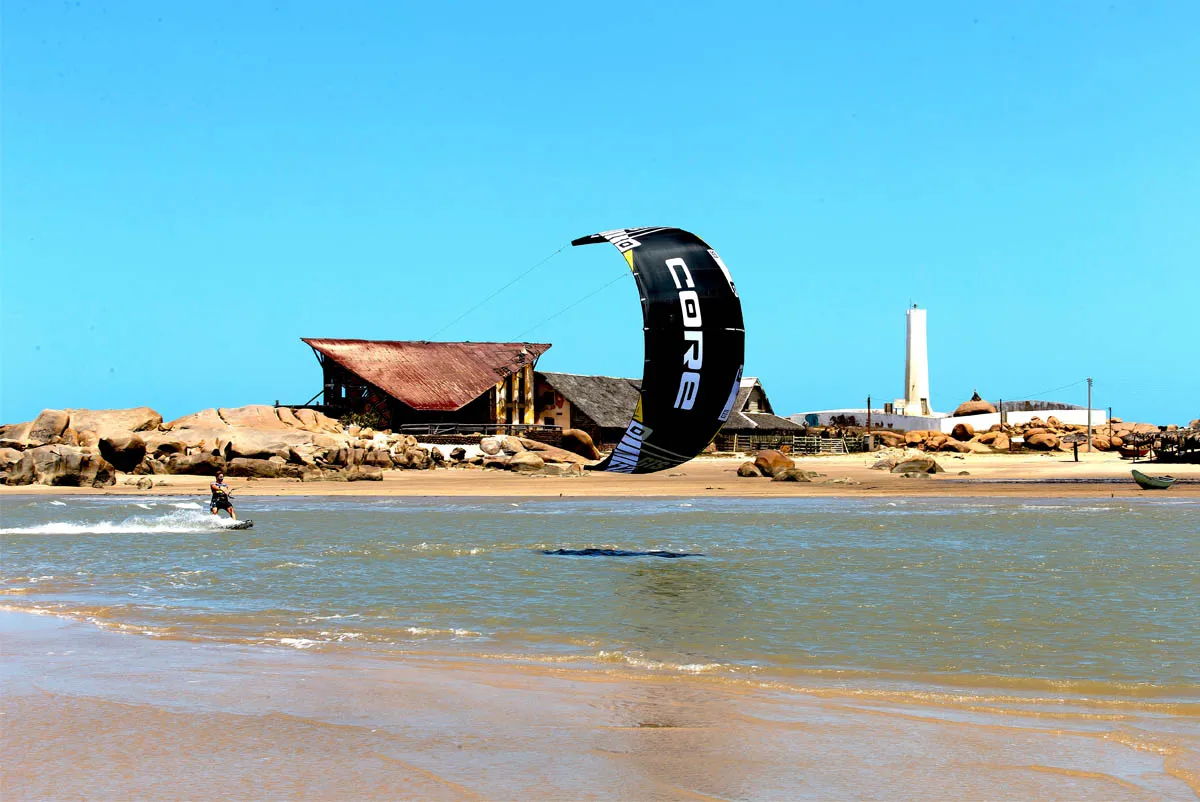
Pedra do Sal offers a somewhat different riding environment, with greater exposure to Atlantic waves and sections of coastline influenced by rocky formations and shifting sandbanks. Depending on the tide and swell, riders may encounter small to medium-sized waves suitable for strapless kiteboarding and wave manoeuvres. More sheltered sections can provide manageable chop for twin-tip freeriding, although wave quality and water depth vary throughout the day. Experienced riders will appreciate the combination of wind and swell, while less confident kitesurfers should carefully assess the conditions before launching. Particular attention is required near rocky areas, where shallow water and breaking waves can create additional hazards.
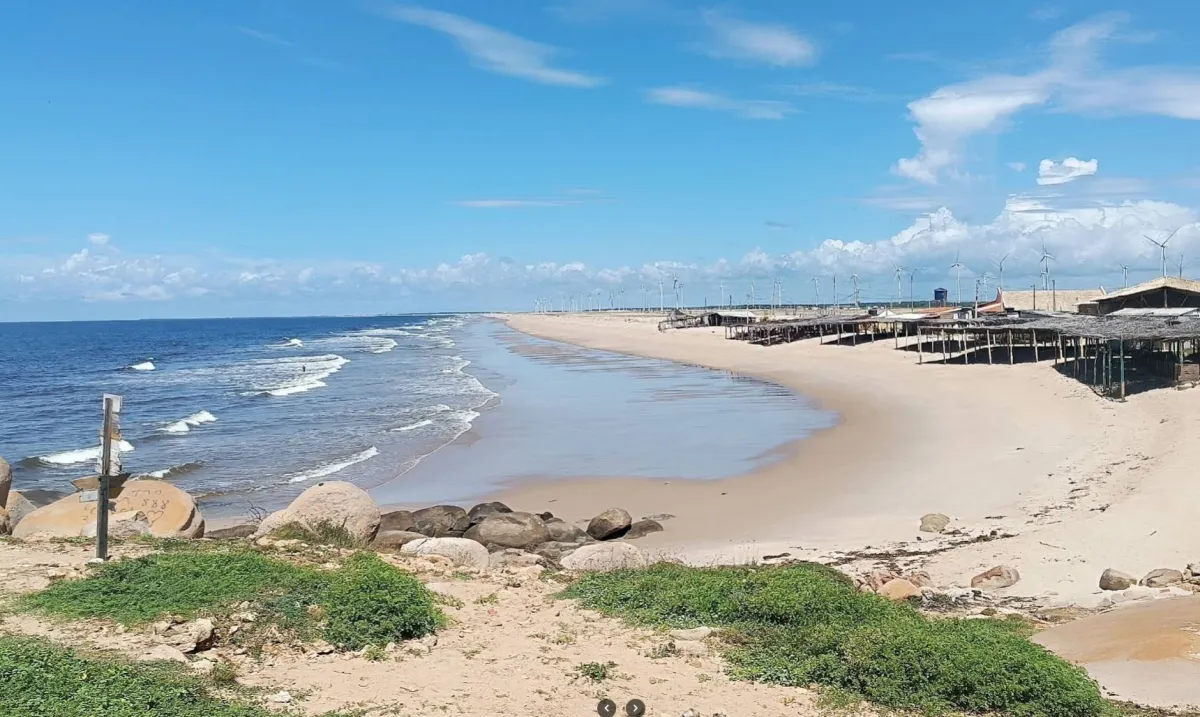
Launching and landing conditions are generally convenient thanks to the extensive sandy beaches found throughout the region. At lower tides, the shoreline often provides generous space for preparing equipment and launching safely, while higher water levels may reduce the available beach width. Shallow water can make entering and exiting easier in suitable areas, but riders should check for submerged obstacles, sandbanks and uneven bottom conditions. Around Pedra do Sal, rocky sections require particular caution, and launching should be limited to clear sandy areas with sufficient downwind space. Assisted launching and landing are recommended, especially during stronger winds or when riding from unfamiliar beaches.
Coastal downwinders are among the most appealing kitesurfing experiences around Luís Correia and the Parnaíba region. The prevailing northeasterly winds can provide favourable conditions for exploring longer stretches of coastline, combining open-water freeriding with sections of chop, small waves and occasional sheltered water. These excursions are best suited to intermediate and advanced riders who are comfortable maintaining control in changing conditions. Local operators can assist with route planning, transportation and logistical support, which is particularly valuable along remote beaches with limited access. Riders should also account for tidal currents near river mouths, fishing activity and the possibility of difficult landing conditions along unfamiliar sections of coast.
For anyone searching for kitesurfing in Luís Correia, kiteboarding at Pedra do Sal or alternative wind destinations near the Parnaíba River Delta, this part of Piauí offers an appealing combination of reliable seasonal winds, spacious beaches and varied Atlantic conditions. Its greatest attraction is the opportunity to enjoy uncrowded freeriding, small-wave sessions and adventurous coastal downwinders within the same region. With the most favourable winds generally arriving between October and December, Luís Correia and Pedra do Sal provide rewarding alternatives for kitesurfers exploring Brazil's northeastern coastline.
Something missing or out of date at this spot? Suggest a correction
Spot Gallery (3)
Pedra do Sal is best suited for
Spot profile
- Travel spotA proven kite destination with reliable conditions, worth a trip. Kiters fly in from all over the world for their kite holidays, and you will probably find schools, rentals and a lively kite scene nearby.
Equipment
Shorty wetsuit recommended for cooler evenings, kite sizes from 9 to 12 meters
Wind Conditions
Main wind directions
Windy days per month
Share of the days with more than 10 knots.
Wind speed range
15 - 25 knots
Calculate your kite size
Estimate for a rider of your weight at Pedra do Sal: kite size = weight / wind speed x 2.2, adjusted for the kite shape and aspect ratio. Board, skills and gusts change the ideal size.
Forecast on Windy.com
Kitesurfing Safety & Local Rules at Pedra do Sal
The main hazard at Luís Correia and Pedra do Sal, near Brazil's Parnaíba River Delta, is the presence of strong currents in river channels and around mangrove areas. Tidal flows can make it difficult to maintain position, recover a board or return to the intended landing point, particularly near river mouths. Avoid entering unfamiliar channels without local guidance and remain aware of how tidal changes affect current strength and direction.
Although the extensive beaches generally provide convenient launching conditions, shallow water and changing sandbanks require attention. Water depth can vary considerably with the tides, increasing the risk of injury during jumps or hard landings. Exposed coastal sections may also feature small to medium-sized waves and stronger chop, while the northeast winds can become particularly powerful between October and December. Choose an appropriate kite size and assess the conditions before launching.
Downwinders along this stretch of coastline can involve river crossings, tidal channels and remote sections with limited opportunities for landing safely. Riders should plan their routes carefully, identify suitable exit points and avoid approaching mangroves where currents or obstacles could complicate self-rescue. Using experienced local operators for longer downwind trips is advisable, especially when navigating unfamiliar parts of the delta.
How to reach Pedra do Sal
- Closest cityParnaíba
- How to get thereFly to Fortaleza or São Luís and then drive to the spot
- Accesspublic
No-Wind Days: What to Do Around Pedra do Sal
Stretching along the beautiful coastline of Piauí in northeastern Brazil, Luís Correia and Pedra do Sal offer a fascinating combination of Atlantic beaches, traditional fishing communities and easy access to the remarkable Parnaíba River Delta. Although both destinations are closely connected to the delta region, they have distinct characters: Luís Correia is a lively coastal municipality known for its beaches and holiday atmosphere, while Pedra do Sal, on Ilha Grande near Parnaíba, offers a quieter setting with rocky formations, broad sandy shores and spectacular sunsets. Together, they provide an attractive destination for couples, families and non-kiting partners seeking outdoor adventures, local culture and relaxation. During no-wind days, visitors can explore mangrove waterways, discover secluded beaches, observe wildlife or enjoy fresh seafood overlooking the Atlantic Ocean.
The beaches of Luís Correia are among the main attractions of Piauí's relatively short but beautiful coastline. Praia de Atalaia is one of the most popular, with a broad sandy shoreline, beachfront restaurants and a lively atmosphere during weekends and Brazilian holidays. Praia do Coqueiro offers a more relaxed environment with coconut palms, small accommodation properties and places to enjoy fresh seafood. Farther along the coast, Macapá and Maramar provide quieter landscapes, tidal channels and opportunities for long beach walks and photography. Swimming conditions vary considerably with tides, waves and currents, particularly near river mouths and sandbanks, so visitors should follow local advice before entering the water.
Pedra do Sal is particularly attractive for its distinctive rocky coastline, which contrasts with the extensive sandy beaches found elsewhere in the region. Large rock formations divide sections of the shoreline and create beautiful natural scenery, especially during low tide. The beach is also known for its spectacular sunsets, when visitors gather to watch the changing colours over the Atlantic. Traditional fishing boats, simple beach establishments and a relatively undeveloped atmosphere contribute to its charm. The rocky areas can be slippery, and waves or currents may be strong along exposed sections, making caution important when exploring or swimming.
One of the most rewarding excursions from either destination is exploring the Parnaíba Delta Environmental Protection Area, one of northeastern Brazil's most remarkable natural environments. Guided boat tours navigate a complex network of river channels, mangrove forests, sandy islands and coastal wetlands. Excursions commonly depart from Porto dos Tatus, near Ilha Grande, and may include stops at remote beaches, dunes and traditional fishing communities. The delta's changing landscapes provide excellent opportunities for photography, nature observation and discovering a quieter side of Brazil's coastline.
Wildlife watching is one of the highlights of the Parnaíba Delta, particularly the opportunity to observe scarlet ibises, locally known as *guarás*. These bright red birds are especially impressive when gathering in groups near their evening roosting areas, although sightings depend on the season, tides and natural wildlife movements. Herons, egrets, kingfishers and other coastal birds can also be seen throughout the wetlands. Guided excursions may visit mangrove channels and islands where visitors can observe wildlife from a respectful distance. Responsible operators should avoid approaching nesting areas or disturbing sensitive habitats, helping preserve the delta's exceptional biodiversity.
The nearby city of Parnaíba provides additional cultural attractions and services. Its historic Porto das Barcas district reflects the city's past as an important centre of river commerce, with traditional buildings, handicraft shops and restaurants. Visitors can explore local markets, discover regional products and experience everyday life in one of Piauí's principal coastal cities. Cultural celebrations, occasional festivals and live music events offer opportunities to experience northeastern Brazilian traditions, particularly during public holidays and regional festivities. Parnaíba also provides a broader selection of shops, supermarkets and restaurants than the smaller beachfront communities.
Food is an important part of the experience in Luís Correia and Pedra do Sal, with local restaurants specialising in fresh fish, shrimp, crab and traditional northeastern Brazilian dishes. Grilled seafood, fish stews, rice, cassava and regional preparations featuring coconut or local seasonings are common choices. Beachfront establishments around Atalaia and Coqueiro offer relaxed dining with ocean views, while Parnaíba provides a wider selection of restaurants, cafés and international options. Nightlife is generally livelier in Luís Correia during weekends and holiday periods, with beach bars, music and social gatherings. Pedra do Sal has a quieter atmosphere, making it more suitable for peaceful evenings and sunset drinks than late-night entertainment.
Accommodation in the region ranges from affordable guesthouses and family-run pousadas to comfortable hotels, beachfront holiday rentals and small nature-oriented lodgings. Luís Correia offers convenient access to beaches and restaurants, with properties around Atalaia and Coqueiro particularly suitable for visitors seeking a traditional seaside holiday. Pedra do Sal has fewer accommodation options, appealing to travellers who prefer a more secluded coastal setting. Parnaíba provides the widest selection of hotels, apartments and everyday services, making it a practical base for exploring both the coastline and the delta. Some islands within the delta also offer rustic accommodation for visitors seeking a more immersive nature experience. Advance booking is recommended during Brazilian holidays and the busiest travel periods.
Luís Correia, Pedra do Sal and Parnaíba are connected by road, making it possible to explore the region with a rental car or organised transfers. Parnaíba has a regional airport with flight availability that may vary, while larger airports elsewhere in northeastern Brazil provide additional arrival options. A rental car is particularly useful for visiting different beaches, reaching Porto dos Tatus and exploring coastal communities at a relaxed pace. Boat excursions are necessary for reaching many parts of the delta, and itineraries depend on tides, weather and local navigation conditions. Visitors should arrange excursions through experienced operators and confirm departure times in advance.
For travellers looking to combine beautiful beaches, natural exploration and authentic Brazilian coastal culture, Luís Correia and Pedra do Sal provide an excellent introduction to the Piauí coastline. During no-wind days, visitors can discover the rocky landscapes of Pedra do Sal, relax on the beaches of Luís Correia, explore Parnaíba's historic waterfront or take a guided boat excursion through the extraordinary Parnaíba Delta. With varied accommodation, delicious seafood, rich birdlife and access to one of Brazil's most distinctive coastal ecosystems, the region offers plenty of memorable experiences for couples, families and non-kiting partners.
Other kitesurfing spots near Pedra do Sal
All kitesurfing spots in Brazil
Last updated: