
Kitesurfing in Atins
São Luis · Brazil
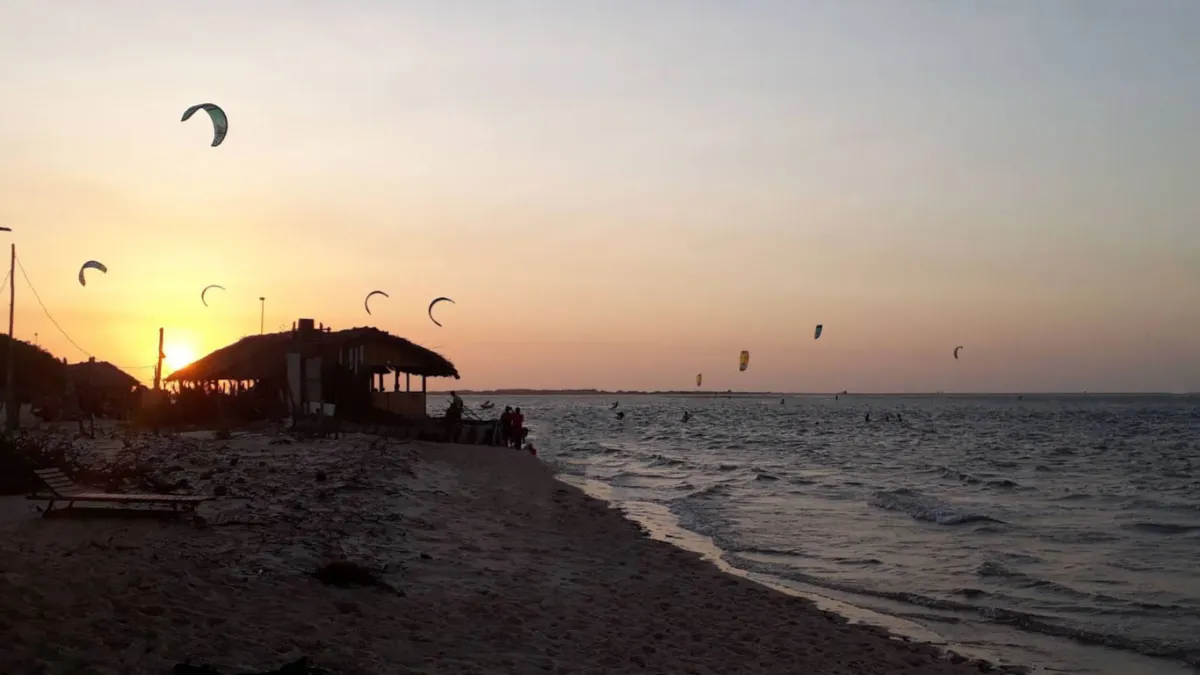
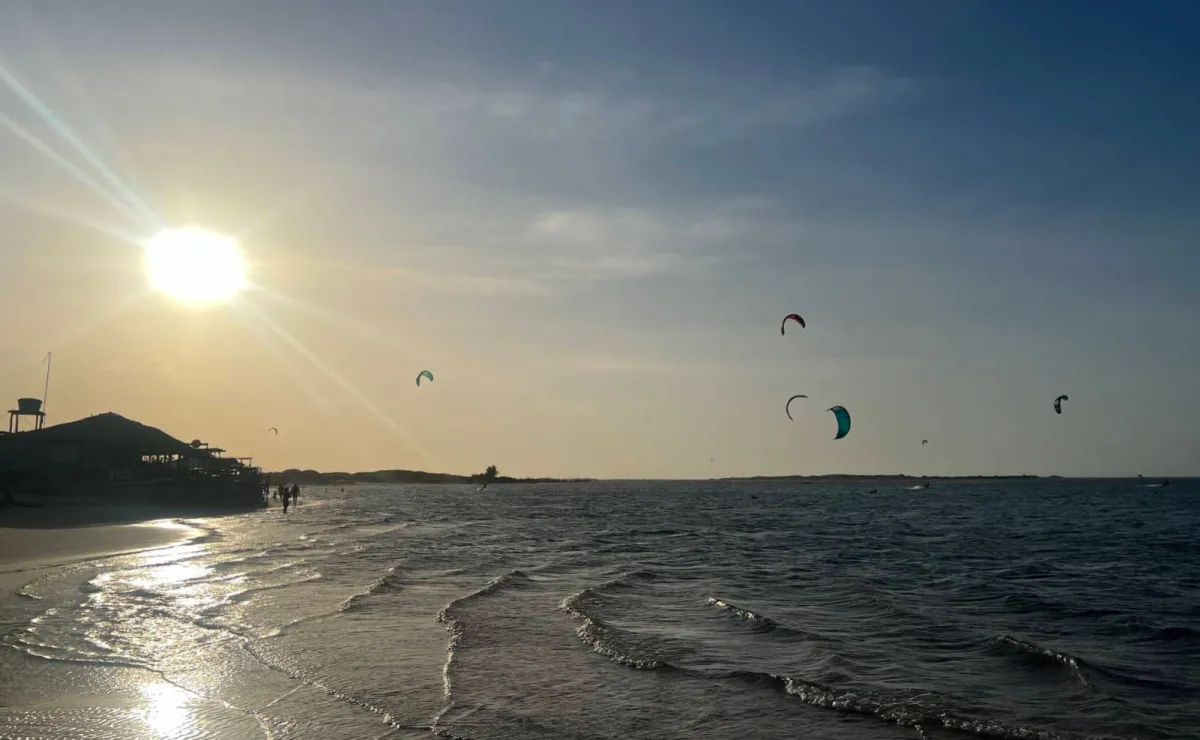
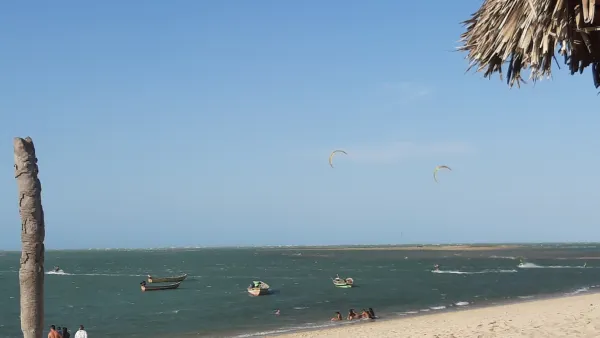
- Spot type Flat
- Rider level beginner
- Water Crystal Clear
- Beach Sand
- Crowd Few people
- Tide effect Conditions vary
Kitesurfing in Atins: Conditions, Wind & Season
Laguna Melincué is a freshwater kitesurfing destination in the southern part of Santa Fe Province, Argentina, near the town of Melincué. Covering approximately 120 square kilometres, this expansive shallow lagoon offers a distinctive alternative to the country's better-known coastal and mountain kiteboarding spots. Surrounded by the open landscapes of the Argentine Pampas, Laguna Melincué combines broad stretches of water, relatively unobstructed winds and a peaceful natural setting. The lagoon has also been recognised as a Ramsar Wetland of International Importance since 2008, making responsible use of its sensitive environment particularly important.
Wind conditions at Laguna Melincué are influenced by the weather systems crossing Argentina's central plains. The open terrain allows winds from different directions to reach the lagoon, creating opportunities for kitesurfing throughout much of the year. Spring and summer can provide enjoyable riding conditions, although strong winds may also accompany passing weather fronts in other seasons. Unlike destinations with a highly predictable daily thermal wind, Laguna Melincué depends more heavily on regional weather patterns. Riders should therefore check forecasts carefully and select their launching location according to the day's wind direction and strength.
The lagoon's main attraction is its extensive shallow water, which can provide excellent conditions for flat-water freeriding and freestyle. During lighter winds, sheltered sections may become relatively smooth, allowing riders to practise transitions, board control and technical manoeuvres. Stronger winds can generate short, wind-driven chop across the lagoon's broad surface, particularly where the wind has a long, unobstructed fetch. Although Laguna Melincué does not offer ocean waves, its size creates plenty of space for longer freeriding runs and powered sessions. Water depth and surface conditions can vary with rainfall, seasonal changes and prevailing winds.
Laguna Melincué can be attractive to both developing and experienced kitesurfers, provided they choose suitable conditions and launching areas. Beginners may appreciate the shallow water and absence of ocean swell, but professional instruction is still important, especially when winds become strong or gusty. Intermediate riders can use the open water to improve upwind technique, transitions and controlled jumps, while advanced kitesurfers may find opportunities for freestyle and powered freeriding. The shallow sections are less suitable for hydrofoil riding, which requires sufficient depth and careful attention to underwater obstacles.
Launching conditions depend on the specific section of shoreline being used. Parts of the lagoon have muddy banks, wetland vegetation and soft sediment rather than conventional sandy beaches, so riders should inspect their entry and exit points before preparing equipment. Water levels can also change the amount of accessible shoreline. A suitable launch should provide clear space for kite handling, an unobstructed wind direction and a safe downwind area. Because the lagoon is large, riders should avoid drifting far from their starting point without a reliable plan for returning to shore.
The main safety considerations include variable wind strength, shallow areas, muddy bottom conditions and rapidly changing weather. Thunderstorms can develop across the Pampas, bringing sudden gusts and dangerous wind shifts, particularly during warmer months. Riders should also be cautious of submerged vegetation and uneven underwater terrain. Laguna Melincué's protected wetland status means that sensitive habitats and wildlife areas must be respected, and local access restrictions should be checked before launching. Avoiding nesting areas and keeping equipment away from vulnerable shoreline vegetation helps preserve the lagoon's ecological value.
For anyone searching for kitesurfing at Laguna Melincué, flat-water kiteboarding in Santa Fe or freshwater kitesurfing spots in Argentina, this expansive lagoon offers an appealing combination of shallow water, open landscapes and room to ride. Its greatest attraction is the opportunity to enjoy freeriding and freestyle in a spacious inland environment without ocean swell or tidal influences. Although wind reliability, changing water levels and shoreline access require careful planning, Laguna Melincué remains an interesting destination for kitesurfers looking to explore Argentina's lesser-known freshwater riding locations.
Something missing or out of date at this spot? Suggest a correction
Spot Gallery (6)
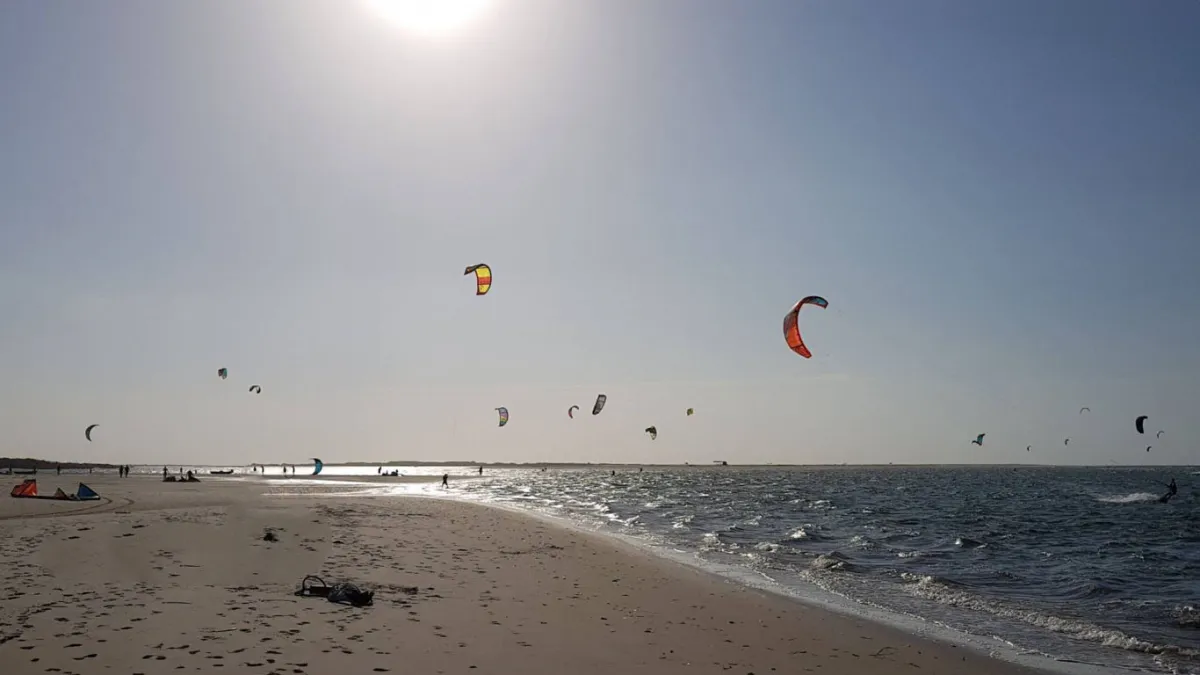
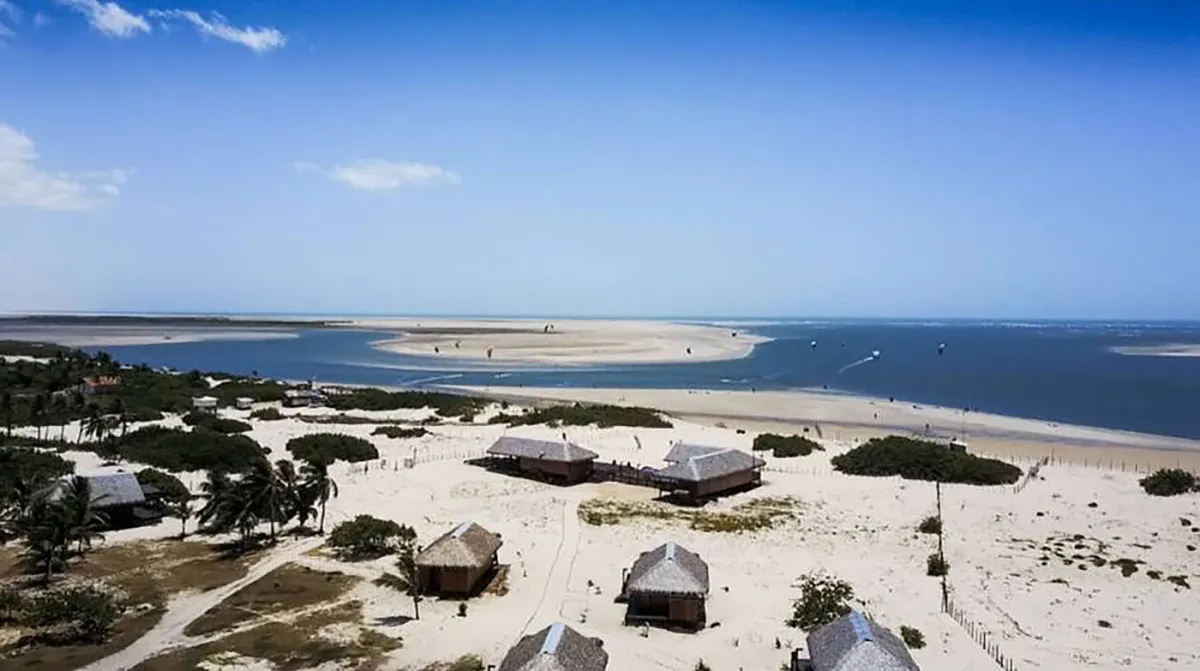
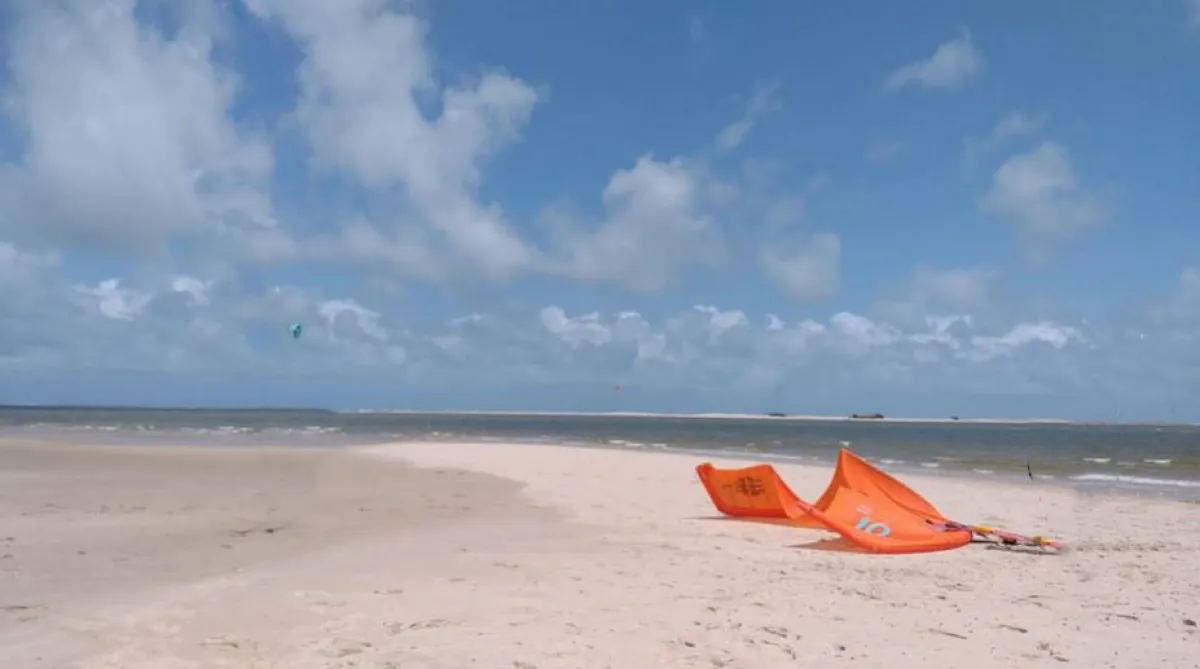
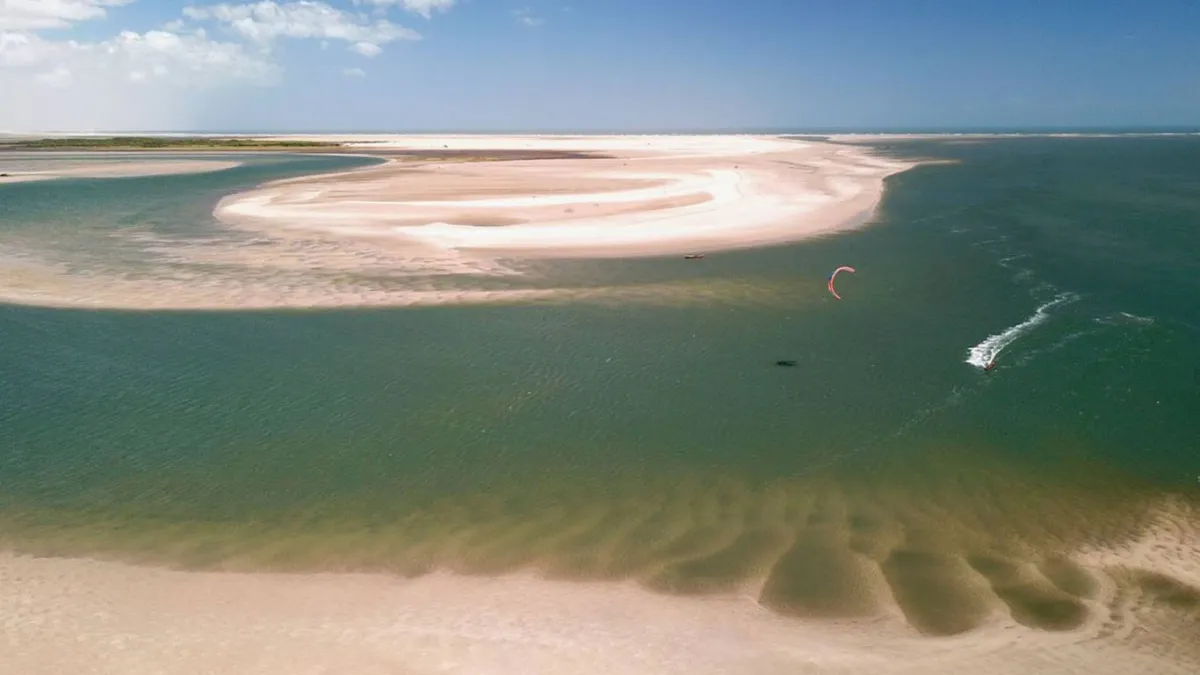
Atins is best suited for
Spot profile
- Travel spotA proven kite destination with reliable conditions, worth a trip. Kiters fly in from all over the world for their kite holidays, and you will probably find schools, rentals and a lively kite scene nearby.
- Adventure spotFar from the tourist trail, this is a spot you have to earn. The journey is part of the adventure, and at the end you find empty water, wild scenery and the feeling of having discovered a secret few kiters know.
Equipment
No wetsuit needed; rash guard recommended
Wind Conditions
Main wind directions
Windy days per month
Share of the days with more than 10 knots.
Wind speed range
15 - 30 knots
Calculate your kite size
Estimate for a rider of your weight at Atins: kite size = weight / wind speed x 2.2, adjusted for the kite shape and aspect ratio. Board, skills and gusts change the ideal size.
Forecast on Windy.com
Kitesurfing Safety & Local Rules at Atins
The main hazards at Atins, near Lençóis Maranhenses National Park in Brazil, are rip currents and changing tidal conditions around the mouth of the Rio Preguiças. Currents can become particularly challenging near channels and areas where river water meets the ocean, potentially carrying riders away from their intended route. Shifting sandbanks and changing water depths can also create unexpected shallow sections. Check the tide and local conditions before launching, and avoid unfamiliar channels without guidance from experienced local riders.
The cross-onshore winds typically range from 15 to 30 knots during the main kitesurfing season, with stronger days requiring confident kite control. Ocean waves and shorebreak can make water entry and kite relaunching more demanding, while the shallow flat-water lagoons that form at low tide present risks during jumps and hard landings. Assess water depth carefully, choose an appropriate kite size and avoid performing powered manoeuvres over shallow sandbanks.
Atins is relatively remote, and access to assistance may be limited compared with more developed kitesurfing destinations. Equipment failures or injuries can become more serious when riding far from established launching areas, particularly near river channels or isolated stretches of coastline. Maintain a safe distance from strong currents, identify suitable return points and ensure you have reliable self-rescue skills. Following local guidance is especially important when exploring unfamiliar lagoons and tidal areas.
How to reach Atins
- Closest citySão Luis
- How to get thereFly to São Luis Airport and then take a 4-hour bus/car ride to Barreirinhas. From Barreirinhas, take a 1-hour boat ride along the Rio Preguiças to reach Atins.
- AccessPublic
No-Wind Days: What to Do Around Atins
Beyond kitesurfing, Atins offers an exceptional combination of natural beauty, outdoor adventures and peaceful village life on the coast of Maranhão, northeastern Brazil. Located at the mouth of the Preguiças River, near the spectacular Lençóis Maranhenses National Park, this small fishing village is surrounded by sandy beaches, mangroves and enormous white dunes. Its relaxed atmosphere makes it particularly appealing for a kitesurfing trip with non-kiters, couples or families seeking a tropical escape away from busy resorts. No-wind days are an opportunity to explore one of Brazil's most extraordinary landscapes.
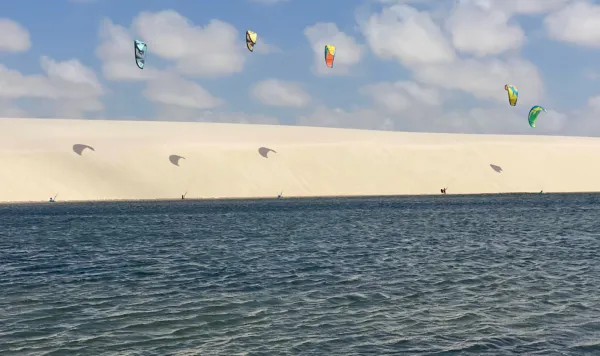
The main attraction is undoubtedly Lençóis Maranhenses National Park, recognised as a UNESCO World Heritage Site in 2024. The park is famous for its immense white-sand dunes and seasonal freshwater lagoons, which fill during the rainy season and create breathtaking natural swimming pools. Guided excursions from Atins take visitors into the dune fields, where they can walk across the sand, swim in suitable lagoons and enjoy spectacular sunsets. The lagoons are generally at their fullest after the rainy season, often between June and September, although water levels vary each year.
Exploring the dunes is possible through guided hiking, horseback riding and authorised 4x4 excursions on designated routes. Longer trekking adventures can take visitors deeper into the national park, passing remote landscapes and small traditional communities. Because the area is protected, motorised vehicles are restricted to authorised routes and accredited operators. Visitors should follow the official national park visitor guidelines when planning excursions. Bringing drinking water, sun protection and suitable footwear is essential, particularly for longer walks across exposed dunes.
The Preguiças River offers another beautiful setting for outdoor activities. Boat excursions explore the river's winding waterways, mangrove forests and small riverside communities, with opportunities to observe birds and discover the region's traditional fishing culture. Depending on the itinerary, visitors can explore places such as Caburé and Mandacaru, known for its lighthouse and panoramic views of the surrounding coastline. Kayaking and stand-up paddleboarding may also be possible in sheltered areas when conditions are suitable, providing a quieter way to experience the river and its natural surroundings.
Atins itself is an inviting place to slow down. The village's sandy streets, rustic buildings and palm-fringed surroundings create an atmosphere far removed from large tourist resorts. Visitors can spend the afternoon relaxing in a hammock, walking along the beach or watching fishing boats return to shore. Fishing excursions can sometimes be arranged with local guides, while sunset walks around the river mouth offer beautiful views of the changing coastal landscape. Swimming in the sea or river requires caution because currents, tides and water conditions can change considerably.
Despite its small size, Atins has developed an appealing food scene. Local restaurants specialise in fresh seafood, particularly grilled fish and shrimp, while several establishments also serve international dishes, homemade pasta and contemporary Brazilian cuisine. The village is especially known for its relaxed outdoor dining, with rustic restaurants and pousadas offering meals in tropical gardens or near the beach. Nightlife remains relatively quiet, with informal bars and restaurants providing opportunities to enjoy an evening drink rather than large clubs or organised entertainment.
Accommodation in Atins ranges from simple hostels, family-run guesthouses and traditional pousadas to stylish boutique lodges and luxury eco-retreats. Many properties feature tropical gardens, hammocks, swimming pools or open-air communal spaces designed around the village's relaxed lifestyle. Budget travellers can find modest accommodation, while couples and families seeking greater comfort have a growing selection of upscale options. Electricity and mobile connectivity are available in the village, but internet performance can be inconsistent, particularly at more remote properties. Booking ahead is recommended during the main tourist and kitesurfing seasons.
Reaching Atins requires additional planning compared with more accessible Brazilian beach destinations. Most visitors travel first to Barreirinhas, the main gateway to Lençóis Maranhenses, before continuing by boat along the Preguiças River or by authorised off-road transport. The journey is part of the adventure, passing mangrove landscapes, sandy tracks and small riverside settlements. Once in Atins, visitors generally move around on foot or use local transport, as the sandy streets are unsuitable for conventional vehicles. For longer excursions, accommodation providers can often help arrange guides and transfers.
For anyone planning a kitesurfing holiday in Atins and wondering what else there is to do, the destination offers an unforgettable combination of adventure and relaxation. A no-wind day can include swimming in freshwater lagoons, hiking across enormous dunes, exploring the Preguiças River or simply enjoying fresh seafood and a hammock beneath the palm trees. With its remarkable natural surroundings, varied accommodation and peaceful village atmosphere, Atins is one of Brazil's most appealing destinations for combining kitesurfing with a memorable tropical holiday.
Other kitesurfing spots near Atins
All kitesurfing spots in Brazil
Last updated: