
Kitesurfing in Delta do Parnaiba
Parnaíba · Brazil
- Spot type Flat
- Rider level beginner
- Water Dark - Clear
- Beach Sand
- Crowd No people
- Tide effect Conditions vary
Kitesurfing in Delta do Parnaiba: Conditions, Wind & Season
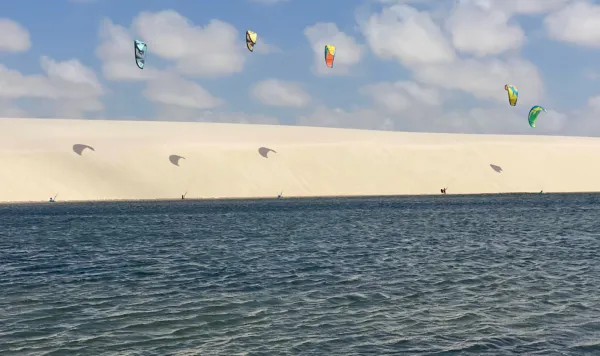
The Parnaíba River Delta, known locally as Delta do Parnaíba, is one of the most distinctive kitesurfing areas in northeastern Brazil, stretching along the coast between the states of Piauí and Maranhão. Near the cities of Parnaíba and Ilha Grande, this extensive river delta creates a remarkable network of islands, sandy beaches, tidal channels and sheltered waterways. Unlike conventional oceanfront kite spots, the delta offers a combination of flat-water sections, shallow sandbanks and open coastal riding, making it particularly attractive to adventurous kitesurfers seeking uncrowded conditions and varied terrain.
The main kitesurfing season generally runs from July through November, when the prevailing easterly and southeasterly trade winds provide frequent riding opportunities. Wind speeds commonly range between 15 and 25 knots during favourable periods, with stronger conditions possible during the peak season. The most reliable winds are typically associated with the dry season, when northeastern Brazil experiences its strongest trade-wind patterns. Exposed beaches and open channels can receive relatively clean airflow, while areas sheltered by islands or vegetation may experience gusts and wind shadows. Choosing the right location according to the day's wind direction is therefore essential.
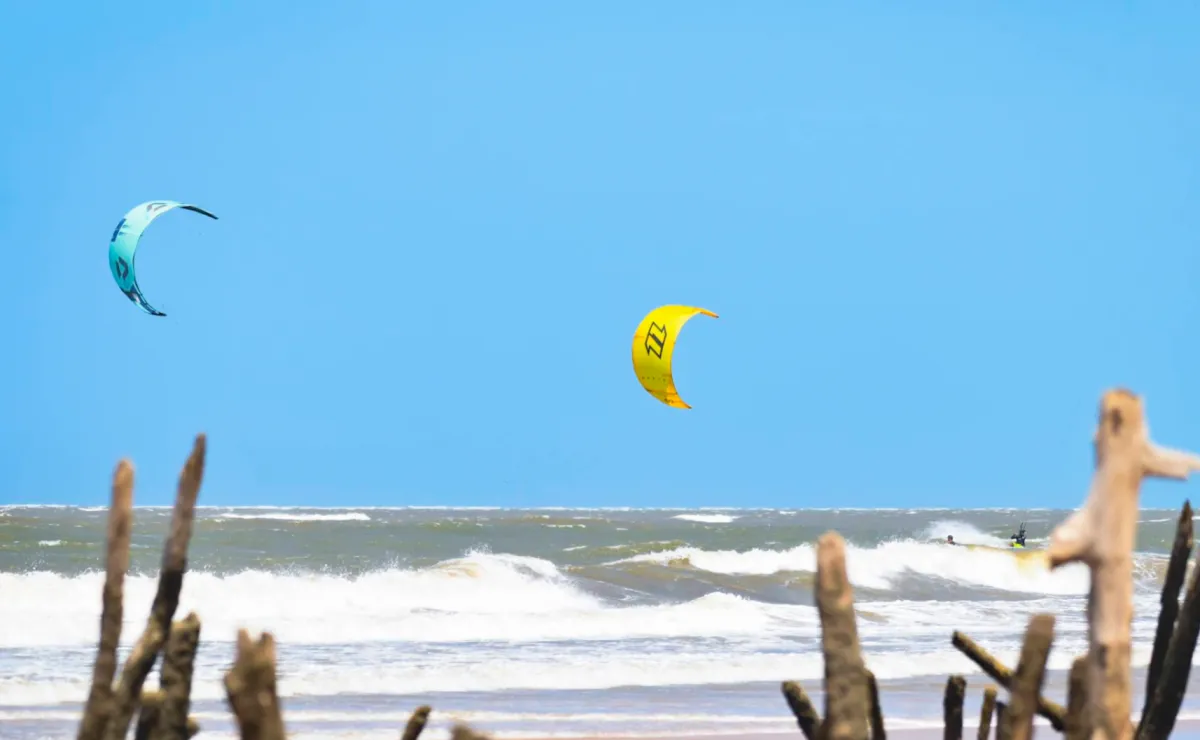
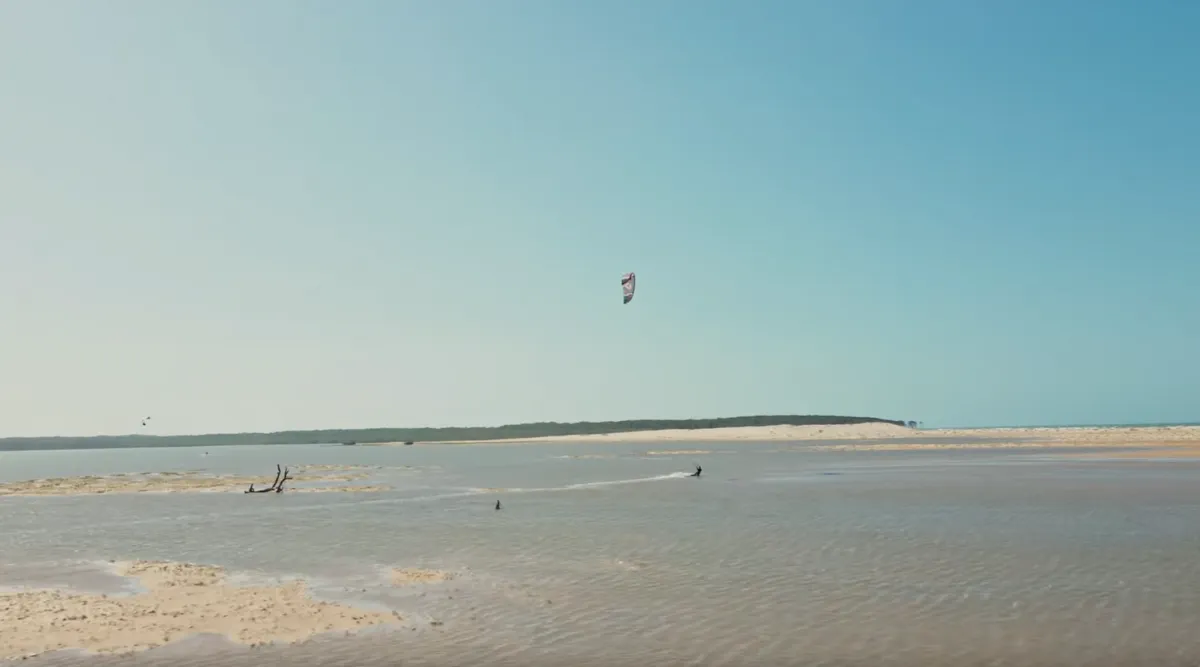
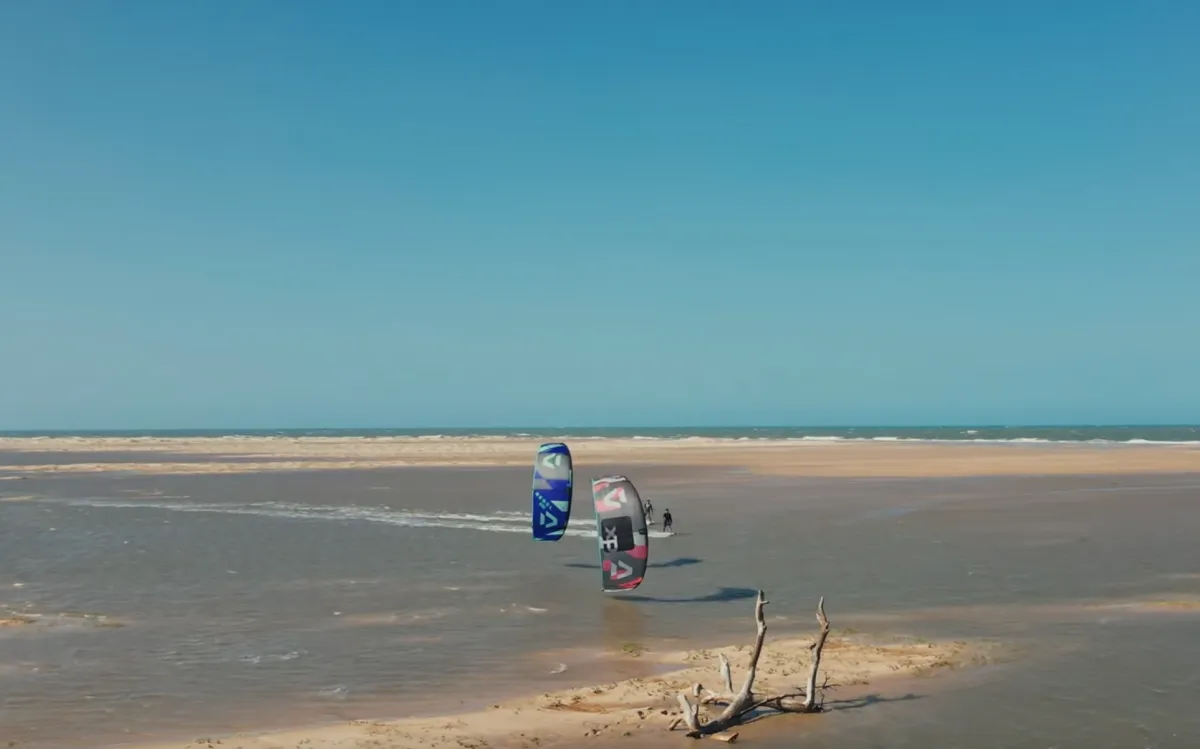
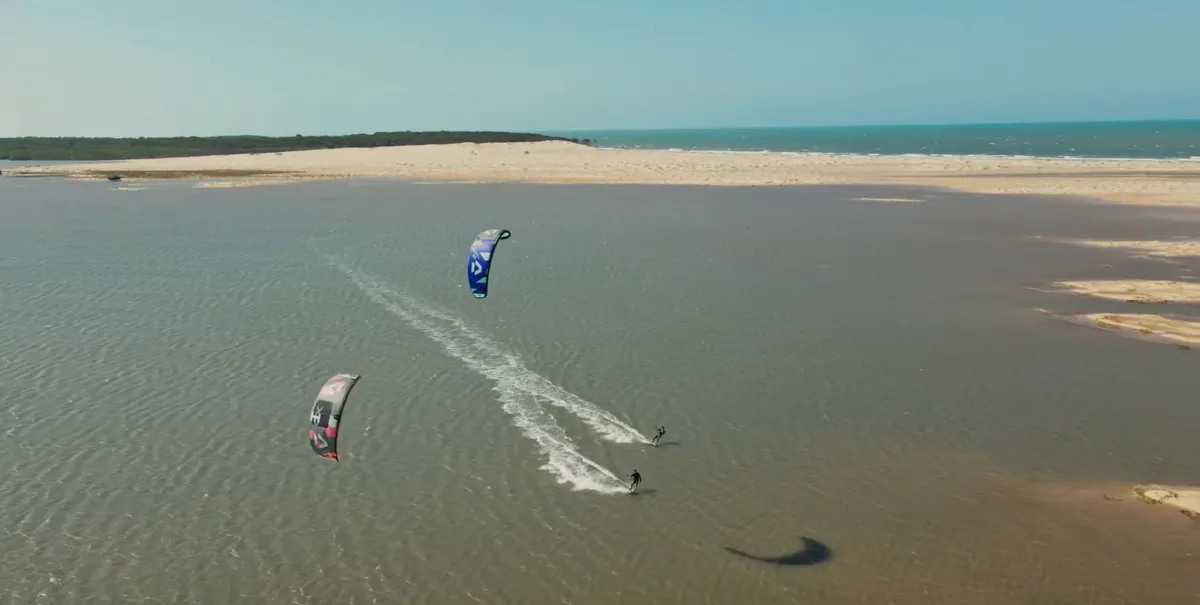
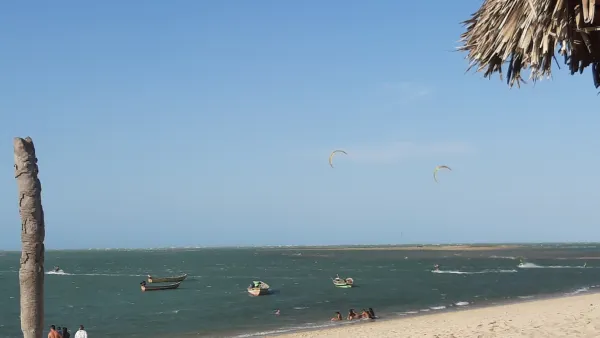
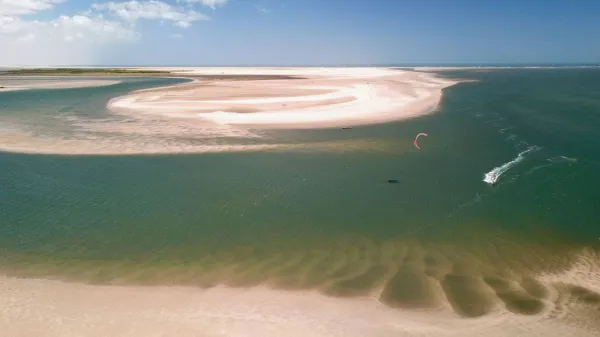
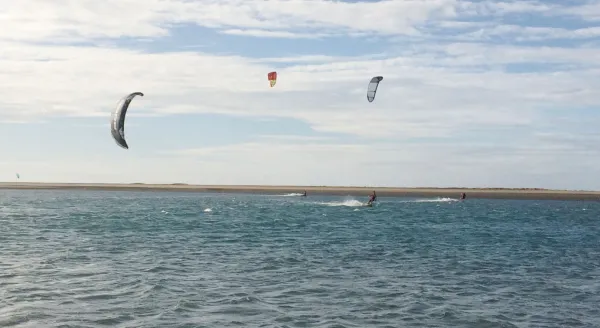
One of the delta's greatest attractions is the variety of water conditions created by its complex geography. Sheltered channels and shallow tidal areas can provide exceptionally smooth water, ideal for freeriding, freestyle and practising technical manoeuvres. Other sections develop moderate chop, particularly where the wind crosses wider stretches of open water. Along the outer coastline, riders may encounter small waves and more exposed ocean conditions. The interaction between river flow, tides and shifting sandbanks means that the riding environment can change significantly throughout the day, offering different possibilities depending on water levels and wind strength.
The Canárias area, around Ilha das Canárias, is among the locations associated with kitesurfing in the Parnaíba Delta. Its sheltered waterways and shallow sections can offer appealing flat-water conditions when the wind and tide align. These areas may be suitable for developing riders under professional supervision, while experienced kitesurfers can enjoy freestyle and longer freeriding runs through the delta's open channels. However, the presence of flat water does not automatically make every location beginner-friendly. Currents, changing depths and complicated access routes require careful assessment, particularly for riders unfamiliar with the estuary.
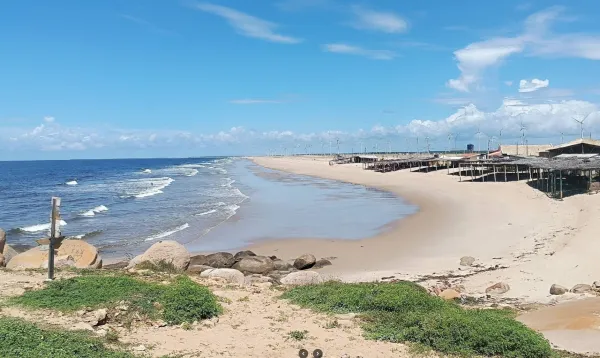
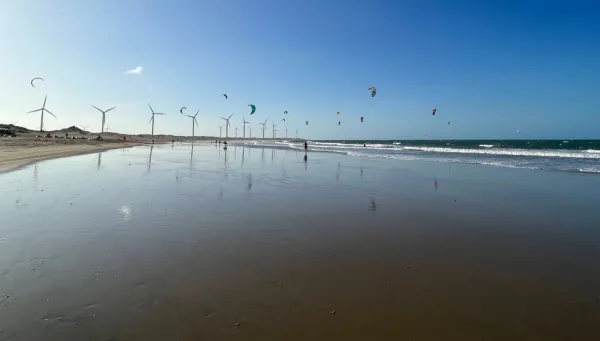
Launching conditions vary considerably throughout the delta. Some sandy beaches and exposed sandbanks provide generous space for preparing equipment, while other locations have narrow shorelines, soft mud or dense vegetation. Tidal changes can expose new launching areas or submerge previously accessible sections, making advance planning important. Many of the more remote riding locations require boat access or guidance from local operators familiar with the waterways. Riders should identify safe entry and exit points, avoid launching close to mangroves and maintain sufficient clearance from boats and other obstacles.
The main safety considerations include strong tidal currents, shifting sandbanks, changing water depths and the possibility of becoming disoriented within the delta's extensive network of channels. River flow can combine with tidal movement to create powerful currents, particularly near narrow passages and river mouths. Shallow areas may also conceal submerged obstacles, making jumping and hydrofoil riding hazardous without reliable knowledge of the bottom. Because many locations are remote and rescue assistance may be limited, guided sessions and organised downwinders are strongly recommended. The delta is also an environmentally sensitive area, so riders should respect protected habitats and avoid disturbing mangroves and wildlife.
For anyone searching for kitesurfing in the Parnaíba River Delta, flat-water kiteboarding near Parnaíba or adventurous kitesurfing spots in Piauí and Maranhão, this extraordinary coastal environment offers a combination of reliable seasonal winds, sheltered waterways and extensive sandy riding areas. Its greatest appeal is the opportunity to explore different flat-water and coastal conditions away from crowded beaches. Although tides, currents and remote access demand preparation and local knowledge, the Parnaíba Delta is a rewarding destination for experienced kitesurfers looking for a distinctive riding experience in northeastern Brazil.
Something missing or out of date at this spot? Suggest a correction
Spot Gallery (4)
Delta do Parnaiba is best suited for
Spot profile
- Travel spotA proven kite destination with reliable conditions, worth a trip. Kiters fly in from all over the world for their kite holidays, and you will probably find schools, rentals and a lively kite scene nearby.
- Adventure spotFar from the tourist trail, this is a spot you have to earn. The journey is part of the adventure, and at the end you find empty water, wild scenery and the feeling of having discovered a secret few kiters know.
Equipment
Kiteboard, harness, kite leash, helmet, and booties for protection. No wetsuit is required due to warm water.
Wind Conditions
Main wind directions
Windy days per month
Share of the days with more than 10 knots.
Wind speed range
12 - 25 knots
Calculate your kite size
Estimate for a rider of your weight at Delta do Parnaiba: kite size = weight / wind speed x 2.2, adjusted for the kite shape and aspect ratio. Board, skills and gusts change the ideal size.
Forecast on Windy.com
Kitesurfing Safety & Local Rules at Delta do Parnaiba
The main hazards at the Parnaíba River Delta, between the Brazilian states of Piauí and Maranhão, are strong tidal currents, rip currents and rapidly changing water conditions around the river mouths. Currents can become particularly powerful during high tide and tidal transitions, making it difficult to maintain position or return to the starting point. Riders should avoid unfamiliar channels, assess tidal conditions carefully and seek local guidance before exploring the delta's more remote waterways.
The delta's extensive sandbanks and winding channels change considerably with the tide, creating shallow sections and submerged obstacles that may not be immediately visible. Even in sheltered flat-water areas such as Canárias, unexpected changes in depth can cause injuries during jumps or hard landings. Check water levels before attempting powered manoeuvres, remain alert to shifting sandbars and avoid entering narrow channels without a clear exit route.
Seasonal winds generally range from 15 to 25 knots between July and November, but their interaction with tidal currents can make riding more demanding than the flat water initially suggests. The delta's complex geography also makes navigation and equipment recovery challenging in isolated areas. Maintain a safe distance from sensitive wildlife habitats, respect local access rules and avoid riding far from established launching points without reliable self-rescue skills and knowledge of the local conditions.
How to reach Delta do Parnaiba
- Closest cityParnaíba
- How to get thereFly into Parnaíba Airport and then drive or take a boat to the delta.
- AccessPublic
No-Wind Days: What to Do Around Delta do Parnaiba
A maze of tropical islands, mangrove forests, winding rivers and shifting sand dunes makes the Parnaíba River Delta one of northeastern Brazil's most remarkable natural destinations. Located between the states of Piauí and Maranhão, where the Parnaíba River meets the Atlantic Ocean, the delta offers an extraordinary setting for nature lovers, photographers and adventurous travellers. Its relatively undeveloped islands, traditional fishing communities and rich wildlife provide plenty of activities for no-wind days, making it particularly attractive for kitesurfers travelling with non-kiting partners or families who enjoy exploring remote coastal landscapes.
One of the most rewarding experiences is taking a guided boat excursion through the delta's extensive network of waterways. Departing from Porto dos Tatus, near Ilha Grande in Piauí, tours navigate mangrove channels, river branches and small islands, offering opportunities to observe the region's distinctive ecosystem. Depending on the itinerary, excursions may include stops at sandy beaches, dunes and traditional riverside communities. The changing scenery, from dense mangroves to open estuaries and Atlantic coastline, makes these trips particularly appealing for photography and wildlife watching.
The delta is especially famous for its birdlife, including the spectacular scarlet ibis, known locally as the *guará*. Guided late-afternoon excursions sometimes visit areas where these bright red birds gather to roost, creating one of the region's most memorable natural spectacles. Herons, egrets, kingfishers and other waterbirds can also be observed throughout the wetlands. Sightings depend on the season, tides and wildlife movements, and visitors should choose responsible operators who maintain appropriate distances from sensitive habitats.
The islands of the Parnaíba Delta offer opportunities to experience a quieter side of Brazilian coastal life. Ilha das Canárias is particularly interesting for its fishing communities, sandy landscapes and natural surroundings. Visitors can explore local settlements, walk along isolated beaches and learn about traditional livelihoods connected to fishing and the river. Some excursions also visit areas around Ilha do Caju, known for its dunes, coastal vegetation and wildlife habitats. Access to certain islands and protected areas may be restricted, making local guides especially valuable when planning excursions.
The delta's sand dunes and beaches provide another attractive alternative during no-wind days. Guided walks and boat excursions can lead to remote stretches of sand where visitors can enjoy photography, beachcombing and the peaceful coastal atmosphere. Depending on local conditions, kayaking and stand-up paddleboarding may also be possible in sheltered waterways. However, strong tidal currents, changing sandbanks and boat traffic make independent exploration challenging, so guided activities are generally preferable, particularly for visitors unfamiliar with the delta.
For a change of scenery, the nearby city of Parnaíba offers restaurants, markets, historic architecture and a wider selection of services. Its Porto das Barcas district, historically associated with river trade, is an interesting place to explore local heritage, handicrafts and traditional buildings. Visitors can also travel to nearby coastal destinations such as Praia da Pedra do Sal and Luís Correia, where beaches, seafood restaurants and a more developed tourist infrastructure provide alternatives to the delta's remote islands.
Food is an important part of the experience, with local pousadas and restaurants serving fresh fish, shrimp, crab and traditional northeastern Brazilian dishes. Meals often feature rice, cassava, coconut-based preparations and regional ingredients, reflecting the area's fishing heritage. Dining on the islands is generally simple and informal, while Parnaíba offers a broader selection of restaurants and cafés. Nightlife within the delta itself is limited, with evenings better suited to relaxing beside the river, enjoying local food and experiencing the tranquillity of the surrounding natural environment.
Accommodation within the Parnaíba Delta is relatively limited, consisting mainly of small pousadas, rustic guesthouses and nature-oriented lodgings on selected islands. These properties appeal to travellers seeking a peaceful experience close to the mangroves and waterways, although facilities, electricity and internet connectivity may be more basic than in larger towns. Parnaíba and nearby Luís Correia offer a wider choice of hotels, holiday apartments and comfortable guesthouses, making them practical bases for visitors who prefer easier access to restaurants, shops and transport. Booking ahead is advisable when planning overnight stays on the islands, as availability can be limited.
The most convenient gateway to the delta is Parnaíba, which has road connections to other destinations in Piauí and neighbouring states. Visitors commonly travel to Porto dos Tatus to join organised boat excursions into the waterways and islands. A rental car can be useful for reaching departure points and exploring nearby beaches, but navigating the delta itself generally requires boats and experienced local operators. Tides and weather can affect excursion routes, departure times and access to remote areas, so flexible planning is recommended.
For travellers combining kitesurfing with a wider holiday in northeastern Brazil, the Parnaíba River Delta offers a distinctive experience centred on nature, wildlife and traditional coastal culture. A no-wind day can include exploring mangrove channels by boat, photographing scarlet ibises, visiting remote fishing villages or discovering the dunes and beaches of the delta's islands. Its peaceful atmosphere, remarkable biodiversity and relatively untouched landscapes make the region particularly rewarding for adventurous couples, nature enthusiasts and non-kiting partners seeking an authentic Brazilian coastal escape.
Video about Kite Spot
Amazing video from Renu Romeu
Other kitesurfing spots near Delta do Parnaiba
All kitesurfing spots in Brazil
Last updated: