
Kitesurfing in Guajiru
Fortaleza · Brazil
- Spot type Wave
- Rider level beginner
- Water Seaweeds
- Beach Sand
- Crowd Seasonal crowd
- Tide effect None
Kitesurfing in Guajiru: Conditions, Wind & Season
Guajiru is a popular kitesurfing destination on the coast of Ceará, northeastern Brazil, located in the municipality of Trairi, approximately 130 kilometres west of Fortaleza. This peaceful coastal village offers a long sandy beach, warm tropical water and reliable seasonal trade winds, making it an attractive alternative to the busier kitesurfing centres around Cumbuco. With conditions ranging from relatively smooth shallow-water sections to moderate chop and small waves, Guajiru provides opportunities for freeriding, freestyle progression and relaxed coastal sessions in a spacious environment.
The main kitesurfing season generally runs from July through December, when the prevailing easterly and southeasterly trade winds provide frequent riding opportunities. The most consistent conditions are typically found between August and November, when northeastern Brazil experiences its strongest seasonal airflow. Local thermal effects can reinforce the wind during the day, often creating enjoyable afternoon sessions. Although wind strength varies, Guajiru is known for its dependable conditions during the peak season, allowing riders to plan extended kitesurfing trips with a good chance of regular sessions.
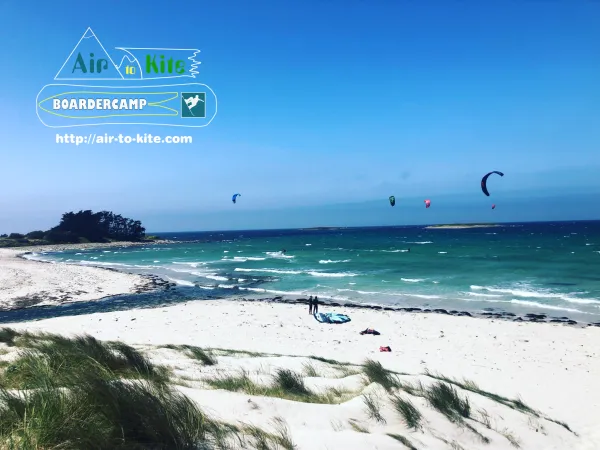
Water conditions at Guajiru are characterised by a mixture of shallow sections, wind-generated chop and occasional small waves. During moderate winds, some areas provide relatively smooth water suitable for practising transitions, improving board control and relaxed freeriding. As the wind strengthens, chop becomes more noticeable, creating enjoyable conditions for powered twin-tip sessions and jumping. The open Atlantic coastline can also receive small waves, although Guajiru is primarily known as a freeriding destination rather than a dedicated wave-riding spot. Water depth varies along the beach, so riders should assess the conditions before attempting advanced manoeuvres.
The broad sandy shoreline generally provides plenty of space for preparing equipment, launching and landing kites. This is particularly convenient for riders who prefer less congested launching areas, although the available beach width changes with the tide. While tidal movements do not directly determine wind strength, they can influence water depth, shorebreak and access to shallower riding sections. Riders should therefore check both the wind forecast and tide schedule before launching. The prevailing wind direction is generally favourable for coastal kitesurfing, but local conditions should always be assessed at the chosen entry point.
Guajiru can accommodate different experience levels when suitable conditions are selected. Beginners may benefit from professional instruction in manageable shallow-water areas, while intermediate riders will appreciate the open space for improving upwind technique, transitions and controlled jumps. Advanced kitesurfers can enjoy powered freeriding and freestyle manoeuvres during stronger wind periods. Hydrofoil riding may also be possible in deeper sections, provided there is sufficient clearance from shallow sandbanks. Although the water can appear relatively easy, stronger trade winds and changing chop require confidence and appropriate kite control.
The tropical climate is another advantage of kitesurfing in Guajiru. Daytime temperatures during the windy season commonly approach 30–32°C, while evenings remain warm and water temperatures are often around 27–29°C. Most riders can comfortably kitesurf in boardshorts or a swimsuit without a wetsuit, although sun protection is essential during long sessions. The village has an established kitesurfing community, with accommodation and kite-related services located close to the beach, making it convenient to organise daily sessions. Riders should nevertheless confirm the availability of instruction, equipment rental and rescue assistance before relying on these services.
For anyone searching for kitesurfing in Guajiru, kiteboarding near Trairi or the best freeriding spots west of Fortaleza, this coastal destination offers an appealing combination of reliable seasonal winds, warm water and spacious sandy beaches. Its greatest attraction is the opportunity to enjoy comfortable freeriding and freestyle progression in a relatively relaxed setting, with enough variation in water conditions to keep sessions interesting. With favourable trade winds from July to December and convenient access to the beach, Guajiru remains a worthwhile destination along Ceará's celebrated kitesurfing coastline.
Something missing or out of date at this spot? Suggest a correction
Spot Gallery (3)


Guajiru is best suited for
Spot profile
- Travel spotA proven kite destination with reliable conditions, worth a trip. Kiters fly in from all over the world for their kite holidays, and you will probably find schools, rentals and a lively kite scene nearby.
- Local spotNot worth a long trip, but a great option if you live nearby and the wind is on. Ideal for a quick session after work or a spare afternoon, without planning a whole trip.
Equipment
No wetsuit is needed due to warm water; consider sun protection.
Wind Conditions
Main wind directions
Windy days per month
Share of the days with more than 10 knots.
Wind speed range
15 - 30 knots
Calculate your kite size
Estimate for a rider of your weight at Guajiru: kite size = weight / wind speed x 2.2, adjusted for the kite shape and aspect ratio. Board, skills and gusts change the ideal size.
Forecast on Windy.com
Kitesurfing Safety & Local Rules at Guajiru
Guajiru, on Brazil's Ceará coast near Fortaleza, is generally a relatively safe kitesurfing spot, with no major hazards reported. However, shallow water and obstacles exposed or submerged at low tide require attention. Riders should inspect the water before launching, identify any rocks, debris or other obstructions and avoid jumping or attempting powered manoeuvres in areas where the depth is insufficient for a safe landing.
Although tidal changes do not significantly affect the overall wind conditions, they can alter water depth and expose shallow sections along the beach. Hard falls in shallow water may cause injuries, while submerged obstacles can damage boards or hydrofoil equipment. Check the local conditions before entering the water and take extra care when riding through unfamiliar areas, particularly at low tide.
The prevailing easterly and southeasterly trade and thermal winds are generally reliable from July to December, but their strength can vary throughout the day. Stronger afternoon winds may produce additional chop and make kite control more demanding for beginners. Choose an appropriate kite size, maintain safe distances from other riders and beachgoers, and ensure there is sufficient clear space for launching and landing.
How to reach Guajiru
- Closest cityFortaleza
- How to get thereDrive from Fortaleza airport via CE085 and then CE163 towards Trairi before heading to Flexeiras and Guajiru, approximately a 2.5-hour drive.
- Accesspublic
No-Wind Days: What to Do Around Guajiru
Guajiru is a popular kitesurfing destination on the coast of Ceará, northeastern Brazil, located in the municipality of Trairi, approximately 130 kilometres west of Fortaleza. This peaceful coastal village offers a long sandy beach, warm tropical water and reliable seasonal trade winds, making it an attractive alternative to the busier kitesurfing centres around Cumbuco. With conditions ranging from relatively smooth shallow-water sections to moderate chop and small waves, Guajiru provides opportunities for freeriding, freestyle progression and relaxed coastal sessions in a spacious environment.
The main kitesurfing season generally runs from July through December, when the prevailing easterly and southeasterly trade winds provide frequent riding opportunities. The most consistent conditions are typically found between August and November, when northeastern Brazil experiences its strongest seasonal airflow. Local thermal effects can reinforce the wind during the day, often creating enjoyable afternoon sessions. Although wind strength varies, Guajiru is known for its dependable conditions during the peak season, allowing riders to plan extended kitesurfing trips with a good chance of regular sessions.
Water conditions at Guajiru are characterised by a mixture of shallow sections, wind-generated chop and occasional small waves. During moderate winds, some areas provide relatively smooth water suitable for practising transitions, improving board control and relaxed freeriding. As the wind strengthens, chop becomes more noticeable, creating enjoyable conditions for powered twin-tip sessions and jumping. The open Atlantic coastline can also receive small waves, although Guajiru is primarily known as a freeriding destination rather than a dedicated wave-riding spot. Water depth varies along the beach, so riders should assess the conditions before attempting advanced manoeuvres.
The broad sandy shoreline generally provides plenty of space for preparing equipment, launching and landing kites. This is particularly convenient for riders who prefer less congested launching areas, although the available beach width changes with the tide. While tidal movements do not directly determine wind strength, they can influence water depth, shorebreak and access to shallower riding sections. Riders should therefore check both the wind forecast and tide schedule before launching. The prevailing wind direction is generally favourable for coastal kitesurfing, but local conditions should always be assessed at the chosen entry point.
Guajiru can accommodate different experience levels when suitable conditions are selected. Beginners may benefit from professional instruction in manageable shallow-water areas, while intermediate riders will appreciate the open space for improving upwind technique, transitions and controlled jumps. Advanced kitesurfers can enjoy powered freeriding and freestyle manoeuvres during stronger wind periods. Hydrofoil riding may also be possible in deeper sections, provided there is sufficient clearance from shallow sandbanks. Although the water can appear relatively easy, stronger trade winds and changing chop require confidence and appropriate kite control.
The tropical climate is another advantage of kitesurfing in Guajiru. Daytime temperatures during the windy season commonly approach 30–32°C, while evenings remain warm and water temperatures are often around 27–29°C. Most riders can comfortably kitesurf in boardshorts or a swimsuit without a wetsuit, although sun protection is essential during long sessions. The village has an established kitesurfing community, with accommodation and kite-related services located close to the beach, making it convenient to organise daily sessions. Riders should nevertheless confirm the availability of instruction, equipment rental and rescue assistance before relying on these services.
For anyone searching for kitesurfing in Guajiru, kiteboarding near Trairi or the best freeriding spots west of Fortaleza, this coastal destination offers an appealing combination of reliable seasonal winds, warm water and spacious sandy beaches. Its greatest attraction is the opportunity to enjoy comfortable freeriding and freestyle progression in a relatively relaxed setting, with enough variation in water conditions to keep sessions interesting. With favourable trade winds from July to December and convenient access to the beach, Guajiru remains a worthwhile destination along Ceará's celebrated kitesurfing coastline.
Local Kitesurfing Schools
Following you can find links to the page of the kitesurfing schools which operate on this spot. From there you can contact them through our form or directly via email or phone (if it was provided by them on the page).
Other kitesurfing spots near Guajiru


All kitesurfing spots in Brazil
Last updated: