
Kitesurfing in Santa Teresa
Santa Teresa / Cóbano · Costa Rica
- Spot type Wave
- Rider level intermediate
- Water Dark - Clear
- Beach Sand
- Crowd Seasonal crowd
- Tide effect None
Kitesurfing in Santa Teresa: Conditions, Wind & Season
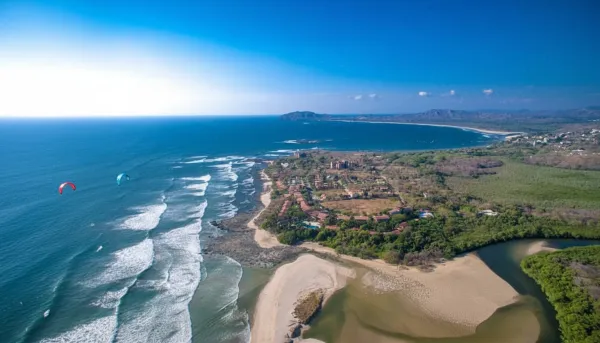
Santa Teresa is a wave spot located on Costa Rica's Nicoya Peninsula, known primarily as a surf destination that transforms into a kitesurfing beach when the thermal wind lines up, particularly during the dry season from January to April.
The spot stretches along a long Pacific coastline, giving plenty of space for launching, landing, and riding, with a beach-break setup rather than a protected lagoon. The beach itself is sandy with a broad area for rigging and handling gear, but on busy days the mix of surfers, beachgoers, and kiteboarders can force kiters to time their sessions, especially at peak periods. Wind here primarily arrives as a southwest thermal in the afternoon, and the site benefits from being tide-independent, so sessions are possible regardless of tide level, which removes a bit of stress from timing.
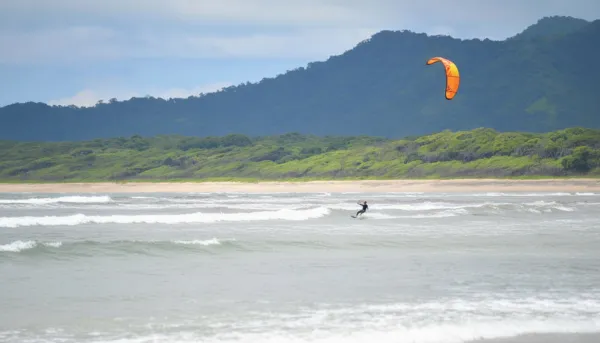
The water state is influenced by open-ocean swell and wind chop, typically resulting in medium-sized waves and moving water that suit confident intermediate riders. The wind is predominantly side-onshore or onshore; this ensures safety but means the breeze can get gusty and the surface messy, particularly when thermal wind overlaps with incoming swell. The bottom is sandy and deep near shore with consistent beach break, and the 'dark-clear' water quality points to good visibility but not tropical lagoon blue.
Because Santa Teresa is primarily a surf scene, freestylers may find the water conditions choppy and less supportive for technical tricks, while those looking to cruise or ride waves will be happier. The general vibe is of a lively, casual coastal town, with multiple launching and landing spots and parking close to the beach. The town is full of travelers for both surfing and kiting, along with vacationers drawn to the broad beach, bars, restaurants, yoga, and wellness classes. Water temperatures are generally warm, requiring only light wetsuits in cooler months.
Setup on the beach is simple and intuitive, with no special rules or complex access, but riders should mind the density of other users and breaking surf near shore. The best wind window coincides with the dry season when afternoons regularly see 12-22 knot side-onshore breezes, maximized by thermal action. There are enough amenities and alternative activities in town to accommodate days when the wind does not arrive. Santa Teresa is not a quiet outpost; it is a bustling surf town with tourism infrastructure and a background level of beach bustle. Most kiters rig up on the open sand, watch for surfers before launching, and wrap up sessions as conditions or crowds dictate.
Riders here tend toward freeride and wave styles due to the wave action, open water, and the requirement to dodge beach users and adjust to changing ocean conditions. Good trip logistics, nearby parking, and the presence of multiple accommodations make the spot practical for several days, even when wind is only available part of the week.
In summary, Santa Teresa is best for intermediate riders comfortable with open ocean, swell, and moderate crowd management, seeking warm water, Pacific waves, and the option to blend kitetime with a laid-back surf-town experience.
Something missing or out of date at this spot? Suggest a correction
Santa Teresa is best suited for
Spot profile
Travel spot
The typical kite travel destination, it is known for its great conditions, and kiters from around the world come here for their vacations.
Family spot
Located in an area that offers amenities for all the family and can provide good alternatives for everyone when the kiters are in the water.
Local spot
Maybe not be worth a real journey to reach this spot, but great if you live close by and it is a windy day. In the end, being out on the water feels great anywhere
Equipment
A freeride or wave kiteboard setup is best at Santa Teresa, with a medium-size kite recommended for the typical 12-22 knot afternoon thermal breezes, particularly from January to April. During the main season, water temperatures are generally warm enough for sessions in boardshorts or a thin shorty, but in windier or cooler months, a light wetsuit can help extend water time. The beach is sandy so booties are not generally needed, though a helmet and impact vest are smart for wave sessions near shorebreak and crowded surf zones. Surf-style directional boards and twin-tips are both used, but anyone aiming for wave-riding will get more from a directional or surf-oriented setup.
Wind Conditions
Main wind directions at Santa Teresa
Windy days per month in Santa Teresa
Wind Speed Range
From 12 to 22 Knots
Suggested sizes
Forecast on Windy.com
Kitesurfing Safety & Local Rules at Santa Teresa
Santa Teresa is an open Pacific beach where natural hazards dominate over any special kitesurf-only problems. The main risk comes from the active wave environment, with consistent beach break and medium waves near shore making water entry and exit trickier than on lagoon spots. Surf and shorebreak can punish poor timing when launching or landing, and kiters need to be aware of sets that stack near the edge of the break, especially during stronger swell periods. Factoring into the challenge is the presence of other beach users, particularly surfers, swimmers, and day visitors.
Launch zones can get cramped in tourist season, so it is important to rig and fly with control to avoid collisions or accidental kite drops in crowded areas. The wind is thermal and often side-onshore from the southwest, which is generally safer than offshore, but the onshore component means kites and riders can get pushed quickly toward the beach in gusty pulses, particularly in the overlap of strong thermals and incoming swell.
Gustiness can catch out newer riders not accustomed to variable wind fields. While the bottom is sandy and forgiving, the medium-deep water can quickly become turbulent under breaking waves, making self-rescue more physically demanding. There are no reported formal restrictions, but kiters must self-manage launch etiquette and pay close attention to all the moving pieces on a dynamic, busy beach. Standard ocean risks apply: currents, rip tides (especially near river mouths and rocky points), and the unpredictable presence of bigger waves when distant storms are running.
There are restaurants and bars nearby, so the beach crowd ebbs and flows across the day; launching later in the afternoon often means sharing space with more people coming for sunset. In summary, the hazards at Santa Teresa are primarily about wave management, wind gusts, beach crowding, and timing launches and landings around both the surf and the general public.
Location
Closest City
Santa Teresa / Cóbano
How to get There
The most common access is by flight to San Jose Juan Santamaria International Airport, then continuing overland toward the Nicoya Peninsula; the spot information indicates Santa Teresa is about 145 km from SJO. Driving in from the capital is possible, usually followed by the last leg on local roads into Santa Teresa, while many travelers also combine a domestic flight or shuttle with a car transfer because the final approach is longer and slower than the straight-line distance suggests.
Access
The spot is reported as having no specific access instructions or particular difficulties. It is reachable as a public beach area, with parking available near the launch zone. Travelers usually reach Santa Teresa by road after arriving in the region, with San Jose Juan Santamaria International Airport listed as the nearest major airport at about 145 km away.
No-Wind Days: What to Do Around Santa Teresa
Santa Teresa is one of the Nicoya Peninsula's main beach towns, blending international surf culture with a wider beach-and-travel scene that keeps the town lively year-round.
The area is lined with a variety of accommodation options, from surf hostels to boutique guesthouses to higher-end villas, meaning riders can base themselves close to the water with minimal hassle.
The local food scene covers everything from classic Costa Rican cafeterias and smoothie bars to international-style restaurants and casual beachfront dining, making recovery between sessions comfortable and social. Surf schools dot the beachfront, providing not just kiting instruction but also board rental and coaching for those looking to split time between surfing and kiting. The beach itself is long and sandy, perfect for extended walks, with space to escape the main crowd density even at busier times if you wander further from central access points.
Wellness options abound, with yoga shalas and classes common, and the low-key nightlife scene is focused on beach bars and cafés rather than clubs. The seasonal rhythm affects crowd numbers; the kite season overlaps with the drier, busier tourism months, so the atmosphere ranges from lively to packed depending on timing. Non-kiters will find plenty to do: swimming, sunset viewing, exploring Malpaís and Playa Carmen, wildlife watching, hiking, and booking guided trips into Nicoya's reserves or up to Montezuma and Cabo Blanco. Shops and basic services such as supermarkets, ATMs, board repair, and shuttle transport are widely available.
Day trips can range from waterfall hikes to horseback rides on the beach, and the vibe remains casual and welcoming for solo riders, families, and groups. The local expat community and the influx of seasonal workers help keep the town multilingual and easy to navigate. Santa Teresa is a reliable pick as a multi-day base, providing both the logistics and the atmosphere to mix kiting with broader beach-town living, making it just as attractive for the downtime as for the time on the water.
Other kitesurfing spots near Santa Teresa
All kitesurfing spots in Costa Rica
Last updated: