
Kitesurfing in Tamarindo
Tamarindo · Costa Rica
- Spot type Wave
- Rider level beginner
- Water Dark - Clear
- Beach Sand
- Crowd Seasonal crowd
- Tide effect Conditions vary
Kitesurfing in Tamarindo: Conditions, Wind & Season
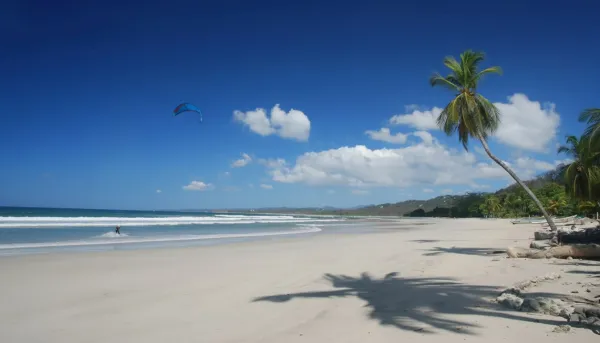
Tamarindo is an accessible wave spot on Costa Rica's Pacific coast, within the vibrant Guanacaste tourism corridor. Although the town is much better known for surfing, the spot can deliver enjoyable kitesurfing when the dry-season Papagayo wind extends to the bay, especially between December and April. The bay features a long sandy beach backed by bars, restaurants, resorts, and a constant flow of surf and outdoor tourism, so it's anything but remote or isolated.
The spot doesn't run on a fixed daily wind guarantee; instead, usable sessions depend on the interaction of the afternoon wind pulse with local tide and incoming swell. Most seasons, the most rideable and consistent wind occurs in January, February, and March, with average wind speeds around 12 to 13 knots and usable day counts at their highest, then trailing off heading into spring and through the rest of the year.
Rides are often possible on moderate side-shore and side-onshore wind in the mid-afternoon, though the direction and intensity can change with the trade pattern and terrain. Mornings tend to be cleaner, but more wind and choppy onshore texture often develop in the afternoon. The spot's wave character comes from exposed west-facing beach breaks that are active when N-NW swell meets offshore or side-shore wind, generating rideable lefts and rights with changing shorebreak and some punchy sections. Unlike classic flat-water or lagoon training grounds, Tamarindo is always wave-influenced, so kiting here means more directional riding and wave sessions than freestyle. Most riders are better off with surfboards or directional boards over a twin-tip, although on flat or light days twin-tips can work around the edges.
Launching and landing are straightforward in most areas, thanks to the sandy beach. However, usable beach width varies with the tide and Tamarindo's popularity with swimmers, surf schools, and regular beachgoers. At mid to high tide or during peak hours, space for rigging and launching becomes tighter, requiring more patience and sharper awareness, especially at weekends and holidays.
The overall wind window is in the moderate range for most riders, with typical days supporting 12 to 18 knots, but gustiness and lulls can appear as the wind pushes past island headlands. The spot is well within reach for independent intermediates yet not exactly a pure beginner-only setting, since comfort in mild shorebreak, variable wind, and mixed beach use is needed. No specialized gear is required, and most sessions stay within everyone’s comfort zone, but the wave energy and shifting crowd set it one step up from flat beginner lagoons.
Tamarindo works best as a kite spot for those who like diversity: there are surf sessions when the wind is absent, everything from taco shacks to fine dining after the beach, and nightlife or spacious apartments for relaxing between action. This is not a rustic trip; anything you need for a comfortable beach-based stay is in easy walking distance.
Double use as a surf and kite town, with the flexibility to mix in side trips along the Guanacaste coast or inland adventures. Kiteboarding here is only one part of the draw — even in the best months, the rhythm of sessions ties to the wider tourism crowd, the changing tides, and the local surf pattern.
Something missing or out of date at this spot? Suggest a correction
Tamarindo is best suited for
Spot profile
Travel spot
The typical kite travel destination, it is known for its great conditions, and kiters from around the world come here for their vacations.
Family spot
Located in an area that offers amenities for all the family and can provide good alternatives for everyone when the kiters are in the water.
Local spot
Maybe not be worth a real journey to reach this spot, but great if you live close by and it is a windy day. In the end, being out on the water feels great anywhere
Equipment
Average rider will want a 9 to 12 m kite for main season wind; heavier riders or lighter days may require bigger kites. Directional surfboard or strapless board is the best match for active swell, while a twin-tip can sometimes work if waves are small. Wetsuits are optional thanks to warm water, but a thin spring suit or shorty may be comfortable early or late in the season for those sensitive to windchill; boardshorts and lycra are fine most months. Booties are not needed on the main sandy beach. Impact vests and harnesses are standard; pack sun protection.
Wind Conditions
Main wind directions at Tamarindo
Windy days per month in Tamarindo
Wind Speed Range
From 12 to 18 Knots
Suggested sizes
Forecast on Windy.com
Kitesurfing Safety & Local Rules at Tamarindo
Tamarindo brings a set of hazards specific to its variable and lively location as an exposed Pacific beach break. The central risks arise from the beach's active surf and the interplay of wind and wave conditions. Stronger shorebreak can occur, particularly at higher tides or with decent swell, making both water entry and exit more demanding, especially for kiters unfamiliar with wave spots.
Gusty dry-season trade winds, typical when Papagayo wind pulses reach Tamarindo, can generate inconsistent, sometimes blustery conditions. These wind shifts are particularly notable near headlands or with changing weather or swell patterns, so kite size should be matched conservatively to conditions on any given day to reduce unplanned loftings or unexpected lulls. Beach space is at a premium during peak times: family groups, surfers, beginners, and swimmers all move through the launch zone, which increases the chance of tangles, line conflicts, or accidental collisions, particularly in the afternoons and on weekends. Since there is a constant surf school presence and a high number of first-timers both in the water and on the beach, extra vigilance is essential when landing, launching, or passing through crowded shoreline sections — a dropped kite or runaway line can injure bystanders or result in damaged gear.
There are no significant rock or reef hazards in the main launch area due to the sandy bottom, but drift can carry riders downwind into busier swimming sections. Local rules call for heightened awareness of other water users and courteous shared access, but there is no evidence of a mandatory kite permit or regulated fee for public beach access at this spot.
Prudent kiters keep clear of surf zones in heavy use, work around lessons and peak tourist density, and are especially careful in marginal wind or high-surf situations. Finally, with no lifeguard-dedicated kite safety setup, riders are responsible for self-rescue and safe behavior in shifting wave and wind, keeping local surf etiquette in mind. All of these factors mean that sound judgment and respectful coexistence are expected on the water and onshore.
Location
Closest City
Tamarindo
How to get There
Fly into Daniel Oduber Quiros International Airport near Liberia, then drive to Tamarindo in about 1.5 to 2 hours depending on road and traffic conditions. From San Jose, the trip is much longer and usually involves a domestic flight, shuttle, or a full-day drive. The town itself is road-accessible and does not require any special expedition logistics.
Access
Public beach access is the norm in Tamarindo, with the town sitting directly on the bay and the main launch area reachable by road and on foot from central accommodations. The beach is part of a developed tourist zone, so access is straightforward rather than restricted, though practical access for kiting depends on crowd levels, tide, and where surf activity is concentrated.
No-Wind Days: What to Do Around Tamarindo
Tamarindo stands out along Costa Rica's Pacific coast as an easy, walkable destination with a well-developed mix of amenities to balance kite trips, family holidays, and general outdoor tourism. The town is loaded with hotel options, surf camps, casual hostels, and short-term rentals, many of which are just a stroll from the beach, making it straightforward to adjust schedules around wind, waves, and non-water activities without needing a car for every errand.
Beyond kiting, Tamarindo is renowned for its accessible surf scene; multiple surf shops and schools offer daily lessons and board rentals, so less windy days often see riders swap their kites for surfboards. Large supermarkets, busy market stalls, gear shops, and functioning medical services mean short stays and longer trips are equally easy to support. Food is a major feature: from local soda restaurants serving casados to gourmet seafood and international fusion options, almost every taste and budget finds something walkable. Beach bars, smoothie shacks, bakeries, and pizzerias provide relaxed options just steps from the sand.
Tour offices and informal guides line the main streets, offering everything from estuary boat tours to organized sport fishing trips, sunset sails, horseback rides, and wildlife excursions in the surrounding hills or out to protected areas like Tamarindo Wildlife Refuge. The active street scene and late-day beach activity give Tamarindo a lively, safe after-dark feel; nightlife includes local music, DJ nights, and small clubs in high season.
For quieter days, the atmosphere is ideal for basic pleasures: sunset walks, casual shopping, and social café hangs. The main bay area is clean and maintained, with solid trash collection and environmental programs pushed by local businesses. Equipment storage is possible in many rentals and surf lodges, easing gear logistics. Families find plenty for kids — from beginner surf lessons to sailing or nature tours — as well as pools and green areas at most lodging.
Side trips are easily arranged along the Guanacaste coast to spots like Playa Grande or Playa Avellanas, or inland to volcanic areas for a non-beach day. The combination of easy beach access, functional amenities, and an upbeat town vibe makes Tamarindo a practical, safe, and comfortable bet for those who want a kite-focused trip that doesn't sacrifice food, nightlife, or off-water things to do for themselves or non-kiting partners.
Other kitesurfing spots near Tamarindo
All kitesurfing spots in Costa Rica
Last updated: