
Kitesurfing in Playa Grande
Tamarindo · Costa Rica
- Spot type Wave
- Rider level intermediate
- Water Dark - Clear
- Beach Sand
- Crowd Few people
- Tide effect Conditions vary
Kitesurfing in Playa Grande: Conditions, Wind & Season
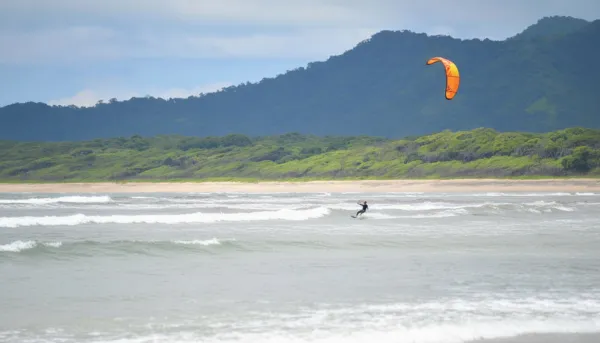
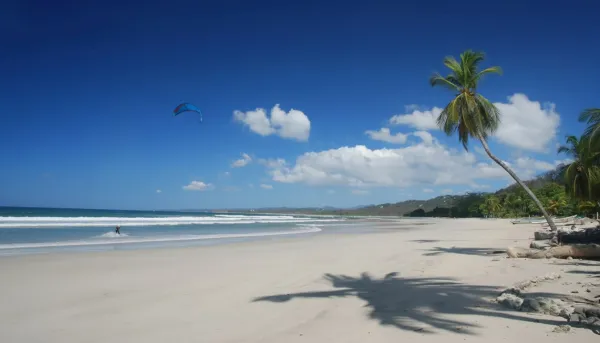
Playa Grande in Guanacaste is a wave-centric spot with a reputation built on its classic Costa Rica beach break character. This is not a sleepy flat lagoon but rather a sand-bottom shoreline that draws consistent Pacific swell, giving the water both power and structure even on small and medium days.
The area sits inside Las Baulas National Park near the Tamarindo estuary. While it is first known as a surf beach, the waves also attract kitesurfers seeking punchier, more active water than can be found at the more sheltered lagoons or bays nearby. The typical session at Playa Grande means working the shifting sandbars that define the spot, with ridable peaks shaped by the prevailing swell and tide.
This dynamic means that the spot rarely produces glassy, flat conditions; instead, it is constantly moving, with choppy sections and defined shore breaks. When the Pacific swell fills in, these sandbars become especially active and offer long down-the-line runs, making the beach a draw for those who want to add wave-riding and surf-style tricks to their session. Freeride is still very much in play, especially for those who bring the right board and accept some chop, but the emphasis tilts toward wave and cross-over riding, rather than freestyle or wakestyle.
Playa Grande is not considered a spot for absolute beginners. The launch is a medium-sized sandy stretch with generally enough space for rigging and landing, helped by the fact that the spot rarely gets busy, and most days only see a few surfers and kiters spread over a very long beach. Still, launching must account for shorebreak energy, especially just after high tide or when a set rolls in unexpectedly. Parking is informal, with dirt road access leading close to the sand and a beachfront restaurant at the main access helping mark the best entry point. Entry and exit depend on driving inland around the Tamarindo estuary or, at certain tide states, catching a panga or walking across at low tide.
The wind season leans toward March through November, with consistency among the highest between June and November, and July and November standing out as strong, reliable months. Local wind directions most commonly clock in from the north, northwest, and northeast sectors, while occasional offshore pulses from the southeast are mentioned in broader forecasts. The practical wind range hovers in the moderate territory, typically 10 to 20 knots, so riders should plan for both medium and occasional stronger wind days.
A directional or freeride board is ideal, and most visitors find that a twin tip is only practical for those focusing on freeride, since pure wave or freestyle is less of the site’s specialty compared to other spots. The water is warm year-round, though a thin wetsuit or a shorty can be useful for the shoulder months or to cut sun and wind exposure. The sandy bottom means reef booties are unnecessary unless personal preference dictates otherwise.
Playa Grande is not a tidal-locked spot from a kiting perspective, but the surf conditions and sandbar profile vary noticeably across the tide cycle, so close attention to the timing will reward more consistent wave runs. The spot’s location within Las Baulas ensures there are plenty of wildlife and natural features and means it is important to be mindful of local park rules and environmental etiquette. Unlike pure party beaches, the vibe here is laid-back and much more about the riding, the natural surroundings, and the ample room to move on the sand and in the water.
Proximity to Tamarindo ensures easy access to urban conveniences, making Playa Grande a pragmatic day-trip or low-key base for those who prefer a wave-stronger experience than the busier or softer neighboring breaks.
Something missing or out of date at this spot? Suggest a correction
Playa Grande is best suited for
Spot profile
Travel spot
The typical kite travel destination, it is known for its great conditions, and kiters from around the world come here for their vacations.
Local spot
Maybe not be worth a real journey to reach this spot, but great if you live close by and it is a windy day. In the end, being out on the water feels great anywhere
Equipment
Most sessions at Playa Grande call for a medium kite in the 10 to 12 square meter range for the average 10-20 knot wind span, with a smaller kite handy for punchy Pacific days especially in July or November. A directional or freeride board is usually more comfortable with local chop and wave faces, while a twin tip suits only those zeroing in on freeride. The water stays very warm in Costa Rica, so a wetsuit is rarely mandatory; a shorty or a thin vest can be useful if you want sun protection or are sensitive to windchill, mainly in the drier months. Reef booties are not required thanks to the all-sand bottom and lack of coral; most prefer barefoot.
Wind Conditions
Main wind directions at Playa Grande
Windy days per month in Playa Grande
Wind Speed Range
From 10 to 20 Knots
Suggested sizes
8 - 9 mt
10 - 11 mt
12 - 13 mt
14 mt and above
Forecast on Windy.com
Kitesurfing Safety & Local Rules at Playa Grande
The primary concern for kitesurfers at Playa Grande is the energy of the open beach break. Swell builds quickly and shorebreak can become quite powerful, especially when the tide and swell reach their peak together, making both launching and landing more stressful than a sheltered spot.
Mistimed launches often mean kites or riders get caught in the surf zone, where punchy sandbars and shorebreak waves can hold down or drag equipment, leading to challenging kite recoveries and possible damage to both gear and personal safety. The waves vary with tides, but at high or incoming tide, the push onto the sand is stronger, making it crucial to pick a clear, flat section for launching and to watch for incoming surf sets before entering or exiting the water. As the beach is part of Las Baulas National Park, local rules apply: no driving on the sand, treating wildlife with respect, and no leaving trash.
The protected coast means no fires, and certain parts may be subject to restoration or wildlife restrictions, particularly during turtle nesting season, so access may be periodically limited. With the estuary nearby, strong tidal currents can complicate access, boat crossings, and sometimes create unusual flows near the mouth. After large rainfalls, estuary crossings become riskier and the channel may move, so plan beach entry accordingly.
The area sees surfers and general beachgoers, so kites must always be handled compactly and controlled during setup, to avoid tangling with boards or people. While the beach is rarely crowded, the mix of wave activity, moving sandbars, and multi-use means constant attention to your surroundings is essential to prevent accidents or interference with non-kiting visitors.
Location
Closest City
Tamarindo
How to get There
Playa Grande is reached most practically by road from Tamarindo, usually by driving inland and around the Tamarindo estuary, which takes about 20 to 35 minutes depending on route and road conditions. Another option is crossing by boat when tides and local services allow it; some guides mention a small ferry or panga-style boat crossing for a fee, while walking across the estuary is only possible at low tide. For international travel, the closest common arrival point is Liberia airport, followed by a road transfer toward Tamarindo and then Playa Grande.
Access
Playa Grande is publicly reachable, but it is not a straight drive from Tamarindo because the Tamarindo estuary separates the two places. Access is commonly by a loop road inland, by boat crossing, or on foot at low tide across the estuary. Some sources also mention informal parking areas and dirt-road approaches close to the beach. No special private club membership is typically described for general beach access, but being inside or adjacent to a protected area means local rules and park-sensitive behavior matter.
No-Wind Days: What to Do Around Playa Grande
Playa Grande is valued not only for its kitesurfing potential but also for a low-key, comfortable beach scene that stands out from the busier main strip of Tamarindo. The spot straddles the line between a destination surf and kite beach and a laid-back local hangout, benefiting from ample space and relatively uncrowded sands most days. Because it sits just north of Tamarindo, visitors can quickly shift between the solitude of Playa Grande and the dense dining and nightlife infrastructure of town, making day trips painless and giving travelers the choice between quiet relaxation and urban activity.
The immediate Playa Grande area hosts some small-scale guesthouses, informal parking, and a handful of beachfront restaurants or kiosks concentrated near the beach access. This supports an easy-going day at the beach without the need to pack all provisions, an advantage compared to more remote, undeveloped Costa Rican spots. Tamarindo is close enough for easy return trips and expands the list of nearby amenities with a wide selection of restaurants, cafes, bars, grocery stores, surf shops, and practical services. Not just limited to sports,
Playa Grande is connected to Las Baulas National Park, a notable wildlife reserve known particularly for turtle nesting seasons. This connection adds interest for visitors who want to mix kitesurf sessions with nature watching, sunset walks, or simply exploring a relatively well-protected coastal zone. There are frequent opportunities to spot wildlife such as turtles, birds, and sometimes even small mammals, blending beach sport and nature very directly. Tamarindo’s various services make the region appealing for mixed groups or families: day activities like boat tours, SUP, fishing excursions, yoga, and even parties are easily arranged from town.
After a session on the waves, it is common to wander the beach, take a swim when conditions allow, or watch the sunset in relative peace compared to the denser crowds just to the south. This flexibility—being able to stage out of a calmer, more spacious venue without being truly remote—is a key reason Playa Grande draws both visitors and locals.
For those looking to explore further, the Guanacaste region around Playa Grande is known for its distinctive dry tropical scenery that offers additional day trips, whether for coastal landscapes or further wildlife watching. The commitment to keeping the area cleaner and less congested also reflects in the overall atmosphere: Playa Grande feels preserved without being isolated. Friendly for family trips as long as surf awareness is kept in mind, and practical for solo riders wanting space, it is a standout spot for those seeking ridable waves, comfort, and a touch of the Costa Rican national parks experience in one package.
Other kitesurfing spots near Playa Grande
All kitesurfing spots in Costa Rica
Last updated: