Kitesurfing in Playa Panama
Liberia - Costa Rica
Spot Type
Chop
Water
Dark - Clear
Beach
Sand
Rider Level
intermediate
Spot characteristics
Spot Type
Chop
Rider Skill
intermediate
Crowd
Occasional Bystanders
Beach Type
Sand
Water Quality
Dark - Clear
Tide Influence
All tide levels with different conditions (chop - flat - wave)
Kitesurfing in Playa Panama: Conditions, Wind & Season
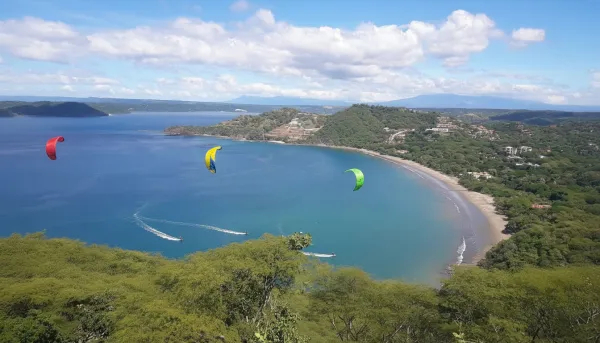
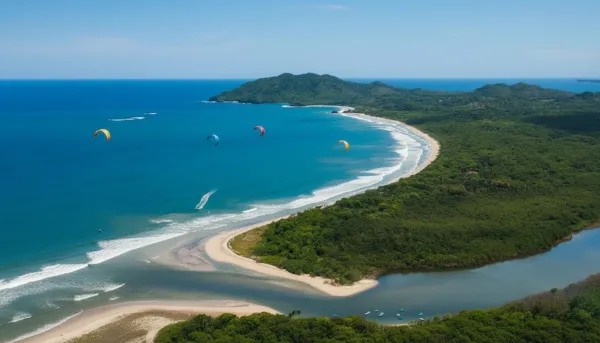
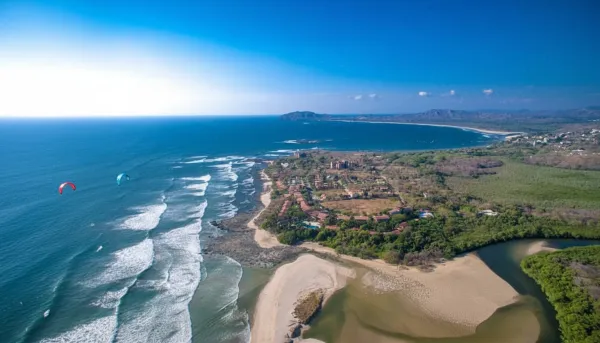
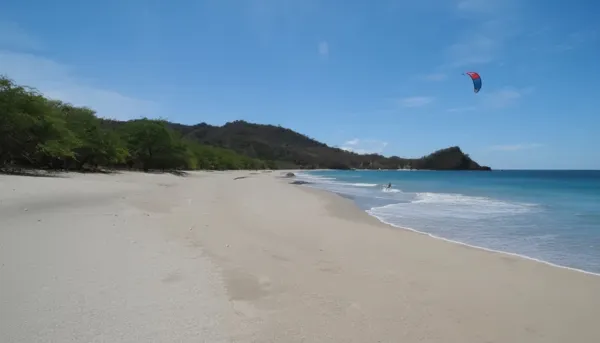
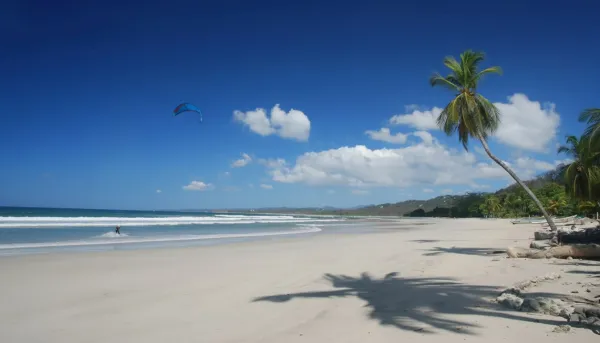
Playa Panama sits quietly inside Bahía Culebra on Costa Rica's northwest Pacific coast and has made a name as a mellow kitesurfing spot thanks to its consistently calm conditions and easy beach access. The broad, gently sloping dark sand beach is framed by modest hills and dotted with a few low-key resorts, and its deep, sandy bottom stretches out from a shoreline that's open and almost always easy to launch from.
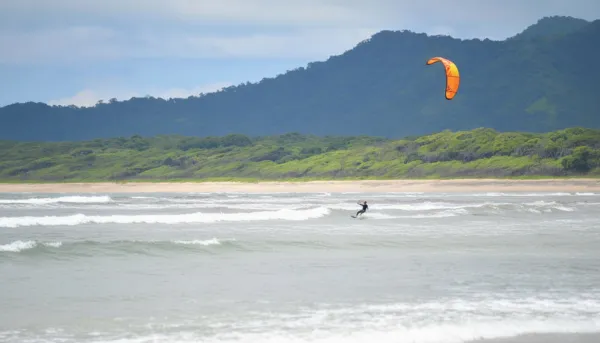
Unlike many Costa Rican coastline options, Playa Panama doesn't rely on surf or dramatic shorebreak to provide interest. Instead, the bay's protected setting blocks most open-ocean chop, which results in smoother, flatter water than what you'll find along exposed beaches further down the coast. The main draw is reliable Papagayo winds, which funnel into the bay especially during the dry season from December through April. During these months, riding days are numerous and wind is mainly side-shore or side-onshore, giving sessions a steady, predictable feel compared with more variable, gust-prone spots.
The bay shape keeps the water tame and reduces the risk of fast currents, making it easier to focus on transitions, upwind work, and cruising longer distances. While conditions occasionally get choppier farther from shore, the inside bay is usually manageable for riders advancing in freeride, progressing skills, or simply racking up hours on the water. Behind the sandy launch, there is ample room to rig and handle your kite since crowds are minimal, with only occasional bystanders or resort guests. Swimming areas are marked out closer to hotel fronts, so kiters should work out of the wider, less developed sections of the beach whenever possible.
Outside of the December to April peak, winds become lighter and less reliable, and Playa Panama turns into more of a beach holiday destination where kite sessions are bonus rather than the main event. The spot does not have breaking waves suitable for surf or wave tricks and is generally avoided by those seeking hardcore wave riding, but hydrofoilers and relaxed freeriders enjoy the broad riding zone and forgiving entry. Access could not be simpler, as Liberia and the international airport are within half an hour by car, which means a quick transfer from arrival to sand.
The area is less busy and noisy than other Guanacaste resorts and is popular with both families and low-key tourists who mix time on the water with relaxed pool days, local restaurant visits, and gentle walks along quiet sand. Tidal variation passes over deep sand with all tide levels usable; changes are mainly in the size of the launch zone and increased or decreased beach slope.
The Papagayo region's wind system can bring shifts in strength across a single day, with the beach remaining accessible and uncrowded throughout. The general rhythm of Playa Panama is relaxed and progression-oriented, more about long, easy rides than short, technical wave sessions. Kite size varies widely by wind season, and local etiquette steers riders away from swimmers, paddle crafters, and the busier hotel areas. With easy parking, simple access, swimming-friendly water, and calm bay character, Playa Panama stays one of the most agreeable Costa Rican spots for intermediate kiters, hydrofoil fans, and anyone wanting cruising plus a comfortable nearby stay.
Playa Panama is best suited for
Spot profile
Travel spot
The typical kite travel destination, it is known for its great conditions, and kiters from around the world come here for their vacations.
Family spot
Located in an area that offers amenities for all the family and can provide good alternatives for everyone when the kiters are in the water.
Equipment
Typical quiver includes a freeride or light-wind kite with sizes selected according to the season, from mid-size or small kites during strong Papagayo wind months (December through April) to larger, light-wind options for other periods when the breeze is weaker. Board choice is usually a twin-tip for most riders, as conditions are mellow, but hydrofoils are increasingly common. Standard harness and leash are used, and in the dry season, boardshorts, bikini, or thin lycra are comfortable in the warm water, while only a shorty or spring wetsuit may be needed in rare cooler water times or rainy season; full suits are almost never necessary. The sandy launch and bay bottom mean booties are rarely needed.
Wind Conditions
Main wind directions at Playa Panama
Windy days per month in Playa Panama
Wind Speed Range
From 15 to 30 Knots
Suggested sizes
7 mt and below
8 - 9 mt
10 - 11 mt
12 - 13 mt
Forecast on Windy.com
Kitesurfing Safety & Local Rules at Playa Panama
Playa Panama generally presents minimal hazards compared to more exposed Costa Rican beaches, but a few safety considerations and local guidelines must be kept in mind. The mellow bay setting replaces major surf and currents with predictable water, yet there are dynamic elements to watch for. First, the biggest variable is wind strength and direction.
During Papagayo season, wind can ramp up quickly or turn gusty depending on regional weather, so sessions that start steady may feel turbulent as the day develops, demanding that kiters remain vigilant for suddenly aggressive gusts or lulls. Beach management is crucial because the launch zone is also used by swimmers, sunbathers, and guests from nearby resort properties; kites should always be flown with respect to others, keeping a good distance from the flagged swimming zones and never dragging a kite over heads or walk paths.
The sandy bottom is kind to falls and progression, and there are few rocks or reef hazards, though submerged objects or boats at anchor may pop up near the busier waterfront hotels. At peak times, occasional paddle craft and private boats use the bay, so riders must keep a lookout for moving or anchored vessels both nearshore and farther out, particularly as launches aren't supervised by lifeguards and the bay is used by a variety of holidaymakers.
The area is not known for aggressive marine life or pollution, but wind shadow and the possibility of chop developing farther offshore can affect less experienced kiters who stray into less protected sections of the bay, so keeping sessions within the main flat-water area is advised. There is no need for special permits, but regular local etiquette means staying clear of resort frontages, launching from public access where possible, and being polite to hotel clients and other users.
Tidal variation does modestly affect the width of the rigging and launch zone, exposing wet sand or shrinking useable beach, which could complicate setup during higher tide. In summary, key risks are less about hard hazards than about awareness: variable wind, shared bay usage, and changing tide. Following the relaxed local etiquette and showing respect for swimmers and non-kiters on the sand keeps sessions incident-free.
Location
Closest City
Liberia
How to get There
Fly into Guanacaste International Airport near Liberia, then drive to Playa Panama in roughly 20 to 30 minutes by road. The beach is also reached by car from Liberia along the local highway network, making it one of the easier kitesurfing beaches in the region to access.
Access
The beach is publicly accessible in parts, with access typically reached by road from Liberia and surrounding resort areas. Some sections may feel tied to hotels or residential developments, but the shoreline itself is a public coastal area and does not require a special permit for normal beach access.
No-Wind Days: What to Do Around Playa Panama
Playa Panama is well positioned for kitesurfers who want ease of logistics, comfort, and access to amenities without the scene of a larger tourist hub. The local area is primarily known for its convenience: multiple hotels, ranging from casual to luxury, are within walking or short driving distance, making it straightforward to combine kiting sessions with classic beach vacation activities.
Restaurants in the immediate area tend to focus on locally sourced seafood and Costa Rican plates, sometimes with an international twist, usually targeting the resort clientele but remaining accessible to visiting kiters and families. It's not necessary to drive long distances for meals, and many accommodations have their own dining or partner with local tour operators, simplifying daily planning. The bay is markedly peaceful compared to more famous tourist beaches in Guanacaste, standing out for its quiet sand, minimal commercial activity, and subdued nightlife. When the wind is down, travelers can swim in mostly calm, clean water, take leisurely long walks or sunsets on the sand, or try activities such as paddleboarding, kayaking, snorkeling, or booking a boat cruise to neighboring coves or snorkeling spots. Being in the Gulf of Papagayo,
Playa Panama is a strong base for exploring the wider coast, with rental cars or organized tours making it possible to dip into livelier beach towns, natural reserves, or volcanic terrain inland for a day or two. For families and those valuing tranquility, low crowd pressure means children can play near the shoreline and non-kiters can socialize or read without disturbance, while kiters make use of the open rigging area. Car parking is uncomplicated, either side of the main resort zone or along more public stretches at the bay's edge. Liberia being so close means international visitors can land and be at the beach in less than an hour, minimizing travel fatigue.
Day trips from Playa Panama open up access to Guanacaste's dry tropical forest, waterfall hikes, wildlife spotting, and rural villages. The area’s infrastructure is aimed more at comfort seekers than at hardcore kiting, but the spot’s mix of steady winds (in season), calm resort atmosphere, and simple logistics makes it an especially practical choice for kitesurfers prioritizing relaxed days, peaceful water, and easy connections between session and downtime. Playa Panama’s approachable vibe, scenic surrounds, and convenient services continue to make it a favorite for those wanting a calm, low-effort Costa Rican beach trip with the bonus of some of the region’s most consistent and manageable wind.