Kitesurfing in Bahia Salinas
La Cruz - Costa Rica
Spot Type
Flat
Water
Dark - Clear
Beach
Sand
Rider Level
beginner
Spot characteristics
Spot Type
Flat
Rider Skill
beginner
Crowd
Few people on the spot
Beach Type
Sand
Water Quality
Dark - Clear
Tide Influence
Tide independent
Kitesurfing in Bahia Salinas: Conditions, Wind & Season
Bahia Salinas is a windswept bay in northwest Guanacaste, close to the Nicaragua border, and is widely considered one of Costa Rica's most reliable spots for sustained kitesurfing wind during the dry season months.
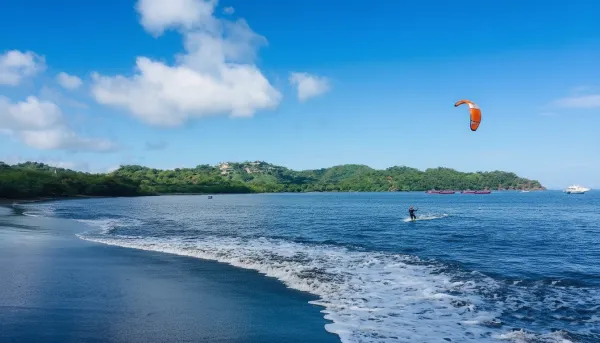
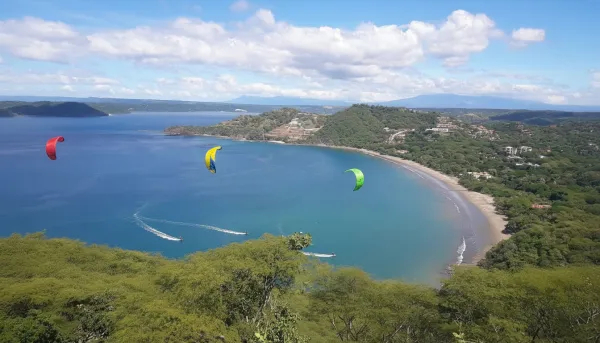
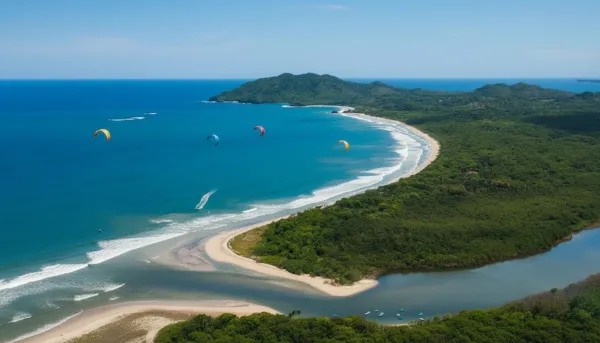
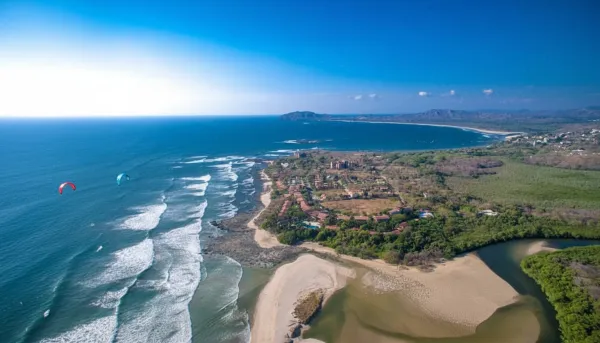
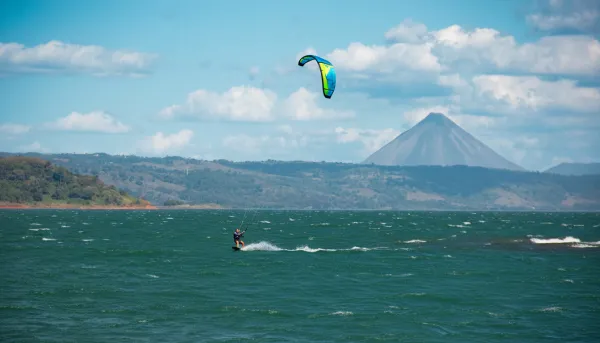
The main kitesurfing launch is found at Playa Copal, a broad sandy area with plenty of space for rigging and setting up, and other sections of the bay known as Papaturro and Ecoplaya add to the riding options within the same wind system. The bay has a distinctive geography, with surrounding hills and points that help smooth the water compared to open coastlines, creating a mix of real flat water, especially inside the bay and near the reef, along with manageable chop when the wind gets up. Wind here is highly seasonal but notably consistent during the December to March core, with the Papagayo winds delivering day after day of northeast to north-northeast breeze.
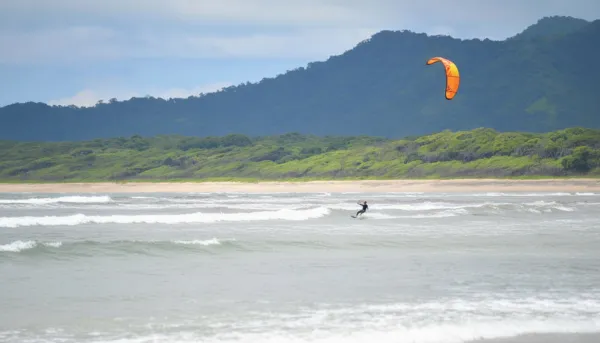
Wind strengths average 18 to 30 knots most days, with the statistical upper end pushing into 35-knots when things really get going. A sandy-bottomed and fairly shallow bay, with gradual entry and no shorebreak hazards at the main beach, makes Bahia Salinas a strong choice for lessons, beginners, and anyone working on transitions or tricks without the pressure of big surf. The most common water state is slick and smooth at the edge of the reef or within parts of the bay, great for practicing jumps and freestyle; when the trades crank, there is more pronounced chop and small waves on the downwind reaches, giving a freeride feel up near Playa Copal or a bumpier, more energetic ride further out. The wind is side-onshore for most of the season, providing safety for progression and, combined with the compact bay, keeps most riding within sight of the beach. The scene is practical and low-key rather than polished: sandy parking, rustic infrastructure, simple accommodation, and an atmosphere that revolves around weather and wind rather than nightlife or city services.
The crowd is sparse outside high-season weekends and never feels dense. Most of the year, expect boardshorts conditions — water is warm and tropical — and the sun can be intense, adding a beach insect or sun-protection element you might want to plan for. Riders bring 7 to 10 m kites as standard, sometimes smaller in January through March, due to the true strength of the Papagayo trades. The flat-water and near-shore zones make advanced moves like unhooked tricks or first jumps accessible, while choppier sections appear when the wind is at its maximum.
Tide plays little part in rideability, as depth remains sufficient, and there are almost always ridable launching areas except at extreme high tide. The experience is shaped by strong, steady wind, practical natural beauty, and the down-to-earth feel of a remote Costa Rican bay, making Bahia Salinas a destination for riders drawn to wind consistency, wide open water, and an outdoor-focused rhythm.
Bahia Salinas is best suited for
Spot profile
Travel spot
The typical kite travel destination, it is known for its great conditions, and kiters from around the world come here for their vacations.
Family spot
Located in an area that offers amenities for all the family and can provide good alternatives for everyone when the kiters are in the water.
Equipment
Most kiters ride 7 to 10 m kites through the core wind season, with 7 or 8 m sizes best for the strongest Papagayo days from December to March and 9 or 10 m more typical as things mellow. Boards are usually twin-tip freeride or freestyle, but a small wave board is an option for bumpier, choppier afternoons. Wetsuits are generally unnecessary as water temperatures are warm throughout the windy season, so it is common to ride in boardshorts or a thin rash guard; a spring suit is purely for personal comfort or added sun protection. Booties are not essential since the launch areas are sandy, but some riders use them if wandering to rougher or rockier sections away from Playa Copal.
Wind Conditions
Main wind directions at Bahia Salinas
Windy days per month in Bahia Salinas
Wind Speed Range
From 18 to 30 Knots
Suggested sizes
7 mt and below
8 - 9 mt
10 - 11 mt
12 - 13 mt
Forecast on Windy.com
Kitesurfing Safety & Local Rules at Bahia Salinas
Bahia Salinas is known for strong, seasonal wind with rapid increases in force, especially during the Papagayo season, which can lead to overpowered sessions. The main hazard is the raw power of the wind itself; it frequently jumps from comfortable to highly powered, and during the windiest periods (December through March) a session can go from 'manageable' to 'full power' in less than an hour. Kite sizes must be chosen with care; overpowered rides are common, so riders should be able to self-rescue and know their limits.
The wind always runs side-onshore which tends to be helpful, but it can also create currents down the bay when riding further out or after failed transitions. Choppier areas appear as the wind builds, making returns to the sandy launch slightly more technical compared to the smooth inner bay. On very windy days, downwinders can push kiters out of the sheltered bay and toward less protected or bumpier water, where there are no lifeguards and limited boat support. The shoreline is mostly safe, but attention is needed around the reef fringe and the shallow water sections, especially when coming in hot—tangles and crashes can leave kites caught or spars impacted on shallow sandbars. The remote location means medical help and gear shops are not immediately available, and the rough roads leading to the beach can delay emergency vehicles.
Besides kiting, the region is sparsely populated, so any late session or gear failure can mean long, hot walks back to accommodations. Launch zones are sandy but space can get busy at windy season peak, so maintaining distance from other kites is key. The proximity to the Nicaraguan border and low population density heighten the sense of isolation, which is both appealing and a safety consideration. Wildlife is not a significant risk, though basic sun exposure, dehydration, and occasional beach insects are worth noting.
Location
Closest City
La Cruz
How to get There
The main travel plan is to fly into Liberia's Daniel Oduber Quirós International Airport, then drive north toward La Cruz and onto Bahia Salinas via Playa Copal. The last leg is a rougher dirt road that starts after leaving the Panamerican Highway and stretches about 7 miles to the kite beaches. From San José, the region can be accessed by a much longer drive north, but flying to Liberia is the most direct option for visitors focused on kitesurfing. The roads near the bay are unpaved, so be prepared for some dust and bumps on arrival.
Access
Bahia Salinas is open to the public, with entry via a dirt road from the main highway near La Cruz leading to Playa Copal, which serves as the main kite launch. There is no formal entrance fee for the kite beach itself. Lodges, kite schools, and camps in the area may operate with their own parking or support services, but riders can access and use the sand launch area directly as long as they respect local arrangements on space and equipment.
No-Wind Days: What to Do Around Bahia Salinas
Bahia Salinas and the wider Guanacaste coast attract wind-focused travelers who prefer scenic beaches, local wildlife, and long stretches of rideable wind over resort strip amenities. The overall setup is basic and caters to independent kiters: the nearby center of La Cruz has reliable shops, simple food spots, and gas stations, plus access to medical care, but the actual kite beaches at Playa Copal are surrounded by little more than simple lodges, a few small bars and restaurants, and informal parking. Local kite schools organize lessons, offer daily or multi-day rental of gear, and tend to run relaxed, instruction-based camps in the windiest months.
Accommodations near the bay are largely mid-range or rustic, clustered close to the water, typically offering room, storage space for gear, and sometimes meal service. For groups, there are family-friendly spots, and some camps have wifi, but nightlife is generally limited or absent—the daily rhythm revolves around wind and sun rather than social scene. Non-kiters in a group can find enough to break up the downtime: the bay is picturesque and the surrounding dry tropical forest features hiking, lookout points, birdwatching, and opportunities for beach-hopping or local hot springs visits on calm days.
Many riders and travelers spend down days either relaxing at their lodge, exploring backroads out to other northern Guanacaste beaches, or taking simple excursions into nature. Because the entire region feels remote compared to Guanacaste's main resort strip, packing food, water, and any required comfort items in advance is recommended.
The weather in the dry season is reliably sunny and hot, but outside the windy months, services thin out, so visitors aiming for a long kiting stay should coordinate accommodations in advance, especially for high season.
The border-zone location gives Bahia Salinas a distinct flavor—quiet roads, friendly villagers, and a relaxed pace. For longer trips dedicated to kitesurfing, the area is prized for letting riders settle into a flow of wind-focused days with little distraction beyond the views, the local wildlife, and the sound of the Papagayo breeze. Most travelers combine their visit with periods of quiet beach time, simple meals in town, and informal exploration, making the overall trip memorable for its outdoor atmosphere and focus on authentic, wind-based adventure.