Kitesurfing in Lake Arenal
Tilarán - Costa Rica
Spot Type
Chop
Water
Dark - Clear
Beach
Grass
Rider Level
intermediate
Spot characteristics
Spot Type
Chop
Rider Skill
intermediate
Crowd
Few people on the spot
Beach Type
Grass
Water Quality
Dark - Clear
Tide Influence
Tide independent
Kitesurfing in Lake Arenal: Conditions, Wind & Season
Lake Arenal is Costa Rica's prime inland kitesurfing destination, set on a large freshwater lake close to Tilarán and the Arenal volcanic region in the country's northwest. The area's hilly and volcanic terrain channels powerful trade winds across the lake, giving strong, reliable wind during the December to April dry season, with session-worthy breeze most days and episodes of very strong gusts, especially in the afternoons.
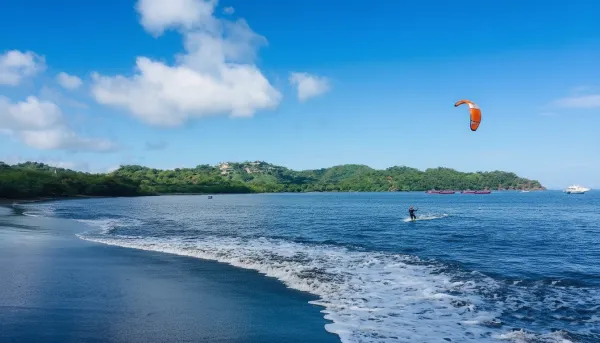
The riding environment is characterized by textured freshwater chop, with the surface ranging from moderate chop to small wind swell on gusty days. There's no surf or tide-driven break here, making it less ideal for pure wave riding but very well suited for intermediate to advanced freeriders, big-air fanatics, and anyone who prefers powered sessions over mellow beginner cruising. Launching is usually done from the northern shore, particularly around the Tico Wind area near the northeast corner, where grassy rigging zones provide enough space for setup and the entry to the water is sloping but can be slippery or muddy, requiring careful footing during launch and landing.
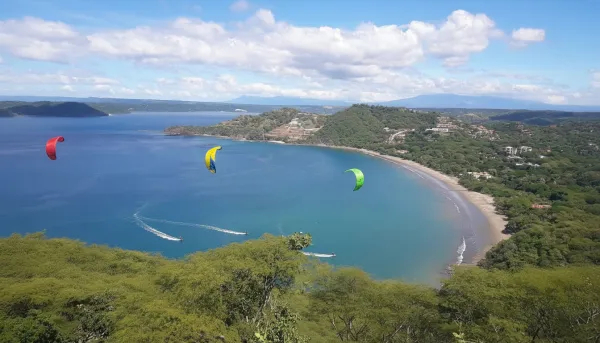
The practical facilities here reflect the spot's focus on wind sports, not tourist frills. The prevailing wind comes out of the east to east-northeast, funneled and often accelerated by the local landscape, which means gusts can feel stronger and less even compared to open-beach spots. Although the lake is quite large, the launch areas are concentrated, with plenty of room for long tacks, big jumps, and high-speed runs, and wind strength is typically in the 20 to 30 knot range on good days. Water color tends to be dark and the bottom sandy with some shallow spots and possible underwater obstacles near shore, so riders need to be attentive when walking gear in and out. With the absence of tides, riding condition decisions are based entirely on wind strength and timing, not water level. Crowds at Lake Arenal are light, usually with just a handful of other kiteboarders and possibly windsurfers sharing the water during prime sessions, and the overall feel is distinctly non-touristy and local, with few beachside distractions and a focus on time on the water. Riders staying here tend to base themselves at or near the launches, maximizing their window for kiting in the strong dry season breeze, while enjoying open views of the lake, surrounding hills, and the dramatic Arenal Volcano backdrop. Facilities are functional rather than flashy, but lodging and food can be found in nearby Tilarán or around the Arenal corridor.
The spot's inland setting leads to a quieter scene, with steady wind and consistent chop more important than sandy beaches. With wind most consistent from December to April and some sessions possible in the shoulder months, Lake Arenal is established as a strong-wind destination for those comfortable with power, gusts, chop, and a touch of practical grit over ocean-side glamour.
Lake Arenal is best suited for
Spot profile
Travel spot
The typical kite travel destination, it is known for its great conditions, and kiters from around the world come here for their vacations.
Adventure spot
That dream place out of the normal touristic routes. Once you reach it, you feel in paradise, it can be anything extraordinary, a hidden gem, remote and fascinating.
Equipment
A freeride or big-air kite is best for Lake Arenal's strong and gusty winds, with most riders using smaller sizes—often between 7m and 10m depending on the day's wind and rider weight. The chop favors twin-tip boards; directional or wave boards are uncommon here. The tropical freshwater means a wetsuit is rarely needed, though a shorty or springsuit can make long windy sessions more comfortable, especially if you're sensitive to wind chill. Booties are not essential but can help for grip and protecting feet during muddy or slippery launches. Helmets and impact vests are sensible choices due to high speeds and gusts.
Wind Conditions
Main wind directions at Lake Arenal
Windy days per month in Lake Arenal
Wind Speed Range
From 16 to 30 Knots
Suggested sizes
7 mt and below
8 - 9 mt
10 - 11 mt
12 - 13 mt
Forecast on Windy.com
Kitesurfing Safety & Local Rules at Lake Arenal
Lake Arenal's main safety challenge stems from its powerful, gusty inland wind. The wind can build quickly, and gusts are more abrupt and less predictable than those at coastal beach spots, demanding good power control and strong kite-handling skills, especially from riders not used to variable inland conditions. Gust strength can increase rapidly in the afternoons, and even experienced riders can find sessions changing quickly from manageable to extremely powered. As the lake is large but launch and retrieval zones are focused on the northern shore, rescue options are limited. Riders need to respect the established launches, especially around Tico Wind, where the layout and shore access are set up to minimize risk and keep things running smoothly for everyone.
The launch itself isn't dangerous in terms of surf or breaking waves, but the practical issues are the slippery or muddy banks which can make footing unstable, and the presence of shallow patches with possible submerged obstacles. Rider care is needed when carrying kites and boards into and out of the water, both to avoid injury and to protect equipment. The sandy bottom is generally forgiving in rideable areas, but nearshore hazards increase the risk of tripping, ankle twists, or gear snags.
Because the lake doesn't have tides, water levels are relatively stable, but weather patterns can shift fast and cause rapid changes in riding conditions. All kitesurfing in the area happens close to the established centers, so it's essential to follow the local wind center's rules and any advice about safe launching, landing, and on-water respect. Riders should always check wind strength before heading out, be mindful of gear choices for the day's wind range, and not underestimate the sudden punch a Lake Arenal gust can deliver.
Location
Closest City
Tilarán
How to get There
Most riders fly into Costa Rica's main airports, either Liberia or San José, and then drive inland toward the lake. The usual driving route is westward from Cañas and then east to Tilarán, with the last part of the journey bringing you to the northern lake access points such as Tico Wind or the organized launch zones. The spot is not within walking distance from a town, so having a car or arranging a transfer is recommended. Driving times from airports can vary, but expect several hours based on traffic and road quality.
Access
Public road access is available, but launches are concentrated on the northern shore, often tied to local wind centers or club facilities. Use the established grassy rigging and access zones rather than attempting to launch from random sections of shoreline. Driving to the northern area is required, and parking is usually available near the main centers. Some areas may charge a usage or facility fee. No marine or special entry restrictions, but using official launches is expected.
No-Wind Days: What to Do Around Lake Arenal
Lake Arenal is part of a broader region where life slows down between kiting sessions. The area combines small-town Costa Rican life, panoramic volcano views, and rainforest hills ideal for exploration or downtime when the wind isn't blowing. Tilarán acts as the nearest practical hub for shops, supplies, and meals, with a range of local sodas and casual eateries, while a wider choice of lodging from simple guesthouses to upscale eco-lodges and vacation rentals can be found in both Tilarán and the Arenal corridor.
For visitors traveling with family or non-kiters, the area is suited to mixed group trips: while some may focus on the daily wind window, others have a host of non-kiting options including hot springs, volcano hikes, hanging bridges, lake tours, birdwatching, and themed attractions around La Fortuna. The region's climate is warm and humid, with much of the social scene revolving around either wind sports or nature activity, not nightlife or crowded beaches.
There's enough community here to find post-session company and support, but the vibe is oriented toward time on the water or in the hills rather than late-night entertainment. For those staying longer, Lake Arenal works well as a base, with connections both toward the northwest Pacific coast and the central highlands. The area is friendly for self-catering trips, as groceries and local products are easy to come by in town, and many rentals feature kitchens or access to shared facilities. Vehicle access is important for reaching the launches and for flexibility exploring the region, and roads can be slow or winding but are generally in fair condition.
The lake and surrounding highlands foster a range of wildlife—monkeys, abundant birds, occasional sloths—which adds to the off-water appeal. Mixed groups can find boat tours, fishing guides, coffee farm visits, night walks, and adventure parks all within a reasonable drive.
Unlike typical beach destinations, the days are more about balancing session time with regional exploration and quiet, scenic rest, giving Lake Arenal unique appeal for riders looking for a wind-focused, adventure-rich trip that works well as part of a wider Costa Rican itinerary, with plenty for non-kiters to do on windy and windless days alike.