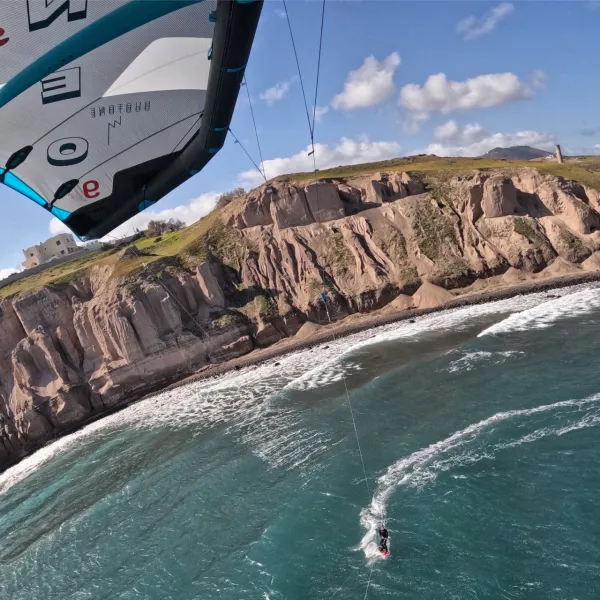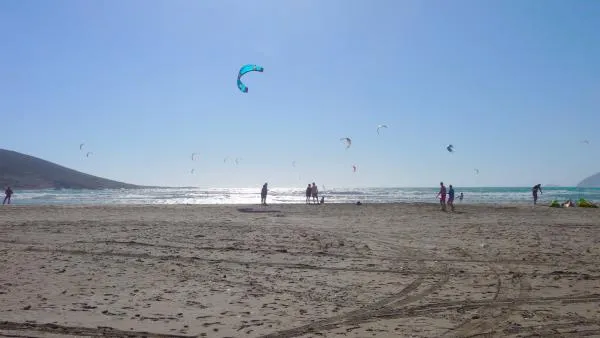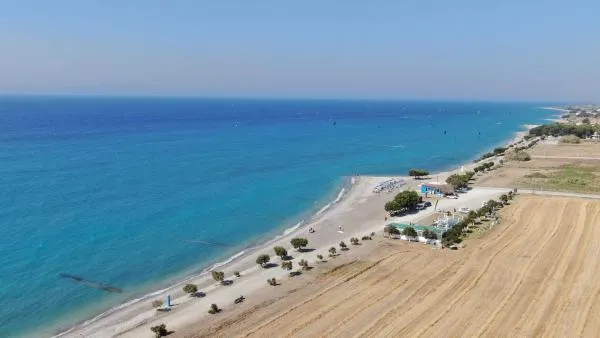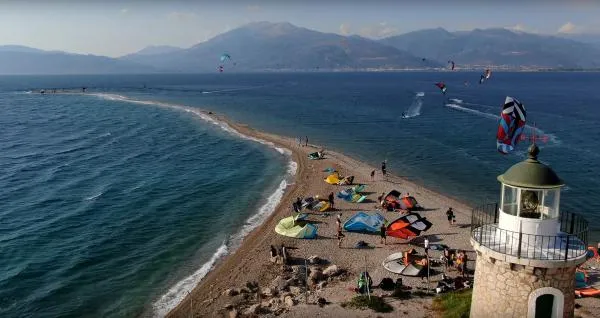
Kitesurfing in Plaka Beach Naxos
Naxos - Greece
Spot Type
Chop
Water
Crystal Clear
Beach
Sand
Rider Level
beginner
Spot characteristics
Spot Type
Chop
Rider Skill
beginner
Crowd
Beach Type
Sand
Water Quality
Crystal Clear
Tide Influence
Tide independent
Kitesurfing in Plaka Beach Naxos: Conditions, Wind & Season
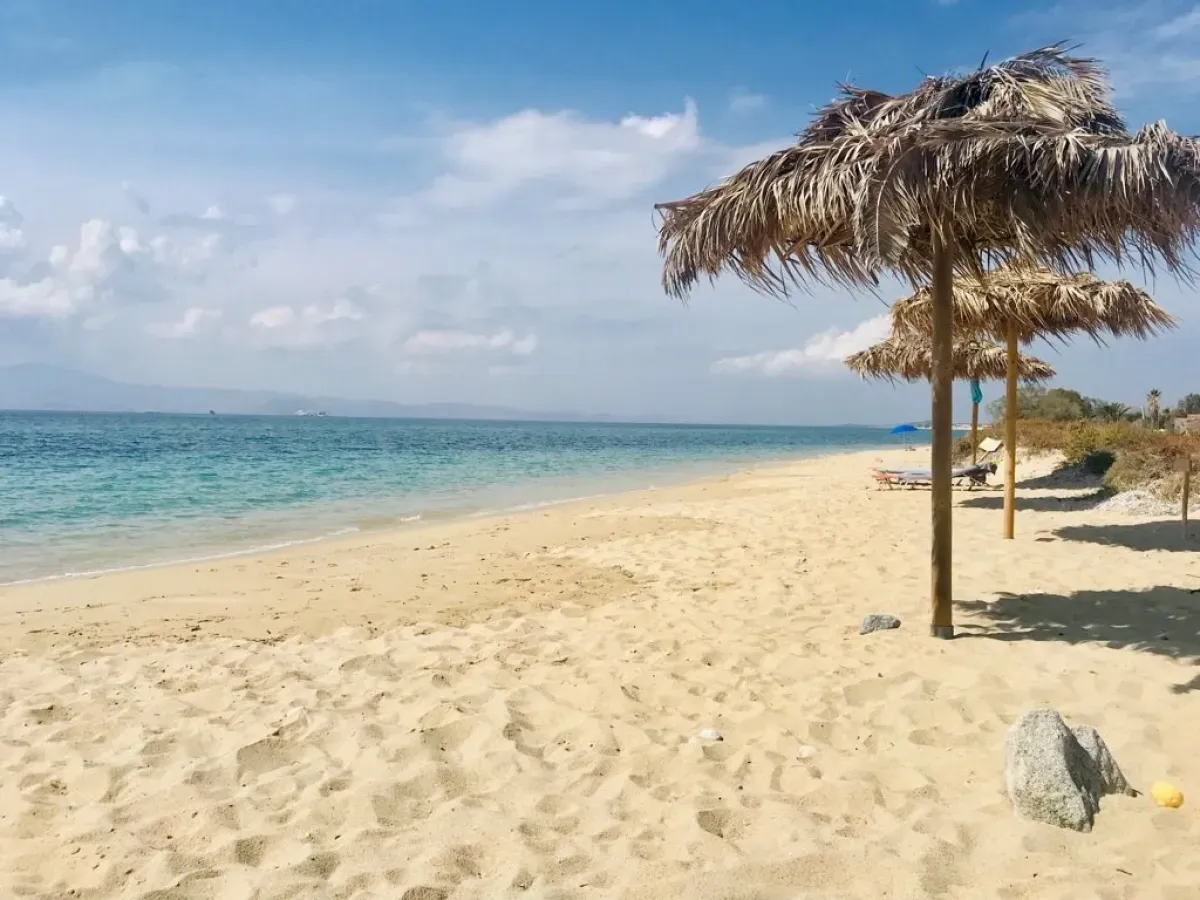
Plaka Beach, on the southwest coast of Naxos in Greece, is a beautiful Aegean beach combining clear water, golden sand and the reliable summer winds of the Cyclades. Located south of Naxos Town (Chora) and close to Agia Anna and Agios Prokopios, Plaka stretches for several kilometres along an open coastline with plenty of room on the water. For riders looking for kitesurfing in Naxos, the area offers a scenic alternative to the island's better-known kite locations while remaining within easy reach of the main tourist facilities.
Like much of the Cyclades, Naxos benefits from the Meltemi, the strong northerly wind that dominates the Aegean during summer. The main windy period generally runs from June through September, with July and August providing some of the strongest and most frequent Meltemi conditions. Local geography can accelerate the wind around Naxos, producing powered sessions and making the island one of the most attractive destinations for kitesurfing in the Cyclades. Wind strength can vary considerably from day to day, so having several kite sizes available is useful during a longer stay.
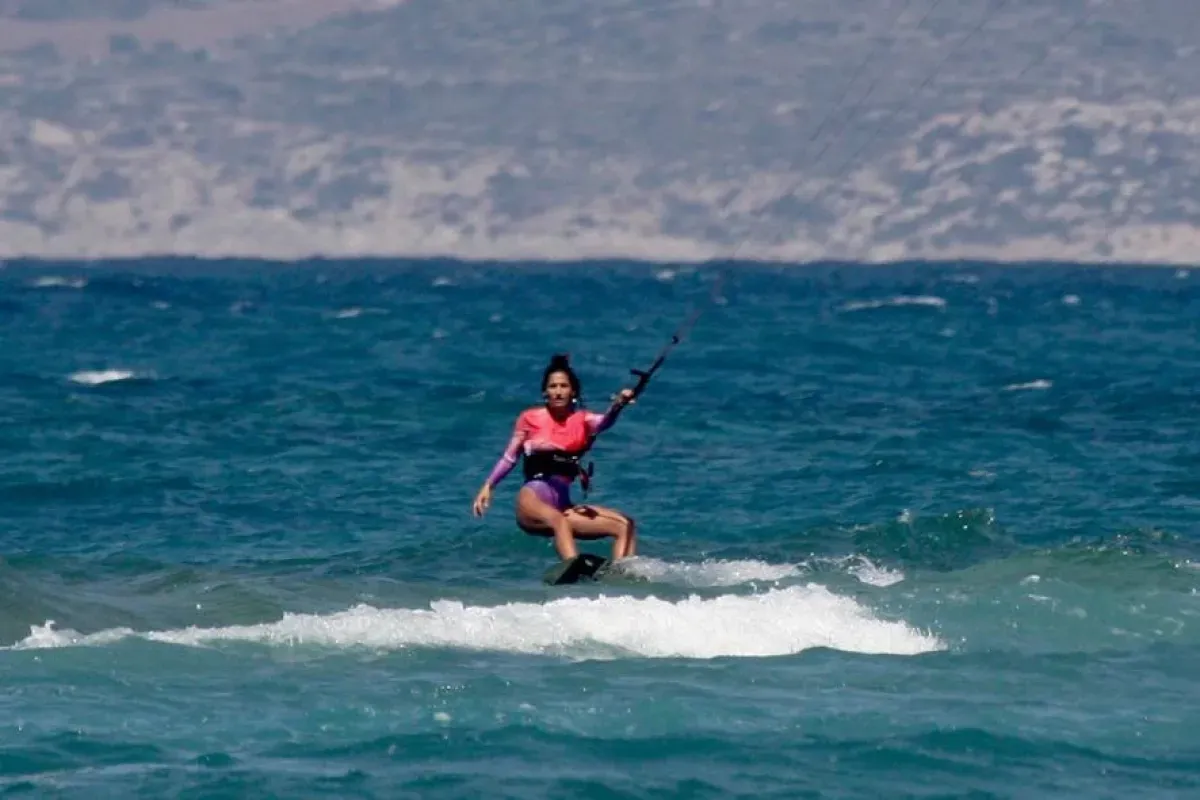
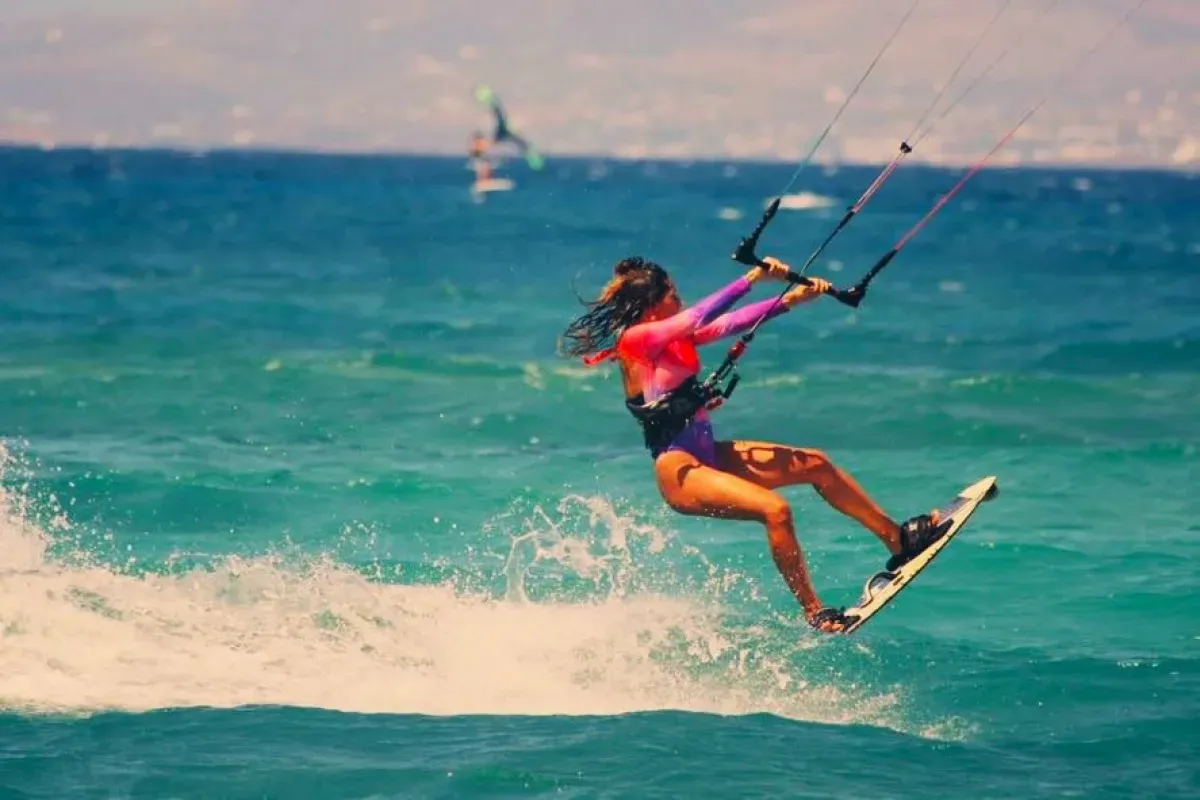
Plaka offers a sandy beach and open Mediterranean water, with conditions ranging from relatively manageable chop to rougher water and wind-driven waves when the Meltemi becomes strong. The amount of open water makes it enjoyable for freeriding and cruising, while experienced riders can take advantage of stronger days for jumping and more powered riding. Although moderate conditions can be manageable for progressing kiters, beginners should use a local school and carefully consider the wind direction, strength and designated watersports areas before launching.
Plaka is also one of Naxos's most popular beaches, particularly during July and August, when swimmers and holidaymakers occupy much of the shoreline. Kitesurfers therefore need to be especially considerate of other beach users and respect any seasonal restrictions, swimming zones and local rules. Those specifically travelling to Naxos for kitesurfing may also want to explore established kite areas elsewhere on the island, particularly around Mikri Vigla, where the coastline and Meltemi create some of the best-known kite conditions in Greece.
Away from the water, Plaka makes an excellent base for a wider Naxos holiday. Beachfront tavernas and accommodation are spread along the coast, while Naxos Town is close enough for restaurants, nightlife and exploring its historic old quarter and famous Portara. The island's mountain villages, hiking routes and traditional Greek cuisine provide plenty to do when there is no wind. Combining the Meltemi, warm Aegean water and one of the island's longest sandy beaches, Plaka is an attractive stop for riders exploring kitesurfing in Naxos, the Cyclades and the wider Greek islands.
Spot Gallery (8)
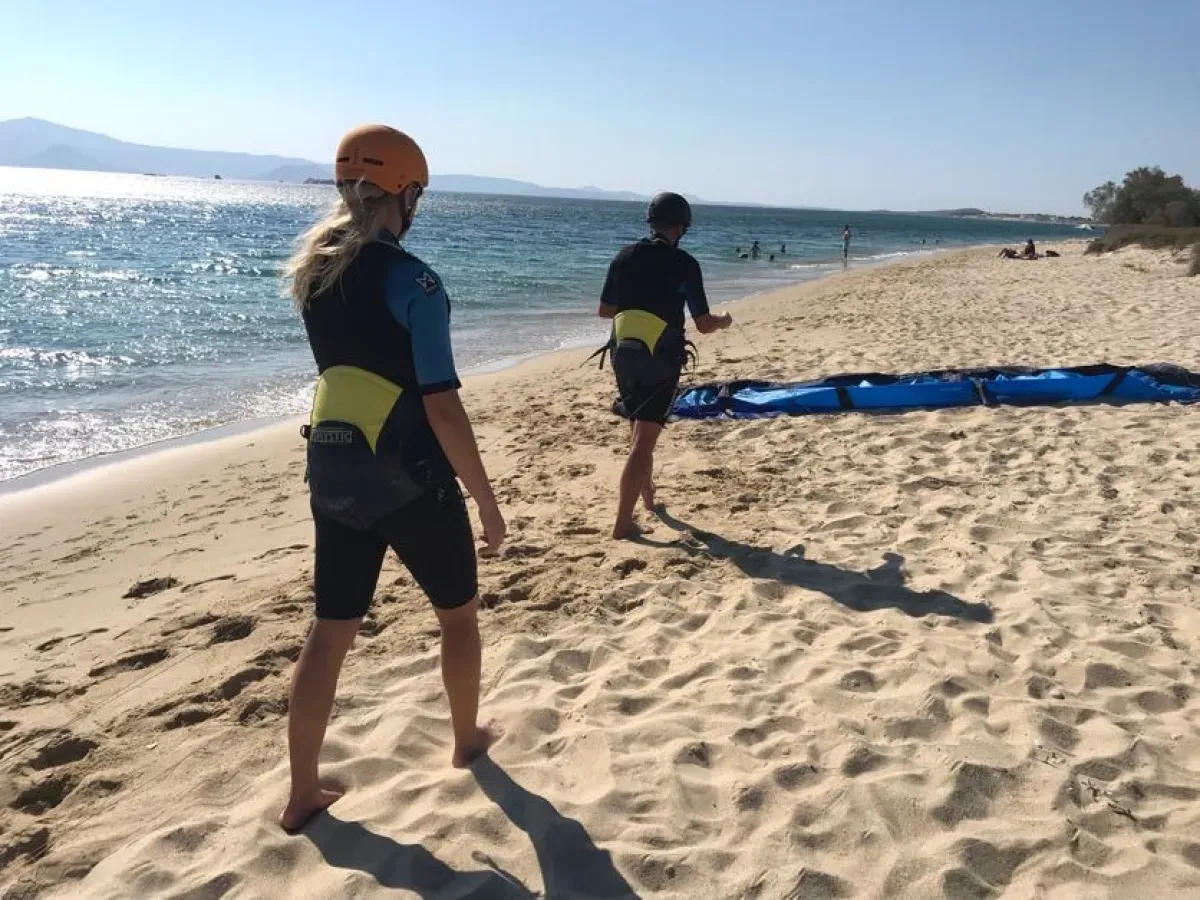
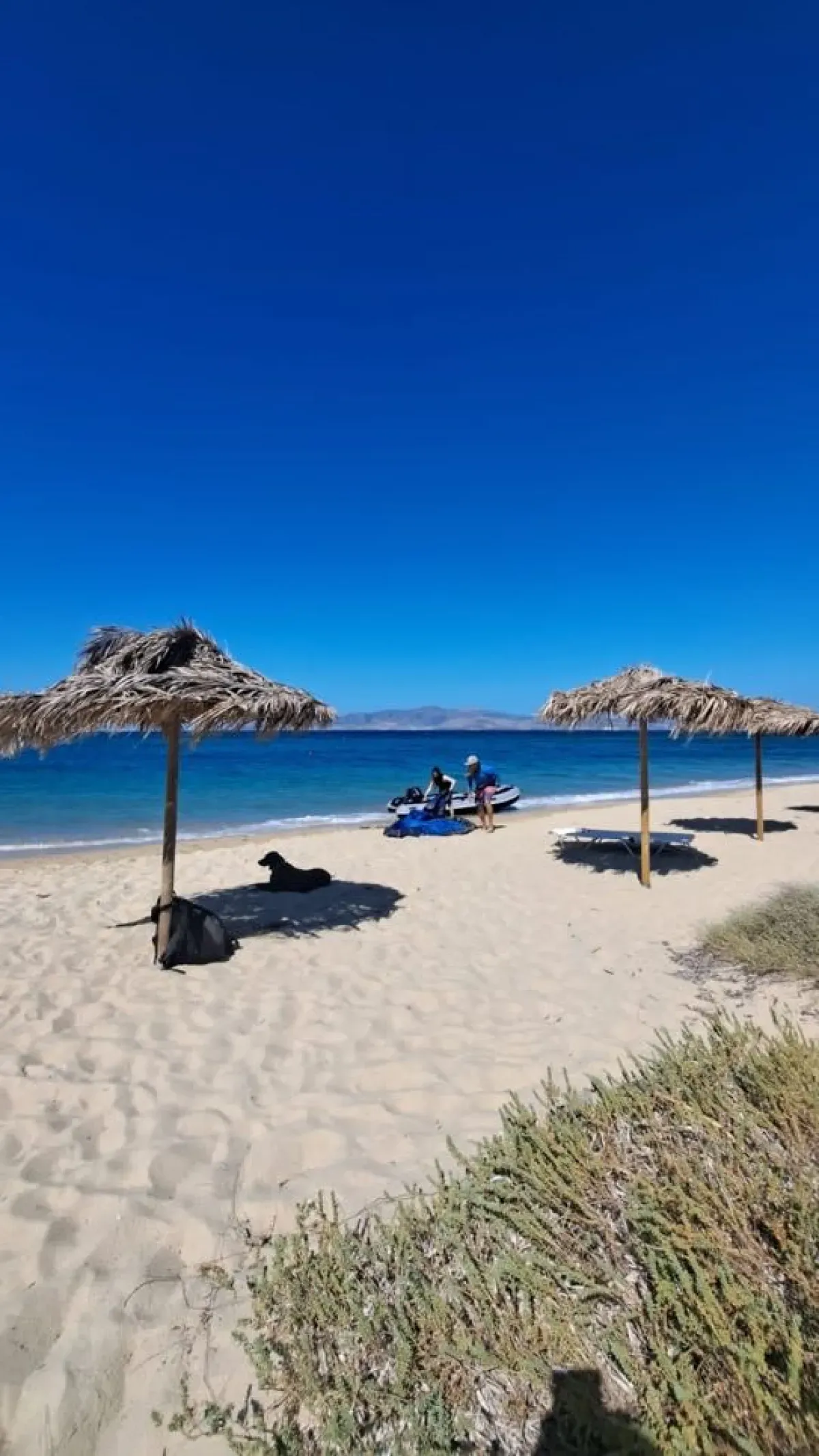
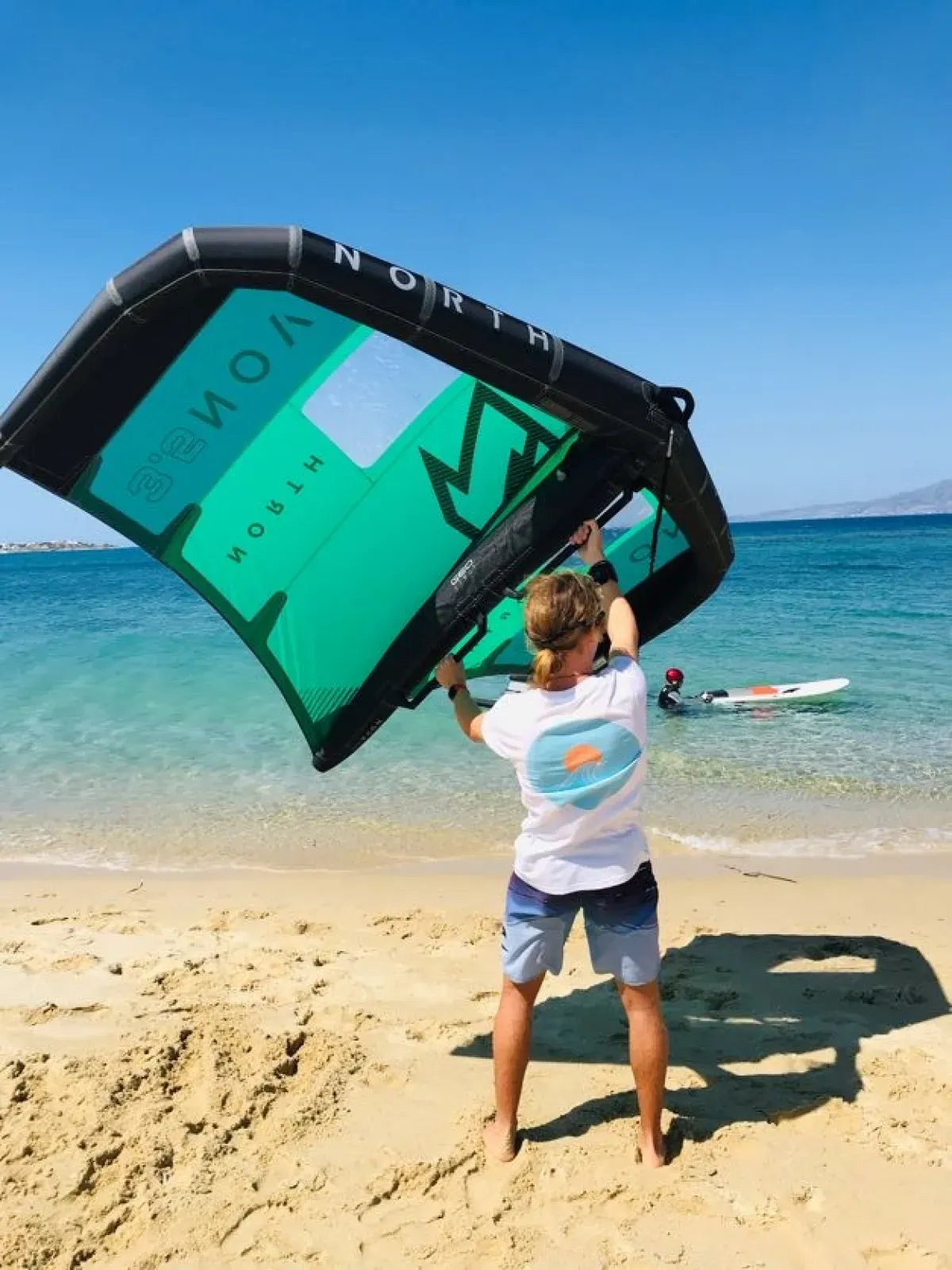
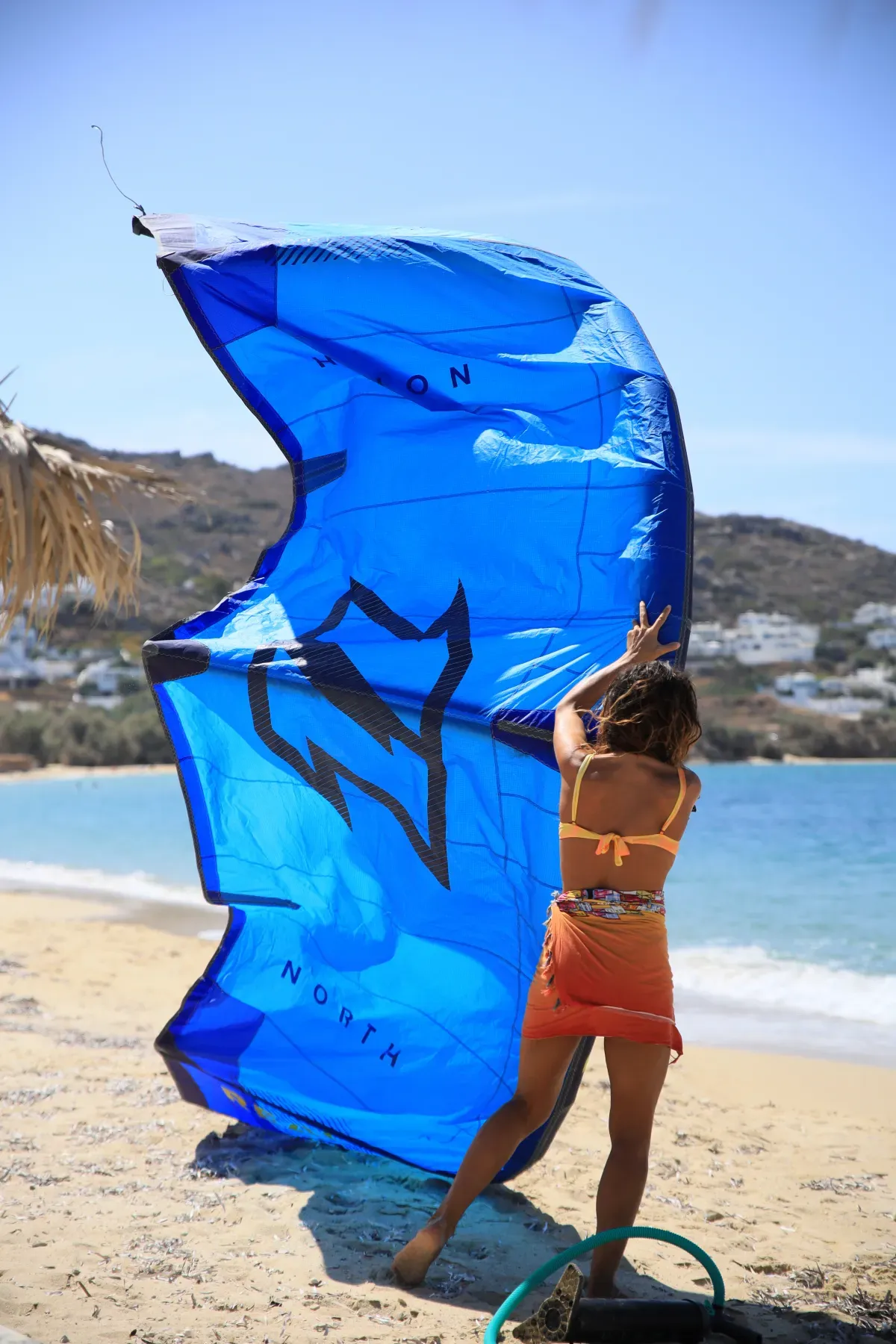
Plaka Beach Naxos is best suited for
Spot profile
Travel spot
The typical kite travel destination, it is known for its great conditions, and kiters from around the world come here for their vacations.
Family spot
Located in an area that offers amenities for all the family and can provide good alternatives for everyone when the kiters are in the water.
Equipment
A shorty during the summer months it will be ideal.
Wind Conditions
Main wind directions at Plaka Beach Naxos
Windy days per month in Plaka Beach Naxos
Wind Speed Range
From 5 to 40 Knots
Suggested sizes
7 mt and below
8 - 9 mt
10 - 11 mt
12 - 13 mt
14 mt and above
Forecast on Windy.com
Kitesurfing Safety & Local Rules at Plaka Beach Naxos
Plaka Beach is generally a relatively safe kitesurfing spot, with a long sandy shoreline and no major hazards across most of the riding area. The main underwater feature to be aware of is a small reef, which deserves particular attention when hydrofoiling because the foil reaches much deeper below the surface than a normal kiteboard. Check the location and water depth around the reef before riding over it, especially if you are unfamiliar with the spot.
The Meltemi can become strong during the peak summer months, producing increasingly choppy water and wind-driven waves. Riders should choose their kite size according to the conditions and be comfortable with deep-water relaunch and self-rescue before heading farther offshore. Beginners should be particularly cautious on stronger Meltemi days, when conditions can quickly become much more demanding than they appear from the beach.
During July and August, the main safety consideration is the number of swimmers and holidaymakers using Plaka Beach. Maintain plenty of distance from swimming areas, respect any seasonal restrictions or designated watersports zones, and make sure there is a clear area downwind before launching or landing. When the beach is particularly busy, using one of Naxos's established kite areas may provide a more suitable option for a dedicated session.
Location
Closest City
Naxos
How to get There
To reach Plaka Beach on Naxos Island, travelers can fly into Naxos Island National Airport, which has connections to major cities like Athens. From the airport, you can take a short taxi or bus ride to Plaka Beach, located just 4 kilometers south of Naxos Town. Alternatively, ferries from Athens to Naxos are available, with regular services from Piraeus Port. Once on the island, renting a car or scooter is an easy way to reach Plaka Beach, allowing you the flexibility to explore nearby attractions and enjoy the beautiful scenery of Naxos.
Access
Public
No-Wind Days: What to Do Around Plaka Beach Naxos
Plaka Beach is an excellent base for a kitesurfing trip with non-kiters or a family holiday on Naxos. When the Meltemi takes a break, the long sandy beach becomes perfect for swimming, SUP or simply enjoying a lazy day beside the Aegean. Beachfront tavernas and cafés are scattered along this part of the coast, while nearby Agia Anna and Agios Prokopios provide even more places to eat, swim and relax. For families or a non-kiting partner, this means there is plenty to do without having to spend the entire day waiting at the kite spot.
One of the first places to explore is Naxos Town, or Chora, only a short drive north of Plaka. Behind the harbour, narrow whitewashed lanes climb through the old town towards the Venetian Kastro, passing small shops, cafés, restaurants and historic buildings. Towards sunset, walk across to Palatia islet and the famous Portara, the enormous marble gateway remaining from an unfinished 6th-century BC Temple of Apollo. It has become the symbol of Naxos and is one of the island's classic places to watch the sun disappear over the Aegean.
A full no-wind day is a great opportunity to leave the coast and discover the mountainous interior of Naxos. Villages such as Chalki, Filoti and Apeiranthos reveal a completely different side of the island, with stone and marble houses, narrow lanes, Byzantine churches, traditional cafés and shady village squares. The mountain villages of Naxos can easily be combined into a day-long road trip. Chalki sits among olive groves in the fertile Tragea valley, Filoti spreads across the slopes beneath Mount Zas, while marble-paved Apeiranthos is one of the island's most distinctive traditional villages.
History lovers should make time for the Sanctuary of Demeter at Sangri. Located in the countryside near the village of Sangri, the sanctuary contains an unusual ancient temple constructed almost entirely from Naxian marble in the 6th century BC. The archaeological site and nearby collection provide an interesting glimpse into ancient Naxos and can easily be combined with a drive through the villages and agricultural landscapes of the island's interior.
If you prefer hiking, head towards Mount Zas and the Cave of Zeus. Rising to 1,004 metres, Mount Zas is the highest mountain in the Cyclades and one of the best hiking destinations on Naxos. According to Greek mythology, the young Zeus was raised in a cave on the mountain, while archaeological discoveries show that the cave was used from the Neolithic period through Roman times. The trail towards the cave passes through wild thyme, scrub and mountain scenery, with increasingly impressive views across Naxos and the surrounding Aegean islands. During summer, start early and carry plenty of water rather than tackling the exposed mountain during the hottest part of the afternoon.
Naxos also has an extensive network of old paths connecting villages, valleys, Byzantine churches and ancient sites. If a no-wind day calls for something active without climbing Mount Zas, the hiking trails of Naxos include easier routes through the island's fertile interior as well as more demanding mountain walks. Many of these paths were once the main routes between villages, making hiking a particularly good way to discover the traditional side of Naxos away from the busy beaches.
Food is another excellent reason to explore beyond Plaka. Naxos is one of the most fertile islands in the Cyclades and is particularly known for its potatoes, local cheeses such as graviera and arseniko, lamb and goat, honey and the citrus-based Kitron liqueur. The culinary traditions of Naxos are closely connected to the island's farming villages, so a no-wind afternoon can easily become a drive through the interior with stops for local cheese, coffee and a long taverna lunch before returning to Plaka for sunset.
For anyone planning a kite trip to the Cyclades and wondering what else there is to do, Plaka offers a particularly good balance between beach life and exploring a genuine Greek island. You can spend a calm morning swimming at Plaka, discover mountain villages and ancient sites during the afternoon and finish the day in Naxos Town. With hiking, history, traditional food and plenty of activities for a non-kiting partner or family, a kitesurfing holiday in Naxos remains worthwhile even when the Meltemi decides to take a few days off.
Local Kitesurfing Schools
Following you can find links to the page of the kitesurfing schools which operate on this spot. From there you can contact them through our form or directly via email or phone (if it was provided by them on the page).