
Kitesurfing in Ujung Pancu
Banda Aceh · Indonesia
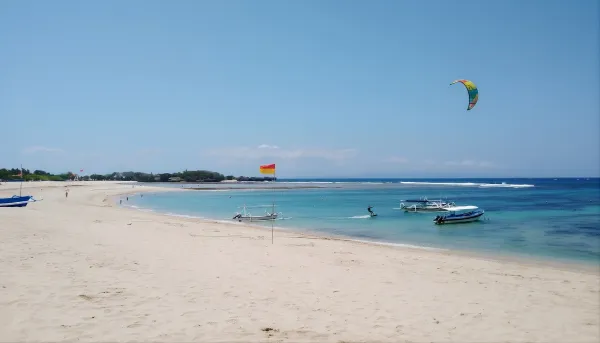
- Spot type Flat
- Rider level beginner
- Water Dark - Clear
- Beach Sand
- Crowd Few people
- Tide effect OK low tide
Kitesurfing in Ujung Pancu: Conditions, Wind & Season
This spot sits on the northern tip of Sumatra and reads like a textbook flat-water location for early progression. The wind here tends to be steady rather than explosive, and the coastal configuration gives long stretches of shallow sand that make water starts and first transitions much less stressful than a reef or steep beach.
From a rider perspective the single most useful thing to know is that the reliable window most locals and old timers mention is the early part of the year, roughly January through March, when monsoon shifts often build a consistent onshore or cross-onshore breeze. That does not mean there is no wind outside that period, but the best months to plan focused lessons or trick development are those early months. The sea state is generally compact and the bottom is sand with shallow sections, so you can practice for longer stints before fatigue sets in trying to get back to shore. Boat access is not required, launches and recoveries happen from the sand beach and there are usually few people on the water, which is great for learners who need space between kites.
Gear choices here should skew conservative compared with a big air or surf destination. I usually bring a freeride kite in the medium to large range and a larger size for the lighter days; because wind rarely gets wildly overpowered, a quiver of 10, 12 and 14 meters will cover most eventualities for riders in the 70 to 90 kilogram range, with smaller sizes brought only if a particularly strong dry season pulse shows up. A twin-tip board is the straightforward option and you can progress on a larger, forgiving board for early v-spins and transitions. While you can ride in just boardshorts, bring a shorty if you get cold quickly and consider water shoes for low tide shorelines that expose shells or uneven sand.
Logistics are simple from Banda Aceh, which is the practical base for travel and supplies. Domestic flights arrive into Banda Aceh and then you plan an overland transfer to the coast. Expect a regional drive, not a complicated expedition, so organize a vehicle and give yourself time to scout the launch area on arrival. Local support services are minimal. There is rarely a formal kite school on the beach and no managed rescue station, so bring a buddy, plan your sessions conservatively, and carry a phone and basic first aid. Respect local activity on the shoreline and be ready to walk a little to find the quietest launch stretch.
The wind directions swing seasonally with monsoon patterns, so watch forecasts in the days before you travel and aim for the early-year window for the most dependable breeze. On lighter offshore days you may want a larger kite and patience, while any stronger dry-season pulses still favor controlled freeride rather than pushing for big air. Because Ujung Pancu is less trafficked than tourist islands, you get cleaner water space and a slower pace on the beach, which is ideal for repeated practice and quiet sessions that let you focus on technique rather than battling crowds.
In short, treat it like a sensible learning spot: set up on the sand well back from any fishermen, check the tide so you are comfortable with the shallow bottom on low tide, keep equipment simple and reliable, and use Banda Aceh as your logistics hub. If you ride with local people they will appreciate polite, low-key behavior onshore and basic preparation. This is a place to grind out time on the water, nail fundamentals, and enjoy calm freeride loops rather than chase huge jumps or wave action.
Something missing or out of date at this spot? Suggest a correction
Ujung Pancu is best suited for
Spot profile
Local spot
Maybe not be worth a real journey to reach this spot, but great if you live close by and it is a windy day. In the end, being out on the water feels great anywhere
Equipment
Bring a freeride kite in a medium to large size as your primary tool and a larger kite for the light wind days. A quiver around 10, 12 and 14 meters will cover most conditions for average weight riders, with a smaller 8 or 9 meter kept for any rare stronger gusts. Use a twin-tip board for general progression and a slightly larger trainer board for early transitions. Pack a reliable harness with a quick release, leash system, helmet for practice sessions, and a pump with a pressure gauge. Wetsuit needs are minimal; boardshorts or swimwear are usually fine in warm water, add a shorty only for personal comfort. Water shoes are recommended for low tide when the bottom can feel rough or expose shells, and bring a small repair kit, spare lines and a basic first aid kit.
Wind Conditions
Main wind directions at Ujung Pancu
Windy days per month in Ujung Pancu
Wind Speed Range
From 10 to 25 Knots
Suggested sizes
8 - 9 mt
10 - 11 mt
12 - 13 mt
14 mt and above
Forecast on Windy.com
Kitesurfing Safety & Local Rules at Ujung Pancu
As an experienced rider I treat Ujung Pancu like a straightforward but self-reliant location where the main risks are common sense and preparation rather than dramatic natural hazards. Because there is no widespread managed rescue presence on the beach, riders must be ready to handle their own incidents, so being conservative with kite size and riding within your limits is the first line of defense.
Shallow sand means that low tide can expose uneven ground, shells or small rocks that can bruise feet on launches and recoveries, so I always wear light water shoes at low tide and check the stretch of beach before committing to a long session.
Wind tends to be steady but it is controlled rather than blustery; still, sudden seasonal shifts during monsoon transitions can alter the angle and strength, so scan the sky and monitor gusts when you set up. The launch zone can be used by local fishermen or villagers, so always give a wide berth to shore activity and be mindful of lines or nets.
There are no clear local regulations specified, but in practice respectful behavior and asking permission to use a piece of beach keeps things easy. The biggest operational hazard is overconfidence because the conditions feel forgiving; I have seen riders push too hard on larger kites when tired and get into trouble. To avoid that, plan rides with a partner, agree on an onshore meeting point, and carry a charged phone and a simple flotation aid.
If you are unfamiliar with monsoon wind changes, seek local weather reports and avoid late afternoon sessions when thermals or local land breezes can unexpectedly shift wind direction.
Finally, respect local culture and sensitivities onshore, keep personal items secure, and avoid leaving gear unattended. Those precautions eliminate most risks and keep sessions low stress, but you must arrive prepared to be self-sufficient because formal rescue or kite school infrastructure is limited.
Location
Closest City
Banda Aceh
How to get There
Fly into Banda Aceh on a domestic flight, arrange a land transfer from the airport or city to the northern coast and drive to the Ujung Pancu shoreline. There is no regular boat transfer needed, most riders base in Banda Aceh and use a car or rented transport to reach the beach. Plan transport in advance and confirm local road conditions with your driver before departure.
Access
The spot is reachable from the public coastline around Banda Aceh and does not require a private club or resort. There is no known fee or permit to use the beach, and access is simple by road from the city. Most riders base in Banda Aceh and drive to the shoreline, so plan transport ahead and confirm the exact drop point with your driver. Expect minimal on-site infrastructure, so bring what you need for launch, rigging and basic repairs. The beach is open to the public and usually quiet, but be prepared to walk to find the best stretch for launch and landing. Because the area is not highly commercialized for kitesurfing, stores and rental options are limited on the coastline itself, so stock up in Banda Aceh before heading out.
No-Wind Days: What to Do Around Ujung Pancu
I approach the non kiting side of a trip to Ujung Pancu the same way I do any visit to a more remote Indonesian coastline: with respect, planning and a willingness to be flexible. Banda Aceh is the sensible base for services, food and overnight stays, so most riders will travel there and use the city to stage equipment and make arrangements.
The city has practical amenities rather than beach resort luxuries, and that practical base is exactly what you want when a session depends on decent transport and a friendly local driver. Plan to combine your kiting with local exploration, like coastal drives and visits to markets, so you get a feel for the place beyond the beach. A pragmatic packing list will save time and headaches, because the immediate coastline at Ujung Pancu does not have trained kite schools, large rental shops or onshore cafes geared to international kitesurfers.
Bring spares for the basics lines, one or two repair patches, pump and valve adapters, and a modest medical kit. Arrange accommodation in Banda Aceh for convenience, then allow time to drive out to the spot in daylight to check the launch zone and wind angle. For food and downtime the city offers a mix of local cuisine and simple restaurants where you can refuel after a long session.
Be aware that Aceh is a culturally conservative province, so onshore behavior and dress have to be respectful; this matters for interactions with locals and for setting up kit without drawing unnecessary attention. Practically speaking, keep a low profile on the beach, ask permission to use a section if fishermen are nearby, and avoid loud music or large groups that could complicate launches.
Communication with local people is usually straightforward, and the generosity of coastal communities often means riders can find help with equipment or a place to park a vehicle. Timing is important for maximizing wind reliability. The early-year window is the baseline plan for most riders who want consistent steady breeze, but the coast can deliver usable days outside that window thanks to regional monsoon swings. I always check at least three day forecasts and tide tables before launching, and I scout the beach on arrival to note where low tide leaves the shallowest bars so I can set up away from exposed patches. For lessons and first time riders, bring a second person to help with launch and recovery and consider arranging a local instructor through Banda Aceh contacts if you are not confident teaching yourself.
The overall travel experience is about getting out on the water, spending hours consolidating technique, then returning to a city base that supplies food, rest and local color. If you like long, relaxed practice sessions without the pressure of busy tourist beaches, this is a place where you can spend focused time on progression and still combine the trip with cultural and coastal exploration in Aceh. Keep gear simple, respect local customs, manage risk by riding with a buddy and plan logistics from Banda Aceh and your sessions will be smooth and productive.
Other kitesurfing spots near Ujung Pancu
All kitesurfing spots in Indonesia
Last updated: